
Purchasing a vehicle is often the second-largest financial commitment a consumer makes, trailing only the purchase of a home. In an era of fluctuating interest rates and volatile market valuations, the decision to buy a used car over a brand-new model is increasingly viewed as a sophisticated financial strategy rather than a mere budgetary constraint. When approached through the lens of personal finance and asset management, buying a used car allows an individual to bypass the steepest curve of depreciation while securing a reliable mode of transportation.
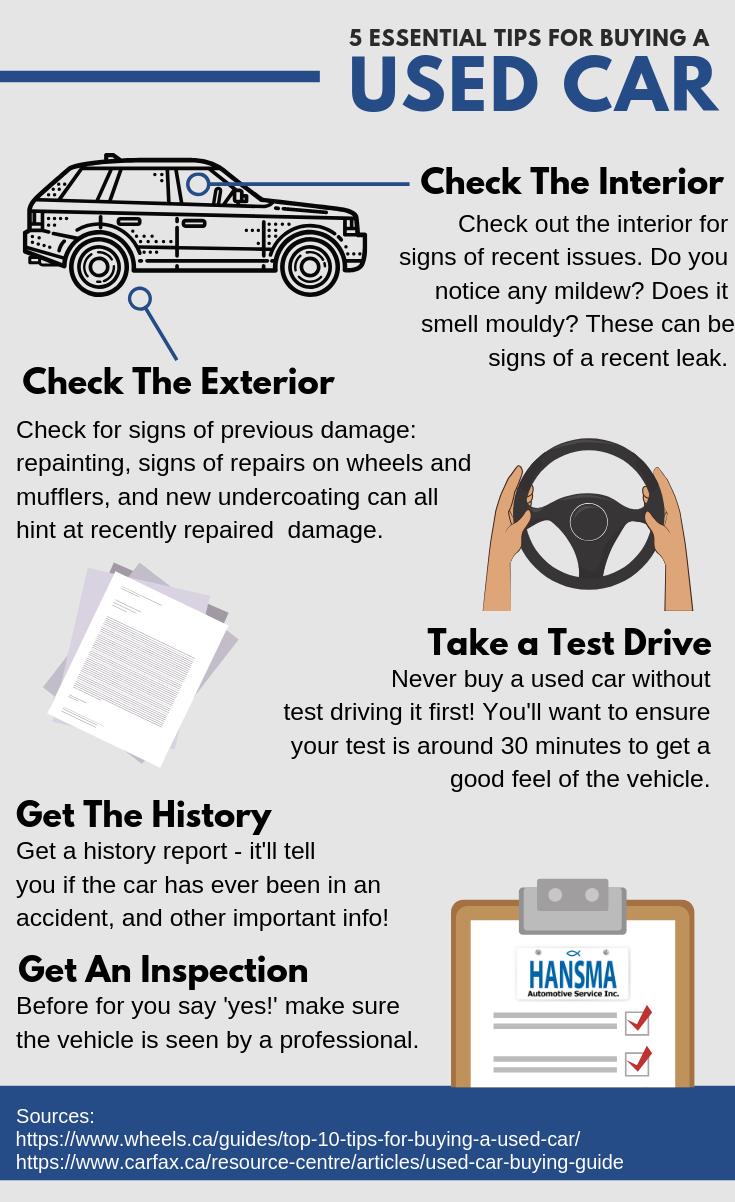
However, the used car market is fraught with hidden liabilities that can quickly turn a perceived bargain into a “money pit.” To navigate this landscape successfully, one must look beyond the aesthetic appeal of a vehicle and conduct a rigorous financial and mechanical audit. This guide focuses on the critical economic factors and risk-assessment strategies necessary to ensure your used car purchase remains a sound investment.
Establishing a Realistic Budget and Total Cost of Ownership (TCO)
The most common mistake in the used car market is focusing solely on the “sticker price” or the monthly payment. From a financial perspective, the purchase price is only the entry fee. To make a truly informed decision, a buyer must calculate the Total Cost of Ownership (TCO).
The 20/4/10 Rule of Car Financing
To maintain financial health, experts often recommend the 20/4/10 rule. This suggests a down payment of at least 20%, a financing term of no more than four years (48 months), and keeping total monthly vehicle expenses—including principal, interest, insurance, and fuel—below 10% of your gross monthly income. By adhering to these metrics, you ensure that the vehicle remains an enabling asset rather than a restrictive liability that hinders your ability to invest or save for other goals.
Factoring in Hidden Costs: Insurance, Maintenance, and Registration
A car that is inexpensive to buy may be prohibitively expensive to keep. For instance, high-performance European imports often see a significant price drop in the used market, but their maintenance schedules and specialized parts can cost double or triple those of a domestic or Japanese economy car. Additionally, insurance premiums vary wildly based on the vehicle’s safety ratings and repair costs. Before committing to a purchase, it is essential to get an insurance quote and research the average annual maintenance costs for that specific year, make, and model.
The Depreciation Curve: Why Used Cars are a Smarter Asset
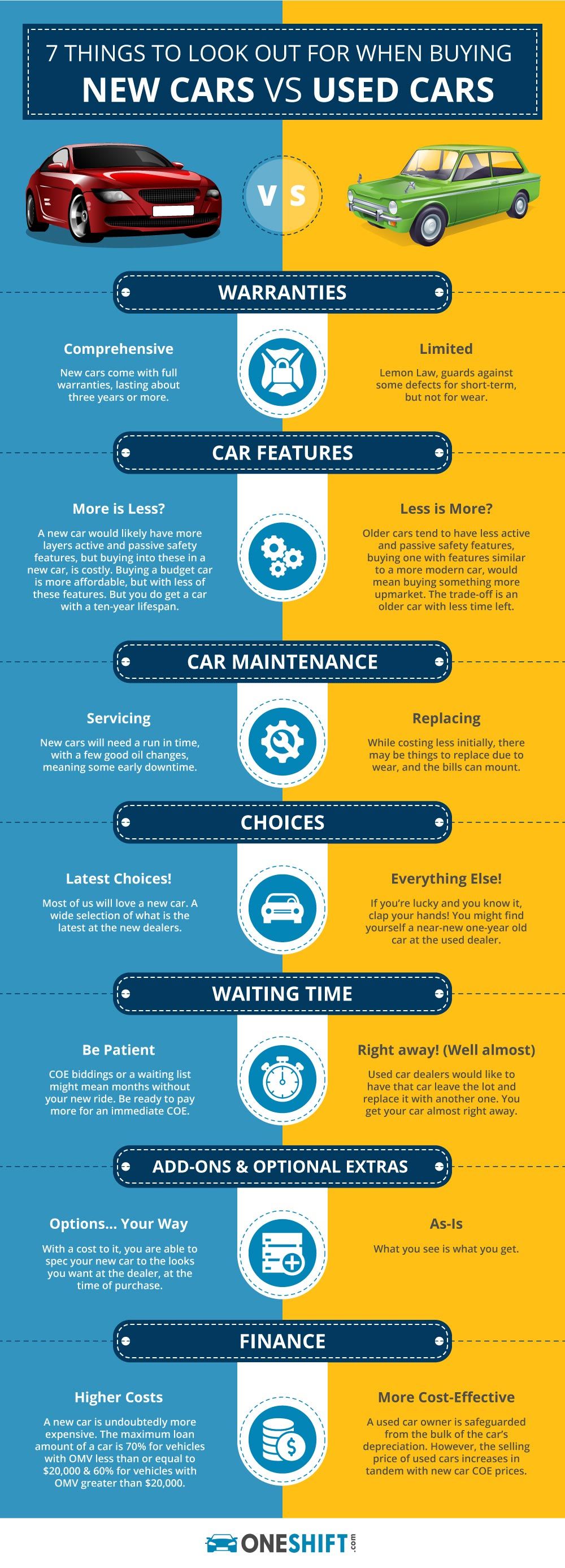
New cars typically lose 20% of their value in the first year and up to 60% within the first five years. By purchasing a vehicle that is three to five years old, you allow the previous owner to absorb that initial, massive hit to equity. In the “Money” niche, this is known as capital preservation. Buying a slightly older vehicle allows your capital to stay in other appreciating assets—like stocks or real estate—rather than evaporating in the driveway through depreciation.
Evaluating the Financial Integrity of the Vehicle
Once a budget is established, the focus shifts to risk mitigation. Every used car comes with a history; if that history is obscured, it represents a financial risk. Looking at the right data points can save you thousands of dollars in unforeseen repairs.
Interpreting Vehicle History Reports as a Risk Assessment Tool
Services like Carfax and AutoCheck are indispensable for the modern buyer. These reports provide a paper trail of the vehicle’s life, including title history, previous accidents, and service records. From a financial standpoint, a “salvage” or “rebuilt” title is a major red flag—not just because of safety, but because these vehicles have significantly lower resale value and are often difficult to finance or insure. A consistent service history, on the other hand, indicates that the previous owner protected the asset’s mechanical integrity, which correlates with a lower probability of expensive failures in the future.
Assessing Mechanical Reliability to Avoid “Money Pits”
Not all cars are engineered equally. Some models are notorious for transmission failures or engine issues once they cross the 80,000-mile mark. Researching reliability ratings through organizations like Consumer Reports or specialized automotive forums can provide a “forecast” of potential expenses. If a specific model is known for a $3,000 head-gasket failure at a certain mileage, that future expense must be deducted from the current fair market value of the car during negotiations.
The Importance of a Pre-Purchase Inspection (PPI)
Consider a Pre-Purchase Inspection (PPI) as an investment rather than an expense. For roughly $150 to $250, a qualified independent mechanic will put the car on a lift and check for signs of frame damage, fluid leaks, and worn suspension components. If the PPI uncovers $1,000 worth of necessary repairs, you can use that information to negotiate the price down or walk away from a bad deal. In financial terms, this is a small premium paid to insure against a catastrophic loss.
Financing Strategies and Loan Optimization

In the realm of personal finance, the method by which you pay for an asset is just as important as the price you pay. Interest rates can fluctuate based on the age of the car and your creditworthiness, significantly impacting the total amount paid over the life of the loan.
Pre-Approval: Strengthening Your Negotiating Position
Before stepping foot on a dealership lot, secure financing pre-approval from a bank or credit union. This establishes a “ceiling” for your interest rate. When you have a pre-approval in hand, you are essentially a cash buyer in the eyes of the dealer. This prevents the “F&I” (Finance and Insurance) office from marking up the interest rate to increase their profit margin.
Credit Scores and Interest Rates: Impact on Long-Term Cost
A difference of 3% or 4% in an interest rate might seem negligible on a monthly basis, but over a 48-month loan, it represents hundreds or even thousands of dollars in lost capital. If your credit score is currently sub-optimal, it may be financially wiser to wait six months to improve your score before financing a vehicle. Alternatively, making a larger down payment can reduce the “LTV” (Loan-to-Value) ratio, potentially qualifying you for better terms even with a median credit score.
Dealer Financing vs. Credit Unions
While dealerships offer “one-stop-shopping,” their interest rates are often higher because they act as intermediaries. Credit unions, being member-owned non-profits, typically offer the most competitive rates for used car loans. Always compare the “Annual Percentage Rate” (APR) rather than just the monthly payment to see the true cost of the debt you are assuming.
Mastering the Art of Negotiation for Maximum Savings
Negotiation is where financial preparation meets execution. By the time you are ready to talk price, you should have more information about the car’s value than the person selling it.
Using Market Data to Determine Fair Purchase Price
Tools like Kelly Blue Book (KBB), Edmunds, and NADA Guides provide a range of values based on condition and location. However, in a volatile market, real-time data from platforms like Autotrader or Bring a Trailer can be more accurate. Your goal is to determine the “Private Party Value” versus the “Dealer Retail Value.” Knowing these numbers prevents you from overpaying for a vehicle that the market has already devalued.
Navigating the Sales Floor: Tactics to Stay Within Budget
Salespeople are trained to sell based on emotion and monthly payments. To protect your finances, steer the conversation back to the “out-the-door” price. This includes the car’s price plus taxes, title, and doc fees. Be wary of “add-ons” such as VIN etching, nitrogen-filled tires, or paint protection packages. These are high-margin items for the dealer that offer little to no real-world value to the buyer.
Closing the Deal: Documentation and Final Costs
Ensure all verbal promises are put in writing. Check the “Buyers Guide” (the window sticker on used cars) to see if the car is being sold “As-Is” or with a warranty. If it is “As-Is,” you assume all financial risk the moment you drive off the lot. Review the final contract for “hidden” fees that weren’t discussed. If a fee cannot be explained or seems exorbitant, do not hesitate to ask for its removal.
Post-Purchase Financial Management
The financial journey doesn’t end when the keys are handed over. How you manage the vehicle post-purchase will determine its eventual resale value and its impact on your net worth.
Setting Up a Sinking Fund for Future Repairs
Vehicles are depreciating assets that require constant capital infusion to remain functional. A wise financial move is to set up a “sinking fund”—a dedicated savings account where you deposit a small amount each month (e.g., $50–$100) specifically for car repairs and tires. This prevents a mechanical failure from becoming a financial emergency that forces you into high-interest credit card debt.
Insurance Optimization and Resale Value Preservation
As the car ages and its value drops, periodically review your insurance coverage. For very old used cars, the cost of “Collision” and “Comprehensive” coverage may eventually exceed the potential payout in the event of a total loss. Furthermore, keeping meticulous records of every oil change, brake job, and tire rotation adds “provenance” to the vehicle. When it comes time to sell, a car with a documented maintenance history can command a 10-15% premium over a similar car without records, effectively recouping some of your maintenance investment.
In conclusion, buying a used car is a high-stakes financial maneuver. By focusing on total cost of ownership, utilizing rigorous risk-assessment tools, optimizing financing, and negotiating based on hard data, you transform a potentially stressful purchase into a strategic move that supports your overall financial health. Look past the paint and the upholstery; look at the numbers, the history, and the long-term economic impact. That is the key to a truly successful used car purchase.
aViewFromTheCave is a participant in the Amazon Services LLC Associates Program, an affiliate advertising program designed to provide a means for sites to earn advertising fees by advertising and linking to Amazon.com. Amazon, the Amazon logo, AmazonSupply, and the AmazonSupply logo are trademarks of Amazon.com, Inc. or its affiliates. As an Amazon Associate we earn affiliate commissions from qualifying purchases.