
Understanding the Fundamentals of Off-Road Running Competitions
Trail racing has surged in popularity, captivating a diverse range of athletes from seasoned marathoners seeking a new challenge to beginners drawn to the allure of nature. At its core, a trail race is a running competition held on natural terrain, deviating from the predictable surfaces of roads or tracks. These events are characterized by their unpaved courses, which can include dirt paths, gravel, singletrack trails, forests, mountains, and even deserts. The inherent variability of trail running—uneven ground, elevation changes, unpredictable weather, and natural obstacles—is precisely what draws participants and differentiates it significantly from its road-based counterparts.
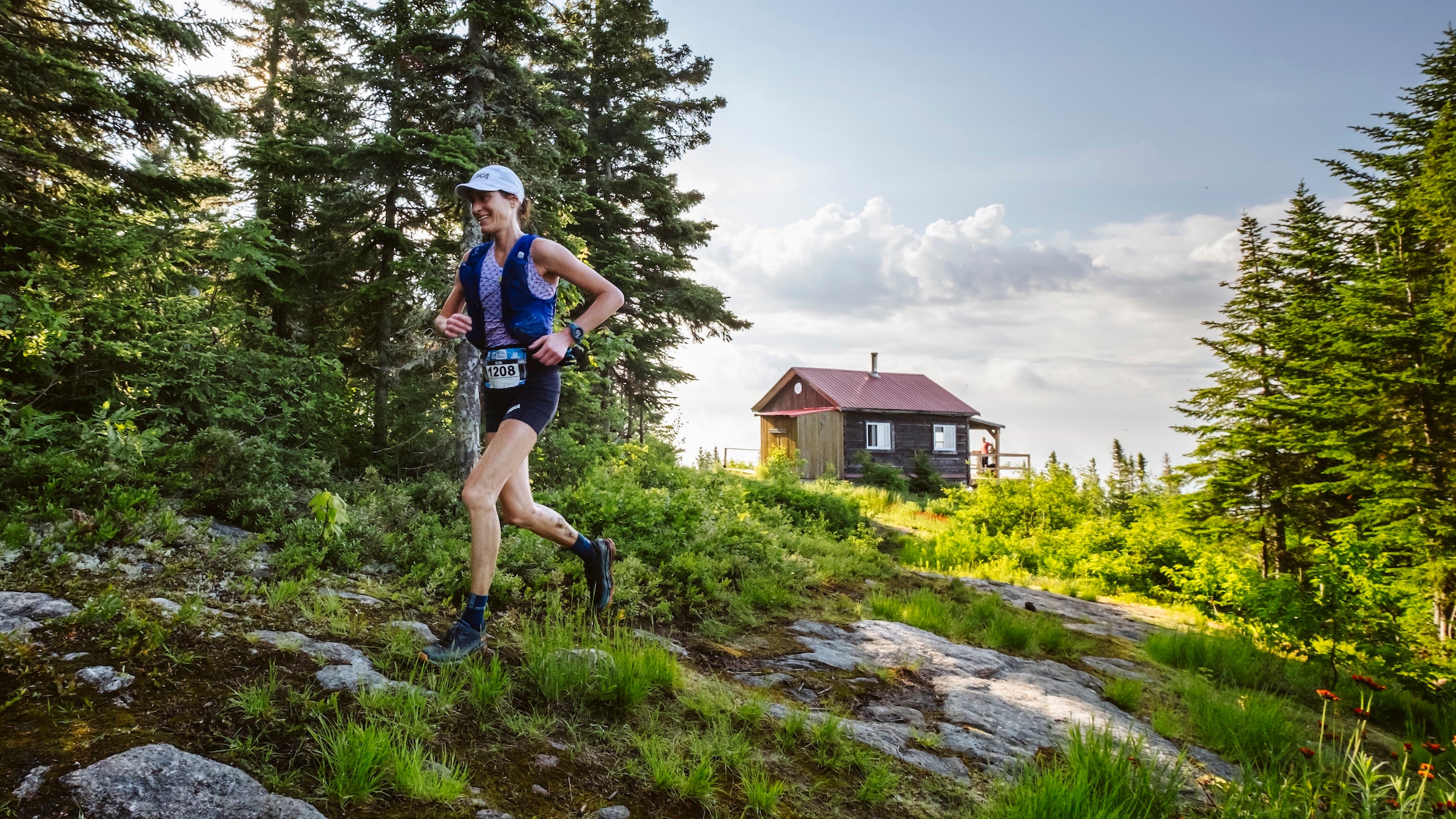
The appeal of trail racing extends beyond the physical exertion. For many, it’s an opportunity to escape the urban environment, connect with nature, and experience landscapes that are often inaccessible through other means. The sense of adventure, the camaraderie among fellow participants, and the personal challenge of navigating diverse and often demanding terrain all contribute to the sport’s growing appeal. Understanding the nuances of trail racing, from its format and common distances to the essential gear and preparation required, is crucial for anyone considering lacing up their trail shoes for the first time.
This exploration delves into the essence of trail racing, aiming to provide a comprehensive overview for both prospective participants and curious observers. We will unpack the fundamental elements that define a trail race, discuss the different types of events available, and touch upon the preparation and mindset necessary to thrive in this dynamic and rewarding discipline.
The Distinctive Landscape of Trail Racing
Trail racing distinguishes itself from road running primarily through its environment. The very essence of the sport is dictated by the natural world, bringing with it a unique set of challenges and rewards. This section will explore the defining characteristics of trail race courses and the elements that make them so captivating.
Course Characteristics and Terrain Diversity
The defining feature of any trail race is its course. Unlike the meticulously paved surfaces of roads, trail courses are as varied as the landscapes they traverse. This inherent diversity means that no two trail races are ever exactly alike, offering a fresh challenge with each event.
Natural Surfaces and Obstacles
Trail race courses are typically composed of natural materials such as dirt, gravel, sand, mud, and even rocky terrain. These surfaces are not engineered for optimal running speed but rather reflect the natural topography. Runners must adapt their stride and technique to contend with variations in grip, stability, and impact. This can include navigating through root systems that crisscross the path, stepping over fallen logs, or carefully picking their way across scree fields. The unpredictable nature of these surfaces demands constant focus and a higher level of proprioception—the body’s awareness of its position in space—than typically required for road running.
Elevation Changes and Technicality
A significant differentiator of trail racing is the prevalence of elevation changes. Courses can range from gently undulating paths to brutally steep mountain ascents and descents. These gradients demand a different physiological approach, requiring strength for climbing and excellent balance and control for descending. The “technicality” of a trail refers to the complexity of the terrain. A highly technical trail might be narrow, winding, filled with rocks and roots, and have significant drops or exposed sections. Conversely, a less technical trail might be wider, smoother, and have more gradual inclines. The combination of elevation and technicality dictates the pace and the skill set required, often leading to slower average speeds compared to road races but offering a far more engaging and adventurous experience.
The Environmental Connection and Sensory Experience
Beyond the physical challenges, trail racing offers a profound connection to the natural environment that is largely absent from urban road races. This immersion in nature is a primary draw for many participants, offering a sensory experience that is both invigorating and restorative.
Immersion in Nature and Scenic Beauty
Trail races often wind through picturesque landscapes, including dense forests, open meadows, alongside rivers, over rolling hills, and up mountain peaks. Participants are treated to views and natural beauty that are rarely accessible from public roads. The sights, sounds, and smells of nature—the rustling of leaves, the chirping of birds, the scent of pine or damp earth—create a rich sensory tapestry that enhances the overall experience. This connection to the natural world can be incredibly grounding and stress-reducing, offering a mental respite from the demands of daily life. The sheer beauty of the surroundings can often motivate runners to push through difficult moments, finding inspiration in the landscape itself.
Shifting Pace and Adaptability
The dynamic nature of trail terrain inherently dictates a shifting pace. Runners cannot maintain a consistent, predictable stride or speed as they might on a road. Instead, they must constantly adapt to the changing gradients, surface conditions, and the presence of obstacles. This requires a keen awareness of the body’s energy reserves and the ability to modulate effort accordingly. A runner might be power-hiking up a steep climb, then settling into a controlled descent, followed by a period of faster running on a flatter section. This dynamic approach to pacing is a hallmark of trail running and requires a different kind of strategic thinking and on-the-fly decision-making compared to the steady-state effort often associated with road racing.
Types of Trail Races and Their Distinguishing Features
The world of trail racing is remarkably diverse, offering a spectrum of events that cater to various levels of experience, endurance, and preference. From short, fast sprints to ultra-endurance challenges spanning multiple days, there’s a trail race for nearly everyone. Understanding these different formats is key to selecting an event that aligns with your goals and capabilities.
Classification by Distance and Duration
The most common way to categorize trail races is by their distance and, consequently, their expected duration. This classification helps participants gauge the level of physical and mental preparation required.
Short-Distance Trail Runs (5k to Half Marathon Equivalents)
Many trail races fall into categories that are familiar to road runners, such as 5k, 10k, and half-marathon distances. However, even at these shorter lengths, the presence of trail terrain introduces unique challenges. A 10k trail race, for instance, will likely feel significantly more demanding and take longer to complete than a road 10k due to elevation changes, technical footing, and the need for constant adaptation. These races are excellent entry points for those new to trail running, allowing them to experience the terrain without committing to extreme distances. They still require appropriate footwear and a mindful approach to pacing and technical sections.
Marathon and Ultra-Marathon Distances
The trail marathon is a significant step up from its road counterpart, often featuring more challenging terrain and substantial elevation gain. While the distance remains 26.2 miles, the actual time on feet can be considerably longer. Beyond the marathon, the world of trail running truly opens up with ultra-marathons. These are races that extend beyond the standard marathon distance, commonly ranging from 50 kilometers (approximately 31 miles) to 50 miles, 100 kilometers, 100 miles, and even further, sometimes spanning multiple days. Ultra-trail races often involve significant elevation gain and loss, remote and challenging terrain, and require a profound level of mental fortitude, strategic fueling, and self-sufficiency. Many ultra-trail events are point-to-point, covering vast distances through mountainous regions or wilderness areas, making them epic adventures as much as races.
Event Formats and Specializations
Beyond simple distance, trail races can also be classified by their format, offering distinct experiences and challenges that appeal to different types of athletes.
Point-to-Point vs. Laps and Loops

Trail races can be structured as point-to-point events, where runners start at one location and finish at another, often covering significant ground and diverse landscapes. This format is common for longer ultra-marathons and allows for an immersive journey through a region. Alternatively, some trail races utilize lap or loop courses. These courses are typically designed to be completed multiple times, allowing organizers to manage aid stations more efficiently and for spectators to witness more of the race action. While loop courses might seem less adventurous than point-to-point, they can still be incredibly challenging, especially if the loop itself is demanding or if races extend for many laps, testing a runner’s consistency and mental resilience over extended periods.
Vertical Kilometer and Skyrunning Events
A specialized and increasingly popular category within trail racing is “vertical kilometer” and “skyrunning.” Vertical kilometer races are precisely what they sound like: races that ascend 1,000 meters of vertical gain over a relatively short distance, often between 3 and 5 kilometers. These are extremely intense, power-hiking and running challenges that test raw uphill power. Skyrunning, a broader discipline, encompasses racing at high altitudes, often on trails and ridges above 2,000 meters, involving technical scrambling and exposure. These events are characterized by their extreme elevation gains and technical difficulty, requiring not only cardiovascular fitness but also excellent mountaineering skills and a high tolerance for challenging conditions.
Essential Gear and Preparation for Trail Racing
Successfully participating in a trail race, regardless of its distance or difficulty, requires more than just a pair of running shoes. The unique demands of off-road terrain necessitate specific gear and a tailored approach to training and preparation. This section outlines the key equipment and strategic planning essential for a positive and safe trail racing experience.
Footwear and Apparel: The Foundation of Trail Performance
The right gear is crucial for comfort, safety, and performance on the trails. Given the unpredictable nature of the terrain, specialized footwear and appropriate apparel play a vital role.
Trail Running Shoes: Grip, Protection, and Support
Trail running shoes are distinct from road running shoes. They are designed with aggressive outsoles featuring deep lugs that provide superior traction on various surfaces like mud, dirt, and rock. The uppers are often more durable, offering protection from trail debris like rocks and roots, and may have reinforced toe caps. Many trail shoes also incorporate rock plates in the midsole to shield the foot from sharp objects underfoot. Cushioning levels can vary, with some shoes prioritizing a more minimalist feel for better ground connection and others offering more plush cushioning for longer distances. The choice of trail shoe depends on the typical terrain of the races you plan to enter and your personal preferences for stability and feel.
Technical Apparel for Variable Conditions
Trail runners need to be prepared for a wide range of weather conditions, as races can take place in sun, rain, wind, and even snow, often within the same event. This calls for a layering approach to apparel. Moisture-wicking base layers are essential to manage sweat and prevent chafing. Mid-layers, such as fleece or insulated jackets, provide warmth, while outer shells—waterproof and windproof jackets—offer protection from the elements. Shorts or tights should be comfortable and allow for freedom of movement. Many trail races, especially longer ones, have mandatory gear lists that might include items like a windbreaker, waterproof pants, a hat, gloves, and a headlamp, even in daylight hours, due to the potential for rapid weather changes in mountainous or remote areas.
Nutrition, Hydration, and Safety Protocols
Beyond clothing and footwear, proper fueling, hydration, and a strong emphasis on safety are paramount for any trail runner. These elements are often more critical on trails than on roads due to longer distances, remote locations, and the increased physiological demands.
Fueling and Hydration Strategies on the Trails
Carrying adequate nutrition and hydration is non-negotiable for trail races. Unlike road races where aid stations are often frequent and well-stocked, trail race aid stations can be spread far apart, especially in ultra-marathons. Runners must learn to carry their own fuel and water, often using hydration vests or packs. This involves selecting energy gels, chews, bars, or real food that is easy to digest and provides sustained energy. Understanding personal hydration needs and utilizing electrolyte supplements to replace salts lost through sweat is also critical to prevent cramping and hyponatremia. Practicing your fueling and hydration strategy during training runs is essential to determine what works best for your body and to build the confidence needed for race day.
Navigation, First Aid, and Emergency Preparedness
Trail races, particularly those in remote or mountainous regions, often require runners to be self-sufficient and prepared for emergencies. Many events will include sections where participants are responsible for their own navigation, especially on less marked trails or in adverse weather conditions. Carrying a map, compass, and GPS device, and knowing how to use them, can be crucial. A basic first-aid kit for addressing minor injuries like blisters, cuts, or scrapes is also a wise inclusion in your race pack. Understanding basic safety protocols, such as knowing how to signal for help, recognizing signs of hypothermia or heatstroke, and being aware of the potential hazards of wildlife or the terrain itself, contributes significantly to a safe and enjoyable trail racing experience. Always inform someone of your race plans and expected finish time.
The Mental Game: Embracing the Challenge of Trail Racing
While physical conditioning is undoubtedly a cornerstone of trail racing, the mental aspect is equally, if not more, critical. The unpredictable nature of the terrain, the extended durations of many events, and the inherent challenges of being in nature demand a strong mental fortitude and a specific mindset. This section explores the psychological elements that contribute to success and fulfillment in trail racing.
Cultivating Resilience and Adaptability
The trail is a dynamic environment, and its challenges are rarely linear. Runners must learn to navigate not only physical obstacles but also mental hurdles.
Overcoming Setbacks and Pushing Through Discomfort
On a trail, things rarely go exactly as planned. A wrong turn, a twisted ankle, unexpected weather, or a significant energy dip can all occur. Trail racing teaches resilience by forcing participants to adapt to these setbacks. Learning to remain calm, assess the situation, and find solutions rather than succumbing to frustration is a vital skill. This involves accepting that discomfort is part of the process and developing the mental toughness to push through challenging moments. This could mean finding a rhythm on a steep climb, managing the fatigue of a long descent, or simply staying motivated when the finish line feels impossibly far away. The ability to stay positive and focused, even when facing adversity, is a hallmark of successful trail runners.
The Power of Positive Self-Talk and Visualization
Effective mental preparation for trail races often involves utilizing positive self-talk and visualization techniques. Positive affirmations can help combat negative thoughts that inevitably arise during long or difficult races. Reminding oneself of training successes, the reasons for participating, and the progress made can be incredibly empowering. Visualization, on the other hand, involves mentally rehearsing the race course, imagining oneself navigating challenging sections with confidence and ease, and picturing crossing the finish line feeling accomplished. This mental rehearsal primes the brain for the physical demands, building confidence and reducing anxiety. By mentally preparing for potential challenges and visualizing successful outcomes, runners can significantly enhance their performance and enjoyment.
Embracing the Journey and Finding Flow
Trail racing is often described as an adventure, and embracing the journey rather than solely focusing on the destination can lead to a more rewarding experience.
Shifting Focus from Outcome to Process
In many trail races, particularly longer ultras, the outcome can be highly variable due to external factors and the sheer duration of the event. Successful trail runners often shift their focus from a rigid outcome (e.g., a specific finishing time) to the process of running. This means concentrating on the present moment: the feel of the trail beneath their feet, the effort they are expending, their breathing, and their hydration and nutrition intake. By focusing on executing each step of the process well, runners can maintain a sense of control and accomplishment, even if the overall race doesn’t unfold exactly as planned. This mindful approach allows for a deeper appreciation of the experience and reduces the pressure associated with external performance metrics.
The “Flow State” and Connection to the Environment
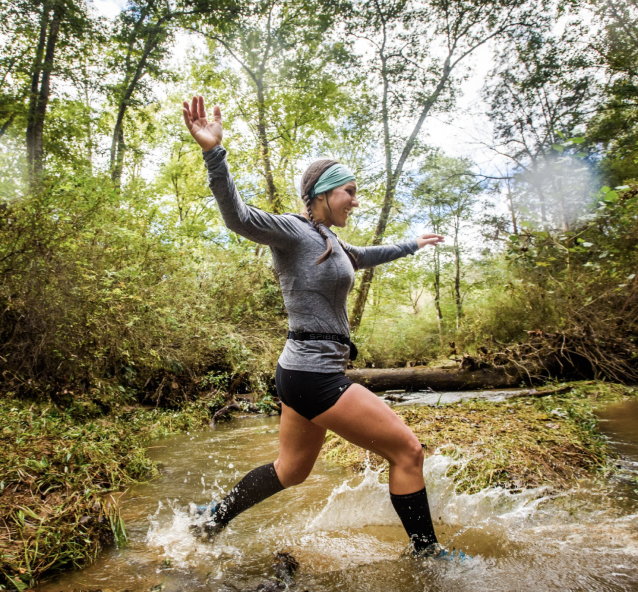
One of the most profound aspects of trail racing for many participants is the experience of achieving a “flow state.” This is a psychological state of optimal experience, characterized by a feeling of energized focus, full involvement, and enjoyment in the process of the activity. In a flow state, self-consciousness disappears, time seems to warp, and the runner feels completely absorbed in the task at hand. This state is often achieved when the challenge of the activity is well-matched to the individual’s skill level, and when they are fully engaged with their surroundings. For trail runners, the combination of demanding physical exertion, the natural environment, and the need for constant focus can create fertile ground for entering this state of flow, leading to a deeply satisfying and almost meditative experience. This connection to the environment, combined with the physical challenge, is what truly sets trail racing apart and cultivates a passionate and enduring community.
aViewFromTheCave is a participant in the Amazon Services LLC Associates Program, an affiliate advertising program designed to provide a means for sites to earn advertising fees by advertising and linking to Amazon.com. Amazon, the Amazon logo, AmazonSupply, and the AmazonSupply logo are trademarks of Amazon.com, Inc. or its affiliates. As an Amazon Associate we earn affiliate commissions from qualifying purchases.