
The traditional paradigm of kitten ownership—characterized by simple plastic bowls, manual scoopers, and rudimentary feather wands—is undergoing a significant technological transformation. As the “Internet of Things” (IoT) expands its reach into every corner of the domestic environment, the feline care sector has emerged as a primary beneficiary of innovation. For the modern pet parent, preparing for a new kitten no longer involves a simple trip to the local pet store; it requires a strategic assessment of hardware, software, and integrated systems designed to optimize feline health, safety, and cognitive development.
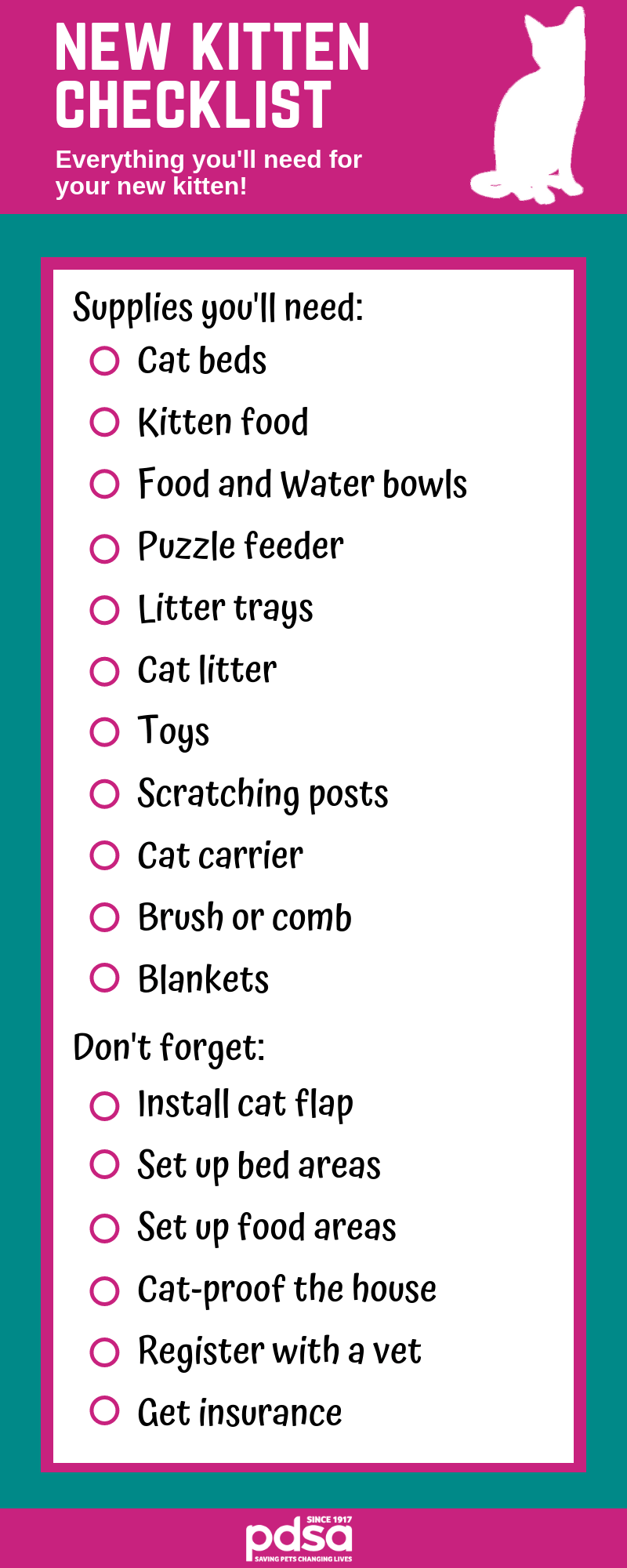
Adopting a kitten in the current era means navigating a sophisticated marketplace of smart devices that leverage artificial intelligence, advanced sensor arrays, and cloud-based data analytics. This guide explores the essential technological infrastructure required to build a high-performance home for your new feline companion, focusing on the gadgets and software ecosystems that define the cutting edge of pet care.
Automating the Fundamentals: Smart Feeding and Hydration Systems
The foundation of kitten health lies in consistent nutrition and proper hydration. While gravity feeders have existed for decades, they lack the precision and data-tracking capabilities required for proactive health management. Modern smart feeders represent a significant leap forward, offering granular control over a kitten’s dietary intake.
AI-Driven Feeding Schedules and Portion Control
A primary challenge for new kitten owners is managing the transition from frequent, small meals to a more structured adult diet. Smart feeders integrated with mobile applications allow owners to program precise feeding schedules down to the gram. Beyond simple automation, high-end models now incorporate facial recognition technology. This is particularly useful in multi-pet households, as the device will only dispense food when it identifies the specific microchip or facial profile of the kitten, preventing food theft and ensuring accurate caloric tracking.
Furthermore, these devices offer “Slow Feed” modes, which dispense kibble in small increments over a set duration. This software-driven approach prevents “scarf and barf” syndrome—a common issue in developing kittens—and mimics natural foraging behaviors, providing a layer of cognitive engagement during mealtime.
Smart Fountains and Water Quality Monitoring
Hydration is a critical factor in preventing feline lower urinary tract diseases (FLUTD). Traditional standing water bowls are often ignored by kittens, who instinctively prefer running water. Modern smart fountains solve this by utilizing multi-stage filtration systems combined with UV-C sterilization lights that eliminate up to 99% of bacteria and viruses in real-time.
The “tech” element extends to sensor integration. Many high-tech fountains now include infrared sensors that activate the flow only when the kitten approaches, conserving energy and extending the life of the pump. More importantly, these devices sync with smartphone apps to provide real-time data on water consumption levels. An abrupt drop in water intake, tracked via the app’s historical data charts, can serve as an early warning sign of illness, allowing for veterinary intervention long before physical symptoms manifest.
Next-Gen Sanitation: The Rise of the Self-Cleaning Litter Box
Perhaps the most significant investment in the modern pet-tech ecosystem is the automated litter box. While the initial capital expenditure is higher than traditional pans, the return on investment in terms of time saved and environmental hygiene is substantial.
Sensor Technology and Odor Control
Modern self-cleaning units utilize a combination of weight sensors, infrared light curtains, and sophisticated algorithms to detect when a kitten has entered and exited the unit. Once the kitten departs, the system initiates a cleaning cycle, separating waste from clean litter and depositing it into a sealed, carbon-filtered compartment.
From a technical perspective, these machines are marvels of domestic robotics. They often include safety features like “Auto-Stop” protocols that freeze all mechanical movement if the infrared sensors detect the kitten re-entering the unit mid-cycle. This ensures safety for curious kittens who may be fascinated by the rotating components.
Data Analytics for Health Monitoring
The true value of a smart litter box lies in its role as a diagnostic tool. By tracking the frequency of visits and the weight of the kitten after each use, the integrated software creates a baseline for normal behavior. AI-powered apps analyze this data to detect anomalies—such as an increased frequency of visits or a sudden change in waste output—which can indicate urinary tract infections or digestive distress. For a new kitten, whose health can fluctuate rapidly, this continuous data stream is an invaluable asset for the proactive owner.
Interactive Tech: Enrichment and Remote Engagement

Kittens require immense amounts of mental and physical stimulation to prevent behavioral issues. In a world where pet owners are often away at work, technology bridges the gap, ensuring that a kitten remains engaged even in an empty house.
AI-Powered Toys and Automated Play
The new generation of kitten toys utilizes complex algorithms to avoid predictability. Traditional motorized toys often follow a repetitive path, leading to feline boredom. In contrast, AI-driven toys use sensors to react to the kitten’s movements. If the kitten pounces, the toy might retreat or change direction; if the kitten loses interest, the toy might “chirp” or vibrate to re-engage the predator instinct.
Some systems even allow for “app-controlled” play, where owners can manually move a laser or a motorized feather from their office via a mobile interface. This creates a haptic connection between the owner and the pet, regardless of physical distance.
High-Definition Pet Cameras with Two-Way Audio
A standard security camera is no longer sufficient for the modern pet parent. Dedicated pet cameras now feature 1080p or 4K resolution with wide-angle lenses and night vision optimized for feline movement. The software behind these cameras is where the innovation truly shines. AI “Smart Alerts” can distinguish between general motion and “kitten activity,” such as meowing, jumping on counters, or zoomed-out “zoomies.”
Advanced models also include two-way audio and treat dispensers. If the camera’s AI detects the kitten is distressed or scratching furniture, the owner receives a push notification and can intervene via the built-in speaker. The ability to toss a treat remotely adds a layer of positive reinforcement training that was previously impossible during work hours.
Wearables and Health Tracking: The Internet of Things (IoT) for Felines
The wearable tech market, once dominated by human fitness trackers, has expanded into the feline space. For a new kitten, a smart collar or wearable tag can be the most critical piece of hardware in the home.
GPS and Activity Trackers
While many kittens are kept indoors, the risk of accidental escape is always present. Lightweight GPS trackers that utilize a combination of cellular, Wi-Fi, and Bluetooth technology provide real-time location tracking with incredible accuracy. These devices allow owners to set up “Geofences”—digital boundaries around the home. If the kitten crosses the threshold, the owner’s phone immediately triggers an alarm.
Beyond location, these wearables track activity levels, sleep quality, and even scratching or licking frequency. This data is aggregated into a health dashboard, providing a holistic view of the kitten’s wellbeing. For example, if the software detects a 30% decrease in overall activity over a 48-hour period, it may suggest a veterinary consultation.
Integrated Health Apps and Telemedicine
The hardware is only half of the story; the software ecosystem is the other. Many pet-tech brands now offer integrated platforms that store medical records, vaccination schedules, and biometric data. These apps often feature “Telehealth” portals, allowing owners to share the data collected by their smart devices directly with a licensed veterinarian via video call. This seamless integration of data and professional consultation represents the future of feline healthcare, reducing the stress of unnecessary clinic visits for a young kitten.
Safety and Infrastructure: Smart Entry and Environment Management
Finally, the physical environment of the home can be optimized through smart infrastructure. This ensures that the kitten remains safe while allowing for the gradual expansion of their territory.
Microchip-Enabled Pet Doors
For owners who want to grant their kitten access to specific rooms (like a laundry room containing the litter box) while keeping other pets or children out, microchip-enabled doors are the solution. These doors use Radio Frequency Identification (RFID) to scan the kitten’s existing vet-implanted microchip or a dedicated collar tag. The door only unlocks for authorized “users,” providing a secure and automated way to manage territory within the home.
Climate Control and Air Purification
Kittens are more sensitive to environmental fluctuations than adult cats. Integrating pet-specific sensors into a smart home system (like Google Home or Amazon Alexa) allows for automated climate control. If a room’s temperature exceeds a certain threshold, the smart thermostat can trigger the HVAC system or a smart fan to ensure the kitten remains comfortable.
Additionally, high-performance air purifiers with HEPA filters and “Pet Mode” are essential. These devices use laser sensors to detect dander and airborne particulates, automatically ramping up fan speeds to maintain air quality. This tech is as much for the kitten’s respiratory health as it is for the owner’s comfort, particularly in smaller living spaces.
In conclusion, the “starter kit” for a new kitten has evolved into a sophisticated array of interconnected hardware and software. By investing in smart feeding, automated sanitation, AI-driven enrichment, and wearable health trackers, pet parents can provide a level of care that is both proactive and data-driven. This technological approach not only simplifies the logistical challenges of kitten ownership but also fosters a deeper understanding of the animal’s health and happiness in the digital age.
aViewFromTheCave is a participant in the Amazon Services LLC Associates Program, an affiliate advertising program designed to provide a means for sites to earn advertising fees by advertising and linking to Amazon.com. Amazon, the Amazon logo, AmazonSupply, and the AmazonSupply logo are trademarks of Amazon.com, Inc. or its affiliates. As an Amazon Associate we earn affiliate commissions from qualifying purchases.