
Understanding how insurance premiums are calculated is a fundamental aspect of sound personal finance. For many, insurance is a non-negotiable expense, a financial safety net protecting assets, health, and loved ones from unforeseen circumstances. Yet, the process behind arriving at that monthly or annual figure often remains a mystery. This opacity can lead to confusion, frustration, and even overpaying. Demystifying premium calculation not only empowers you to make informed decisions but also enables you to potentially optimize your coverage and costs.
An insurance premium is essentially the amount of money an individual or business pays to an insurance company for coverage. In return, the insurer provides financial protection against specific risks as outlined in the policy. But what factors contribute to this figure, and how do insurers determine what constitutes a fair price for your risk? This article delves into the intricate world of insurance premium calculation, offering insights into the underlying principles, key influencing factors, and actionable strategies for navigating this complex financial landscape.

Understanding the Core Components of Insurance Premiums
At its heart, an insurance premium is a reflection of the risk an insurer undertakes by providing coverage. However, it’s far more nuanced than a simple risk assessment; it involves a sophisticated blend of statistical analysis, historical data, and business operational costs.
The Concept of Risk Assessment
Insurers are fundamentally in the business of risk management. Before issuing a policy, they meticulously evaluate the likelihood of a claim occurring and the potential financial impact of such an event. This evaluation is known as risk assessment. Actuarial science plays a pivotal role here, employing statistical models, probability theories, and financial mathematics to quantify risk. For instance, a life insurer assesses the mortality risk of an applicant, while an auto insurer gauges the probability of a car accident. The higher the perceived risk, the higher the premium charged, as the insurer faces a greater chance of paying out a claim.
Loss Experience and Historical Data
Insurance companies don’t operate in a vacuum. Their premium calculations are heavily influenced by extensive historical data, both internal and industry-wide. This “loss experience” includes past claims frequency, severity, and patterns. If a particular demographic group, geographical area, or type of asset has historically resulted in more frequent or expensive claims, future premiums for similar risks will reflect this. This pooling of risks allows insurers to spread the financial burden across a large number of policyholders, ensuring that funds are available when claims arise. Catastrophic events, such as hurricanes or pandemics, can significantly impact industry-wide loss experience, leading to broader premium adjustments in subsequent years.
Operating Costs and Profit Margins
Beyond covering potential claims, premiums must also account for the insurer’s operational expenses and a reasonable profit margin. These operating costs include a wide array of expenditures:
- Administrative Expenses: Salaries for staff (underwriters, claims adjusters, customer service), office rent, utilities, technology infrastructure.
- Marketing and Sales: Advertising, commissions for agents and brokers.
- Regulatory Compliance: Costs associated with meeting strict industry regulations and maintaining licenses.
- Reinsurance: Many insurers transfer a portion of their risk to other insurance companies (reinsurers) to protect themselves from unusually large losses. The cost of this reinsurance is passed on to policyholders.
Finally, like any business, insurance companies aim to generate a profit for their shareholders or members. This profit margin is factored into the premium to ensure the company’s financial stability and ability to continue providing services.
Key Factors Influencing Premium Calculation
While the core components lay the groundwork, specific individual and policy-related factors play a crucial role in tailoring the premium to your unique situation. These elements vary significantly depending on the type of insurance but generally fall into several broad categories.
Demographics and Personal Profile
For most personal lines of insurance, your personal details are paramount.
- Age: Younger drivers typically pay more for auto insurance, while older individuals may face higher life or health insurance premiums.
- Gender: In some regions and for certain types of insurance (where legally permissible), gender can be a factor due to historical risk data.
- Location: Urban areas might have higher auto or home insurance premiums due to increased traffic congestion, crime rates, or natural disaster risks.
- Health and Lifestyle: For life and health insurance, factors like medical history, existing conditions, smoking status, and occupation significantly impact premiums. A physically demanding or hazardous job might lead to higher life or disability insurance costs.
- Driving Record: For auto insurance, past accidents, traffic violations, and claims history are critical determinants. A clean record often translates to lower premiums.
- Credit Score: In many U.S. states, insurers use an “insurance score” (derived from credit report data) as a predictor of claim likelihood, with higher scores often leading to lower premiums.
Insured Item/Asset Characteristics
The specifics of what you’re insuring are naturally a major factor.
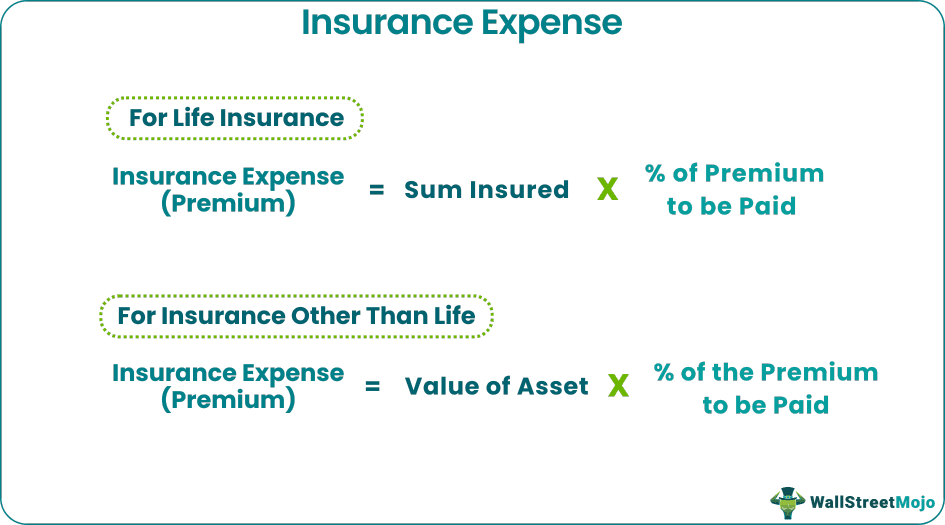
- Value of the Asset: A more expensive car or a larger, more valuable home will generally incur higher premiums for auto or home insurance, respectively, simply because the potential payout in case of a total loss is greater. For life insurance, the “face value” or death benefit directly correlates with the premium.
- Type and Features: Certain car models are statistically more prone to theft or expensive repairs, influencing auto premiums. For homes, construction type (e.g., brick vs. wood), age, and specific features like swimming pools can affect home insurance costs.
- Security Measures: Installing security systems, deadbolts, fire alarms, or anti-theft devices can often lead to discounts on home or auto insurance, as they reduce the risk of a claim.
Policy Specifics and Coverage Choices
The choices you make when structuring your policy have a direct and substantial impact on your premium.
- Deductibles: This is the amount you agree to pay out-of-pocket before your insurance coverage kicks in. Opting for a higher deductible typically results in a lower premium, as you are taking on more of the initial risk.
- Coverage Limits: These are the maximum amounts the insurer will pay for a covered loss. Higher coverage limits (e.g., more liability coverage or a larger death benefit) will increase your premium.
- Add-ons, Riders, and Endorsements: Additional features like rental car reimbursement (auto), extended warranty for valuables (home), or critical illness riders (life) enhance coverage but also add to the premium.
- Policy Term: Some policies offer discounts for longer terms (e.g., paying annually instead of monthly).
External Economic and Market Factors
Beyond individual specifics, broader economic and market conditions also play a role.
- Inflation: As the cost of repairs, medical care, and rebuilding homes increases due to inflation, insurers must adjust premiums to maintain their ability to cover future claims.
- Interest Rates: Insurers invest the premiums they collect. Higher interest rates can boost investment income, potentially allowing for lower premium increases, while lower rates can have the opposite effect.
- Regulatory Changes: Government regulations can mandate certain coverage types or influence how premiums are calculated, affecting overall costs.
- Competition: A competitive insurance market can drive down premiums as companies vie for customers. Conversely, a less competitive market might see higher prices.
The Calculation Process: From Actuary to Policyholder
The journey from raw data to your final insurance premium involves several sophisticated steps and specialized roles within an insurance company.
Actuarial Science in Action
The process typically begins with actuaries. These highly skilled professionals use statistical analysis and financial theory to analyze vast datasets, identify risk patterns, and develop pricing models. They create “rating factors” and “rate tables” which are essentially sophisticated algorithms that quantify how different variables (age, location, driving record, etc.) impact the likelihood and cost of a claim. For example, an actuary might determine that drivers aged 18-25 are X times more likely to get into an accident than drivers aged 30-45, translating this into a specific premium loading. This is how insurers create different risk groups and ensure that each group contributes an appropriate amount to the overall pool of funds needed to cover claims.
Underwriting: The Individual Assessment
Once the actuarial models set the general rates, the underwriting process applies these rates to individual applicants. Underwriters are responsible for reviewing each application, assessing the specific risk presented by the applicant, and deciding whether to offer coverage and at what premium. They consider all the factors discussed above, sometimes requiring further information like medical exams for life insurance, property inspections for home insurance, or driving record checks for auto insurance. The underwriter’s goal is to ensure that the premium charged accurately reflects the individual risk, preventing adverse selection (where only high-risk individuals seek coverage at a price designed for average risks).
The Premium Formula (Simplified)
While no single, universal formula exists that is publicly disclosed by insurers, the underlying principle can be simplified. Conceptually, a premium is derived from:
(Expected Claims Cost + Operating Expenses + Profit Margin) / Number of Policyholders in a Risk Group
More precisely, for an individual policy, it involves applying various rating factors:
Base Rate × (Risk Factor 1 + Risk Factor 2 + … ) + Policy Fees + Taxes
Each “Risk Factor” adjusts the base rate up or down based on your specific profile (e.g., clean driving record might be a multiplier of 0.95, while a high-risk occupation might be 1.20). The complexity lies in the hundreds of these factors and their interplay, which are all meticulously designed by actuaries and applied by underwriters.
Strategies to Potentially Reduce Your Insurance Premiums
Understanding the calculation process empowers you to take proactive steps to manage and potentially reduce your insurance costs. These strategies revolve around either lowering your perceived risk or optimizing your policy choices within the “Money” category of personal finance.
Optimizing Your Coverage Choices
- Adjust Deductibles: If you have a healthy emergency fund, consider increasing your deductible. This reduces the insurer’s potential payout for smaller claims, often leading to a noticeable decrease in your premium.
- Re-evaluate Coverage Limits: Ensure your coverage limits align with your current needs. For instance, if your car is older and less valuable, you might not need comprehensive coverage or could lower your collision limits. For life insurance, periodically review your coverage amount based on dependents, debts, and financial goals.
- Remove Unnecessary Riders: Periodically review your policy for any add-ons or riders that you no longer need or that might be redundant with other coverages you possess.
- Bundle Policies: Many insurers offer significant discounts when you purchase multiple policies from them (e.g., auto and home insurance, or home and life insurance).
Improving Your Risk Profile
- Maintain a Good Driving Record: Avoid accidents and traffic violations to keep your auto insurance premiums low.
- Improve Health: For life and health insurance, maintaining a healthy lifestyle, quitting smoking, and managing pre-existing conditions can positively impact your risk profile over time.
- Enhance Security: Installing approved security systems, smoke detectors, and carbon monoxide detectors in your home can often qualify you for discounts on home insurance. For auto, anti-theft devices are beneficial.
- Safety Courses: Completing defensive driving courses can sometimes earn you a discount on auto insurance.
Leveraging Comparison and Competition
- Shop Around: Never settle for the first quote you receive. Obtain quotes from multiple insurance providers (at least 3-5) for the same level of coverage. Premiums can vary significantly between companies even for identical policies due to different underwriting guidelines, risk appetites, and operational costs.
- Utilize Brokers and Comparison Websites: Independent insurance brokers work with multiple insurers and can shop around on your behalf, often finding you the best deals. Online comparison websites offer a quick way to get multiple quotes simultaneously, streamlining the financial tool aspect of finding insurance.
- Regularly Review Policies: Your life circumstances change (new car, home renovations, marriage, children). Your insurance needs and eligibility for discounts change too. Review your policies annually with your agent or broker to ensure you’re getting the best rates and appropriate coverage.
The Digital Evolution of Premium Calculation
The advent of technology has dramatically transformed how individuals interact with insurance, making the premium calculation process more accessible and, in some cases, more personalized.
Online Calculators and Aggregators
The internet has democratized access to insurance quotes. Online calculators and aggregators allow consumers to input their personal details and desired coverage, quickly generating multiple premium estimates. While these tools leverage the same core actuarial principles, they simplify the user experience, making it easier for individuals to compare prices and understand the financial implications of different coverage choices without direct interaction with an agent. This efficiency is a significant financial tool for consumers seeking to manage their budgets.
Telematics and Usage-Based Insurance
A notable innovation in auto insurance is telematics. This technology involves installing a device in your car (or using a smartphone app) that monitors your driving behavior – speed, braking habits, mileage, time of day driven, etc. This “usage-based insurance” (UBI) allows insurers to offer premiums that are more directly tailored to your actual risk profile based on real-time data, rather than relying solely on historical averages for your demographic. Good drivers can potentially see significant savings, making it a powerful financial incentive for safe driving.

Conclusion
The calculation of an insurance premium is a sophisticated process, blending actuarial science, historical data, and a myriad of personal and external factors. It is far more than an arbitrary figure; it’s a carefully determined amount designed to cover potential claims, operational costs, and ensure the insurer’s long-term viability. By understanding the core components – risk assessment, loss experience, and operational costs – and recognizing the key influencers, policyholders can move from passive acceptance to active participation in managing their insurance expenses.
Empowering yourself with this knowledge is a critical step in effective personal financial management. Whether by optimizing deductibles, improving your risk profile, or diligently comparing quotes, you can exert considerable influence over your insurance premiums. In an evolving financial landscape, where digital tools and personalized pricing models are becoming more prevalent, staying informed about how your premiums are calculated is more vital than ever, allowing you to secure the necessary protection without overspending.
aViewFromTheCave is a participant in the Amazon Services LLC Associates Program, an affiliate advertising program designed to provide a means for sites to earn advertising fees by advertising and linking to Amazon.com. Amazon, the Amazon logo, AmazonSupply, and the AmazonSupply logo are trademarks of Amazon.com, Inc. or its affiliates. As an Amazon Associate we earn affiliate commissions from qualifying purchases.