
Sonic Drive-In occupies a unique position in the American fast-food landscape. It is not merely a restaurant; it is a brand study in nostalgic convenience, localized operational agility, and the strategic mastery of product bundling. From a brand strategy perspective, Sonic serves as a masterclass in how a company can monetize cultural sentimentality while maintaining a high-volume, multi-touchpoint business model. Understanding what to order at Sonic requires peeling back the layers of their menu design, which is calibrated to maximize average order value (AOV) and customer frequency through a sophisticated blend of experiential marketing and menu architecture.
The Brand Strategy of Experience: Why Context Matters
Sonic’s brand identity is built on the pillars of “Service with Speed” and the “Drive-In Experience.” Unlike traditional quick-service restaurants (QSRs) that rely on dine-in traffic or drive-thru efficiency, Sonic’s carhop model transforms the vehicle into a temporary private dining space. When evaluating what to order, one must recognize that the menu is designed to facilitate this specific environment.
Leveraging Scarcity and Seasonal Campaigns
Sonic’s marketing engine is predicated on “limited-time offers” (LTOs) that create a cycle of brand re-engagement. Their strategy relies on the “Flavor FOMO” (Fear Of Missing Out) effect. By rotating specialized milkshakes, limited-run flavor infusions for their limeades, and seasonal snack items, Sonic ensures that the customer base feels compelled to return frequently. A strategic consumer learns to prioritize these LTO items because they serve as the flagship testing grounds for the brand’s innovative product development team.
The Power of the “Happy Hour” Archetype
The brand’s most successful tactical deployment remains its Happy Hour strategy. By creating a daily habit loop through discounted drinks and slushes, Sonic has successfully habituated consumers into visiting during non-peak hours. This is not just a discount; it is a customer acquisition funnel. The drink-centric marketing creates a low barrier to entry, allowing the brand to upsell food items once the customer is on the premises. If you are looking to maximize the Sonic experience, the beverage menu—specifically the customizable slushes and limeades—is the bedrock of the brand’s identity.
Menu Architecture: How Sonic Engineers Your Order
From a corporate identity and product positioning standpoint, Sonic’s menu is a study in modularity. The vast majority of their menu is built from a core set of base ingredients that are shuffled into various configurations. This is a highly efficient operational strategy that reduces waste and increases order accuracy.
The Customization Advantage
Sonic prides itself on the claim of “billions of flavor combinations.” This is a core part of their marketing—the ability for a consumer to personalize their order. When you order a limeade or a milkshake, you aren’t just selecting a product; you are engaging with a modular design system. Brand enthusiasts recognize that the “secret” to the menu is leveraging these combinations. Whether it is adding real fruit to a drink or requesting a specific combination of toppings on a burger, the brand encourages the consumer to act as the “designer” of their meal. This increases perceived value and emotional investment in the brand.
The “Sizable” Snack Strategy
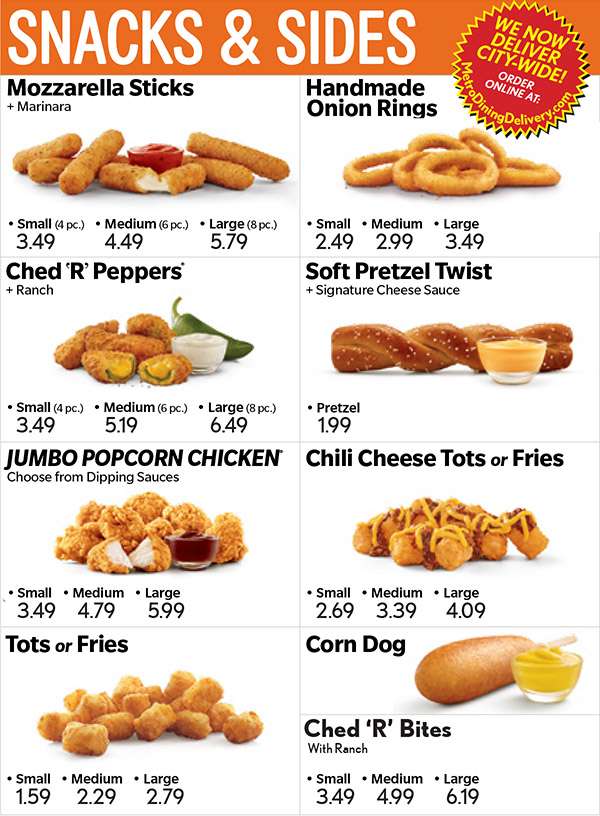
Sonic’s approach to snacking is fundamentally different from that of its competitors. Where most fast-food chains focus on the “Value Menu” as a secondary thought, Sonic elevates its snack game to a primary category. Items like the Corn Dog, Tots, and Mozzarella Sticks are brand icons. They are designed to be consumed in a car environment—finger foods that require minimal cleanup and maximize convenience. Strategically, these items are high-margin, easy-to-prep products that anchor the brand’s reputation as the leader in “Drive-In Comfort Food.”
Operational Excellence and Brand Consistency
The consistency of the Sonic brand, despite its wide range of franchise-owned locations, is a testament to strong corporate governance. When you order a Sonic Burger or a Blast, the expectation of quality remains static. This is the hallmark of a successful franchise model.
The Evolution of the “Sonic Blast”
The Sonic Blast is perhaps the most significant product in the company’s history regarding brand perception. By partnering with major confectionery brands (like Oreo or Reese’s), Sonic effectively “rents” the brand equity of these companies to bolster its own. This is a brilliant cross-branding strategy. When deciding what to order, you are not just getting a dessert; you are consuming a co-branded partnership that validates the quality of the ingredients through the reputation of the partner brand.
The Breakfast-All-Day Strategy
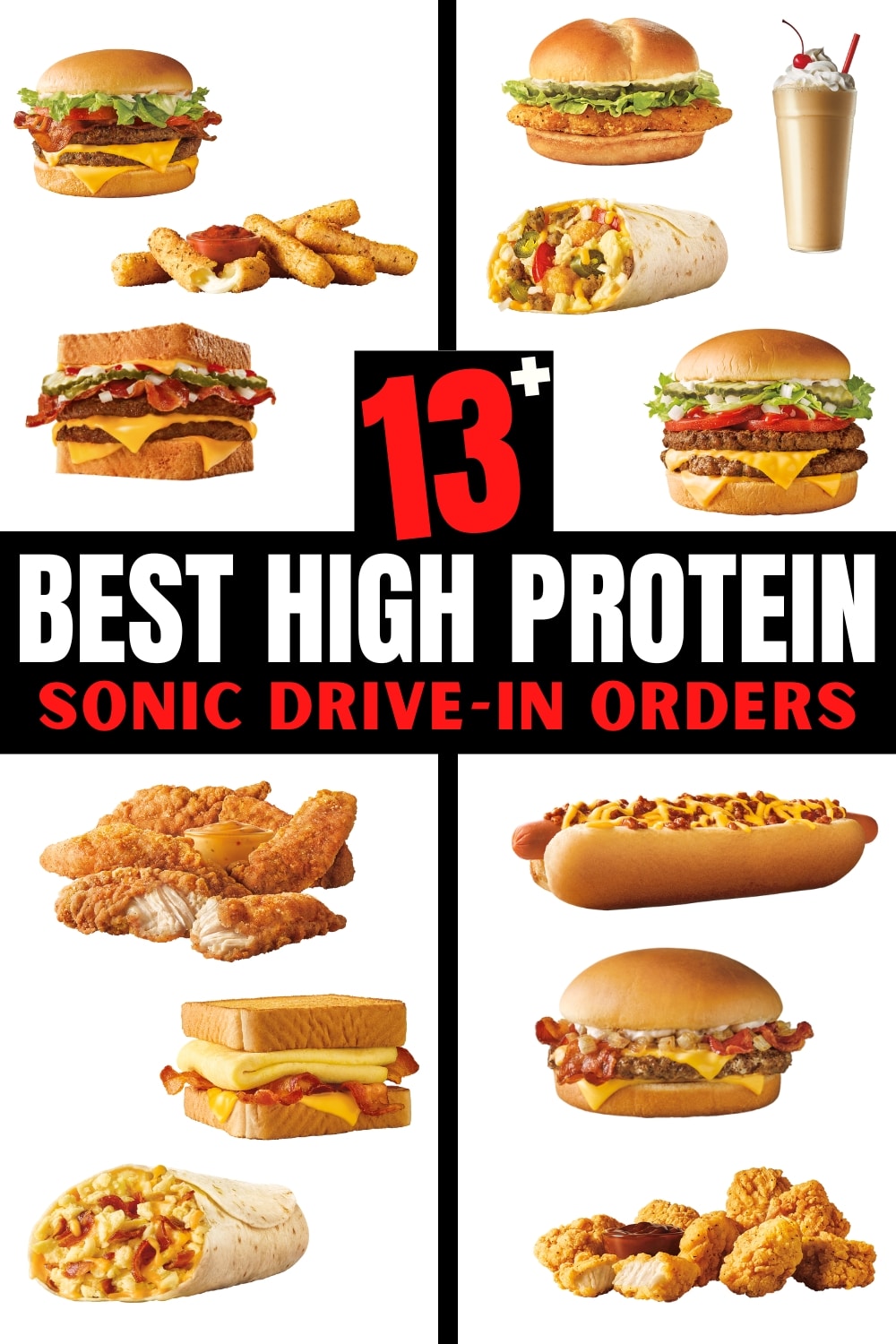
Sonic’s decision to maintain an all-day breakfast menu is a strategic play against the “time-gated” menus of competitors. By removing the time barrier, they increase the total addressable market for their breakfast items. This speaks to a brand strategy that prioritizes consumer convenience above all else. For the frequent customer, the breakfast toaster is the ultimate efficiency tool—a protein-heavy, portable meal that fits the lifestyle of the modern mobile consumer.
The Future of the Drive-In Brand
As the QSR industry shifts toward digital-first interactions, Sonic is undergoing a transformation in how it interacts with its audience. Their mobile app is now a critical component of their corporate strategy, serving as a data collection tool and a loyalty engine.
Loyalty Through Digital Integration
The Sonic mobile app is the primary vehicle for the brand’s future growth. By shifting consumers from casual drive-in guests to logged-in digital users, Sonic can now provide personalized offers, track purchasing behaviors, and incentivize higher-frequency visits. If you are looking to get the best value, the app is now a mandatory component of the ordering process. The days of simply pulling into a stall and ordering are evolving into a “pre-order and pick-up” model that improves kitchen throughput and optimizes labor costs.
Sustainability and Modernization
Brand strategy in the 21st century requires a nod toward environmental and social governance (ESG). Sonic’s transition toward more efficient kitchen equipment and modernizing the physical “drive-in” aesthetic reflects a broader effort to keep the brand relevant in an age of hyper-modern, tech-centric competition. The future of Sonic is not just in the food, but in the interface—how easily and quickly you can move from desire to consumption.
Conclusion: Strategic Consumption
Ultimately, what you order at Sonic should be a reflection of how you engage with the brand’s design. If you prioritize the quintessential “Drive-In” experience, the combination of a signature Limeade paired with an iconic snack item like their Tots represents the purest form of the brand’s value proposition. If you are looking for efficiency and value, utilizing the mobile app to navigate the rotating LTOs and co-branded Blasts is the most sophisticated way to experience the menu.
Sonic succeeds because it understands its brand position: it is the bridge between the mid-century nostalgia of the American car culture and the high-tech demands of the modern, mobile-first consumer. By viewing the menu as a series of modular options and leveraging the brand’s partnership-heavy marketing, the savvy consumer can navigate Sonic not just as a place to eat, but as a carefully curated brand ecosystem designed to optimize every interaction, one drive-in stall at a time.
aViewFromTheCave is a participant in the Amazon Services LLC Associates Program, an affiliate advertising program designed to provide a means for sites to earn advertising fees by advertising and linking to Amazon.com. Amazon, the Amazon logo, AmazonSupply, and the AmazonSupply logo are trademarks of Amazon.com, Inc. or its affiliates. As an Amazon Associate we earn affiliate commissions from qualifying purchases.