
The nine-digit Social Security Number (SSN) is the foundational cornerstone of the American financial identity. It is the master key that unlocks credit markets, facilitates employment, manages tax obligations, and secures retirement benefits. When this number is lost or stolen, it is not merely a matter of administrative inconvenience; it is a critical vulnerability that exposes your entire financial life to bad actors. In an era where data breaches are frequent and identity theft is a sophisticated industry, knowing exactly how to respond to the loss of an SSN is essential for preserving your creditworthiness and long-term financial stability.
Immediate Containment: Securing Your Credit and Financial Accounts
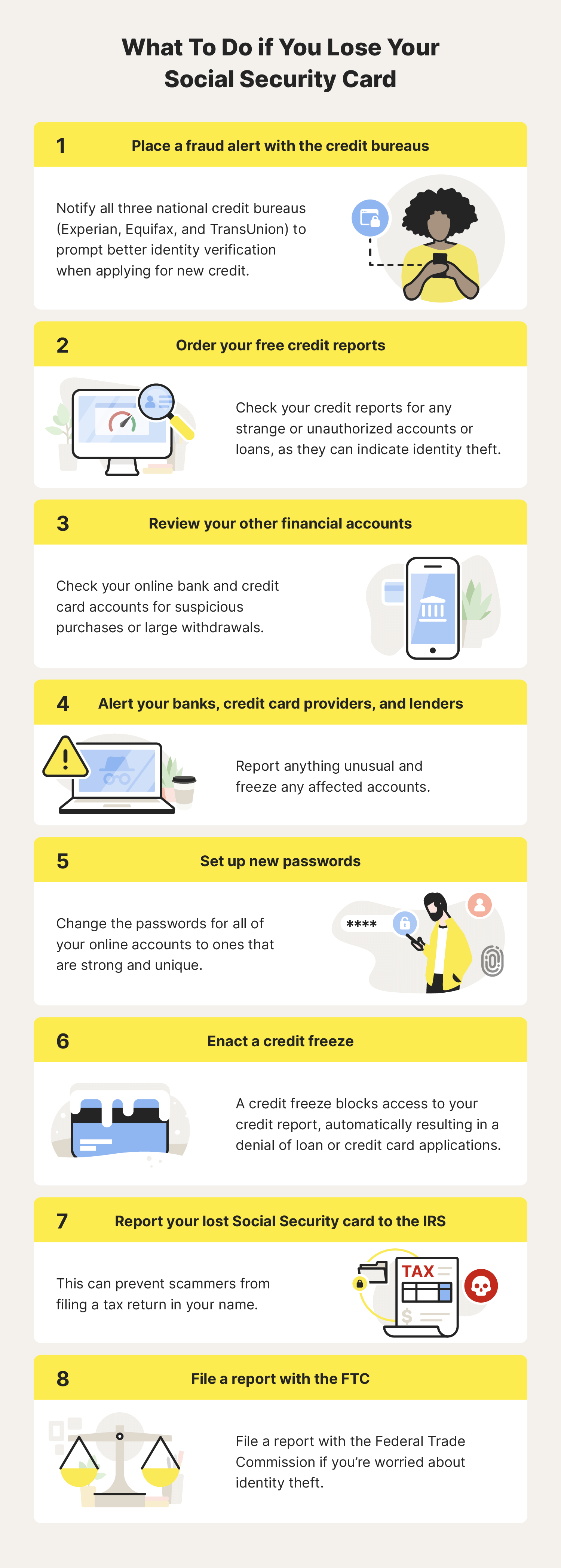
The moment you realize your Social Security card is missing or your number has been compromised, your primary objective is containment. Because an SSN is the primary identifier used by lenders to verify identity, a thief can use it to open new lines of credit, take out personal loans, or even secure a mortgage in your name.
The Power of the Credit Freeze
The most effective tool at your disposal is a credit freeze, also known as a security freeze. You must contact each of the three major credit bureaus—Equifax, Experian, and TransUnion—to request this. A credit freeze restricts access to your credit report, which means that most lenders will not be able to pull your file. Since most financial institutions will not approve a new credit application without reviewing a credit report, this effectively prevents identity thieves from opening new accounts in your name.
Under federal law, freezing and unfreezing your credit is free. It does not affect your credit score, nor does it prevent you from using your existing credit cards. However, you must remember to “thaw” or lift the freeze temporarily if you plan to apply for a loan, a new apartment, or a job that requires a background check.
Fraud Alerts vs. Credit Locks
If you are hesitant to implement a full freeze, a fraud alert is a secondary option. A fraud alert requires creditors to take extra steps to verify your identity before issuing credit. This typically involves the lender calling you at a pre-designated phone number to confirm the application is legitimate. Initial fraud alerts last for one year and are also free.
Some bureaus offer “credit locks” through their proprietary apps. While similar to a freeze, locks are often part of a paid subscription service. For the highest level of financial protection, the federally mandated credit freeze remains the gold standard.
Noticing Your Banking Institutions
While an SSN is primarily used for new accounts, it can also be used by sophisticated criminals to “social engineer” their way into your existing bank accounts. Contact your primary financial institutions to add an extra layer of security, such as a verbal password or multi-factor authentication that does not rely solely on your SSN or personal details like your mother’s maiden name.
Engaging the Regulatory Shield: IRS and SSA Protocols
Losing your SSN carries implications beyond just consumer credit. It also impacts your standing with the federal government, specifically regarding your tax liabilities and your future social security benefits.
Securing Your Tax Identity with the IRS
One of the most lucrative forms of identity theft is tax refund fraud. A criminal can use your SSN to file a fraudulent tax return early in the tax season and claim a large refund in your name. To prevent this, you should contact the Internal Revenue Service (IRS).
The IRS offers an Identity Protection PIN (IP PIN) to victims of identity theft or those who suspect their data is compromised. An IP PIN is a six-digit number assigned to eligible taxpayers that helps prevent the misuse of their Social Security number on fraudulent federal income tax returns. Once you opt into this program, the IRS will not accept a tax return filed with your SSN unless it also includes the correct IP PIN.
Reporting to the Social Security Administration
You should notify the Social Security Administration (SSA) if your card is lost or stolen. While the SSA does not typically track the fraudulent use of an SSN (that is the role of the FTC and credit bureaus), they are responsible for issuing replacement cards.
It is important to create or monitor your “my Social Security” account online. This allows you to review your annual earnings statement. If you notice earnings listed that you did not generate, it is a clear sign that someone else is using your SSN for employment purposes. This can lead to significant tax complications if the IRS believes you have unreported income.
Filing a Report with the Federal Trade Commission (FTC)
IdentityTheft.gov is the federal government’s one-stop resource for identity theft victims. Filing an official report with the FTC is a vital step. This report serves as a legal document that proves you have taken the necessary steps to report the loss. This “Identity Theft Report” is often required by creditors and debt collectors to clear your name of fraudulent charges or accounts. The FTC will also provide you with a personalized recovery plan, including pre-filled letters to send to creditors.

Strategic Monitoring: Guarding Your Financial Future
Recovery from a lost SSN is not a sprint; it is a marathon. Because Social Security numbers cannot be easily changed, the risk of identity theft remains indefinitely. Constant vigilance is required to ensure that your financial health remains intact over the long term.
Establishing a Routine for Credit Report Audits
Even with a credit freeze in place, you should regularly audit your credit reports. You are entitled to a free credit report from each of the three bureaus every year via AnnualCreditReport.com. In recent years, this has been expanded to allow for weekly reports.
When reviewing these documents, look for any unfamiliar addresses, misspelled names, or inquiries from lenders you didn’t contact. Even a “soft pull” from a collection agency could be a sign that a fraudulent account has gone into default.
Utilizing Identity Theft Protection Services
For many high-net-worth individuals or those with complex financial lives, a professional identity theft protection service is a worthwhile investment. These services offer proactive monitoring of the “dark web” to see if your SSN is being traded in underground marketplaces. They also monitor public records, such as court filings and payday loan databases, which are not always covered by standard credit reports. Many of these services provide insurance policies that cover the costs associated with restoring your identity, such as legal fees and lost wages.
Monitoring the Social Security Statement
Beyond taxes and credit, your SSN is the ledger for your future retirement wealth. Every dollar you earn is tracked by the SSA to determine your future monthly benefits. If an identity thief uses your SSN to work, it can complicate your benefit calculations or lead to the IRS demanding taxes on income you never received. Check your Social Security statement at least once a year to verify that your reported earnings are accurate.
The Path to Remediation: Replacing Your Documentation
While the number itself remains the same, you will likely need a physical replacement card for various financial and legal transactions, such as starting a new job or applying for certain government benefits.
Applying for a Replacement Social Security Card
The SSA allows you to apply for a replacement card for free. You will need to provide original documents (or copies certified by the issuing agency) to prove your identity, such as a U.S. driver’s license, state-issued non-driver identity card, or U.S. passport. In many states, if you are a U.S. citizen and not changing your name, you can request a replacement card through your online “my Social Security” account. Be aware that there are limits: you can receive up to three replacement cards in a year and ten during your lifetime, though exceptions are made for legal name changes or other specific circumstances.
Can You Get a Brand New Number?
A common question is whether you can simply get a brand new Social Security number to start fresh. The answer is generally “no,” unless you can prove that you are being harassed, abused, or are in physical danger, or if you can demonstrate that the misuse of your current number is causing you ongoing, significant harm despite your efforts to resolve the issues. Changing your SSN is a massive undertaking that can actually create new financial hurdles, as your old credit history will not automatically link to your new number, effectively making you a “credit ghost.”
Proactive Financial Defense for the Future
The loss of an SSN is often a wake-up call regarding personal financial security. Once you have navigated the immediate crisis, it is imperative to implement better habits to protect your sensitive data moving forward.
Digital Hygiene for Sensitive Data
In the modern financial landscape, your SSN is often stored in various digital vaults—employer portals, tax software, and banking apps. Use a dedicated password manager to ensure that every account has a complex, unique password. Enable hardware-based two-factor authentication (such as a YubiKey) where possible. Furthermore, be wary of “vishing” (voice phishing) and “smishing” (SMS phishing) attacks where scammers pose as bank representatives or government officials to trick you into revealing your SSN.

Physical Storage Best Practices
Ironically, one of the most common ways to lose an SSN is by carrying the physical card in a wallet or purse. There is almost no daily financial transaction that requires a physical Social Security card. The card should be stored in a secure, fireproof safe at home or in a bank safety deposit box. When you are required to provide the number for a loan application or a new job, provide the digits verbally or write them on a secure form, but do not carry the card itself.
The loss of a Social Security number is a serious breach of financial privacy, but it does not have to result in financial ruin. By taking immediate action through credit freezes, engaging with federal agencies like the IRS and FTC, and maintaining a rigorous schedule of financial monitoring, you can neutralize the threat and secure your economic future. In the world of personal finance, your identity is your most valuable asset—protect it with the same diligence you would your life savings.
aViewFromTheCave is a participant in the Amazon Services LLC Associates Program, an affiliate advertising program designed to provide a means for sites to earn advertising fees by advertising and linking to Amazon.com. Amazon, the Amazon logo, AmazonSupply, and the AmazonSupply logo are trademarks of Amazon.com, Inc. or its affiliates. As an Amazon Associate we earn affiliate commissions from qualifying purchases.