
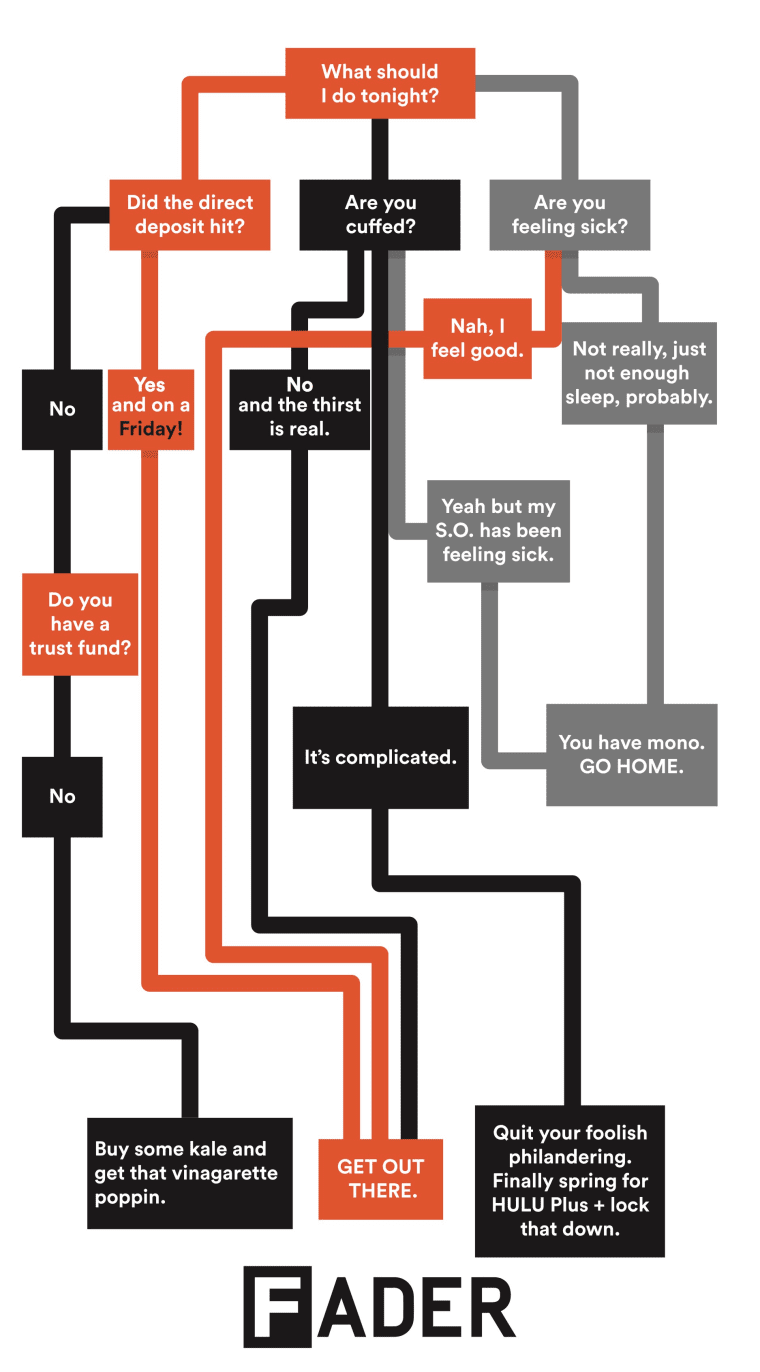
The age-old question of “what to do tonight” has undergone a radical transformation. Where once the answer was dictated by local TV listings or the physical proximity of a cinema, it is now mediated through a sophisticated layer of technology. In the current digital landscape, our evening choices are less about finding something to do and more about navigating an infinite sea of options curated by artificial intelligence, delivered via high-speed infrastructure, and experienced through cutting-edge hardware.
Deciding what to do tonight is no longer a passive act; it is an engagement with a complex tech stack designed to optimize our leisure time. From AI-driven recommendation engines to the Internet of Things (IoT) creating the perfect ambiance, technology has become the primary architect of our nocturnal experiences.
The Algorithmic Curator: How AI Decides Your Evening
The most significant shift in how we spend our evenings lies in the transition from manual searching to algorithmic discovery. Whether you are looking for a movie, a new album, or a local event, software is working behind the scenes to predict your desires before you even articulate them.
The Science of Predictive Recommendations
At the heart of platforms like Netflix, YouTube, and TikTok are recommendation engines built on collaborative filtering and neural networks. These systems analyze billions of data points—your watch history, the time of day, your device type, and even the speed at which you scroll—to present a “What to Do Tonight” list tailored specifically to your psychological profile. For the user, this means less “analysis paralysis” and a more streamlined path to entertainment.
Hyper-Local Discovery via Geo-Location Apps
If your evening plans involve leaving the house, technology remains your primary guide. Apps like Eventbrite, Songkick, and even Google Maps use real-time geo-location data and API integrations to aggregate local happenings. These tools have evolved beyond simple lists; they now utilize machine learning to suggest “hidden gems”—events or venues that align with your niche interests but might not have been visible through traditional advertising. By integrating digital ticketing and contactless mobile payments, the tech stack ensures that the transition from “searching” to “attending” is frictionless.
Smart Environments: Engineering the Perfect Evening at Home
For many, the answer to “what to do tonight” involves the sanctuary of the home. However, the modern home is no longer a static space; it is a programmable environment. The rise of the Smart Home has allowed users to customize their physical surroundings to match their intended activity using a variety of interconnected gadgets.
Atmospheric Control through IoT Ecosystems
The integration of smart lighting (such as Philips Hue or Nanoleaf) and climate control (like Nest or Ecobee) allows for the creation of “Scenes.” With a single voice command or a tap on a smartphone, a living room can be transformed into a home cinema or a focused reading nook. These devices utilize protocols like Matter and Zigbee to communicate, ensuring that your hardware works in a cohesive ecosystem. The technology manages the “vibe” of the evening, allowing the user to remain immersed in their chosen activity without the distraction of manual adjustments.
High-Fidelity Audio and Visual Infrastructure
The hardware through which we consume media has reached a point of unprecedented sophistication. OLED and MicroLED displays offer perfect black levels and HDR (High Dynamic Range) capabilities that surpass many commercial theaters. When paired with spatial audio systems like Dolby Atmos, the technology creates an immersive “bubble.” For the tech-savvy individual, an evening at home is an opportunity to push the limits of their hardware, calibrating audio-visual settings to achieve the highest possible fidelity for a truly cinematic experience.
The Virtual Frontier: Gaming and Interactive Socializing

When considering what to do tonight, an increasing number of people are looking toward virtual worlds. The gaming industry now dwarfs the film and music industries combined, and this is largely due to the technological leaps in cloud computing and social connectivity.
The Rise of Cloud Gaming and Instant Access
The barrier to entry for high-end gaming has been lowered by cloud streaming services like NVIDIA GeForce Now and Xbox Cloud Gaming. These platforms offload the heavy processing to remote servers, allowing users to play AAA titles on modest hardware like tablets or smart TVs. This “Netflix-ification” of gaming means that “what to do tonight” can include exploring a high-fidelity open world without the need for a $2,000 PC.
Social Connectivity in Metaverses and VR
Beyond traditional gaming, Virtual Reality (VR) platforms like the Meta Quest ecosystem or VRChat offer a different kind of evening activity: digital presence. Through haptic feedback and 360-degree spatial tracking, users can attend virtual concerts, join international book clubs, or watch movies in a virtual theater with friends located thousands of miles away. This technology solves the problem of social isolation, providing a sense of “togetherness” that is mediated by high-speed data transmission and sophisticated optics.
Digital Skill Acquisition: The Productive Evening
Not every evening is about passive consumption. For a segment of the population, the answer to “what to do tonight” is “upskilling.” The democratization of high-level educational tools has turned the evening hours into a prime time for digital self-improvement.
AI-Powered Learning Platforms
Platforms like Coursera, Udacity, and MasterClass use data analytics to track learner progress and suggest modules that fill specific knowledge gaps. For those interested in technology, the evening might be spent using AI coding assistants like GitHub Copilot to learn a new programming language or experimenting with Large Language Models (LLMs) to automate personal workflows. The technology acts as a private tutor, available 24/7, making specialized knowledge more accessible than ever before.
Creative Software and the “Prosumer” Movement
The availability of professional-grade software—such as the Adobe Creative Cloud, DaVinci Resolve, or Ableton Live—on consumer hardware has birthed a generation of “prosumers.” Spending an evening editing a 4K video or producing a digital track is now a common leisure activity. The power of modern CPUs and GPUs means that tasks that once required a production studio can now be completed on a laptop in a coffee shop or a home office, turning the evening into a period of creative output.
Digital Wellness: Optimizing Technology for Restorative Evenings
As much as technology provides entertainment, it also provides the tools to manage the consequences of a highly connected life. “What to do tonight” often involves using technology to “unplug” or to prepare the body for high-quality sleep.
Blue Light Mitigation and Circadian Tech
The tech industry has become increasingly aware of the impact of screens on sleep cycles. Features like “Night Shift” on iOS or “Night Mode” on Windows 11 use software to shift the color temperature of displays, reducing blue light exposure that can inhibit melatonin production. Furthermore, smart glasses with blue-light-filtering lenses and e-ink displays (like those found on Kindles) provide a tech-based solution for those who want to consume content without disrupting their circadian rhythms.
Sleep Tracking and Bio-Hacking
For those obsessed with optimization, the evening concludes with the engagement of wearable technology. Devices like the Oura Ring, Whoop strap, or Apple Watch monitor heart rate variability (HRV), respiratory rate, and sleep stages. By reviewing this data in the morning, users can adjust their “what to do tonight” routine—perhaps opting for a meditation app like Calm or Headspace instead of a high-intensity video game—to ensure maximum recovery.
Conclusion
In the modern era, the question “what to do tonight” is inseparable from the technology that facilitates our lives. We exist in a world where AI anticipates our moods, IoT devices shape our environments, and global networks connect us to infinite libraries of content and social interaction. Whether we are seeking deep immersion in a virtual world, the comfort of a perfectly calibrated home cinema, or the satisfaction of learning a new digital skill, technology is the silent partner in every choice we make. By understanding and leveraging these tools, we can transform our evenings from a period of idle time into a curated, meaningful, and highly optimized experience.
aViewFromTheCave is a participant in the Amazon Services LLC Associates Program, an affiliate advertising program designed to provide a means for sites to earn advertising fees by advertising and linking to Amazon.com. Amazon, the Amazon logo, AmazonSupply, and the AmazonSupply logo are trademarks of Amazon.com, Inc. or its affiliates. As an Amazon Associate we earn affiliate commissions from qualifying purchases.