
The traditional concept of a single, lifelong career is rapidly evolving into a more dynamic landscape of multiple income streams and strategic financial maneuvers. In today’s economy, understanding what to do to earn money requires a blend of traditional discipline and modern adaptability. Whether you are looking to supplement your existing salary, transition into full-time entrepreneurship, or build a portfolio of passive income, the opportunities have never been more diverse. The key to success lies in identifying high-leverage activities that align with your skillset, market demand, and long-term financial goals.
Strategic Side Hustles: Maximizing the Gig Economy
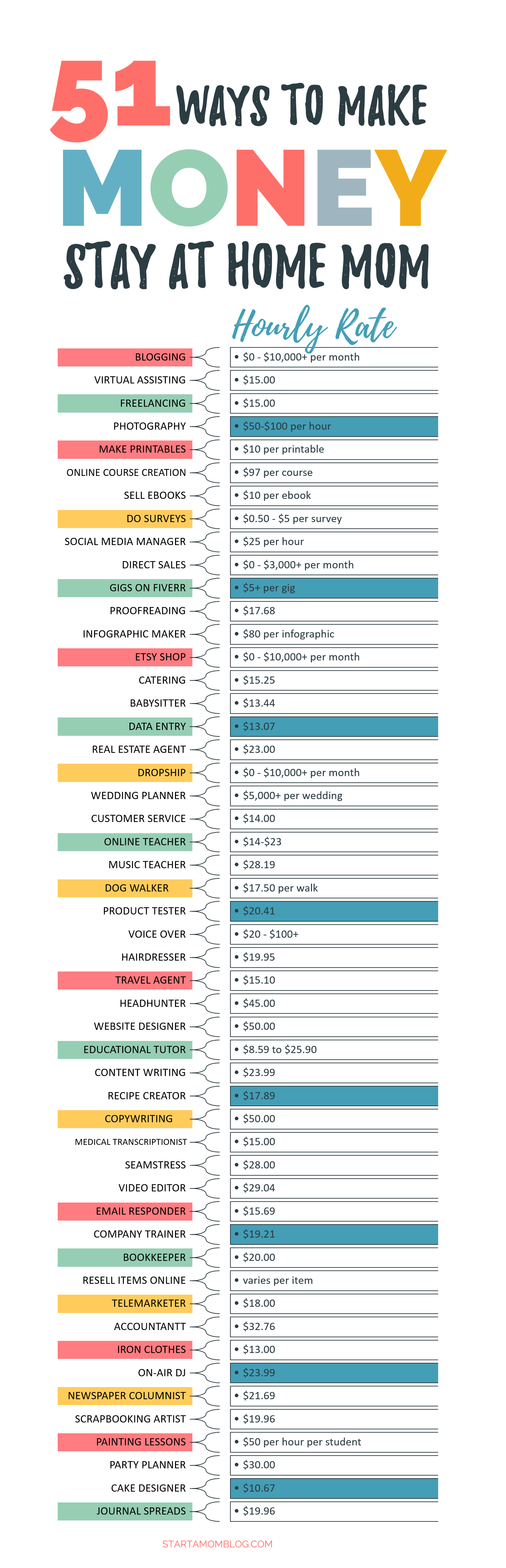
The gig economy has matured from a simple way to earn extra cash into a sophisticated marketplace for specialized talent. To maximize earnings in this sector, one must move beyond low-skill tasks and focus on high-value services that command premium rates.
High-Value Freelancing
Freelancing remains one of the most direct paths to increasing your income. Unlike general labor, high-value freelancing focuses on specialized skills such as technical writing, financial analysis, software development, or digital marketing strategy. Platforms like Upwork and Toptal have created a global bridge between talent and capital. To succeed here, you must view your freelance work as a business rather than a series of chores. This involves setting competitive rates based on value delivered rather than hours worked, maintaining a rigorous portfolio, and cultivating a reputation for reliability.
The Rise of the Creator Economy
Content creation has moved from a hobby to a multi-billion dollar industry. Earning money as a creator involves building an audience around a specific niche—be it personal finance, DIY home improvement, or professional development—and then monetizing that attention. Common monetization paths include advertising revenue, brand partnerships, and affiliate marketing. However, the most sustainable way to earn money in this space is through the direct sale of digital products, such as e-books, templates, or premium newsletters. By owning the platform and the product, you retain a higher percentage of the revenue and build a more resilient financial foundation.
Specialized E-commerce and Micro-Brands
The barrier to entry for selling physical goods has collapsed, but the competition has intensified. To earn a significant income in e-commerce today, the focus must shift from generic dropshipping to the creation of micro-brands. This involves identifying a specific pain point for a demographic and sourcing or designing a product that solves it. Utilizing platforms like Shopify or Etsy allows for low-overhead testing. The goal is to build brand equity—a form of intangible wealth that can eventually be sold for a high multiple of annual earnings.
Building Passive Income Streams through Investing
Earning money while you sleep is the hallmark of financial independence. Passive income is rarely truly “passive” at the start; it requires either a significant upfront investment of time or capital. Once established, however, these streams provide the fuel for long-term wealth accumulation.
Dividend Growth Investing
Dividend investing is a classic strategy for generating consistent cash flow. By purchasing shares in companies with a proven track record of increasing their dividend payouts, investors benefit from both capital appreciation and regular income. The “Dividend Aristocrats”—companies that have increased their dividends for at least 25 consecutive years—are often the cornerstone of such a strategy. Reinvesting these dividends creates a compounding effect that can significantly grow an individual’s net worth over a decade or more.
Real Estate and REITs
Real estate has historically been one of the most reliable ways to earn money and build generational wealth. For those with significant capital, direct ownership of rental properties provides monthly cash flow and tax advantages through depreciation. For those who prefer a more hands-off approach or have less initial capital, Real Estate Investment Trusts (REITs) offer a way to invest in large-scale, income-producing real estate without the need to manage properties personally. REITs are required by law to distribute at least 90% of their taxable income to shareholders, making them an excellent vehicle for passive income.

Index Funds and the Power of the Market
For the majority of people, the most effective way to earn money through investing is the consistent purchase of low-cost index funds or Exchange-Traded Funds (ETFs). By tracking a broad market index like the S&P 500, you capture the overall growth of the economy. This strategy removes the risk of individual stock picking and relies on the historical upward trajectory of the markets. Over long horizons, the combination of market growth and reinvested dividends is a mathematically superior way to build wealth for the average earner.
Leveraging Professional Expertise for High-Ticket Income
If you possess deep knowledge in a specific field, your most valuable asset is your intellectual property. Transitioning from “doing” the work to “advising” on the work can exponentially increase your hourly or project-based earnings.
Consulting and Strategic Advisory
Companies are often willing to pay a premium for specialized knowledge that can save them time or increase their profitability. Consulting is about providing a roadmap to success for others. Whether it is helping a small business optimize its supply chain or advising a startup on its go-to-market strategy, consulting allows you to monetize your years of experience. High-ticket consulting often involves value-based pricing, where your fee is a percentage of the value you create for the client, rather than a flat hourly rate.
Online Course Creation and Education
The digital transformation of education has created a massive market for self-paced learning. If you have a skill that others want to learn—ranging from advanced Excel modeling to landscape photography—you can package that knowledge into an online course. Unlike one-on-one coaching, a course is a scalable asset. You record the content once and sell it to thousands of students. This model provides high profit margins and allows you to reach a global audience, making it one of the most effective ways to earn money in the modern knowledge economy.
SaaS and Productized Services
For those with a more entrepreneurial bent, creating a Software as a Service (SaaS) product or a productized service can lead to substantial income. A productized service takes a standard service (like graphic design or bookkeeping) and turns it into a package with a fixed price and scope. This allows for better systems, more predictable income, and easier scaling. If you can identify a repetitive task that people or businesses struggle with and automate it through software, you create a recurring revenue model that is highly attractive to both the owner and potential future buyers.
Strategic Financial Management: Retaining and Scaling Wealth
Earning money is only half of the equation; keeping and growing that money is what leads to true financial security. Without a strategic approach to managing your inflows, even a high income can vanish through “lifestyle creep” and inefficient tax planning.
Tax Optimization and Business Structure
As your income grows, especially through side hustles or business ventures, tax efficiency becomes paramount. Understanding the difference between being a sole proprietor and forming an LLC or S-Corp can save thousands of dollars in self-employment taxes. Utilizing retirement accounts such as a SEP IRA or a Solo 401(k) allows you to reduce your taxable income while simultaneously funding your future. Professional financial advice in this area is not a cost; it is an investment that pays for itself through tax savings.
Reinvesting for Exponential Growth
One of the most common mistakes people make when they start earning extra money is immediately increasing their standard of living. To build significant wealth, a large portion of new income should be reinvested. This might mean reinvesting profits back into your business to buy better equipment or marketing, or it might mean funneling that money into your investment portfolio. The goal is to reach a “tipping point” where the returns on your investments earn more than your primary job.

Risk Management and Diversification
A robust strategy for earning money must include a plan for when things go wrong. Diversification is the only “free lunch” in finance. This means not having all your income come from a single source and not having all your investments in a single asset class. By spreading your income across a day job, a side business, and a diversified investment portfolio, you create a financial safety net. Furthermore, maintaining an emergency fund—typically three to six months of expenses—ensures that a temporary dip in income doesn’t force you to liquidate long-term investments at an inopportune time.
Ultimately, the question of what to do to earn money is answered by a combination of immediate action and long-term vision. It requires the courage to start a small project today, the discipline to save and invest the proceeds, and the wisdom to continuously upgrade your skills. In a world of shifting economic tides, the ability to generate income from multiple sources is the ultimate form of financial security.
aViewFromTheCave is a participant in the Amazon Services LLC Associates Program, an affiliate advertising program designed to provide a means for sites to earn advertising fees by advertising and linking to Amazon.com. Amazon, the Amazon logo, AmazonSupply, and the AmazonSupply logo are trademarks of Amazon.com, Inc. or its affiliates. As an Amazon Associate we earn affiliate commissions from qualifying purchases.