
The spray wall, a fundamental tool in a climber’s training arsenal, has evolved significantly with the advent of digital technology. No longer just a plywood canvas for a chaotic assortment of holds, the modern spray wall experience can be dramatically enhanced by software, smart gadgets, and data analytics. For climbers seeking to maximize their performance and optimize their training, understanding how to integrate these technological advancements into their spray wall routine is crucial. This guide explores the digital strategies and tools that transform a traditional spray wall into a sophisticated performance lab.
Leveraging Digital Tools for Enhanced Training
The core of modern spray wall training lies in the ecosystem of digital applications designed to complement its physical structure. These tools extend the utility of the spray wall far beyond simple physical exertion, enabling precise problem-setting, meticulous progress tracking, and dynamic community engagement.
Problem-Setting & Sharing Platforms
One of the most powerful applications of technology on a spray wall is the proliferation of problem-setting and sharing platforms. These apps transform the once-manual and often imprecise task of documenting climbs into a streamlined digital process. Instead of chalk marks or printed diagrams, climbers can now log problems, grade them, and share them instantly with a global community.
Platforms like Kilter Board, MoonBoard, and Grasshopper Board come with their own integrated apps that allow users to browse an extensive database of problems, filter by grade, style, and setter, and then illuminate the specific holds using LED lights embedded in the board itself. This digital guidance eliminates ambiguity and allows for consistent replication of climbs. For generic spray walls without integrated lighting, apps like Stōkt have emerged as a universal solution. Stōkt allows users to photograph any spray wall, mark holds digitally, create problems, and share them. This democratizes problem-setting, turning every spray wall into a potential hub for new challenges. The benefits are multifold: access to an endless supply of novel problems, the ability to train on specific styles or weaknesses identified by a vast community, and the social aspect of challenging friends or renowned setters.
Performance Tracking and Analytics
Beyond problem-setting, digital tools offer sophisticated ways to track performance and analyze progress. Dedicated climbing apps, or even general fitness trackers, can log session duration, number of problems attempted, successful sends, and even heart rate data. Some advanced systems allow for real-time video capture and analysis, providing immediate feedback on movement patterns and efficiency.
By consistently logging your spray wall sessions, you generate a rich dataset that can reveal trends in your training. Are you consistently failing on specific types of moves? Are your successful sends concentrated around a particular grade range? Digital analytics can highlight plateaus, identify strengths to build upon, and pinpoint weaknesses that require targeted attention. This data-driven approach moves training beyond subjective feeling, providing objective insights into your climbing journey. Furthermore, integrating with wearable tech allows for more comprehensive physiological monitoring, linking effort levels to performance outcomes on the wall.
Smart Spray Walls: The Gadget Perspective
The concept of a “smart” spray wall goes beyond just software integration, encompassing physical gadgets and integrated hardware that enhance the training experience. These innovations bridge the gap between traditional climbing equipment and cutting-edge technology.
Integrated Lighting and Connectivity
The most prominent example of smart spray wall technology is the integration of LED lighting systems directly into the holds or behind the climbing surface. Boards like the MoonBoard, Kilter Board, and Grasshopper Board are pioneers in this space. Controlled by companion apps via Bluetooth or Wi-Fi, these lights illuminate the specific holds for a chosen problem. This not only simplifies problem identification but also creates an engaging, interactive training environment. The instant feedback from the lights—confirming the correct holds—reduces cognitive load and allows climbers to focus purely on movement.
Connectivity extends beyond just lighting. Some smart walls feature pressure sensors in holds, providing feedback on grip strength or hold engagement. Others might include integrated cameras for automated video recording of sends, removing the need for external setups. These features transform the spray wall into a high-tech training station, providing real-time data and enhancing the overall training efficacy. The seamless integration of physical hardware with intuitive software elevates the spray wall from a static training device to a dynamic, responsive partner in your climbing progression.
DIY Solutions and Open-Source Hardware
For those with a penchant for technology and a desire for customization, DIY smart spray wall solutions offer an exciting avenue. Utilizing microcontrollers like Raspberry Pi or Arduino, combined with addressable LED strips and custom software, individuals can build their own “smart” features into a home spray wall. Open-source projects and online communities provide blueprints and code for creating personalized lighting systems that can interface with custom apps or even existing problem-sharing platforms.
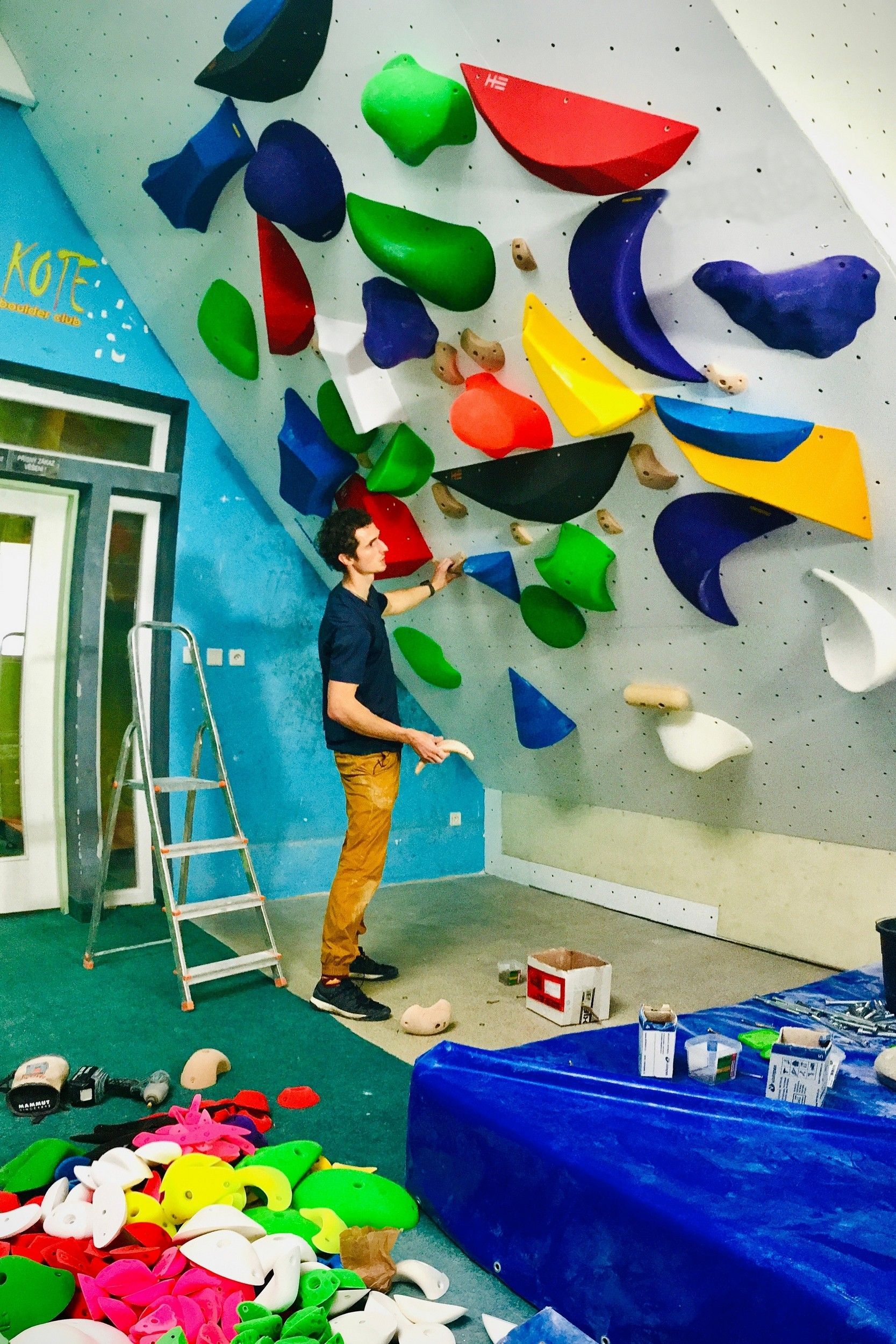
This approach not only offers significant cost savings compared to commercial smart boards but also provides an unparalleled level of control and customization. Enthusiasts can design their own LED patterns, integrate unique sensors, or even experiment with custom feedback mechanisms. The process of building such a system is a tutorial in itself, blending physical construction with coding and electronics, aligning perfectly with the spirit of technological exploration. It empowers climbers to be creators, tailoring their training environment precisely to their needs and technological curiosity.
Data-Driven Performance Optimization
The digital age demands a data-driven approach to nearly every field, and climbing training is no exception. A spray wall, when coupled with the right technology, becomes a potent instrument for collecting, analyzing, and acting upon performance data.
Analyzing Metrics for Progress
The wealth of data generated by using digital apps on a spray wall allows for granular analysis of your climbing performance. Metrics such as problems attempted, successful sends, fall points, time spent on a problem, and even heart rate zones during attempts can be meticulously logged. Analyzing these metrics over time helps identify patterns in performance:
- Grade Progression: Track your success rates at different grades to see your overall strength development.
- Movement Efficiency: If consistent fall points appear, it might indicate a weakness in a specific movement pattern that can be targeted.
- Endurance vs. Power: Analyze session duration and problem intensity to determine if your training is effectively building the desired physiological adaptations.
- Consistency: Track the number of sessions and problems completed to ensure a consistent training volume.
Tools for data visualization, often integrated within the apps themselves or exportable to spreadsheets for custom analysis, make these trends easily digestible. This objective feedback eliminates guesswork from your training, allowing you to make informed decisions about your next steps.
Personalized Training Protocols
With robust data at your fingertips, the spray wall becomes an incredibly effective tool for developing highly personalized training protocols. Instead of following generic training plans, you can craft a routine that directly addresses your unique strengths and weaknesses as identified by your performance data.
For example, if data shows a high failure rate on dynamic moves to crimps, your personalized protocol might involve:
- Targeted Problem-Setting: Focus on setting and attempting problems specifically designed with dynamic crimp moves.
- App Integration: Utilize problem-sharing platforms to find user-submitted problems that match this specific movement profile.
- Repetition and Variation: Systematically work through a set of these problems, varying the angles and sequences to build robust strength and technique.
- Feedback Loop: Continue to log these sessions, observing if the targeted training leads to improvements in your success rate on these specific move types.
This iterative process of data collection, analysis, and protocol adjustment ensures that your spray wall sessions are maximally effective, moving you closer to your specific climbing goals with precision and efficiency.
The Future of Spray Wall Technology
The trajectory of technology suggests an even more integrated and intelligent spray wall experience in the years to come. Artificial intelligence, advanced sensors, and immersive technologies are poised to redefine what’s possible in climbing training.
AI-Powered Coaching and Feedback
Imagine a spray wall that not only lights up problems but also analyzes your climbing in real-time and provides intelligent, AI-powered coaching feedback. Systems utilizing computer vision and machine learning could:
- Analyze Movement Form: Identify inefficiencies, common mistakes, or optimal body positions for specific moves.
- Suggest Route Adjustments: Offer alternative beta or hold sequences based on your unique body mechanics.
- Adaptive Training: Dynamically adjust problem difficulty or suggest new problems based on your real-time performance and fatigue levels.
- Injury Prevention: Monitor movement patterns for biomechanical stress indicators, suggesting modifications to prevent overuse injuries.
Such AI coaches would democratize access to personalized, high-level instruction, making advanced training insights available to every climber with a smart spray wall.
Virtual and Augmented Reality Integration
Virtual Reality (VR) and Augmented Reality (AR) hold immense potential for spray wall training.
- Augmented Reality Overlays: AR could project virtual holds and routes onto a plain spray wall, removing the need for physical LED lights or even permanent holds. This would offer infinite route possibilities on a minimal physical setup. AR could also provide overlays for real-time data visualization, showing metrics like heart rate or power output directly on your field of view while climbing.
- Virtual Reality Training: While less direct for a physical spray wall, VR could simulate new environments or types of climbing, helping with visualization and mental preparation. Hybrid systems could allow climbers to interact with virtual environments while physically on a spray wall, providing a truly immersive and dynamic training experience.
These advancements promise to make spray wall training more engaging, personalized, and insightful than ever before, cementing its place as a cornerstone of performance climbing, driven by the relentless march of technological innovation.
aViewFromTheCave is a participant in the Amazon Services LLC Associates Program, an affiliate advertising program designed to provide a means for sites to earn advertising fees by advertising and linking to Amazon.com. Amazon, the Amazon logo, AmazonSupply, and the AmazonSupply logo are trademarks of Amazon.com, Inc. or its affiliates. As an Amazon Associate we earn affiliate commissions from qualifying purchases.