
Understanding the characteristics of Gouda cheese is not merely a culinary exercise; for businesses operating in the food and beverage industry, particularly those focused on dairy, specialty foods, or gastronomy, it is a crucial component of brand strategy, product positioning, and effective marketing. To dissect “what Gouda cheese is like” through a brand lens means examining its sensory profile, heritage, and market perception as strategic assets that can be leveraged to build, differentiate, and sustain a brand’s presence in a competitive landscape.
The Sensory Signature of Gouda: A Core Brand Asset
The intrinsic qualities of Gouda — its texture, flavor, and aroma — are not just descriptive elements; they form the very foundation of its brand identity and promise to the consumer. For any brand looking to sell Gouda or Gouda-style cheeses, accurately communicating and delivering on these sensory attributes is paramount to building trust and fostering loyalty.
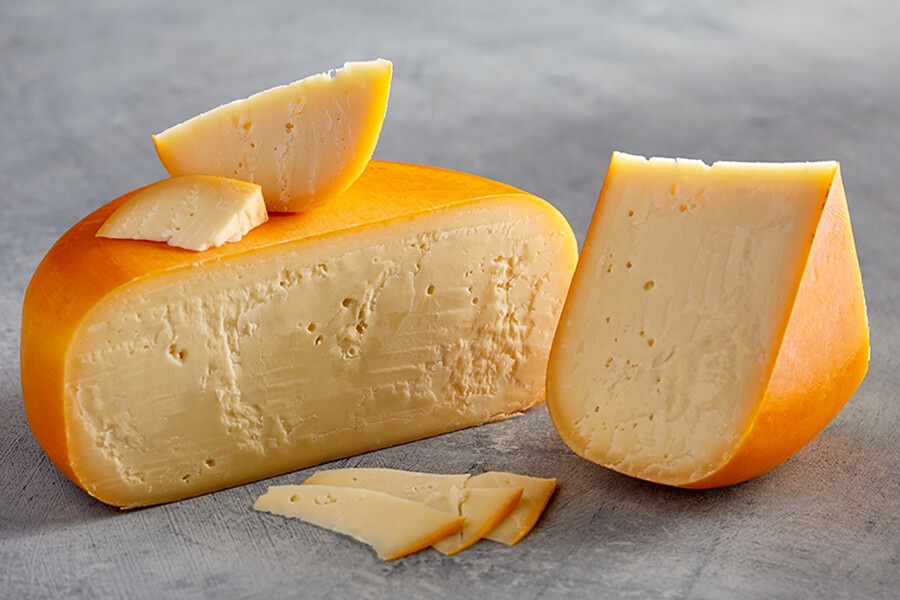
Texture: From Creamy Young to Crystalline Aged
The texture of Gouda is one of its most defining brand features, evolving dramatically with age and offering distinct opportunities for market segmentation. Young Gouda, typically aged for 4-12 weeks, presents a smooth, semi-hard, and creamy consistency. This approachable texture makes it a versatile brand staple, ideal for mainstream consumer appeal, everyday snacking, and culinary applications where meltability and a gentle mouthfeel are desired. Brands can position young Gouda as a family-friendly, accessible entry point into the world of specialty cheeses.
As Gouda ages, its texture transforms. Matured Gouda (6-18 months) becomes firmer and more granular, developing small, protein-based crystals that provide a delightful crunch. This textural complexity signals a more sophisticated product, allowing brands to target a premium market segment seeking an elevated cheese experience. Very old Gouda (18 months to several years) reaches an almost brittle, crystalline state, characterized by a dense, fudge-like consistency. This aged version appeals to connoisseurs and luxury markets, enabling brands to command higher price points and establish an image of artisanal quality and patient craftsmanship. The deliberate choice to age Gouda allows brands to curate a range of products, each with a distinct textural promise.
Flavor Profile: Sweet, Nutty, and Umami Depth
Gouda’s flavor journey parallels its textural evolution, presenting a spectrum of tastes that brands can emphasize to create unique selling propositions. Young Gouda typically offers a mild, buttery, and slightly sweet flavor with hints of nuts. This gentle profile makes it highly versatile and appealing to a broad audience, serving as an excellent base for various culinary applications. Brands can market young Gouda as an adaptable ingredient or a pleasant, unintimidating snack cheese.
With age, Gouda’s flavor deepens and intensifies. Matured Gouda develops a richer, more complex taste, characterized by pronounced notes of toasted nuts, caramel, and a savory, umami richness. The inherent sweetness becomes more concentrated, balanced by a pleasant saltiness. This sophisticated flavor profile positions matured Gouda for gourmet markets, food pairings, and as a centerpiece cheese on platters. Very old Gouda delivers an exceptionally concentrated flavor explosion, combining intense caramel and butterscotch notes with a sharp, almost spicy bite and a profound umami depth. This powerhouse of flavor is a premium offering, designed to be savored slowly and positioned for high-end retail or fine dining, where its unique intensity can be a brand’s signature. Highlighting these specific flavor nuances allows brands to craft compelling narratives and marketing messages that resonate with different consumer desires.
Aroma: Distinguishing a Gouda Experience
The aroma of Gouda is another critical, yet often underestimated, brand differentiator. Young Gouda typically possesses a clean, milky, and slightly sweet aroma. This fresh, inviting scent contributes to its widespread appeal and ease of integration into various dishes. Brands can leverage this subtle aroma to convey freshness and mildness.
As Gouda ages, its aroma deepens considerably, acquiring a more complex bouquet. Matured Gouda emits notes of toasted nuts, butterscotch, and a rich, earthy funk that signals its extensive aging process. This robust aroma adds to the overall sensory experience, preparing the consumer for the rich flavors to come. Very old Gouda can develop a more pungent, often farmy or fruity aroma, indicative of the intense enzymatic activity over its long maturation. While this might be less universally appealing than younger Goudas, for the discerning consumer, this distinct aroma is a hallmark of authenticity and quality, signaling a truly artisanal product. Brands that effectively communicate the evolution of Gouda’s aroma can enhance the perceived value and uniqueness of their offerings, building a multi-sensory brand experience.
Gouda’s Brand Identity: Tradition, Versatility, and Market Positioning
The essence of Gouda’s brand identity is rooted in its rich history, its adaptable nature, and its strategic placement within the broader cheese market. For any brand, tapping into these aspects is crucial for establishing credibility and carving out a distinct niche.
Dutch Heritage: A Foundation for Authenticity
The centuries-old Dutch tradition of cheesemaking is inextricably linked to Gouda. The name itself, derived from the city of Gouda in the Netherlands, evokes images of artisanal craftsmanship, pastoral landscapes, and a commitment to quality. For brands, this heritage provides an invaluable foundation for authenticity and storytelling. Marketing materials can highlight the traditional techniques, the specific environmental conditions of the Netherlands, and the lineage of cheesemakers to build a compelling narrative around “true” Gouda. This origin story differentiates genuine Dutch Gouda from “Gouda-style” cheeses produced elsewhere, allowing brands to position their products as premium, authentic, and deserving of a higher price point due to their protected designation of origin (PDO) status in the European Union. Emphasizing heritage allows brands to connect with consumers on an emotional level, appealing to desires for tradition, quality, and a sense of place.
Versatility in Branding: From Everyday Snack to Gourmet Delight
One of Gouda’s most powerful brand assets is its remarkable versatility. From its young, mild form to its deeply aged, intense varieties, Gouda can be branded for an incredibly wide range of applications and consumer demographics. This adaptability allows brands to develop diverse product lines under the Gouda umbrella. Young Gouda can be positioned as an accessible, family-friendly cheese for sandwiches, melting, or casual snacking. It can be a staple in grocery stores, appealing to broad market segments seeking comfort and familiarity.
Conversely, aged Gouda can be elevated to a gourmet status, marketed as a sophisticated pairing for wines, a star on a charcuterie board, or a luxurious ingredient in fine dining. This versatility offers brands flexibility in targeting, allowing them to capture multiple market segments with a single cheese type, albeit in different stages of maturation. A brand might offer a “Gouda Family Pack” alongside an “Artisanal Aged Gouda Selection,” demonstrating both breadth and depth in their product offerings while maintaining a cohesive brand identity around the core Gouda experience.
Differentiating Gouda in a Crowded Cheese Market
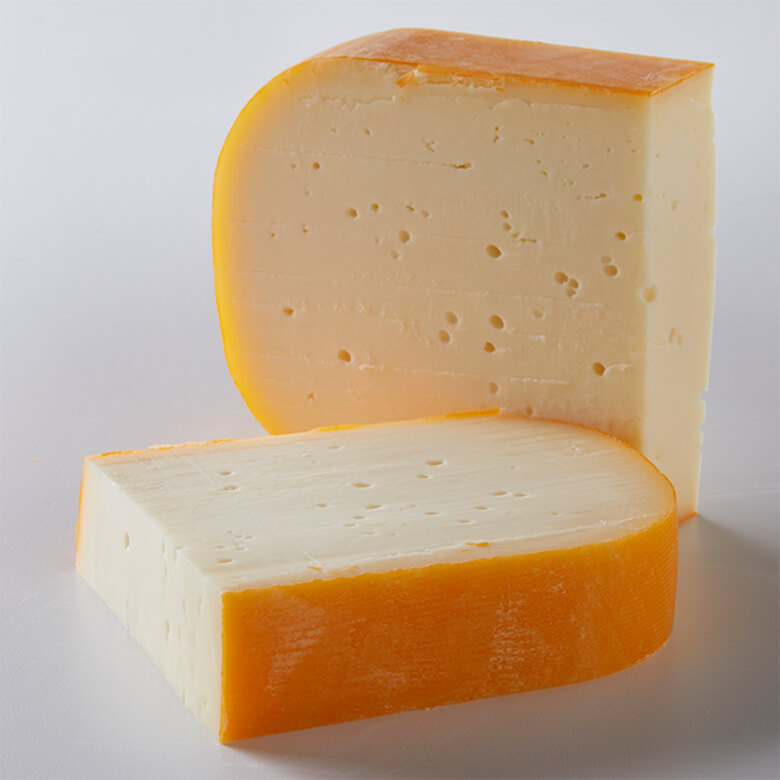
The cheese market is saturated with options, making differentiation a critical challenge for brands. Gouda’s distinct characteristics—its sweet, nutty flavor profile, creamy-to-crystalline texture, and iconic wax rind—provide clear points of differentiation. Brands can leverage these attributes to create unique value propositions. For example, a brand might focus on the “caramel-like sweetness” of their aged Gouda to distinguish it from sharper cheddars or tangier blues. Or, they might highlight the “melt-in-your-mouth creaminess” of their young Gouda as a superior alternative for grilling cheese.
Beyond sensory attributes, brands can differentiate by emphasizing the aging process, the specific farm or region of origin (e.g., Boerenkaas, a farmer’s Gouda), or sustainable production methods. Packaging design, too, plays a crucial role; the characteristic red or yellow wax coating on traditional Gouda is instantly recognizable and can be used to reinforce brand identity and authenticity. For brands producing “Gouda-style” cheeses outside of the Netherlands, the challenge becomes conveying quality and uniqueness while acknowledging the original. This often involves focusing on proprietary recipes, local ingredients, or unique aging conditions to carve out their own brand narrative within the broader Gouda category.
Crafting the Gouda Narrative: Marketing and Consumer Perception
Effective branding extends beyond the product itself; it involves crafting a compelling narrative that resonates with consumers and shapes their perception. For Gouda, this means storytelling, visual branding, and strategic consumer engagement.
Storytelling Through Aging and Production Methods
The journey of Gouda from milk to a finished wheel is rich with storytelling potential, particularly concerning its aging process. Brands can leverage this narrative to educate consumers and build perceived value. Highlighting the time, patience, and expertise involved in aging Gouda—whether it’s for a few weeks or several years—transforms the product from a simple food item into a testament to craftsmanship. Marketing campaigns can feature images of aging cellars, master cheesemakers, and the meticulous care taken over months or years.
For example, a brand might tell the story of a specific wheel of “Extra-Aged Gouda,” detailing its maturation journey and the unique flavors that developed over time. This narrative not only justifies a higher price point but also fosters a deeper appreciation for the product, positioning it as a specialty item rather than a commodity. Brands can also tell stories about specific production methods, such as traditional raw milk Gouda (Boerenkaas) or Gouda made from grass-fed cows, to appeal to consumers interested in authenticity, provenance, and ethical sourcing. These stories create an emotional connection, making the brand more memorable and desirable.
Visual Branding: The Iconic Wax Coating and Packaging
The visual identity of Gouda is almost as iconic as its flavor. The distinctive wax coating, typically red for young Gouda and yellow or black for aged varieties, is a powerful visual cue that instantly communicates “Gouda” to consumers. For brands, this visual element is a critical component of their packaging strategy. Consistent use of these traditional colors, or innovative interpretations of them, can reinforce brand recognition and convey quality. The round, flattened wheel shape of Gouda is also immediately identifiable, allowing brands to use this silhouette in their logos or packaging designs.
Beyond the wax, the broader packaging design plays a vital role in communicating the brand’s promise. Premium packaging for aged Gouda might feature elegant fonts, matte finishes, and clear windows to showcase the cheese’s crystalline texture. Everyday Gouda might come in more robust, resealable packaging that emphasizes convenience and freshness. Brands must ensure that their visual branding aligns with the specific Gouda variety they are selling and the market segment they are targeting, creating a cohesive and appealing brand presence on the shelf.
Engaging the Consumer: Pairing Suggestions and Usage Occasions
To fully capitalize on “what Gouda cheese is like,” brands must actively engage consumers by providing guidance on how to enjoy their products. This involves offering creative pairing suggestions and highlighting various usage occasions, which helps to integrate Gouda into consumers’ lifestyles and expand its perceived value. For young Gouda, brands can suggest pairings with light wines, fresh fruits, or as a versatile melting cheese for sandwiches and gratins. This positions it as an accessible, everyday delight.
For aged Gouda, the recommendations can become more sophisticated: pairing with robust red wines, craft beers, dark chocolate, or fruit preserves. Brands can develop recipes featuring Gouda, create digital content (blogs, social media posts, videos) demonstrating its use, or organize tasting events. By providing concrete ideas, brands educate consumers on the versatility and premium qualities of different Gouda varieties, encouraging experimental consumption and repeat purchases. This engagement strategy transforms a simple product into an experience, reinforcing the brand’s role as a trusted guide in the culinary world.
The Impact of “Gouda-like” Products on Brand Strategy
The prevalence of “Gouda-like” cheeses manufactured globally presents both challenges and opportunities for brands. Understanding the nuances between authentic Gouda and its imitations is critical for effective brand positioning and market navigation.
Protecting the Origin Brand: True Gouda vs. Gouda-Style
For brands selling authentic Dutch Gouda, protecting its protected designation of origin (PDO) status is paramount. This involves clearly distinguishing “True Gouda” (produced in the Netherlands according to strict traditional methods) from “Gouda-style” cheeses made elsewhere. Marketing efforts must educate consumers about the significance of the PDO, emphasizing the superior quality, heritage, and unique characteristics that come from its specific origin. Brands can use seals, certifications, and explicit language on packaging to signal authenticity, allowing them to command premium prices and appeal to discerning consumers who value provenance. This strategy reinforces the brand identity of authentic Gouda as a premium, heritage product.
Conversely, brands producing “Gouda-style” cheeses face the challenge of creating their own distinct brand identity while drawing inspiration from the original. They cannot claim the PDO, but they can highlight unique local ingredients, specific aging techniques, or regional variations that differentiate their product. This requires a careful balance: acknowledging the inspiration from Gouda while establishing a unique selling proposition that defines their own “Gouda-style” brand.
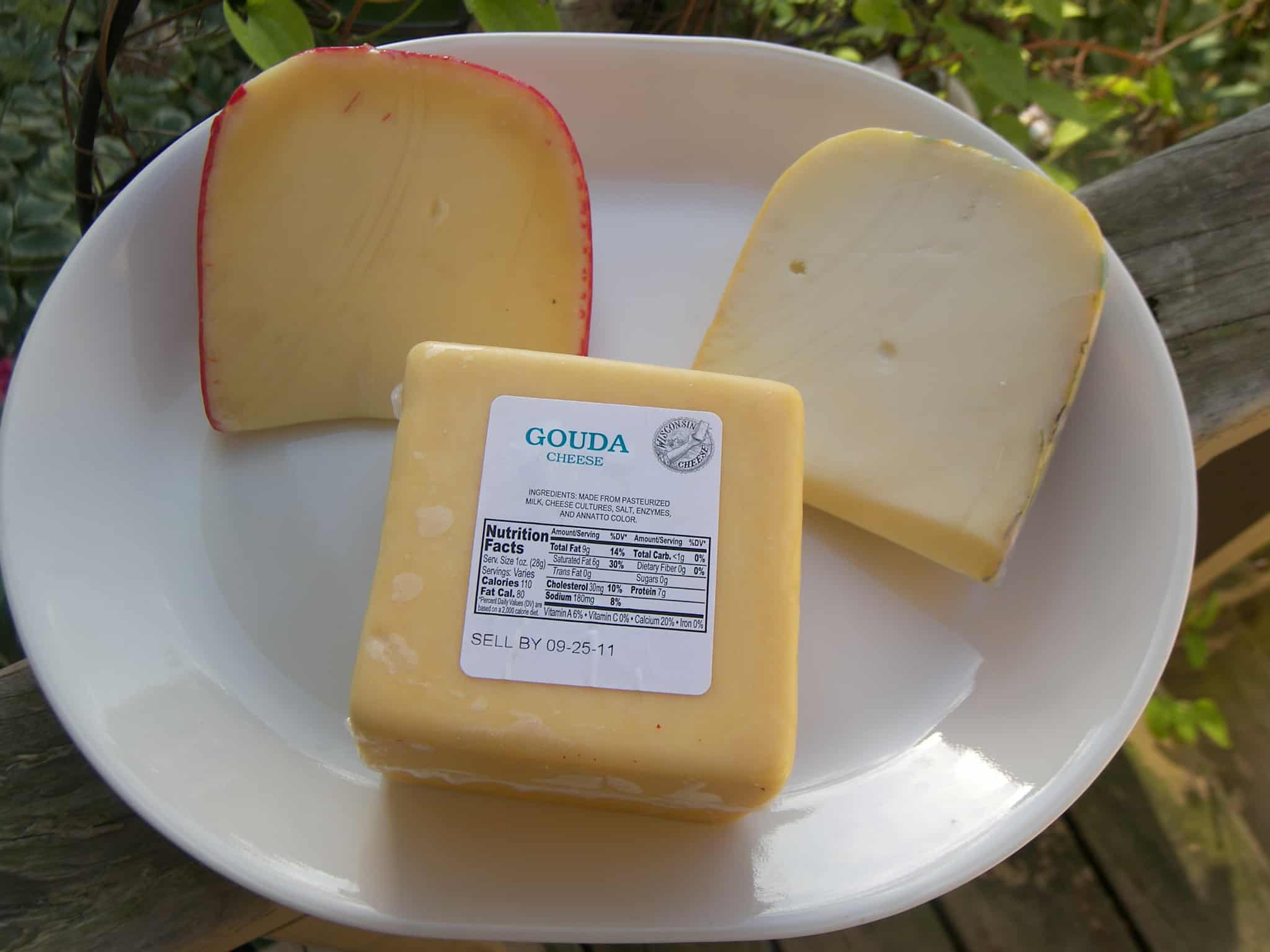
Innovation and Line Extensions: Maintaining Brand Relevance
Understanding “what Gouda cheese is like” provides a strong foundation for brands to innovate and introduce line extensions, thereby maintaining relevance and capturing new market segments. This could involve developing Gouda-infused products (e.g., Gouda spreads, sauces), flavored Goudas (e.g., Gouda with cumin, truffles, or herbs), or specialty Goudas made from different milks (e.g., goat Gouda). These innovations allow brands to cater to evolving consumer tastes and preferences, offering novelty while leveraging the familiar and trusted “Gouda” name.
Each line extension requires a distinct branding approach, communicating its unique attributes while remaining consistent with the overall brand identity. For instance, a “Smoked Gouda” needs to convey both the traditional Gouda characteristics and the added smoky flavor profile through its packaging, naming, and marketing message. By continuously innovating within the Gouda framework, brands can keep their offerings fresh, appealing to both loyal customers and new demographics, ensuring long-term market presence and growth.
aViewFromTheCave is a participant in the Amazon Services LLC Associates Program, an affiliate advertising program designed to provide a means for sites to earn advertising fees by advertising and linking to Amazon.com. Amazon, the Amazon logo, AmazonSupply, and the AmazonSupply logo are trademarks of Amazon.com, Inc. or its affiliates. As an Amazon Associate we earn affiliate commissions from qualifying purchases.