
New York City, the undisputed concrete jungle where dreams are made and often pursued with relentless ambition, is a place of unparalleled energy and opportunity. For millions, it’s a destination, a temporary adventure, or a permanent home. Regardless of your intention, one universal truth about navigating the Empire State reigns supreme: it’s expensive. From the iconic yellow cabs to world-class dining, and from Broadway shows to soaring skyscraper views, every experience often comes with a price tag that can quickly deplete even the most robust travel or living budget.

This article isn’t just another guide to NYC’s attractions; it’s a financial compass designed to help you unlock the city’s magic without breaking the bank. We’ll delve into smart money strategies, expose hidden costs, and highlight ways to maximize value, ensuring that your New York adventure, whether short-term or long-term, is not only memorable but also financially savvy. Understanding “what to do” in NYC extends beyond mere activity selection; it involves making informed financial decisions that shape the quality and longevity of your experience.
Understanding New York’s Financial Pulse: Expectations and Realities
Before you even step foot on its bustling streets, grasping the financial realities of New York City is paramount. This metropolis operates on a unique economic rhythm, one that rewards preparedness and penalizes naivety. Setting realistic financial expectations is the first crucial step toward a stress-free and enjoyable time in the city.
The High Cost of Living and Visiting: A Baseline Understanding
New York City consistently ranks among the most expensive cities in the world. This isn’t just anecdotal; it’s reflected in every facet of its economy. Housing costs, whether for a short-term rental or a long-term lease, are astronomically high. A typical hotel room can easily run several hundred dollars a night, and apartment rents often climb into the thousands for even modest spaces. Food, transportation, and entertainment also command premium prices. A simple cup of coffee can cost twice what it might in other U.S. cities, and a quick lunch can quickly add up.
For visitors, this translates to a need for robust budgeting. For residents, it means a constant search for value and efficiency. The baseline understanding is this: expect to pay more for almost everything. However, this doesn’t mean New York is unattainable; it simply means strategic planning is not just advisable, but essential. By acknowledging this reality upfront, you can allocate your resources more effectively and avoid unpleasant surprises that could sour your experience. The goal is not to avoid spending, but to spend smartly and intentionally.
Beyond the Obvious: Hidden Expenses and How to Spot Them
While major costs like accommodation and airfare are usually factored in, New York is notorious for its hidden expenses that can silently erode your budget. These often come in the form of taxes, tips, and convenience fees that accumulate rapidly. For example, restaurant bills will always include a state sales tax, and tipping culture in NYC is robust, often expecting 18-25% for good service. Many attractions, especially booking online, may add processing fees. Ride-share services often surge during peak hours, and even public transportation can incur extra costs if you don’t optimize your fare strategy.
To spot these hidden costs, always scrutinize invoices, read the fine print on bookings, and factor in a buffer for discretionary spending and tips. A good rule of thumb is to add an extra 20-30% to your estimated daily expenses for these unforeseen or easily overlooked charges. Being aware of these financial nuances allows you to adjust your spending habits on the fly, prioritize what truly matters, and prevent your financial well-being from being compromised by unexpected outlays.
The ROI of Experiences: When to Invest in Memories
Given the high cost, it’s crucial to evaluate the “return on investment” for your experiences. Not all activities are created equal, and some justify a higher expenditure than others. A Broadway show, a helicopter tour, or a multi-course meal at a Michelin-starred restaurant are undoubtedly significant investments. But are they worth it to you?
Consider what truly enriches your experience and aligns with your personal values. For some, a once-in-a-lifetime culinary journey is paramount; for others, the thrill of live theatre is non-negotiable. Conversely, you might find that the free ferry to Staten Island offers just as stunning a view of the Statue of Liberty as an expensive harbor cruise. Invest in experiences that genuinely resonate with you and will create lasting memories, rather than simply ticking off a list. This might mean splurging on one or two high-value items while strategically saving on others, balancing your financial outlay with personal fulfillment.
Mastering Your NYC Budget: Strategic Spending for Maximum Enjoyment
Effective budgeting is your most powerful tool in navigating New York City’s financial landscape. This isn’t about deprivation, but about intentional allocation of resources to maximize your enjoyment without overspending. Strategic spending means making conscious choices that align with your financial goals and experience aspirations.
Navigating Transportation: Economical Transit Options
Transportation is a significant daily expense in NYC. While yellow cabs and ride-shares offer convenience, they can quickly drain your budget, especially during peak hours or in heavy traffic. The most economical and often fastest way to get around is the vast public transportation system.
- The Subway and Bus System: Invest in a MetroCard. A single ride is affordable, but purchasing an unlimited weekly or monthly pass (if staying long-term) offers significant savings, especially if you plan on frequent movement across boroughs. Understanding the subway map and routes can feel daunting at first, but it’s an incredibly efficient system.
- Walking: New York is a highly walkable city. Many major attractions in Manhattan are within reasonable walking distance of each other. Not only is it free, but walking also allows you to soak in the city’s atmosphere, discover hidden gems, and get some exercise.
- Citi Bike: For shorter distances, particularly in warmer months, consider a Citi Bike membership or day pass. It’s a fun, eco-friendly, and often quicker alternative to walking or crowded subways for specific routes. Always prioritize safety and use designated bike lanes.
Culinary Adventures on a Budget: From Fine Dining to Food Trucks
New York City is a global culinary capital, offering everything from street food to Michelin-starred establishments. Balancing your desire for diverse flavors with your budget requires a strategic approach.
- Street Food and Food Trucks: NYC is famous for its vibrant street food scene. Hot dog stands, halal carts, and various food trucks offer delicious and incredibly affordable meals. These are perfect for quick lunches or casual dinners.
- Bagel Shops and Deli Culture: Embrace New York’s iconic bagel and deli culture. A fresh bagel with cream cheese or a generously portioned sandwich from a local deli can be a satisfying and inexpensive meal.
- Happy Hour Deals: Many restaurants and bars offer fantastic happy hour deals on both drinks and appetizers. This is an excellent way to experience a pricier establishment’s ambiance and offerings at a fraction of the cost.
- BYOB Restaurants: Look for “Bring Your Own Bottle” (BYOB) restaurants. While less common in Manhattan, they can be found in other boroughs and allow you to save significantly on drink markups.
- Meal Prep (for longer stays): If you have access to a kitchen, cooking some of your meals is by far the most budget-friendly option. Grocery stores like Trader Joe’s, Fairway, or local markets offer good value.
Unearthing Free and Low-Cost Entertainment: Culture Without the Cost
New York City is a treasure trove of free and low-cost activities that offer incredible cultural enrichment and entertainment. You don’t always need to spend a fortune to experience the city’s vibrant spirit.
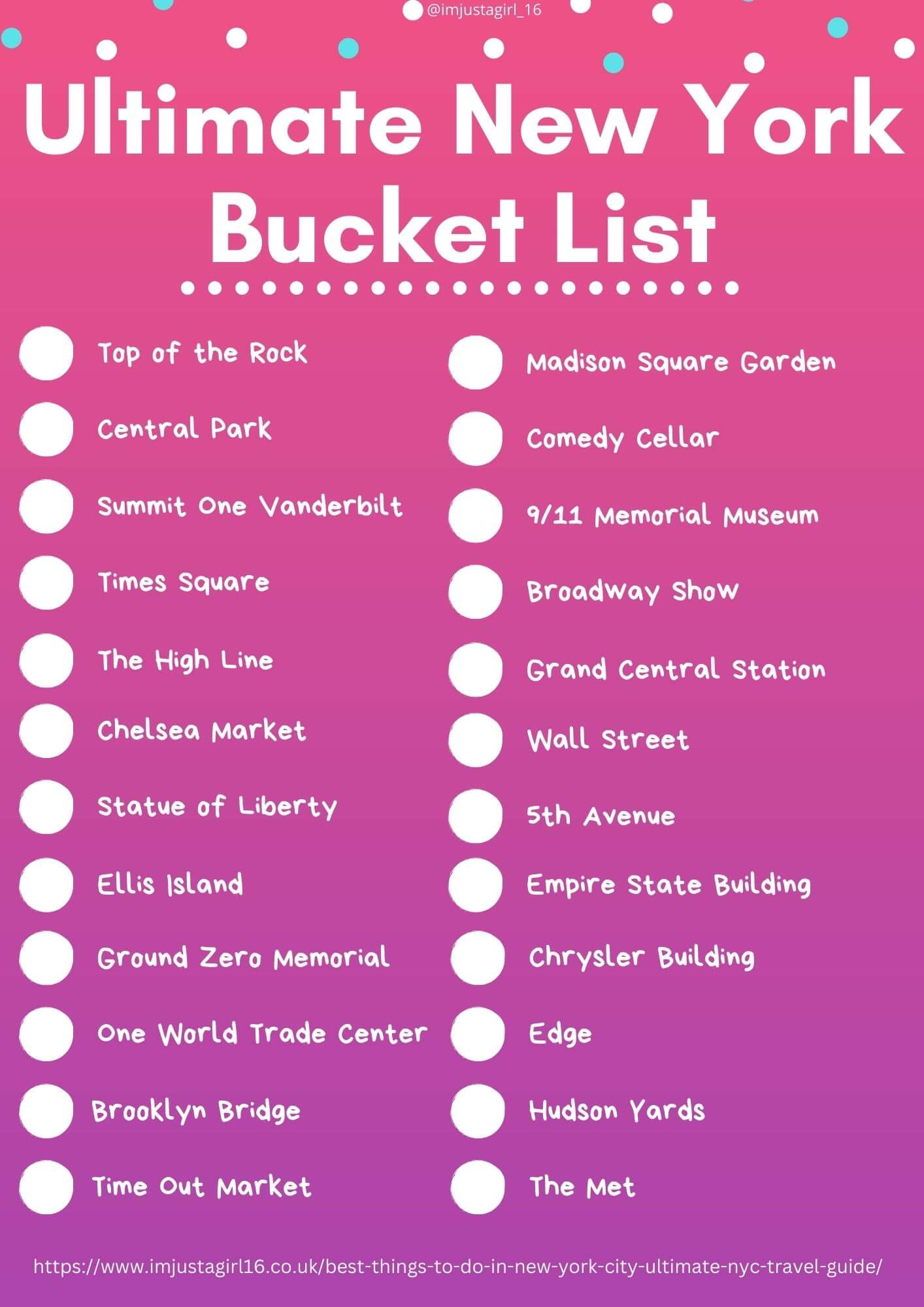
- Parks and Public Spaces: Central Park, Prospect Park, Washington Square Park, and Bryant Park are magnificent green spaces offering free relaxation, people-watching, and often free events like concerts or outdoor movies. The High Line offers stunning urban views and a unique elevated park experience.
- Free Museums and Galleries: Many world-class museums in NYC offer free admission on certain days/hours or operate on a “pay what you wish” policy. The Metropolitan Museum of Art (Met), the American Museum of Natural History, and the Bronx Museum of Art are great examples. Always check their websites for current policies.
- Staten Island Ferry: For the best free view of the Statue of Liberty and the Manhattan skyline, take the Staten Island Ferry. It’s a genuine commuter ferry, not a tourist trap, and offers incredible photo opportunities.
- Walking Tours (Self-Guided or Free/Tip-Based): Explore neighborhoods like Greenwich Village, SoHo, or Wall Street with a self-guided walking tour (using apps or online guides) or join a free walking tour where you tip your guide based on your satisfaction.
- Window Shopping and People-Watching: Simply strolling through iconic neighborhoods like Times Square, Fifth Avenue, or DUMBO offers immense entertainment value. The city itself is a spectacle.
Leveraging New York’s Economic Ecosystem: Opportunities for Income and Value
Beyond managing expenses, New York also presents unique opportunities to generate income or find significant value, especially for those looking for longer-term engagement or entrepreneurial pursuits. The city’s dynamic economic ecosystem is a fertile ground for those who know how to tap into it.
Tapping into the Gig Economy and Side Hustle Scene
New York City’s sheer density and constant demand for services make it a prime location for the gig economy. Whether you’re a student, a temporary resident, or a local looking to supplement your income, there are myriad opportunities.
- Delivery Services: Apps like DoorDash, Uber Eats, Grubhub, and Postmates are always in need of drivers or bike couriers. The constant flow of orders can provide steady supplemental income.
- Ride-Share Driving: If you meet the vehicle and licensing requirements, driving for Uber or Lyft can be a lucrative option, especially during peak hours or events.
- Task-Based Apps: Platforms like TaskRabbit connect you with people needing help with moving, cleaning, handyman services, or running errands.
- Freelancing and Creative Gigs: NYC is a hub for creative industries. If you have skills in writing, photography, graphic design, web development, or social media management, platforms like Upwork or Fiverr can connect you with local clients. Networking in person at industry events can also lead to significant opportunities.
Smart Shopping and Discount Strategies: Getting More for Less
Even in a city renowned for its luxury, smart shopping strategies can yield significant savings and value.
- Outlet Malls (Outside the City): For serious retail therapy, consider venturing to outlet malls like Woodbury Common Premium Outlets, which offer designer brands at discounted prices. Factor in transportation costs, but the savings can be substantial.
- Discount Stores: Stores like TJ Maxx, Marshalls, and Century 21 (when available) offer branded goods at reduced prices.
- Local Markets and Flea Markets: Explore markets like Smorgasburg (food) or Brooklyn Flea (antiques, crafts) for unique finds, often from local artisans, and engage in some friendly bartering.
- Sales and Seasonal Discounts: Keep an eye out for seasonal sales events (e.g., Black Friday, post-holiday sales) that are heavily promoted in NYC.
- Thrift Stores and Consignment: NYC has an excellent selection of thrift and vintage stores where you can find high-quality clothing and unique items for a fraction of their original price.
Investing in NYC: Memberships, Passes, and Long-Term Value
For those planning an extended stay or frequent visits, investing in annual memberships or multi-attraction passes can offer tremendous long-term financial value.
- Museum Memberships: If you plan to visit a particular museum multiple times, an annual membership often pays for itself in just two or three visits. Memberships often come with perks like guest passes, shop discounts, and exclusive event invitations.
- CityPASS or Explorer Pass: These bundled passes offer admission to a selection of top attractions at a discounted rate compared to purchasing individual tickets. Calculate if the attractions you wish to visit justify the cost of the pass.
- Gym Memberships: For residents, joining a local gym (e.g., Planet Fitness, Blink Fitness) can be a cost-effective way to stay fit, often with lower monthly fees than boutique studios.
- Cultural Institution Memberships: Beyond museums, consider memberships to botanical gardens, zoos, or performing arts centers if you have a specific interest. These can provide year-round access and exclusive benefits.
Essential Financial Tools and Digital Strategies for the NYC Explorer
In a city that never sleeps, digital tools and savvy financial strategies are indispensable for managing your money efficiently and securely. Leveraging technology can simplify budgeting, enhance security, and even help you find deals.
Budgeting Apps and Expense Trackers Tailored for Urban Life
The fast pace of NYC means you need quick, accessible ways to track your spending.
- Mobile Banking Apps: Most major banks offer robust mobile apps that allow you to monitor transactions, transfer funds, and set up alerts on the go.
- Budgeting Apps (e.g., Mint, YNAB, Personal Capital): These apps connect to your bank accounts and credit cards, categorizing your spending automatically. They help you visualize where your money is going and stick to your budget.
- Expense Trackers: Simple apps like Expensify or even a spreadsheet can help you manually log cash expenses, which are common for street vendors or small shops. This ensures no small cost slips through the cracks.
- Alerts and Notifications: Set up push notifications for every transaction on your credit and debit cards. This not only helps with tracking but also acts as an immediate fraud detection mechanism.
Payment Solutions and Digital Security in a Bustling City
Digital payments are ubiquitous in NYC, but security remains paramount.
- Contactless Payments: Apple Pay, Google Pay, and other contactless payment options are widely accepted and are often quicker and more secure than swiping a card. They encrypt your payment information, reducing the risk of fraud.
- Credit vs. Debit: Whenever possible, use a credit card for purchases. Credit cards offer better fraud protection and are not directly linked to your bank account, providing an extra layer of security. Only use your debit card at secure ATMs for cash withdrawals.
- Be Wary of Public Wi-Fi: Avoid conducting sensitive financial transactions (like online banking) over unsecured public Wi-Fi networks. If you must, use a Virtual Private Network (VPN).
- ATM Safety: When withdrawing cash, use ATMs inside banks or reputable establishments. Be aware of your surroundings and look for any suspicious attachments on the card reader or keypad.

Maximizing Rewards and Perks: Credit Cards and Loyalty Programs
Smart use of financial products can put money back in your pocket or offer valuable perks.
- Travel Rewards Credit Cards: If you travel to NYC frequently or are visiting from afar, consider a travel rewards credit card. These cards offer points or cashback on flights, hotels, and dining, which can offset future travel costs. Look for cards with no foreign transaction fees if you’re an international visitor.
- Cashback Credit Cards: For everyday spending, a cashback credit card can provide a small but consistent return on your purchases.
- Loyalty Programs: Sign up for loyalty programs at your preferred coffee shops, grocery stores, and restaurants. Many offer free items, discounts, or special promotions that can add up over time.
- Student/Senior Discounts: If applicable, always ask about student or senior discounts at attractions, museums, and even some restaurants. A valid ID can often unlock significant savings.
In a city as dynamic and financially demanding as New York, navigating “what to do” is intrinsically linked to how you manage your money. By adopting a mindset of financial foresight, leveraging available resources, and employing smart spending strategies, you can transform your New York experience from an expensive endeavor into an unforgettable journey filled with value, discovery, and priceless memories. The city offers boundless opportunities; with the right financial approach, you can truly make them your own.
aViewFromTheCave is a participant in the Amazon Services LLC Associates Program, an affiliate advertising program designed to provide a means for sites to earn advertising fees by advertising and linking to Amazon.com. Amazon, the Amazon logo, AmazonSupply, and the AmazonSupply logo are trademarks of Amazon.com, Inc. or its affiliates. As an Amazon Associate we earn affiliate commissions from qualifying purchases.