
In the rapidly evolving landscape of personal finance, the transition from traditional banking institutions to agile fintech solutions has redefined how we interact with our money. One of the most prominent players in this shift is Cash App, a platform that has moved beyond simple peer-to-peer transfers to become a comprehensive financial ecosystem. Central to this ecosystem is the Cash Card—a customizable Visa debit card linked directly to your Cash App balance. For many users, the arrival of this card marks a significant step in their journey toward better liquidity management and financial flexibility. However, a common question arises once the “order” button is pressed: how long does a Cash App card take to arrive, and how does it fit into a broader personal finance strategy?
The Standard Delivery Timeline and Shipping Logistics
When you request a Cash Card through the app, you aren’t just ordering a piece of plastic; you are initiating a logistics chain that involves identity verification, card manufacturing, and standard postal transit. Under normal circumstances, Cash App states that the Cash Card should arrive within 7 to 10 business days. It is important to distinguish between “business days” and “calendar days,” as weekends and federal holidays can extend the real-world waiting period to two full weeks.
The Verification and Customization Phase
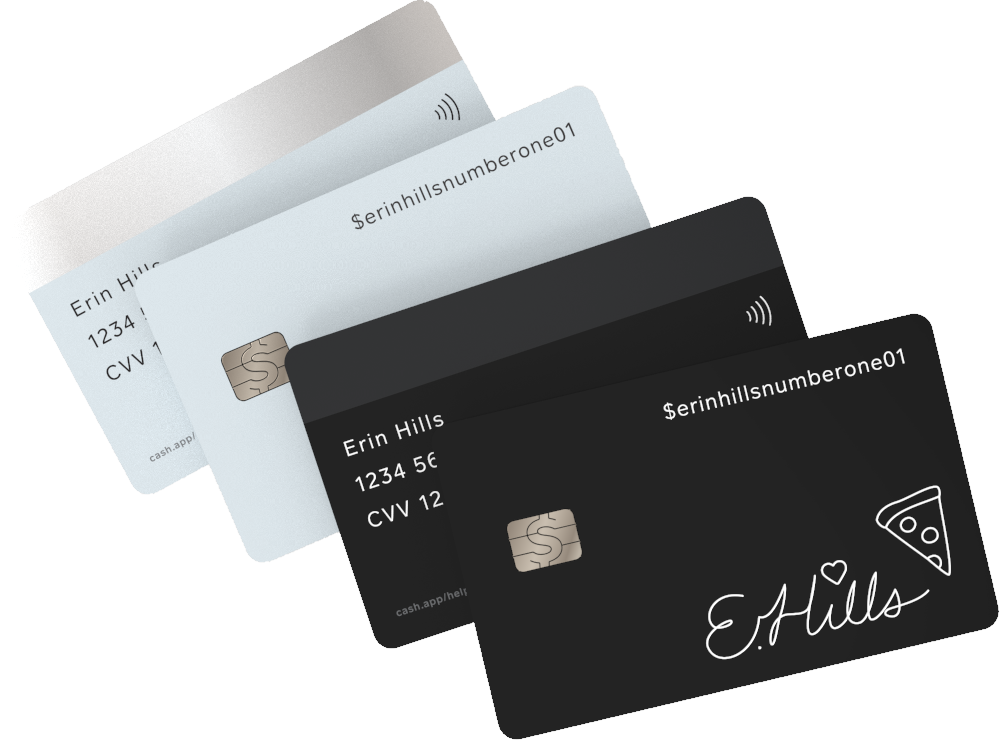
The timeline begins the moment you complete the application. Because Cash App operates within the regulated financial sector, they must verify your identity to comply with “Know Your Customer” (KYC) regulations. This usually happens instantaneously if your account is already verified, but any discrepancies in your legal name, social security number, or date of birth can cause an initial delay. Once cleared, the card enters the customization phase. Unlike standard bank cards, Cash App allows users to laser-etch a unique “Cashtag,” signature, or even small icons onto the card face. While this adds a layer of personal branding, it also requires a specialized printing process before the card is packaged for shipment.
The Role of the United States Postal Service (USPS)
Cash App typically utilizes standard first-class mail via the USPS for card delivery. This choice keeps the card free for the user but subjects the delivery to the variations of the postal system. Factors such as your geographical distance from the card-printing facility, local sorting office efficiency, and seasonal mail volumes (such as during the December holiday rush) can influence whether your card arrives on day seven or day fourteen. Because the card is sent in a discreet, standard-sized envelope to prevent theft, it may occasionally be overlooked in a stack of junk mail, making it essential to monitor your mailbox closely starting around the one-week mark.
Maximizing Your Money While You Wait
One of the most innovative aspects of modern financial tools is the decoupling of the “account” from the “physical token.” While you wait for the physical card to arrive in your mailbox, your financial utility is not sidelined. Cash App provides a virtual version of the card immediately upon approval, which serves as a powerful bridge for your personal finance needs.
Leveraging the Virtual Cash Card
As soon as you order your card, the digital credentials—the 16-digit card number, expiration date, and CVV—become accessible within the app. This allows you to integrate the card into your digital wallet, such as Apple Pay or Google Pay, almost instantly. From a money management perspective, this is a game-changer. It means you can begin using your Cash App balance for grocery runs, gas, or online subscriptions without waiting for the mail. This “instant-on” capability ensures that your cash flow remains uninterrupted, a vital feature for those using Cash App as their primary spending account.
Organizing Your Cash Flow
The waiting period is an excellent time to organize your inflows. If you plan to use the Cash Card for specific budgeting categories—such as “entertainment” or “dining out”—you can use the app’s “Add Cash” feature to move funds from a traditional linked bank account into your Cash App balance. By the time the physical card arrives, your account will be fully funded and ready for use. This proactive approach to budgeting is a hallmark of disciplined personal finance, ensuring that the tool is ready to serve your goals the moment it is activated.
Troubleshooting Delays and Ensuring Financial Security
In the world of personal finance, security and reliability are paramount. If your Cash Card has not arrived within the 14-day window, it is crucial to take measured steps to protect your account and ensure your funds remain secure.
What to Do If the Card Is Delayed
If the 10-business-day window passes without a delivery, the first step is to check the status in the app. Cash App provides basic tracking information that indicates when the card was shipped. If the app shows “delivered” but the card is nowhere to be found, it is possible the envelope was lost in transit or delivered to a neighbor. In these instances, you should report the card as “not arrived” through the support menu. Cash App will typically deactivate the original card number and issue a replacement. From a security standpoint, this is essential; you never want an active debit card floating around the mail system or in the hands of an unauthorized individual.
Activating the Physical Card Safely
When the card finally arrives, the activation process is designed to be seamless but secure. You will receive a QR code in the mailer alongside your card. By scanning this code with your phone’s camera through the Cash App interface, you link the physical plastic to your digital account. If the QR code is missing or damaged, you can manually enter the card details. This final step is the most critical for your financial security, as it confirms that the card is in the correct hands before it can be used for physical “swipe” transactions or ATM withdrawals.
Leveraging the Cash Card for Long-Term Financial Health
Once the Cash Card is in your wallet, it becomes more than just a piece of plastic; it is a tool for optimizing your spending and saving. Integrating this card into your long-term financial strategy requires an understanding of the unique features Cash App offers that traditional banks often lack.
The Power of “Cash Boosts”
Perhaps the most significant financial benefit of the Cash Card is the “Boost” program. This is a form of instant cashback that can be applied to specific merchants. Unlike traditional credit card rewards that may take a full billing cycle to appear, Boosts provide immediate savings at the point of sale. For an individual focused on optimizing every dollar, selecting the right Boost—whether for groceries, coffee shops, or major retailers—can result in hundreds of dollars of savings over the course of a year. This immediate return on spending is a powerful mechanism for lowering your cost of living.
Direct Deposit and Financial Consolidation
Many users choose to have their paychecks direct-deposited into their Cash App account. Because Cash App provides a routing and account number, it can function as a “neobank.” Direct deposits can often be cleared up to two days earlier than at traditional banks, which improves your liquidity. When combined with the physical Cash Card, this allows for a closed-loop system where your income arrives, your savings are partitioned (perhaps into Bitcoin or stocks via the app’s investment features), and your discretionary spending is managed via the card.

Integrating with Investment Goals
The Cash Card is part of a broader platform that includes fractional stock investing and Bitcoin purchasing. For a savvy user, the card represents the “spending” arm of a holistic financial plan. By using the app to monitor spending patterns, a user can identify surplus funds that can then be diverted into the market. The convenience of having your spending, saving, and investing tools all in one place reduces the friction typically associated with wealth building.
In conclusion, while the physical delivery of a Cash App card takes between 7 and 10 business days, the financial utility of the account begins almost immediately. By understanding the logistics of the shipment, utilizing the virtual card for immediate needs, and troubleshooting any delays with a security-first mindset, you can effectively integrate this tool into your personal finance arsenal. The Cash Card is not just a method of payment; it is a gateway to a more modern, efficient, and rewarding way to manage your money. Whether through instant-access virtual payments or the long-term benefits of Cash Boosts, the card serves as a vital bridge between your digital assets and the physical world.
aViewFromTheCave is a participant in the Amazon Services LLC Associates Program, an affiliate advertising program designed to provide a means for sites to earn advertising fees by advertising and linking to Amazon.com. Amazon, the Amazon logo, AmazonSupply, and the AmazonSupply logo are trademarks of Amazon.com, Inc. or its affiliates. As an Amazon Associate we earn affiliate commissions from qualifying purchases.