
Salt Lake City (SLC) has long been celebrated for its proximity to world-class ski resorts and breathtaking outdoor vistas. However, in the last decade, a new landscape has emerged that is just as formidable as the Wasatch Range: “Silicon Slopes.” This tech corridor, stretching from Salt Lake City down to Provo, has become a global powerhouse for software development, cloud computing, and artificial intelligence. For the visiting tech professional, the entrepreneur, or the digital nomad, “what to do in Salt Lake” is no longer a question of which trail to hike, but rather how to navigate one of the most vibrant technological ecosystems in North America.

This guide explores the Salt Lake tech scene, offering a roadmap for engaging with the local industry, leveraging its unique resources, and understanding why this region has become a magnet for high-growth enterprise software and cutting-edge hardware innovation.
1. Exploring the Silicon Slopes Ecosystem: Infrastructure and Innovation
The foundation of Salt Lake City’s tech dominance lies in its robust infrastructure and a unique corporate culture that blends “pioneer spirit” with modern venture capital. To understand what to do in Salt Lake from a tech perspective, one must first engage with the physical and digital hubs that define the region.
The Rise of the SaaS Powerhouses
Salt Lake City and its surrounding areas are the birthplace of several “unicorns” and decacorns that have redefined the Software as a Service (SaaS) model. Companies like Qualtrics, Adobe (via its massive Lehi campus), and Domo have set the standard for enterprise-level data analytics and experience management.
For a visitor, exploring these campuses—many of which offer public-facing events or architectural tours—provides insight into how SLC integrates work-life balance into high-output environments. The architecture of these buildings often reflects the local geography, emphasizing transparency, open spaces, and integration with the natural environment, which has become a hallmark of the Salt Lake tech brand.
Leveraging Co-working Spaces and Innovation Hubs
If you are looking for a place to build your next MVP or connect with local developers, Salt Lake City offers a variety of high-tech co-working environments. Spaces like The Shop or Work Hive are more than just desks; they are epicenters for the city’s startup culture.
These hubs frequently host “pitch nights” and “demo days,” allowing visitors to witness the next generation of fintech and health-tech companies in their infancy. Engaging with these spaces is the most direct way to immerse oneself in the local tech community, providing opportunities to collaborate with engineers who are moving away from the saturated markets of Silicon Valley in favor of Salt Lake’s lower cost of living and high quality of life.
2. Tapping into Salt Lake’s AI and Emerging Tech Scene
As the global conversation shifts toward generative AI and machine learning, Salt Lake City has positioned itself at the forefront of this transition. The region’s universities—most notably the University of Utah and Brigham Young University—serve as feeder programs for a workforce that is deeply specialized in computational science.
AI Integration in Local Enterprises
In Salt Lake, AI is not just a buzzword; it is being integrated into the core architecture of legacy businesses and new startups alike. From AI-driven logistics platforms that manage shipping through the rugged Western terrain to machine learning algorithms used in the local biotech sector (BioHive), the applications are diverse.
When visiting, one should look for specialized AI meetups often held at the Lassonde Entrepreneur Institute. Here, the focus is frequently on the ethical application of AI and the transition from traditional data processing to predictive modeling. Understanding how SLC firms are navigating the transition to AI-first workflows offers a blueprint for any tech professional looking to modernize their own operations.
The Role of Cybersecurity in the Region’s Growth
With the presence of major data centers and the proximity of the NSA’s Utah Data Center, cybersecurity has become a cornerstone of the local tech economy. Salt Lake City hosts a high concentration of security professionals focused on cloud security and threat intelligence.
For the tech-savvy visitor, engaging with the local chapters of organizations like ISACA or the Cloud Security Alliance (CSA) is a must. The city frequently hosts regional cybersecurity symposiums that delve into the specifics of protecting decentralized workforces—a topic of particular relevance given the high percentage of remote and hybrid tech roles within the state.
3. Professional Networking and Digital Communities
The true value of the Salt Lake tech scene is found in its people. The community is famously “Utah Nice”—approachable, collaborative, and eager to network. Knowing where to find these professional circles is essential for anyone wanting to make the most of their time in the city.

Key Annual Conferences and Tech Summits
The Silicon Slopes Summit is the premier event in the region, often attracting over 20,000 attendees. It features speakers from global tech giants and offers a deep dive into the trends shaping the industry. If your visit coincides with this summit, it is the single most important “thing to do” for professional growth.
Beyond the flagship summit, the city hosts specialized events like Utah JS (for JavaScript developers) and various DevOps days. These conferences are known for their high technical depth and lack of pretension, making them excellent venues for genuine skill-sharing and high-level networking.
Navigating Local Developer Meetups and User Groups
On a weekly basis, Salt Lake City’s tech scene stays active through niche user groups. Whether your interest is in Rust, Python, AWS, or Blockchain, there is likely a meetup happening in the downtown core or the nearby “Silicon Slopes” corridor.
Platforms like Meetup.com and local Slack channels (such as the Utah Tech Slack) are the primary tools for finding these gatherings. Attending a local user group in Salt Lake often leads to “hallway tracks” where some of the most innovative regional partnerships are formed. It is in these informal settings that you can learn about the “hidden” job market and the latest tools being adopted by local engineering teams.
4. Investing in Your Digital Toolkit: SLC’s EdTech and Upskilling
Salt Lake City is a hub for educational technology, driven by a cultural emphasis on continuous improvement and a pragmatic approach to career development. This makes the city an ideal place to “sharpen the saw” regarding your technical skills.
Bootcamp Culture and Technical Education
The city is home to several top-tier coding bootcamps and technical training centers, such as V School and DevPoint Labs. These institutions have pioneered the “income share agreement” and “human-centered” models of tech education.
For professionals, these centers often host workshops on emerging languages or project management methodologies (Agile, Scrum, Kanban). Visiting these campuses allows you to see the future of tech education—a model that is faster, more flexible, and more closely aligned with the immediate needs of the industry than traditional four-year degrees.
Remote Work Infrastructure and Connectivity
For the digital nomad wondering what to do in Salt Lake while maintaining a full-time tech role, the city’s infrastructure is world-class. Utah boasts some of the fastest residential and commercial internet speeds in the United States, thanks to early investments in fiber-optic networks (like Google Fiber and UTOPIA Fiber).
This high-speed connectivity has made SLC a “Zoom Town” favorite. The city’s libraries—especially the main Salt Lake City Public Library, an architectural marvel—offer high-speed access and quiet pods for deep work. The ability to seamlessly switch from a high-stakes deployment to a mountain bike trail in under thirty minutes is the ultimate “tech perk” of the region.
5. The Future of the Silicon Slopes: Predictions and Trends
As we look toward the next decade, Salt Lake City is positioned to evolve from a regional tech hub into a global contender. Understanding these future trends is vital for anyone looking to invest time or capital into the area.
Sustainability and Green Tech Initiatives
There is a growing movement within the Salt Lake tech community to address regional challenges, such as air quality and water conservation, through technology. This has given rise to a burgeoning “Green Tech” or “Climate Tech” sector.
Startups are increasingly focusing on smart grid technology, electric vehicle (EV) infrastructure, and IoT sensors for environmental monitoring. For tech professionals interested in the intersection of software and environmental impact, Salt Lake is becoming a living laboratory for these innovations.
The Expansion of the Tech Corridor
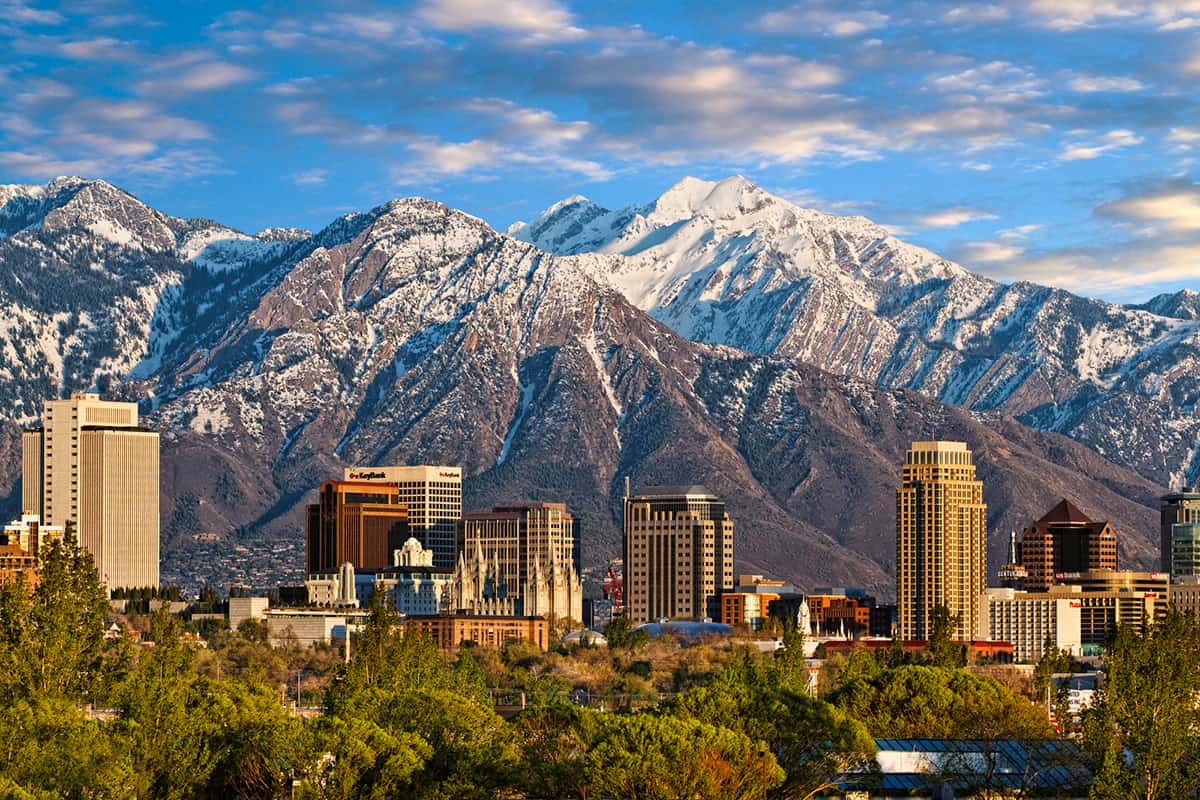
The “Silicon Slopes” are expanding. While the initial growth was centered in Lehi and Draper, we are now seeing a “northward” push into the downtown Salt Lake core and a “westward” expansion into the Northwest Quadrant.
This expansion is being fueled by the “Point of the Mountain” redevelopment project—a massive undertaking to turn a former prison site into a world-class tech and innovation district. Keeping an eye on this development is crucial for those interested in commercial real estate tech (PropTech) and urban planning technology.
In conclusion, “what to do in Salt Lake” from a technological perspective is to engage with a community that is building the future of software and systems. It is a city where the code is as crisp as the mountain air, and the opportunities for professional growth are as expansive as the Great Salt Lake itself. Whether you are attending a major summit, hacking at a local co-working space, or exploring the latest in AI-driven enterprise solutions, Salt Lake City offers a tech experience that is both deep in substance and high in altitude.
aViewFromTheCave is a participant in the Amazon Services LLC Associates Program, an affiliate advertising program designed to provide a means for sites to earn advertising fees by advertising and linking to Amazon.com. Amazon, the Amazon logo, AmazonSupply, and the AmazonSupply logo are trademarks of Amazon.com, Inc. or its affiliates. As an Amazon Associate we earn affiliate commissions from qualifying purchases.