
In an era of economic uncertainty and ever-present financial goals, the question “how much should I save per paycheck?” is more pertinent than ever. For many, it’s a foundational query that underpins all other personal finance decisions. It’s not just about accumulating wealth; it’s about building resilience, achieving dreams, and securing peace of mind. While the answer isn’t a one-size-fits-all figure, understanding the principles behind a personalized savings strategy, often guided by a reliable calculator, is the first critical step toward financial empowerment.
The journey to financial security begins with consistent, intentional saving. Every paycheck represents an opportunity to allocate resources not just for immediate needs but for future aspirations. This article delves into the significance of per-paycheck savings, explores the factors that influence your ideal savings rate, introduces the utility of a dedicated calculator, and outlines actionable strategies to optimize your financial habits.
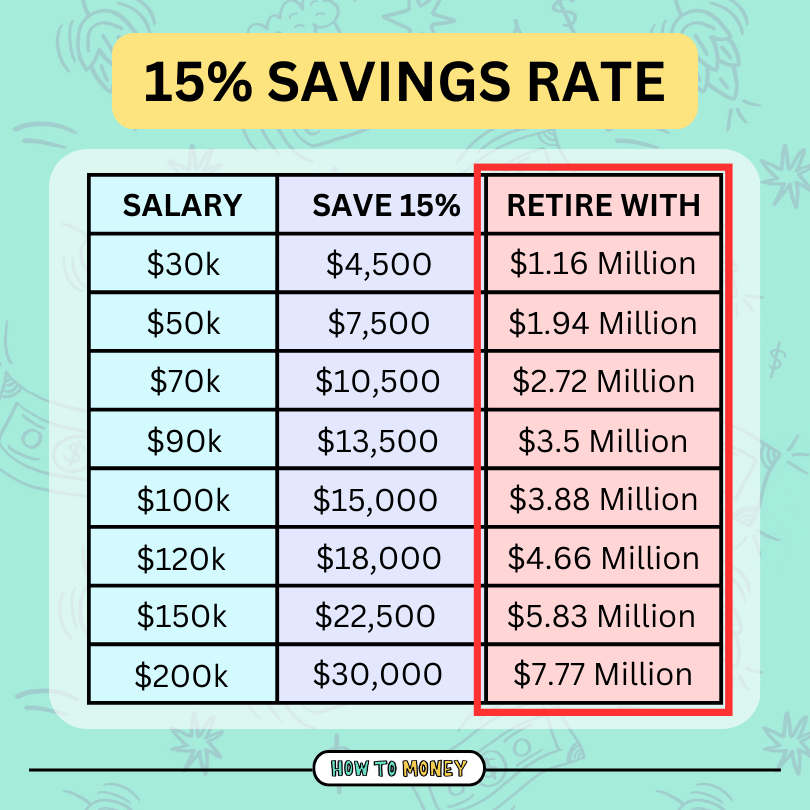
The Foundation of Financial Freedom: Why Saving Per Paycheck Matters
Saving money isn’t merely about having a large bank balance; it’s about creating a buffer against unforeseen circumstances, funding life’s significant milestones, and ultimately achieving a state of financial freedom where your money works for you. By dedicating a portion of each paycheck to savings, you establish a disciplined habit that compounds over time, leading to substantial benefits.
Building an Emergency Fund
One of the most immediate and critical reasons to save per paycheck is to build an emergency fund. Life is unpredictable, and unexpected expenses — medical emergencies, job loss, car repairs, or home maintenance issues — can quickly derail even the most carefully constructed financial plans. An adequate emergency fund typically covers 3 to 6 months (or even more, depending on your risk tolerance and job security) of essential living expenses. By consistently contributing a fixed amount from each paycheck, you systematically build this vital safety net, transforming potential crises into minor inconveniences. This fund prevents you from resorting to high-interest debt, preserving your financial stability.
Achieving Short-Term Goals
Beyond emergencies, per-paycheck savings are instrumental for achieving a variety of short-term goals that enhance your quality of life. Whether you’re saving for a down payment on a new car, a dream vacation, a significant home appliance, or a skill-building course, breaking down these larger costs into manageable per-paycheck contributions makes them feel attainable. Without a structured savings plan, these goals often remain aspirational rather than becoming realities. Consistent contributions turn abstract desires into concrete financial targets with clear timelines.
Securing Long-Term Prosperity (Retirement, Homeownership, Education)
While immediate needs and short-term desires are important, the true power of per-paycheck saving lies in its ability to secure your long-term prosperity. Retirement planning is perhaps the most significant long-term goal for most individuals. Starting early and contributing consistently from each paycheck allows the magic of compound interest to work its wonders over decades. Similarly, saving for a down payment on a home, funding a child’s education, or even planning for early retirement requires a disciplined approach to consistent saving. These monumental goals are daunting if approached haphazardly, but become perfectly achievable when broken down into regular, automated contributions.
The Power of Compound Interest
Albert Einstein reportedly called compound interest the “eighth wonder of the world.” When you save money, and that money earns interest, and then that interest also earns interest, your money grows exponentially. The earlier and more consistently you contribute from each paycheck, the more time your money has to compound. Even small, regular contributions can grow into substantial sums over time, making consistent per-paycheck saving the most potent tool in your wealth-building arsenal. It truly illustrates how time and discipline can be more impactful than the sheer size of initial contributions.
Understanding Your Savings Capacity: Key Factors to Consider
While the benefits of saving are clear, determining the exact amount you should save per paycheck requires a personalized assessment. There isn’t a universal percentage that applies to everyone because individual circumstances vary greatly. A realistic and sustainable savings plan is built upon a thorough understanding of your current financial situation, future aspirations, and unique life stage.
Income and Expenses: The Budgetary Baseline
The bedrock of any savings plan is your budget. Before you can determine how much to save, you must first know how much you earn and, critically, how much you spend.
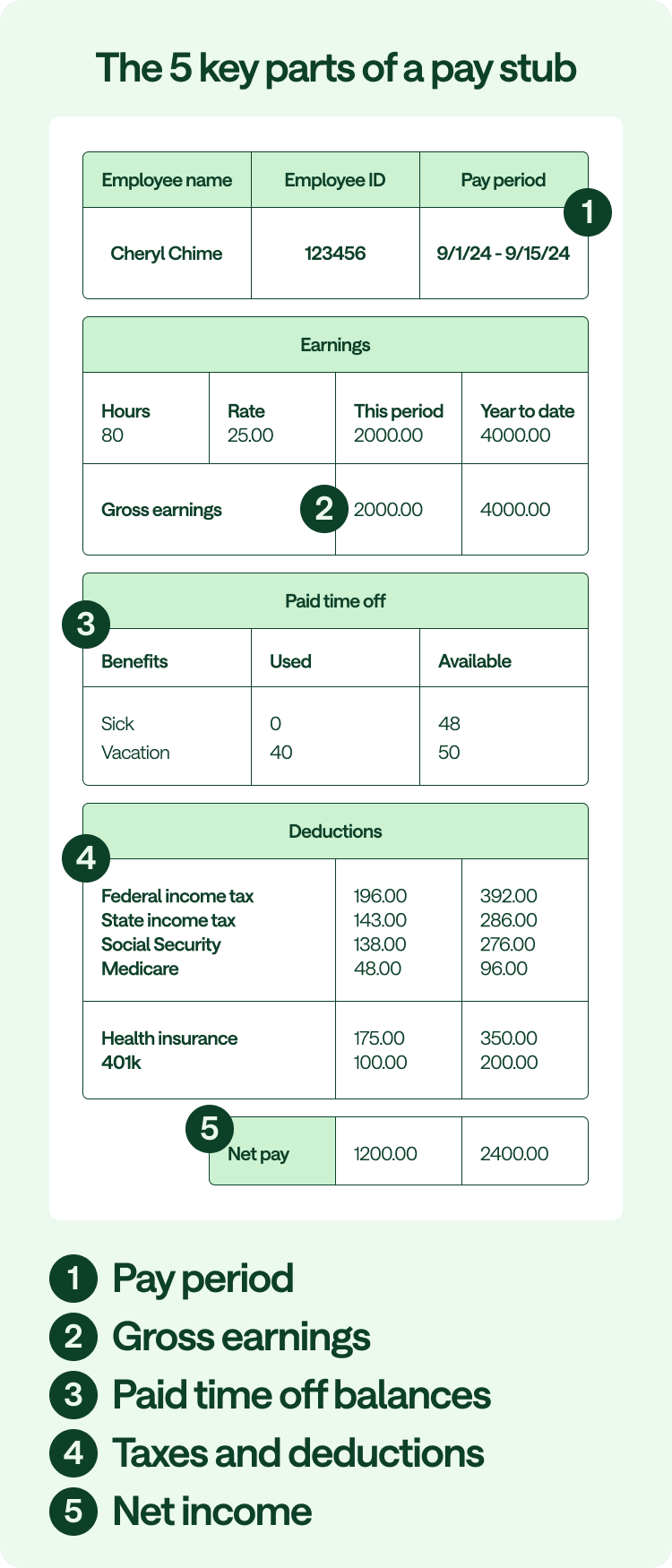
- Income: Your net income (after taxes and deductions) is the maximum amount you have available.
- Fixed Expenses: These are recurring costs that generally stay the same each month, such as rent/mortgage, loan payments, insurance premiums, and subscription services.
- Variable Expenses: These fluctuate month to month and include groceries, utilities, transportation, entertainment, and dining out.
By meticulously tracking your income and expenses, you can identify where your money is going and pinpoint areas where you might be able to cut back. This understanding forms the “base” of your savings capacity – the surplus you theoretically have after essential spending. Tools like budgeting apps, spreadsheets, or even pen and paper can help you gain this clarity.
Debt Obligations: Prioritizing Repayment
Your existing debt load significantly impacts your ability to save. High-interest debts, such as credit card balances or personal loans, can erode your financial progress rapidly. While it’s crucial to save something for an emergency fund, prioritizing the repayment of high-interest debt often yields a higher “return” than most savings vehicles, as it eliminates costly interest charges. A balanced approach might involve contributing a small amount to savings while aggressively paying down debt. Once high-interest debts are cleared, the money previously allocated to payments can be redirected entirely to savings and investments.
Financial Goals: Defining What You’re Saving For
The amount you save per paycheck should directly reflect your financial goals. Are you aiming to retire early? Buy a house in five years? Save for a child’s college education? Each goal has an associated cost and a timeline. Defining these goals provides motivation and helps you calculate the necessary monthly or bi-weekly contributions to reach them. For example, a person aiming for early retirement will likely need to save a significantly higher percentage of their income than someone primarily focused on building a modest emergency fund.
Life Stage and Responsibilities
Your stage of life also plays a crucial role.
- Young Professionals: Often have fewer dependents and lower expenses, allowing for a higher savings rate, especially as they begin their careers and benefit from compounding over a longer period.
- Families with Young Children: May face increased expenses related to childcare, education, and household needs, potentially reducing their immediate savings capacity.
- Mid-Career Individuals: Might be juggling mortgage payments, college savings, and retirement planning, requiring a sophisticated balancing act.
- Near Retirement: May focus on maximizing contributions to catch up or ensure their nest egg is sufficient.
Considering your current responsibilities, dependents, and future obligations helps tailor a realistic and sustainable savings target for each paycheck.
Introducing the “How Much Should I Save Per Paycheck” Calculator: Your Personalized Tool
Given the multitude of variables influencing your optimal savings rate, manually calculating an ideal figure can be daunting. This is where a specialized “How Much Should I Save Per Paycheck” calculator becomes an invaluable financial tool. These calculators are designed to take your unique inputs and provide a personalized, actionable recommendation, simplifying a complex financial decision.
How a Calculator Simplifies the Process
A well-designed savings calculator cuts through the complexity by automating the computations. Instead of wrestling with percentages, timelines, and goal amounts, you input your data, and the calculator processes it instantly. It provides a clear, data-driven answer that eliminates guesswork and promotes confidence in your financial planning. This simplification encourages engagement and makes the act of planning less intimidating, especially for those new to structured saving.
Inputs: What Information You’ll Need
To provide an accurate recommendation, a comprehensive savings calculator typically requires several key pieces of information:
- Net Paycheck Amount: Your take-home pay after taxes and deductions.
- Pay Frequency: How often you get paid (weekly, bi-weekly, semi-monthly, monthly).
- Monthly Expenses: A realistic breakdown of your fixed and variable expenditures.
- Current Savings: Any existing emergency fund or other savings you have.
- Financial Goals (and their timelines/amounts):
- Emergency Fund Target (e.g., 6 months of expenses).
- Short-term Goals (e.g., $5,000 for a car down payment in 18 months).
- Long-term Goals (e.g., retirement, home down payment, education fund).
- Desired Savings Percentage/Target: Some calculators allow you to input a target percentage (e.g., 10%, 20%) or a specific amount you wish to save, then show you if it’s feasible.
- Interest Rate (optional): For long-term goals, knowing an estimated annual interest rate on your savings or investments can help project growth.
The more accurate and detailed your inputs, the more precise and helpful the calculator’s output will be.
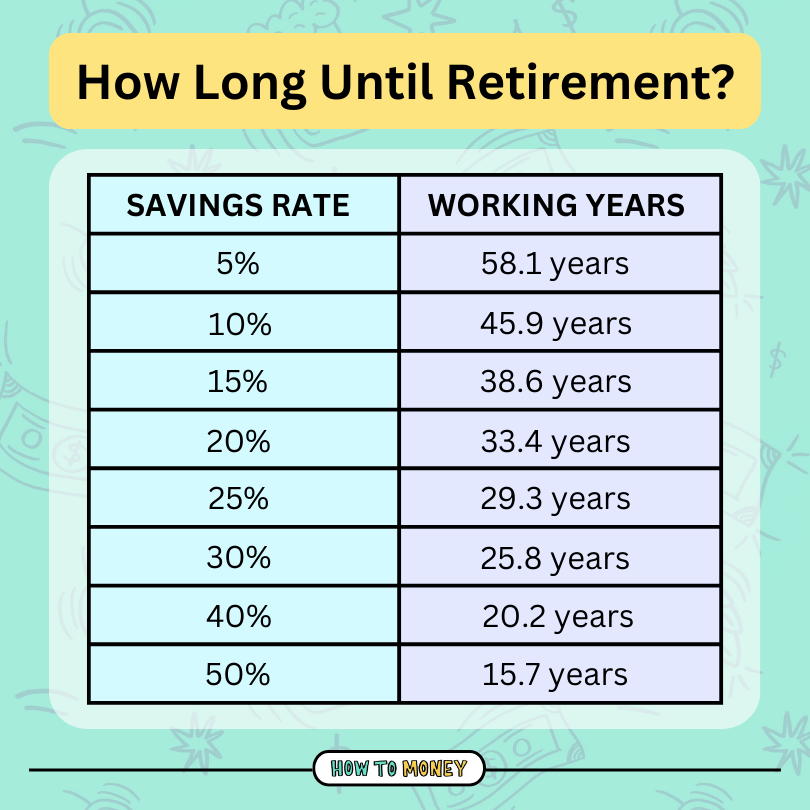
Outputs: Understanding the Recommendations
Based on your inputs, the calculator will generate specific recommendations, which might include:
- Recommended Per-Paycheck Savings Amount: A concrete dollar figure you should aim to save from each paycheck.
- Recommended Savings Rate: A percentage of your income to save.
- Projected Goal Achievement Dates: How long it will take to reach your various financial goals at the recommended savings rate.
- Gap Analysis: Highlighting any shortfalls if your current plan isn’t sufficient for your goals, prompting you to adjust.
- Scenario Planning: Some advanced calculators allow you to adjust inputs (e.g., save an extra $50 per paycheck) to see the impact on your timelines and totals.
These outputs provide a clear roadmap, transforming abstract goals into quantifiable targets and actionable steps.
Customizing Your Savings Strategy
A calculator provides a starting point, but your strategy should remain flexible. The “ideal” recommendation is a guide, not a rigid rule. You might decide to:
- Prioritize certain goals: Allocate more to your emergency fund initially, then shift focus to retirement once it’s built.
- Adjust based on windfalls: Use bonuses, tax refunds, or unexpected income to accelerate savings.
- Re-evaluate periodically: As your income, expenses, and life circumstances change, revisit the calculator and adjust your per-paycheck savings accordingly.
The calculator serves as a powerful, dynamic tool in your ongoing financial management.
Practical Strategies to Boost Your Per-Paycheck Savings
Knowing how much to save is one thing; actually doing it consistently is another. Implementing effective strategies can transform your savings goals from aspirational to achievable, making the process smoother and more sustainable.
Automate Your Savings
This is arguably the most impactful strategy. Set up an automatic transfer from your checking account to your savings or investment account immediately after each paycheck lands. Treat savings as a non-negotiable “bill” that gets paid first. When you automate, you remove the temptation to spend the money and ensure consistency. Most banks allow you to schedule recurring transfers, making this a simple yet powerful habit to adopt. “Out of sight, out of mind” works wonders for savings.
The 50/30/20 Rule: A Guiding Principle
A popular budgeting guideline, the 50/30/20 rule, suggests allocating your after-tax income as follows:
- 50% to Needs: Housing, utilities, groceries, transportation, insurance, minimum loan payments.
- 30% to Wants: Dining out, entertainment, hobbies, shopping, vacations.
- 20% to Savings & Debt Repayment: This includes emergency funds, retirement contributions, investment accounts, and extra payments on non-mortgage debt.
While not strict, this rule provides a useful framework. If a calculator suggests a lower savings rate, you can work towards the 20% benchmark. If you can save more, even better! It helps you visualize where your money should ideally be going and makes it easier to spot imbalances.
Cut Unnecessary Expenses
Take a hard look at your variable expenses. Are there subscriptions you no longer use? Can you pack lunches instead of buying them? Are there cheaper alternatives for entertainment or transportation? Even small cuts, like foregoing a daily coffee or reducing takeout meals, can free up significant amounts over a month or year. Use a budgeting app to categorize your spending and identify “leakage” where money is being spent without much return on happiness or utility. Redirecting these freed-up funds directly into your per-paycheck savings can dramatically accelerate your progress.
Increase Your Income
While cutting expenses is crucial, sometimes increasing your income is an even more effective way to boost savings. Consider side hustles, freelancing, asking for a raise, or investing in skills that lead to higher-paying opportunities. Even a modest increase in income, if channeled directly into savings, can make a substantial difference. If you receive a raise or bonus, resist lifestyle creep and commit to saving a significant portion of that extra money.
Review and Adjust Regularly
Your financial life is not static. Income changes, expenses fluctuate, and goals evolve. Make it a habit to review your budget and savings plan at least once a quarter, or whenever a major life event occurs (new job, marriage, birth of a child, etc.). Use your calculator again to re-evaluate your per-paycheck savings target. Regular adjustments ensure your plan remains aligned with your current reality and future aspirations.
Beyond the Calculator: Maintaining Momentum and Building Wealth
A “how much should I save per paycheck” calculator is an excellent starting point, but true financial success requires ongoing commitment, strategic decisions, and a forward-looking perspective. Building wealth is a marathon, not a sprint, and involves more than just accumulating cash in a savings account.
Diversifying Your Savings Vehicles
Once your emergency fund is robust, consider diversifying where you put your per-paycheck savings.
- High-Yield Savings Accounts: For short-term goals and a portion of your emergency fund, these offer better returns than traditional savings accounts.
- Retirement Accounts (401(k), IRA): These offer significant tax advantages and are crucial for long-term wealth building. Maximize employer matches in your 401(k) first, as this is essentially free money.
- Investment Accounts (Brokerage Accounts): For long-term goals beyond retirement, investing in stocks, bonds, or mutual funds can offer higher growth potential, albeit with higher risk. Understanding your risk tolerance is key here.
- Health Savings Accounts (HSAs): If eligible, these offer a triple tax advantage for healthcare expenses and can be invested for long-term growth.
Aligning your savings goals with the appropriate savings vehicle ensures your money works as efficiently as possible for you.
Staying Motivated: Tracking Progress and Celebrating Milestones
The journey to financial freedom can be long, and motivation can wane. Keep your spirits up by actively tracking your progress. Visualize your emergency fund growing, see your investment accounts increase, and tick off milestones as you achieve them. Celebrate small wins – reaching your first $1,000 in savings, paying off a credit card, or funding a short-term goal. These celebrations reinforce positive financial habits and keep you engaged with your long-term vision. Share your progress with an accountability partner or financial advisor if that helps.
Seeking Professional Financial Advice
While calculators and online resources are powerful, a qualified financial advisor can provide personalized guidance, especially as your financial situation becomes more complex. An advisor can help you:
- Develop a comprehensive financial plan.
- Optimize your investment strategy.
- Navigate tax implications.
- Plan for specific life events like retirement or estate planning.
- Provide an objective perspective and hold you accountable.
Consider seeking professional help when you feel overwhelmed or when your financial needs extend beyond what basic tools can address.
Adapting to Life Changes
Life is dynamic. A job change, marriage, children, divorce, health issues, or even a sudden inheritance can drastically alter your financial landscape. Be prepared to adapt your savings strategy accordingly. This means revisiting your budget, re-evaluating your goals, and potentially adjusting your per-paycheck savings rate. The most successful financial plans are flexible and resilient, capable of bending without breaking when faced with life’s inevitable twists and turns.
In conclusion, determining “how much should I save per paycheck” is a personalized exercise in financial planning. By understanding the importance of saving, honestly assessing your financial capacity, leveraging the power of a dedicated calculator, and implementing practical, sustainable strategies, you can confidently build a secure financial future. Remember, consistency and discipline are your most valuable assets on this journey. Start today, stay committed, and watch your financial freedom unfold.
aViewFromTheCave is a participant in the Amazon Services LLC Associates Program, an affiliate advertising program designed to provide a means for sites to earn advertising fees by advertising and linking to Amazon.com. Amazon, the Amazon logo, AmazonSupply, and the AmazonSupply logo are trademarks of Amazon.com, Inc. or its affiliates. As an Amazon Associate we earn affiliate commissions from qualifying purchases.