
Rapid City, nestled in the heart of the Black Hills of South Dakota, offers an unparalleled blend of natural beauty, historical significance, and vibrant local culture. For the astute visitor or the strategic investor, however, Rapid City is more than just a destination; it’s an economic ecosystem ripe with financial considerations and opportunities. This guide transcends the typical tourist itinerary, reframing “what to do” through a professional lens of personal finance, investment strategy, and economic insight, ensuring every experience is not just memorable but also financially intelligent.

Optimizing Your Travel Budget: Investing in Experiences, Not Just Expenses
Embarking on a journey to Rapid City doesn’t have to break the bank. By approaching your trip with a sound financial strategy, you can maximize value, minimize unnecessary expenditure, and ensure your investment of time and money yields rich, unforgettable returns. This section delves into how to budget effectively for Rapid City’s myriad attractions, transforming potential costs into calculated investments in experience.
Crafting a Cost-Effective Itinerary for Iconic Landmarks
Rapid City is the gateway to some of America’s most treasured national landmarks. While the sheer grandeur of Mount Rushmore, the solemn majesty of the Crazy Horse Memorial, and the rugged beauty of Badlands National Park are priceless, visiting them involves real costs. A financially savvy approach begins with understanding these expenses and strategizing how to manage them.
- Mount Rushmore National Memorial: While entry to the memorial itself is free, parking is often the primary cost, ranging from $10-$15 per vehicle for an annual pass. This one-time fee provides year-round access, making it a sound investment if you plan multiple visits or wish to support the park’s infrastructure. Consider packing your own snacks and drinks to avoid premium prices at onsite concessions, effectively reducing your daily outlay.
- Crazy Horse Memorial: As a privately funded non-profit, Crazy Horse relies on visitor contributions. Admission typically ranges from $12-$15 per person (or a per-car rate for multiple occupants, often around $35). This isn’t just an entry fee; it’s a direct contribution to the completion of the monumental sculpture. Weigh this against your budget, understanding that your financial input directly supports a long-term artistic and cultural endeavor. Look for online discounts or package deals if available.
- Badlands National Park: The entrance fee for Badlands is usually around $30 per vehicle, valid for seven days. For those planning to visit multiple national parks or federal recreation sites within a year, an America the Beautiful Pass (Annual Pass, $80) offers significant savings, becoming an optimal financial tool. If you’re a senior, military, or have a permanent disability, explore specialized passes that offer free or reduced entry, representing substantial savings over multiple visits.
Maximizing Value in Dining and Local Commerce
Beyond the major attractions, a significant portion of travel expenditure goes towards food, souvenirs, and local activities. Rapid City boasts a vibrant downtown with numerous dining options and unique boutiques. Smart spending here can enhance your experience while supporting the local economy efficiently.
- Strategic Dining: Rapid City offers everything from high-end steakhouses to casual diners. To manage your food budget, consider a mix of dining experiences. Utilize grocery stores for breakfast items and picnic lunches, especially when exploring national parks, saving considerably over restaurant meals. For dinners, research local eateries known for their value and authentic Black Hills flavor. Many local establishments offer “happy hour” specials or early bird dinners, providing the same quality food at a reduced price point.
- Conscious Shopping: Souvenirs can quickly accumulate expenses. Prioritize purchasing unique, locally crafted items that genuinely represent Rapid City and the Black Hills. These not only serve as cherished mementos but also directly support local artisans and small businesses, circulating money within the community. Before impulse buying, consider the longevity and sentimental value of the item, turning a casual purchase into a considered investment in local culture.
Rapid City’s Economic Landscape: Tourism as an Investment Engine
Rapid City’s economy is inextricably linked to its tourism industry. Understanding this dynamic offers insights for both visitors eager to contribute meaningfully and potential investors scouting for opportunities. The flow of tourist dollars isn’t just revenue; it’s an investment that fuels local businesses, creates jobs, and sustains the city’s unique charm.
The Financial Mechanics of Local Attractions and Businesses
Every ticket purchased, every meal enjoyed, and every souvenir bought contributes to a complex economic web. For instance, the National Park Service sites like Mount Rushmore operate on a budget derived from congressional appropriations, fees, and donations. Your parking fee directly supports visitor services, infrastructure maintenance, and preservation efforts—a direct investment in safeguarding these national treasures.
Privately run attractions, such as the Journey Museum & Learning Center or the Dinosaur Park, rely on admissions and gift shop sales to cover operational costs, fund educational programs, and invest in future exhibits. These are entrepreneurial ventures that often serve as cultural cornerstones, providing both entertainment and employment. Recognizing these financial underpinnings allows visitors to appreciate their role not just as consumers, but as stakeholders in the region’s cultural and economic vitality.
From Visitor Spending to Local Economic Growth
The cumulative effect of individual visitor spending is profound. Tourism dollars flow into restaurants, hotels, retail shops, transportation services, and local attractions, creating a ripple effect throughout the economy.
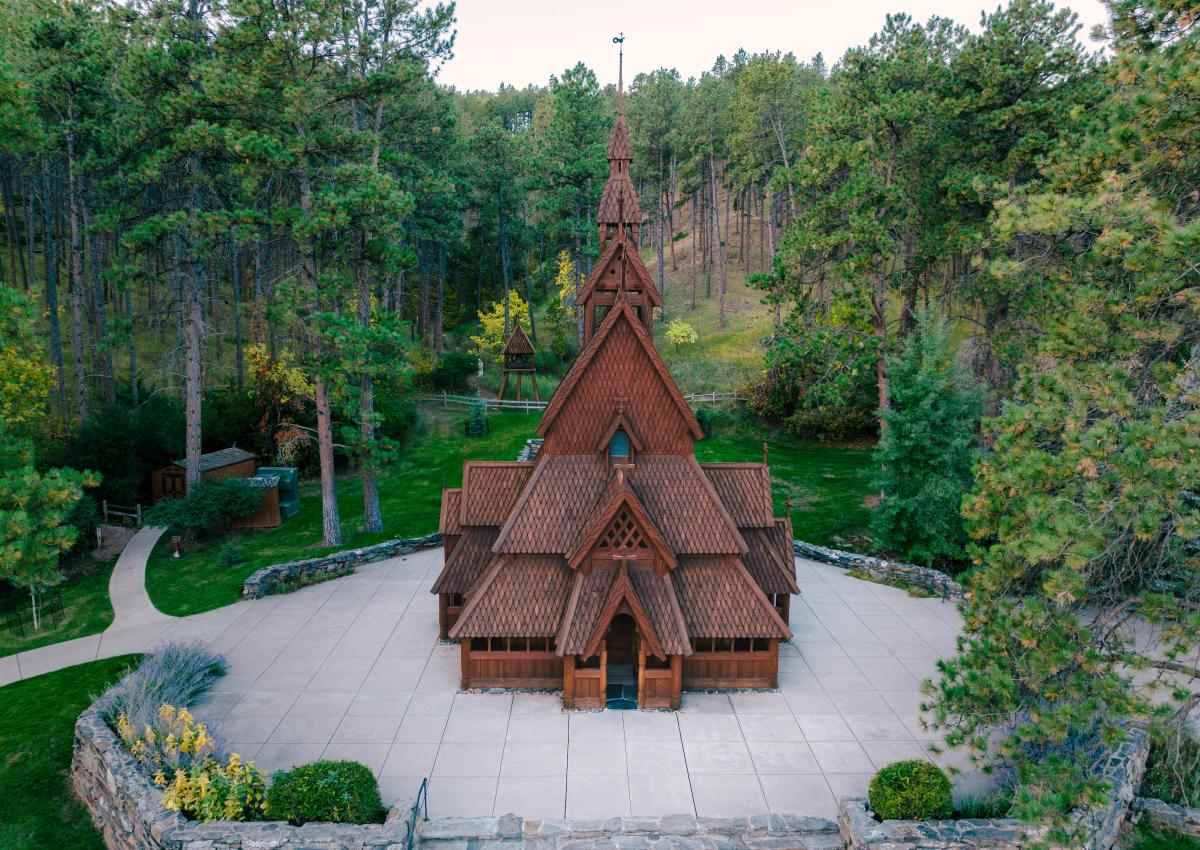
- Job Creation: The hospitality sector alone supports thousands of jobs in Rapid City, from hotel staff and tour guides to chefs and retail assistants. These jobs provide stable income for residents, fostering local prosperity.
- Tax Revenue: Sales taxes generated from tourist spending contribute significantly to the city and state coffers, funding public services, infrastructure projects, and community development initiatives.
- Support for Small Businesses: Many of Rapid City’s unique businesses thrive on tourist traffic. From specialized outdoor gear shops to art galleries featuring local artists, these enterprises add character to the city while providing goods and services. Visitors who consciously choose to patronize these local establishments are directly investing in the diverse economic fabric of Rapid City.
Unearthing Investment and Income Opportunities in the Black Hills
Beyond merely spending money as a visitor, Rapid City presents intriguing avenues for those looking to invest or generate income. Its steady growth, robust tourism sector, and strategic location make it an attractive prospect for a variety of financial endeavors.
Real Estate: A Strategic Play in a Growing Market
Rapid City’s real estate market has seen consistent growth, driven by its economic stability, quality of life, and increasing appeal as both a tourist destination and a place to live.
- Residential Investment: For those considering a long-term financial commitment, purchasing residential property in Rapid City can be a sound investment. The demand for housing, fueled by military personnel at Ellsworth Air Force Base, medical professionals, and growing tourism-related industries, provides a strong base for property value appreciation and rental income.
- Vacation Rentals (Airbnb/VRBO): Given the robust tourism industry, investing in properties for short-term vacation rentals offers a compelling income stream. A well-located and managed property near downtown or key attractions can generate substantial revenue, essentially turning your investment into a direct participant in the tourism economy. Understanding local regulations and market demand is crucial for success in this sector.
- Commercial Property: As the city expands, so does the demand for commercial spaces. Investing in retail fronts, office buildings, or even land for development can yield significant returns, particularly if the investment aligns with the city’s growth corridors and strategic development plans.
Entrepreneurship and Side Hustles: Capitalizing on the Tourist Economy
The influx of visitors creates a constant demand for services and unique experiences, opening doors for entrepreneurial ventures and side hustles.
- Tour Guiding Services: For individuals with deep knowledge of the Black Hills and a passion for sharing it, offering specialized guided tours (hiking, historical, photographic, wildlife) can be a lucrative side hustle or even a full-time business. Tourists often pay a premium for personalized, expert-led experiences that enhance their visit.
- Local Craft and Product Sales: Artisans, crafters, and local producers can tap into the tourist market by selling unique souvenirs, artwork, food products, or specialty items. Setting up stalls at local markets, partnering with gift shops, or establishing an online presence targeting Rapid City visitors can create a valuable income stream.
- Hospitality and Event Support: The constant flow of events, festivals, and conferences in Rapid City creates temporary employment opportunities in hospitality, event management, and support services. These can range from part-time roles to contract work, offering flexible income for residents.
Leveraging Financial Technology for Rapid City Adventures and Investments
In the digital age, technology plays a pivotal role in managing finances, making smart spending decisions, and identifying investment opportunities. For Rapid City, leveraging financial technology (fintech) can enhance both the visitor experience and the investor’s portfolio.
Digital Tools for Smart Travel Budgeting
Modern travel is made easier and more financially efficient with the right apps and platforms.
- Expense Trackers and Budgeting Apps: Before and during your trip, utilize apps like Mint, YNAB (You Need A Budget), or Tripcoin to meticulously track spending. Categorize expenses for accommodations, food, attractions, and transportation to stay within your predefined budget. This real-time financial oversight prevents overspending and provides valuable data for future travel planning.
- Deal Aggregators and Booking Platforms: Platforms like Expedia, Booking.com, and Airbnb offer competitive pricing for accommodations and flights. Using price comparison tools and setting up alerts for price drops can secure significant savings. For local activities, check sites like Groupon or local tourism websites for potential discounts on tours, attractions, or dining experiences, effectively reducing the cost per experience.
- Mobile Payment Solutions: Relying on mobile payment options (Apple Pay, Google Pay) can offer enhanced security and streamline transactions, minimizing the risk of card fraud and making it easier to track purchases directly through banking apps.
Online Platforms for Investment and Local Market Insight
For those interested in the investment side of Rapid City, digital platforms provide essential tools and data.
- Real Estate Investment Platforms: Websites like Zillow, Redfin, and local realtor sites offer comprehensive listings, market trends, property value estimates, and rental income projections for Rapid City properties. For more advanced investors, platforms specializing in crowdfunding real estate or commercial property listings can open doors to larger opportunities.
- Local Business Data and Analytics: Websites from the Rapid City Chamber of Commerce, economic development organizations, and state business registries often provide valuable data on local business trends, industry growth, and demographic shifts. This information is crucial for assessing the viability of new business ventures or identifying promising sectors for investment.
- Social Media and Online Forums for Market Research: Engaging with local online communities, tourism forums, and business groups can provide anecdotal insights and ground-level intelligence that formal reports might miss. This qualitative data can be invaluable for understanding local sentiment, emerging trends, and unmet market needs.
Rapid City is far more than just a dot on the map; it’s a dynamic economic hub where natural beauty meets financial opportunity. By approaching “what to do in Rapid City” with a strategic financial mindset—whether you’re a careful budgeter, a shrewd investor, or an aspiring entrepreneur—you can unlock a richer, more rewarding experience that extends beyond mere sightseeing. Every dollar spent and every investment made contributes to a vibrant community and a lasting legacy, making your engagement with Rapid City truly financially astute.
aViewFromTheCave is a participant in the Amazon Services LLC Associates Program, an affiliate advertising program designed to provide a means for sites to earn advertising fees by advertising and linking to Amazon.com. Amazon, the Amazon logo, AmazonSupply, and the AmazonSupply logo are trademarks of Amazon.com, Inc. or its affiliates. As an Amazon Associate we earn affiliate commissions from qualifying purchases.