
Securing initial capital is often the most significant hurdle for aspiring entrepreneurs. While the allure of self-funding or attracting investors is strong, many startups ultimately rely on business loans to get off the ground or scale their early operations. The challenge for a startup, however, lies in its inherent lack of history, established revenue, and tangible assets – all traditional markers lenders scrutinize. Navigating this landscape requires meticulous preparation, a clear understanding of available options, and a robust strategy to present your venture as a worthy investment.
Understanding the Startup Lending Landscape
The primary obstacle for any startup seeking a business loan is the perception of risk. Lenders, whether traditional banks or online platforms, operate on a principle of mitigating risk while maximizing return. A startup, by its very nature, is an unproven entity.
The Core Challenge: Lack of History
Traditional lenders heavily rely on a company’s financial history: past revenue, profit margins, cash flow statements, and a track record of responsible debt management. Without these, which most startups naturally lack, assessing repayment ability becomes a speculative exercise. Furthermore, many startups initially generate little to no revenue, making it difficult to demonstrate the capacity to service debt. This is why personal credit often plays a disproportionately large role in startup loan applications.
Lender Perspectives: Risk vs. Reward
Lenders weigh the potential for profit (interest earned) against the likelihood of default. For a startup, the risk is typically high. Consequently, lenders may offer smaller loan amounts, demand higher interest rates, require significant personal guarantees, or ask for collateral. Understanding this perspective is crucial for tailoring your application to address their concerns directly. It also helps in setting realistic expectations about the types of loans and terms you can realistically obtain in your early stages.
Essential Preparations Before You Apply
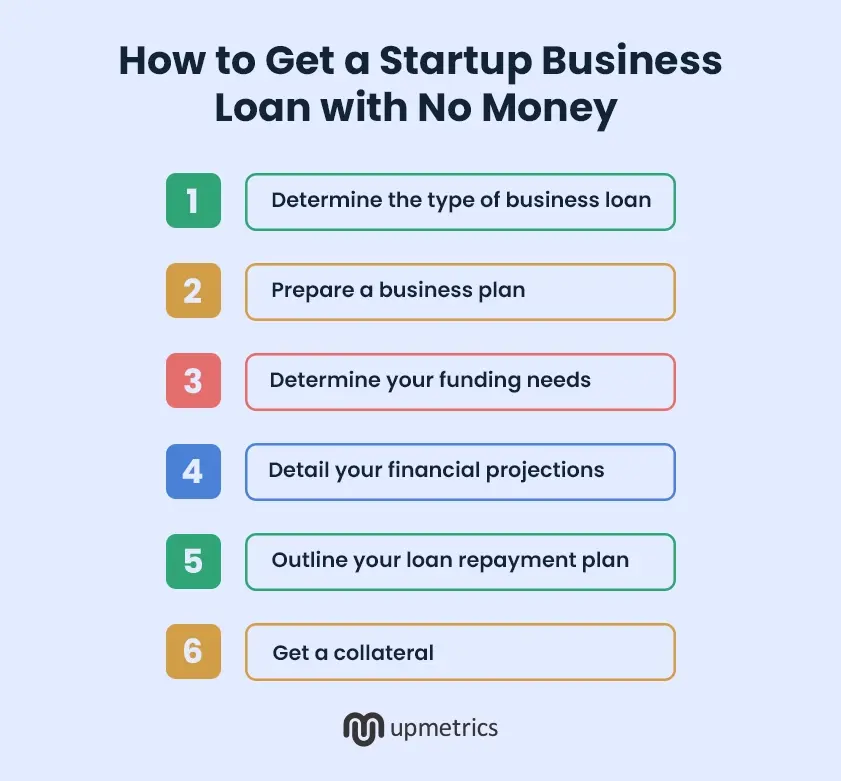
Success in obtaining a startup loan is largely predicated on thorough preparation. Before approaching any lender, you must meticulously organize your business’s narrative and financial projections.
Develop a Robust Business Plan
A comprehensive and well-articulated business plan is your foundational document. It serves as a roadmap for your business and a persuasive argument for potential lenders. Key components include:
- Executive Summary: A concise overview of your business, its mission, products/services, target market, and financial projections.
- Company Description: Detail what your company does, its legal structure, and its unique value proposition.
- Market Analysis: Demonstrate a deep understanding of your industry, target market, competitors, and how your business will penetrate and grow within this market.
- Organization and Management: Outline your management team’s experience, expertise, and roles. Lenders invest in people as much as ideas.
- Service or Product Line: Describe what you offer, its features, benefits, and lifecycle.
- Marketing and Sales Strategy: Explain how you will reach your target customers and generate sales.
- Funding Request: Clearly state how much money you need, how you plan to use it (e.g., equipment, inventory, marketing, working capital), and how this funding will help achieve specific milestones.
- Financial Projections: This is perhaps the most critical section for lenders. Include detailed cash flow statements, income statements, and balance sheets for at least the next 3-5 years, backed by reasonable assumptions.
Master Your Personal Credit Score
Given the absence of business credit history, lenders will heavily scrutinize your personal credit score. A strong personal credit score (typically 680 and above, ideally 720+) indicates financial responsibility and significantly improves your chances. Review your credit reports for errors, pay down personal debts, and avoid opening new credit lines in the months leading up to your loan application.
Secure Personal Collateral or Guarantees
Many startup loans, especially from traditional banks, will require a personal guarantee from the business owner. This means you are personally liable for the loan if the business defaults. In some cases, lenders may also ask for collateral, such as real estate, personal savings, or other valuable assets, to secure the loan. Be prepared to discuss what personal assets you are willing to pledge.
Present Comprehensive Financial Projections
Beyond just figures, your financial projections must be realistic, well-researched, and defensible. Lenders want to see a clear path to profitability and sufficient cash flow to cover loan repayments. Be ready to explain your assumptions for revenue growth, operating expenses, and cash management strategies. While optimistic, these projections should also acknowledge potential challenges and how your business plans to mitigate them.
Craft a Compelling Pitch
Beyond the dry numbers, your ability to articulate your vision, passion, and the unique value of your startup can be a differentiator. Practice explaining your business model, market opportunity, and repayment strategy clearly and concisely. Demonstrate confidence in your plan and your team’s ability to execute it.
Exploring Startup Loan Options
The market for business loans has diversified considerably, offering several avenues for startups beyond conventional bank loans.
Small Business Administration (SBA) Loans
The U.S. Small Business Administration (SBA) doesn’t directly lend money but guarantees a portion of loans made by approved lenders (banks, credit unions, and non-profits). This guarantee reduces the risk for lenders, making them more willing to lend to startups.
- SBA 7(a) Loans: This is the most common and flexible SBA loan program, suitable for various general business purposes, including working capital, equipment purchases, and real estate. Loan amounts can range from small to several million dollars, with longer repayment terms and competitive interest rates, making them attractive for startups.
- SBA Microloans: These are smaller loans (up to $50,000) offered through non-profit community-based organizations. They are often a good fit for very new or small businesses that need modest capital for startup costs, equipment, or working capital. They also often come with business counseling.
Traditional Bank Loans

While often challenging for true startups without collateral or revenue, traditional banks (e.g., commercial loans, term loans) remain a viable option for established small businesses or startups with significant personal collateral, a strong business plan, and excellent personal credit. They typically offer the lowest interest rates but have stringent eligibility requirements. Building a relationship with a local bank early can sometimes open doors for future financing.
Online Lenders
Online lenders have emerged as a more accessible option for many small businesses, including some startups. They often have faster application processes and less stringent requirements than traditional banks. However, they may charge higher interest rates and offer shorter repayment terms.
- Pros for Startups: Quicker decisions, potentially more flexible eligibility.
- Cons for Startups: Higher cost of borrowing, some may still require a minimum operating history or revenue. Carefully evaluate the terms and ensure the lender is reputable.
Alternative Financing: Beyond Traditional Loans
For many startups, traditional debt might not be the initial answer. Consider these options:
- Venture Capital and Angel Investors: These are equity investors, not lenders. They provide capital in exchange for ownership in your company. While not a loan, they are a common source of startup funding, particularly for high-growth, scalable businesses.
- Crowdfunding: Platforms like Kickstarter or Indiegogo allow businesses to raise small amounts of money from a large number of people. This can be reward-based (pre-selling products) or equity/debt-based, depending on the platform and regulations.
- Friends and Family Loans: Often the first source of capital, these can be structured as formal loans with clear terms, which is advisable to avoid personal complications.
- Business Credit Cards: While convenient for small, immediate expenses, relying heavily on high-interest business credit cards for substantial startup funding can be risky due to high interest rates if balances aren’t paid quickly.
- Equipment Financing: If your primary need is specific machinery or technology, equipment loans allow you to finance the purchase of essential assets, with the equipment itself serving as collateral.
The Application Process: What to Expect
Once you’ve identified a suitable lender and prepared your documentation, the application process will require diligence and transparency.
Gather Your Documentation
Have all your financial statements, business plan, legal documents (e.g., articles of incorporation, licenses), personal financial statements, and tax returns readily available. A complete and organized submission demonstrates professionalism and preparedness.
Be Ready for Scrutiny
Lenders will perform due diligence. They will scrutinize your business plan, financial projections, personal credit, and the experience of your management team. Be prepared to answer tough questions and provide additional information as requested. Transparency is key.
Demonstrate Repayment Ability
Ultimately, the lender wants assurance that you can repay the loan. Your financial projections must clearly illustrate a healthy cash flow that comfortably covers the proposed loan payments, in addition to operational expenses. Highlight your revenue generation strategies and how the loan will directly contribute to achieving them.
Understand Loan Terms and Conditions
Before signing any agreement, thoroughly understand the interest rate (fixed vs. variable), repayment schedule, any fees (origination fees, closing costs), collateral requirements, and covenants (conditions the business must meet). Don’t hesitate to ask questions and seek legal advice if anything is unclear.
Strategies for Success and Common Pitfalls to Avoid
Securing a startup loan is a journey that often involves multiple attempts and learning experiences.
Start Small and Build Credit
If large loans are inaccessible, consider starting with smaller amounts, perhaps through microloans, business credit cards (used responsibly), or vendor credit. Successfully managing and repaying these smaller debts can help establish a business credit profile, making larger loans more attainable in the future.
Seek Professional Guidance
Consult with business mentors, financial advisors, or SBA resource partners (like SCORE or Small Business Development Centers). They can offer invaluable insights into refining your business plan, navigating the lending landscape, and connecting you with appropriate lenders. An objective third party can help identify weaknesses in your application.
Don’t Underestimate Cash Flow Needs
Many startups fail due to insufficient working capital. When applying for a loan, ensure your funding request accounts for all initial expenses, a buffer for unforeseen costs, and enough operational capital to sustain the business until it reaches positive cash flow. Underestimating this can lead to needing additional, harder-to-get financing down the line.
Avoid Excessive Personal Guarantees (if possible)
While often unavoidable for startups, be mindful of the extent of personal guarantees. Understand the personal risk involved and ensure your business plan is robust enough to minimize the chances of default that could impact your personal finances.
Obtaining a business loan for a startup is challenging but entirely achievable with diligent planning, a strong understanding of lender expectations, and a clear vision for your company’s future. By presenting a well-researched case and exploring all available financing avenues, you can secure the capital needed to transform your entrepreneurial dream into a thriving reality.
aViewFromTheCave is a participant in the Amazon Services LLC Associates Program, an affiliate advertising program designed to provide a means for sites to earn advertising fees by advertising and linking to Amazon.com. Amazon, the Amazon logo, AmazonSupply, and the AmazonSupply logo are trademarks of Amazon.com, Inc. or its affiliates. As an Amazon Associate we earn affiliate commissions from qualifying purchases.