
For decades, Houston, Texas, was synonymous with two major industries: energy and aerospace. While those sectors remain the bedrock of the city’s economy, a seismic shift has occurred over the last decade. Houston has rapidly evolved into a premier destination for technology professionals, venture capitalists, and software innovators. Often referred to as the “Silicon Bayou,” the city is no longer just a place to drill for oil or launch rockets; it is a burgeoning hub for software development, healthtech, and climate-focused innovation.
If you are looking to understand “what to do in Houston” through the lens of technology, you will find a landscape defined by massive digital transformation. From the corridors of the Ion District to the high-tech laboratories of the Texas Medical Center, Houston offers a unique blueprint for how a traditional industrial giant rebrands itself for the digital age.
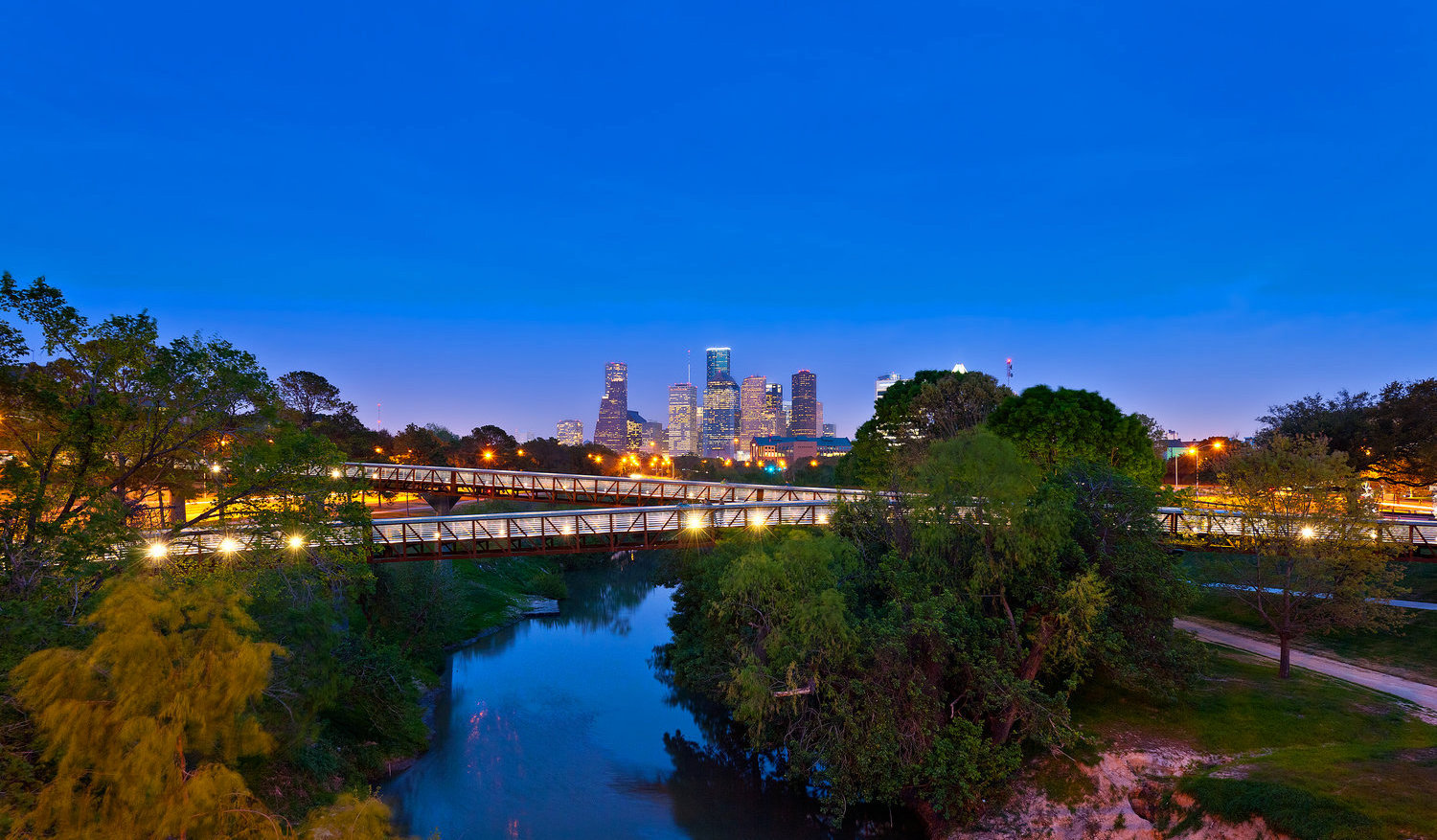
Houston’s Pivot to the “Silicon Bayou”: An Overview of the Tech Landscape
The transformation of Houston’s economy is perhaps best illustrated by its commitment to the “Silicon Bayou” moniker. This isn’t just a marketing slogan; it represents a strategic pivot toward software-as-a-service (SaaS), data analytics, and the digitalization of the energy sector.
The Rise of the Ion District and Innovation Hubs
At the heart of Houston’s tech resurgence is the Ion District. Centered around a 266,000-square-foot structure that once served as a Sears showroom, the Ion has become the epicenter for the city’s startup community. What to do here involves more than just networking; it is about witnessing the convergence of academia and industry.
Managed by Rice University, the Ion facilitates partnerships between Fortune 500 companies and agile tech startups. This ecosystem supports incubators and accelerators that focus on everything from fintech to logistics software. For tech professionals, the Ion serves as a physical manifestation of Houston’s collaborative spirit, offering a space where hardware engineers and software developers can pilot new tools in a real-world environment.
From Energy Capital to Energy Tech Leader
Houston has long been the “Energy Capital of the World,” but the tech sector is redefining what that means. The shift from traditional oil and gas to “EnergyTech” and “ClimateTech” is where the most significant technological investments are occurring.
The city is now home to Greentown Labs, the largest climate tech incubator in North America. Here, the focus is on developing software for carbon capture, hydrogen energy storage, and grid modernization. Digitalization in this sector involves utilizing AI and IoT (Internet of Things) sensors to monitor pipeline integrity and optimize energy consumption. For those interested in the intersection of heavy industry and high-tech software, Houston’s EnergyTech scene provides an unparalleled case study in digital evolution.
Aerospace and Beyond: The Legacy and Future of NASA’s Tech Influence
No discussion of technology in Houston is complete without mentioning the Johnson Space Center (JSC). However, the tech narrative at NASA has shifted from government-led exploration to a flourishing commercial space ecosystem.
Commercial Space Exploration and Satellite Tech
The “NewSpace” movement is thriving in Houston. Companies like Axiom Space and Intuitive Machines are leading the charge in developing the next generation of space infrastructure. This includes the creation of commercial space stations and lunar landers, which require highly sophisticated software systems.
What to do in this sector involves engaging with the robotics and autonomous systems that are being tested for extra-planetary use. The software required to manage complex telemetry data and autonomous navigation in space is being written right in the Clear Lake area of Houston. This has created a massive demand for developers specializing in embedded systems, real-time operating systems (RTOS), and cybersecurity for satellite communications.
Knowledge Transfer: How Rocket Science Impacts Local Startups
The technological “spillover” from NASA into the local economy is profound. The same rigorous engineering standards and data processing techniques used for space missions are being applied to local tech ventures.
For instance, many startups in Houston utilize NASA-developed algorithms for data visualization and remote sensing. This knowledge transfer has bolstered the city’s capabilities in big data analytics. Whether it is using satellite imagery to predict crop yields or utilizing advanced materials science for new gadgets, the DNA of aerospace technology is woven into the fabric of Houston’s broader tech scene.

The Healthtech Revolution: Leveraging the Texas Medical Center (TMC)
If the Ion is the heart of Houston’s general tech scene, the Texas Medical Center is its brain. As the largest medical complex in the world, the TMC provides a massive sandbox for healthtech innovation, biotech, and medical software development.
TMC Innovation (TMCi) and Bio-Design
The TMC Innovation center is where the most advanced healthcare gadgets and software tools are born. Through programs like TMCx, startups from around the world come to Houston to gain access to the massive clinical data sets available within the medical center.
The focus here is on “Bio-Design”—using engineering principles to solve clinical problems. This includes the development of wearable health monitors that use AI to predict cardiac events before they happen, or the creation of high-fidelity surgical robots. For tech enthusiasts, visiting the TMCi provides a glimpse into the future of digital medicine, where software doesn’t just manage records but actively saves lives through predictive analytics.
AI in Diagnostics and Patient Care
Houston is currently a leader in the application of Artificial Intelligence within healthcare software. Local tech firms are developing AI tools that can analyze radiological images with higher accuracy than the human eye.
Furthermore, the integration of Natural Language Processing (NLP) into electronic health records (EHR) is a major focus for Houston-based software developers. These AI tools are designed to reduce physician burnout by automating documentation and providing real-time clinical decision support. The sheer volume of patients seen at the TMC makes Houston the ideal environment for training these AI models, ensuring that the tech developed here is robust and scalable.
Essential Digital Tools and Infrastructure for the Houston Tech Scene
To truly engage with Houston’s tech environment, one must understand the digital infrastructure and tools that power the city. From smart city initiatives to the platforms that connect the local community, the “digital” version of Houston is just as complex as its physical layout.
Connectivity and Smart City Initiatives
Houston has made significant strides in becoming a “Smart City.” This involves the widespread deployment of 5G infrastructure and the use of IoT sensors to manage urban challenges. For example, the city uses advanced data analytics software to manage traffic flow and monitor flood levels in real-time—a critical tech application in a city prone to heavy rainfall.
Moreover, the city’s commitment to digital inclusion has led to the expansion of public Wi-Fi and digital literacy programs. For a tech-savvy visitor or resident, “what to do” involves leveraging these smart city apps to navigate the METRO system or using open data portals provided by the City of Houston to build new civic-tech applications.
Top Networking Apps and Platforms for Local Founders
The Houston tech community is highly connected through various digital platforms. Unlike the centralized nature of Silicon Valley, Houston’s tech scene is sprawling, making digital tools essential for networking.
- Meetup and Eventbrite: These remain the primary tools for finding local tech “hackathons,” AI workshops, and coding bootcamps.
- The Ion’s Digital Portal: A dedicated platform for members of the innovation district to share resources and find collaborators.
- LinkedIn Groups: Specific groups like “Houston Tech Startups” and “Energy 2.0” serve as the digital watercoolers for the city’s professional elite.
- Slack and Discord Communities: Many of the city’s developer groups maintain active Slack channels where they troubleshoot code and share reviews of new gadgets and software frameworks.

Conclusion: The Future of Technology in the Bayou City
Houston, Texas, is a city that has mastered the art of the pivot. By leveraging its historical strengths in energy, aerospace, and medicine, it has built a modern tech ecosystem that is both resilient and innovative. For anyone asking “what to do in Houston” from a tech perspective, the answer lies in exploring the intersections of these legacy industries with cutting-edge software and AI.
Whether you are a developer looking for the next big SaaS opportunity in the energy sector, an engineer interested in the commercialization of space, or a data scientist wanting to revolutionize healthcare, Houston provides the tools, the community, and the data to make it happen. The “Silicon Bayou” is no longer a future prospect—it is a present reality, offering a professional landscape that is as vast and diverse as the city itself. In Houston, the next great technological breakthrough is just as likely to come from a lab in the medical center as it is from a garage in the Ion District, making it one of the most exciting tech frontiers in the world today.
aViewFromTheCave is a participant in the Amazon Services LLC Associates Program, an affiliate advertising program designed to provide a means for sites to earn advertising fees by advertising and linking to Amazon.com. Amazon, the Amazon logo, AmazonSupply, and the AmazonSupply logo are trademarks of Amazon.com, Inc. or its affiliates. As an Amazon Associate we earn affiliate commissions from qualifying purchases.