
The sting. The sudden, intense discomfort. The uncontrollable urge to rub. We’ve all been there – that unnerving sensation of having something, anything, lodged in our eye. Whether it’s a rogue eyelash, a speck of dust, or something a little more concerning, a foreign object in the eye demands immediate and careful attention. This isn’t just about alleviating discomfort; it’s about safeguarding precious vision. In the digital age, where our screens are extensions of our lives, eye health has never been more critical. This guide will walk you through the essential steps to take when something is stuck in your eye, blending practical advice with an understanding of how technology and proactive care play a role in maintaining our ocular well-being.
Immediate Actions: When the Irritant Strikes
The very first moments after realizing something is in your eye are crucial. Panic is your worst enemy. Clear, calm thinking and swift, appropriate action can prevent further irritation or injury. The primary goal is to remove the foreign body safely and effectively.
Assessing the Situation: What’s In There and Where?
Before you do anything, take a moment to understand what you’re dealing with.
- Identify the Sensation: Is it a sharp, gritty feeling? A persistent itch? A dull ache? This can offer clues about the type of object. An eyelash will feel different from a tiny piece of metal.
- Location, Location, Location: Try to determine if the object is on the surface of your eye (visible when you look in a mirror) or if you can feel it but not see it. If it’s on the surface and you can see it, it’s usually easier to address. If it feels like it’s under the eyelid or deeply embedded, proceed with extreme caution.
- Observe Your Eye: Look in a mirror, if possible, or have someone else assist you. Gently pull down your lower eyelid and lift your upper eyelid to check for any visible foreign bodies. Be careful not to touch your eyeball directly.
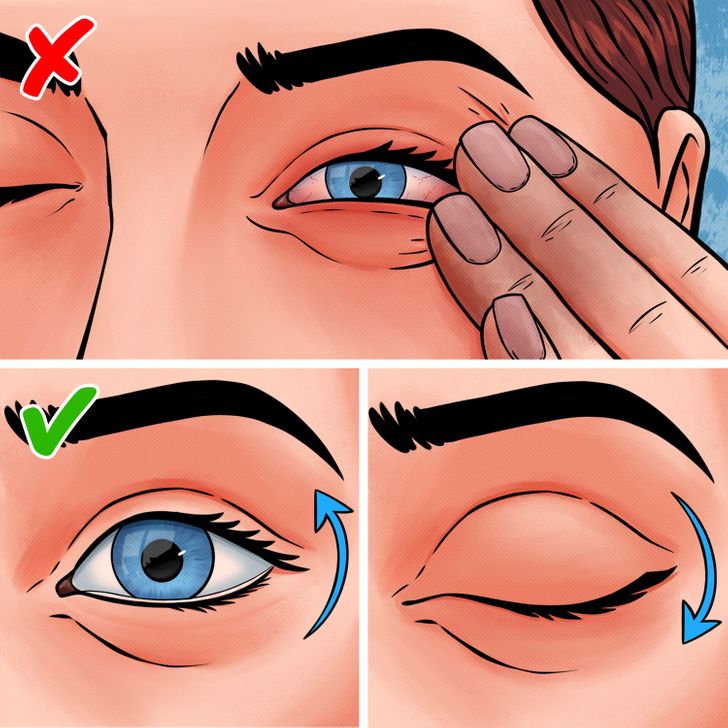
The Golden Rule: Do Not Rub!
This is the single most important piece of advice. Rubbing an irritated eye, especially when a foreign object is present, is like sandpapering your cornea. It can:
- Scratch the Cornea: This is known as a corneal abrasion and can be very painful, leading to blurred vision and increased risk of infection.
- Push the Object Deeper: If the object is small and on the surface, rubbing can force it further under the eyelid or even into the eye.
- Cause More Inflammation: The friction will only make your eye redder and more uncomfortable.
Instead of rubbing, your instinct should be to try and wash the object out.
Safe Removal Techniques: Gentle Solutions for Common Irritants
For most minor irritants, simple, at-home remedies can be incredibly effective. The key is gentleness and using the right tools.
Flushing Your Eye: The Most Recommended Method
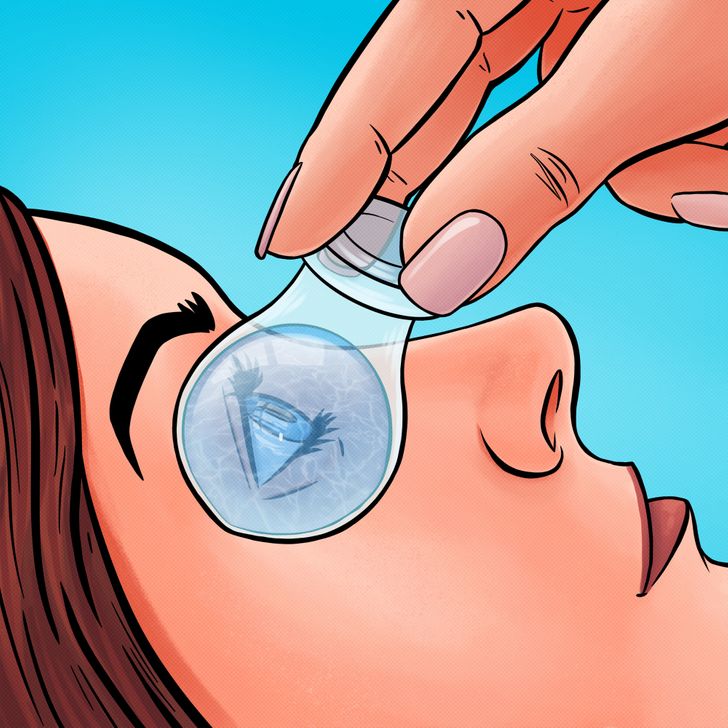
Flushing is the safest and most effective way to remove superficial foreign bodies. The goal is to create a steady stream of liquid that will wash the irritant away.
- Sterile Saline Solution: This is the ideal choice. You can purchase sterile saline solution at any pharmacy. It’s specifically designed for eye care and is gentle.
- Clean, Lukewarm Water: If sterile saline isn’t immediately available, clean, lukewarm tap water is a second-best option. Ensure the water is as pure as possible and not too hot or too cold.
- How to Flush:
- Preparation: Wash your hands thoroughly with soap and water.
- Positioning: Lean over a sink or basin, or lie down with your head tilted to the side over the sink.
- Eyelid Control: Gently hold your eyelids open. For the lower eyelid, pull down gently. For the upper eyelid, ask the person to close their eyes briefly, then gently lift the lid away from the eye.
- The Stream: Hold the container of saline solution or water a few inches from your eye. Create a gentle, steady stream that flows from the inner corner of your eye (near the nose) towards the outer corner. This directs the irritant away from the tear duct.
- Repeat: Continue flushing for several minutes, or until you feel the object has been dislodged. Blink naturally during the process.
- Check Again: After flushing, gently check your eye in the mirror again. If you still feel discomfort or can still see the object, repeat the flushing process.
The Eyecup Method
Eyecups, often available at pharmacies, are specifically designed for rinsing the eyes. They create a snug fit around the eye, allowing you to hold a larger amount of flushing solution and ensure thorough rinsing. Follow the manufacturer’s instructions for use.
Using a Damp Cotton Swab (With Extreme Caution)
This method is only for visible, superficial objects that are not embedded.
- When to Consider: If you can clearly see a small object like an eyelash on the white of your eye or on the conjunctiva (the pink tissue lining the eyelids), and flushing hasn’t worked.
- How to Do It:
- Preparation: Wash your hands thoroughly. Ensure the cotton swab is clean and new.
- Visibility and Stability: Have good lighting and a mirror. Gently hold your eyelids open.
- Gentle Touch: Very, very gently touch the tip of the damp cotton swab to the object. The idea is to coax it onto the swab, not to pick at it.
- Avoid the Cornea: Never touch your cornea (the clear front part of your eye) with the swab. This is where the most damage can occur.
When to Seek Professional Help: Red Flags and Immediate Medical Attention
While many eye irritations can be managed at home, certain situations require immediate medical attention from an eye doctor or emergency room. Recognizing these signs is vital for preventing permanent vision loss.
Warning Signs That Demands Professional Care
- Severe Pain: If the pain is intense, persistent, and not relieved by flushing.
- Vision Changes: Any blurring, double vision, or loss of vision. This is a critical indicator that something serious might be happening.
- Chemical Exposure: If a chemical splashed into your eye, flush immediately with copious amounts of water for at least 15-20 minutes and seek emergency medical attention while still flushing.
- Penetrating Injury: If you suspect something has actually pierced or gone into your eyeball. Do not try to remove it yourself. Cover the eye and go to the ER.
- Metal or Glass Shards: If you were working with metal or glass and suspect a fragment might be in your eye, especially if you hear a “ping.” These are serious and can embed deeply.
- Persistent Discomfort After Removal: If you managed to remove something, but the eye continues to feel gritty, painful, or is excessively watery and red, see a doctor.
- Unable to Remove: If you’ve tried flushing and other safe methods and the object remains firmly lodged.
- Unusual Discharge: If you notice pus or thick discharge from your eye.
- Light Sensitivity (Photophobia): Extreme discomfort when exposed to light.
The Role of Technology and Digital Health
In our increasingly digitized world, technology plays a surprising role in eye health and can even assist in managing eye irritations.
- Digital Eye Strain: Prolonged screen time is a major contributor to eye discomfort, dryness, and fatigue. Understanding the principles of digital eye strain, like the 20-20-20 rule (every 20 minutes, look at something 20 feet away for 20 seconds), is a proactive measure. This can prevent minor irritations from becoming bigger problems.
- Telemedicine for Eye Care: For non-emergency situations, the rise of telemedicine allows you to consult with eye care professionals remotely. While they can’t physically examine your eye, they can often provide guidance on managing symptoms, determine if you need to seek in-person care, and even prescribe certain eye drops. Apps and platforms offer virtual consultations that can be a lifeline, especially for those in remote areas.
- Smart Devices and Monitoring: While not directly for removing foreign bodies, wearable tech and smart glasses are beginning to incorporate features that monitor eye health, such as blinking patterns and eye movement. This data can contribute to a broader understanding of individual eye conditions.
- AI in Diagnosis: Artificial intelligence is making inroads into ophthalmology, assisting with the analysis of retinal scans and the early detection of diseases. While this is more advanced than a simple eye irritant, it highlights the growing role of tech in safeguarding our vision.
- Productivity Apps for Eye Breaks: Even productivity apps can contribute to eye health by prompting you to take regular breaks, reinforcing good habits that prevent eye strain and the dryness that can sometimes mimic the sensation of something being in your eye.
Prevention and Long-Term Eye Care: Protecting Your Vision
The best approach to dealing with foreign objects in your eye is to avoid them in the first place. Proactive measures and good habits are your first line of defense.
Workplace Safety and Protective Eyewear
- Hazardous Environments: If your job involves woodworking, construction, metal grinding, or any activity where debris can fly, always wear appropriate safety glasses or goggles. This is non-negotiable. Ensure they fit properly and are in good condition.
- DIY Projects: Even for casual DIY, don’t underestimate the risk. A simple task can quickly turn dangerous without protection.
Everyday Precautions
- Be Mindful of Wind and Dust: On windy days or in dusty environments, consider wearing sunglasses or wraparound glasses to shield your eyes.
- Proper Makeup Application: Be careful when applying eye makeup, especially mascara and eyeliner, to avoid breaking off pieces.
- Contact Lens Hygiene: If you wear contact lenses, always follow proper cleaning and disinfection protocols. Never sleep in lenses unless they are specifically designed for extended wear. Be extremely cautious about touching your eyes with unwashed hands, especially if you’ve been handling electronic devices.
- Children and Eye Safety: Teach children about eye safety. Supervise them during play, especially when they are using toys that could pose a risk.

Building Healthy Eye Habits with Technology
- Ergonomics for Screen Time: Invest in good monitor placement, adjust screen brightness and contrast, and consider blue-light filtering glasses or software. These are technological solutions to common eye strain problems.
- Hydration and Blinking Reminders: Use apps that remind you to blink and stay hydrated. Simple prompts can make a significant difference in preventing dry eye, which can lead to discomfort.
- Regular Eye Exams: Schedule regular check-ups with your optometrist or ophthalmologist. They can detect underlying issues, provide personalized advice on eye care, and ensure your vision is as healthy as possible. Many eye clinics now offer online booking systems and digital recall notifications, integrating technology into your preventative care.
Having something stuck in your eye can be a frightening experience. By understanding the immediate steps to take, employing safe removal techniques, knowing when to seek professional help, and embracing preventive measures – often enhanced by our digital tools – you can navigate these situations effectively and protect the precious gift of sight. Your eyes are your windows to the world; treat them with the care and respect they deserve.
aViewFromTheCave is a participant in the Amazon Services LLC Associates Program, an affiliate advertising program designed to provide a means for sites to earn advertising fees by advertising and linking to Amazon.com. Amazon, the Amazon logo, AmazonSupply, and the AmazonSupply logo are trademarks of Amazon.com, Inc. or its affiliates. As an Amazon Associate we earn affiliate commissions from qualifying purchases.