
The Smoky Mountain region of Tennessee, specifically the corridor encompassing Gatlinburg and Pigeon Forge, represents one of the most resilient and high-yielding real estate investment landscapes in the United States. While many vacation markets are subject to extreme cyclicality, the Sevier County tourism economy has demonstrated a unique ability to maintain robust cash flow through various economic climates. For the sophisticated investor, understanding “what to do” in Gatlinburg and Pigeon Forge is less about sightseeing and more about analyzing the financial metrics that drive this multi-billion-dollar tourism engine.
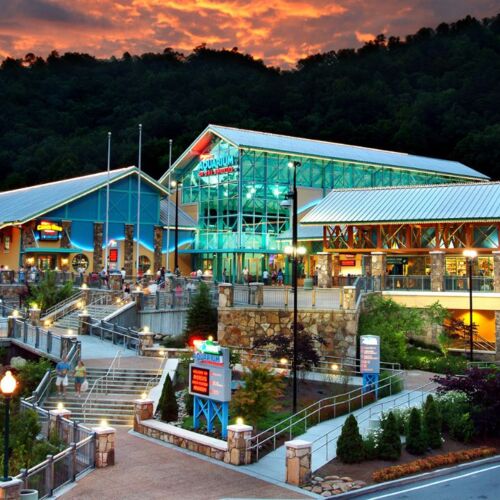
To capitalize on this market, one must look past the scenic vistas and evaluate the area as a high-performance asset class. With over 14 million annual visitors, the demand for lodging remains consistently high, creating a fertile ground for short-term rental (STR) investments, commercial development, and auxiliary service businesses.
The Economic Engine of the Smoky Mountains
The financial allure of Gatlinburg and Pigeon Forge is rooted in their geographic accessibility and diverse appeal. Situated within a day’s drive of roughly sixty percent of the U.S. population, the region serves as a premier “drive-to” destination. This is a critical financial safeguard; during economic downturns, travelers often trade expensive international flights for regional road trips, keeping occupancy rates in the Smokies more stable than in luxury coastal markets.
Tourism Infrastructure and Revenue Stability
The local economy is anchored by significant capital investments from both public and private sectors. The presence of Great Smoky Mountains National Park—the most visited national park in the country—provides a permanent, non-depreciating asset that drives consistent traffic. Complementing this is the massive private investment in Pigeon Forge, led by Dollywood and various large-scale entertainment complexes.
From an investment perspective, this synergy creates a “recession-resistant” ecosystem. When the national park draws visitors for its natural beauty, the commercial hubs of Pigeon Forge and Gatlinburg capture the secondary spending on lodging, dining, and entertainment. For property owners, this translates to high Average Daily Rates (ADR) and consistent RevPAR (Revenue Per Available Room).
Year-Round Cash Flow Dynamics
Unlike many beach destinations that shutter during winter, the Gatlinburg-Pigeon Forge market benefits from a four-season tourism cycle. Autumn brings leaf-peepers, winter attracts holiday travelers and skiers, and the spring/summer months see a surge in family vacations. This seasonality profile allows investors to maintain a healthier cash flow throughout the fiscal year, reducing the “carrying cost” burden often associated with seasonal vacation rentals.
Strategic Asset Acquisition: Gatlinburg vs. Pigeon Forge
Investors must distinguish between the two primary sub-markets, as each offers different financial profiles, zoning regulations, and growth trajectories.
Gatlinburg: High Density and Geographic Scarcity
Gatlinburg is characterized by its limited geographic footprint. Hemmed in by the national park and steep topography, the supply of developable land is strictly capped. In economics, high demand coupled with restricted supply is a classic recipe for capital appreciation.
Properties in Gatlinburg often command a premium due to their proximity to the park entrance and the walkable downtown strip. From a “Money” perspective, Gatlinburg assets are often seen as “Blue Chip” investments. They hold their value exceptionally well and offer high occupancy rates. However, investors must be wary of older inventory that may require significant capital expenditures (CapEx) to meet modern guest expectations for luxury amenities.
Pigeon Forge: Commercial Scale and Family Demographics
Pigeon Forge offers a different financial play. It is more expansive and commercially focused than Gatlinburg. The “Parkway” is the heartbeat of the city’s economy, lined with high-revenue attractions. Investment properties here often consist of larger cabin communities or luxury condos that cater to multi-generational family groups.
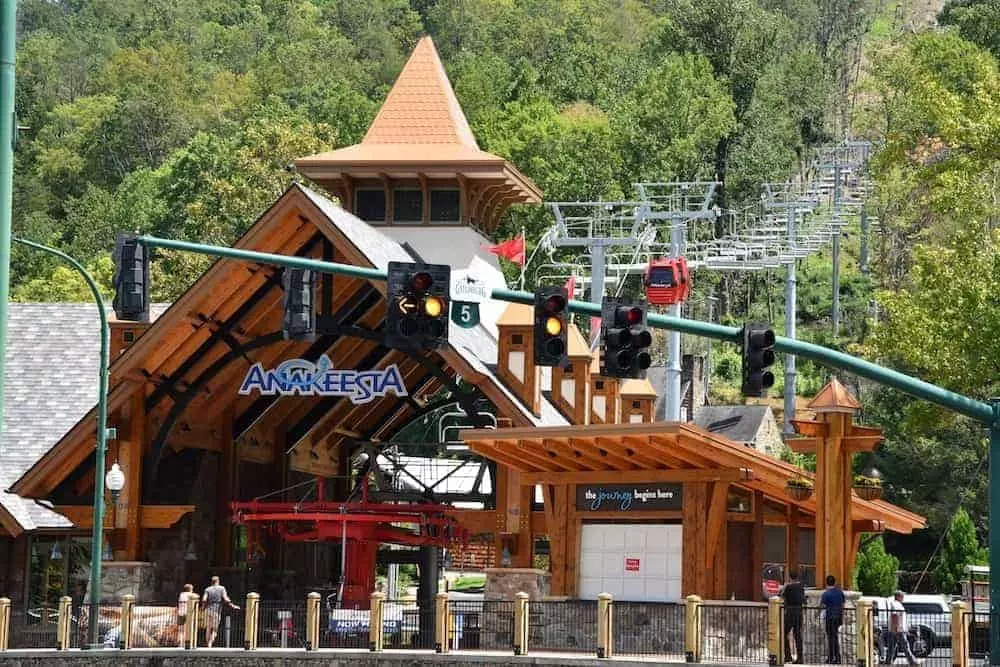
The Pigeon Forge market is currently experiencing a surge in “Purpose-Built” STRs—large-scale cabins designed specifically to maximize rental income. These properties often include indoor pools, home theaters, and game rooms, which significantly drive up the ADR. For the investor focused on gross yield, Pigeon Forge often provides more opportunities for ground-up development and modern asset scaling.
Regulatory and Tax Considerations
Tennessee is a tax-friendly state for investors, featuring no state income tax on earned wages (though the “Hall Tax” on interest and dividends has been repealed, it’s still worth noting the overall low-tax environment). In Sevier County, property taxes are relatively low compared to national averages, though investors must account for local occupancy taxes and the “Gross Receipts Tax” in certain jurisdictions. Understanding the specific zoning of a parcel—whether it is zoned for short-term rentals or requires a special use permit—is the single most important step in the due diligence process to avoid stranded assets.
Financial Management and Operational Efficiency
Acquiring the asset is only the first half of the wealth-building equation. In a competitive market like the Smokies, operational excellence is what separates a passive income stream from a financial liability.
Dynamic Pricing Strategies
The “set it and forget it” model of property management is dead. Successful investors utilize sophisticated revenue management software that adjusts rates in real-time based on local events, weather patterns, and competitor occupancy. For instance, during the “Rod Run” events in Pigeon Forge or the “Winterfest” lights in Gatlinburg, prices can be scaled up by 200-300% to capture peak demand. Conversely, during mid-week lulls in the shoulder season, strategic price dropping can ensure the property remains occupied, covering its own debt service.
Expense Management and Margin Protection
The hidden costs of mountain properties can erode margins if not managed strictly. These include:
-
Utility Surges: Large cabins with hot tubs and theater rooms have high electrical footprints.
-
Maintenance in Rugged Terrain: Steep driveways may require specialized snow removal or frequent paving.
-
Professional Management Fees: In the Smokies, management fees typically range from 15% to 30%. While some investors “self-manage” via platforms like Airbnb and Vrbo to save on fees, others opt for full-service firms to ensure 24/7 guest support and maintenance.
To maximize ROI, investors should conduct a “Value Engineering” audit on their properties. This involves identifying which amenities provide the highest return on investment. For example, adding a high-quality hot tub or an indoor heated pool often allows for a price hike that pays for the installation cost within a single season.
Long-Term Growth and Diversification Strategies
The Gatlinburg and Pigeon Forge corridor is currently in a state of evolution, moving from a regional getaway to a national-tier destination. This shift offers several paths for long-term wealth building.
Capitalizing on Commercial Expansion
As the STR market becomes more saturated, there is a growing opportunity in commercial real estate and auxiliary services. This includes boutique retail, specialized food and beverage outlets, and “adventure” tourism ventures. Diversifying one’s portfolio to include commercial land or net-leased properties in the Pigeon Forge area can provide a hedge against the operational intensity of residential rentals.
The “Dolly Effect” and Brand Value
The economic impact of the “Dolly Parton” brand cannot be overstated. Her continued investment in the region provides a level of institutional stability rarely seen in tourism-dependent towns. When a major brand announces a $500 million expansion (as Dollywood has done with its resort properties), it acts as a signal to private investors that the local economy has a long-term runway for growth. Investing in the path of these major developments is a proven strategy for securing capital appreciation.
Risk Mitigation in a Maturing Market
As the market matures, regulatory scrutiny often increases. Savvy investors are now looking toward properties that have “diversified utility”—assets that could potentially transition from short-term rentals to long-term leases or primary residences if local ordinances change. Furthermore, maintaining a healthy debt-to-equity ratio is crucial. While the Smokies have shown resilience, the high cost of entry in today’s market requires a disciplined approach to leverage.

Conclusion
Navigating the financial landscape of Gatlinburg and Pigeon Forge requires a shift in perspective. It is not merely a place for vacations; it is a high-velocity economic zone where strategic capital placement can yield significant returns. By focusing on asset location, leveraging dynamic revenue technology, and maintaining a keen eye on the regulatory environment, investors can transform the “what to do” of the Smokies into a structured path for wealth accumulation. Whether through the acquisition of a luxury mountainside cabin or the development of commercial infrastructure, the Smoky Mountain region remains one of the premier destinations for serious capital in the southeastern United States.
aViewFromTheCave is a participant in the Amazon Services LLC Associates Program, an affiliate advertising program designed to provide a means for sites to earn advertising fees by advertising and linking to Amazon.com. Amazon, the Amazon logo, AmazonSupply, and the AmazonSupply logo are trademarks of Amazon.com, Inc. or its affiliates. As an Amazon Associate we earn affiliate commissions from qualifying purchases.