
A cracked windshield is more than just a cosmetic blemish; it’s a direct hit to your vehicle’s structural integrity and, more often than not, a looming financial decision. For many vehicle owners, the first reaction to discovering windshield damage isn’t concern for aesthetics but rather a rapid-fire series of questions: “How much will this cost?”, “Will my insurance cover it?”, and “Is it really worth fixing?” This article delves into the financial intricacies of managing windshield damage, offering insights into shrewd decision-making that can save you significant money and stress in the long run.

From understanding immediate repair costs to navigating complex insurance policies and considering long-term financial impacts, addressing a cracked windshield requires a methodical approach rooted in sound financial principles. Ignoring the issue is rarely a financially viable strategy, often leading to escalated costs, legal penalties, and diminished vehicle value. Let’s unpack the financial dimensions of this common automotive headache.
Understanding the Immediate Financial Impact of Windshield Damage
When you first notice that crack or chip, a cascade of financial considerations should immediately spring to mind. The initial steps you take can drastically alter your eventual expenditure.
Repair vs. Replace: The Initial Cost Analysis
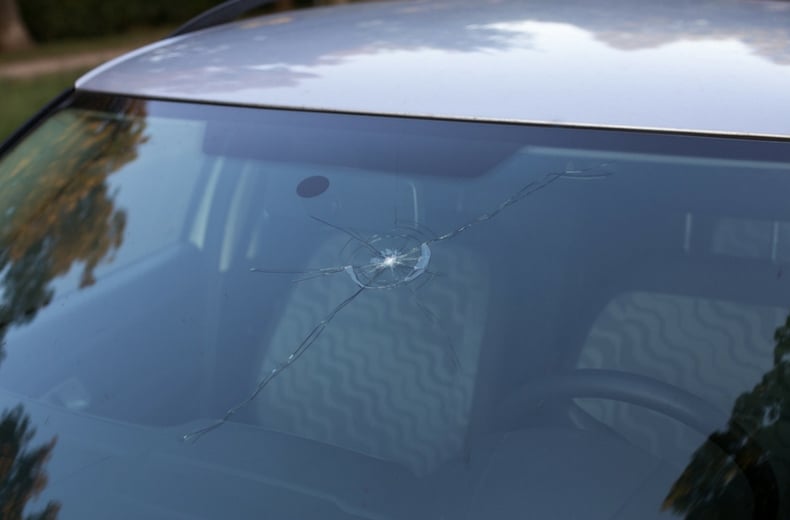
The fundamental financial decision often revolves around whether the windshield needs a repair or a full replacement. This choice is primarily dictated by the size, type, and location of the damage. A small chip, typically smaller than a quarter, or a crack less than six inches long, might be candidates for repair. This involves injecting a special resin into the damaged area, which then cures and restores the glass’s integrity and clarity.
- Repair Costs: Windshield repairs are significantly less expensive than replacements, often ranging from $50 to $150. Many insurance policies offer full coverage for chip repairs with no deductible, recognizing that a small repair prevents a much larger claim. From a purely financial standpoint, a timely repair is almost always the most cost-effective solution.
- Replacement Costs: A full windshield replacement is a more substantial investment. Costs can vary widely based on the vehicle’s make and model, the type of glass (OEM vs. aftermarket), and the presence of advanced driver-assistance systems (ADAS) that require recalibration. Standard windshield replacements might range from $200 to $500, while vehicles with integrated sensors, heads-up displays, or heated elements can push costs upwards of $800 to $1,500 or even more. This makes a careful financial evaluation essential.
Navigating Insurance Claims: Deductibles and Coverage
Your auto insurance policy is your primary financial shield against the high cost of windshield damage. However, understanding the nuances of your coverage is crucial.
- Comprehensive Coverage: Most windshield damage (e.g., from flying rocks, vandalism, fallen tree branches) is covered under the comprehensive portion of your auto insurance policy. This coverage protects against non-collision incidents.
- Deductibles: The biggest financial variable here is your deductible. If your comprehensive deductible is $500 and a replacement costs $400, it might not make financial sense to file a claim, as you’d pay the full amount out of pocket anyway. Conversely, if the replacement is $800, filing a claim would save you $300 (or more, if the deductible is lower).
- “Full Glass” Coverage: Some states or specific insurance policies offer “full glass” coverage, which waives the deductible specifically for windshield repairs or replacements. This is an invaluable add-on for vehicles prone to windshield damage or for drivers who prioritize peace of mind. Always check if your policy includes this beneficial feature.
- Impact on Premiums: A common concern is whether filing a claim for windshield damage will increase premiums. While minor chip repair claims often have no impact, multiple or high-value replacement claims could potentially influence future rates, especially if your insurer deems you a higher risk. It’s advisable to speak with your agent to understand the specific implications for your policy.
Hidden Costs of Neglect: Fines and Further Damage
Procrastination can be a costly habit, especially when it comes to vehicle maintenance. Ignoring a cracked windshield isn’t just a safety hazard; it carries significant financial risks.
- Legal Implications and Fines: Many jurisdictions have laws against driving with an obstructed view, which includes significant cracks or chips in the driver’s line of sight. Getting pulled over could result in fines, points on your license, and potentially a mandatory repair order, costing you more than if you had addressed it proactively.
- Escalated Damage: A small chip left unattended can quickly spiderweb into a large crack due to temperature fluctuations, vibrations, or impacts. What could have been a $100 repair can easily become a $500+ replacement, costing you hundreds more than necessary.
- Compromised Safety and Structural Integrity: Beyond fines and repair costs, a cracked windshield compromises the vehicle’s structural integrity. In a rollover accident, the windshield accounts for a significant portion of the roof’s strength. It also plays a critical role in airbag deployment, providing a backstop for the passenger-side airbag. The financial cost of an injury or a more severe accident due to a weakened windshield far outweighs the cost of repair or replacement.
Strategic Financial Decisions for Windshield Resolution
Once you understand the immediate financial landscape, making strategic choices becomes paramount. These decisions influence not only the upfront cost but also the long-term value and safety of your vehicle.
Weighing Repair Kits vs. Professional Service
For minor chips and small cracks, DIY repair kits are available. These kits typically cost between $10 and $30 and contain resin and applicators.
- DIY Kits: A False Economy? While seemingly cost-effective, DIY kits come with significant caveats. The quality of the repair is often inferior to professional work, potentially leaving blemishes or failing to fully restore structural integrity. A botched DIY job can make a professional repair more difficult or impossible, forcing a premature replacement. Financially, the risk of a poor repair leading to a full replacement often outweighs the initial savings.
- Professional Service: The Value Proposition: Professional auto glass technicians use specialized tools and high-quality resins. They can often restore the glass to near-original clarity and structural soundness, often backed by a warranty. Given that many insurance policies cover chip repairs with no deductible, opting for professional service frequently incurs no direct cost to the vehicle owner while ensuring a high-quality, durable fix. This provides excellent financial value and peace of mind.
Choosing the Right Provider: Balancing Cost and Quality
The choice of service provider also has significant financial implications. Not all auto glass is created equal, nor are all installation services.
- OEM vs. Aftermarket Glass: Original Equipment Manufacturer (OEM) glass is identical to what came with your car from the factory. Aftermarket glass is produced by other manufacturers and designed to fit your vehicle. OEM glass is generally more expensive but guarantees fit, finish, and performance, especially crucial for vehicles with ADAS. Aftermarket glass can offer substantial savings but might vary in quality, thickness, and acoustic properties. The financial decision often balances immediate savings against potential long-term issues like increased road noise or improper ADAS calibration.
- Warranty and Guarantees: Reputable auto glass companies offer warranties on their work, covering issues like leaks, stress cracks, and installation defects. This warranty provides financial protection against potential future costs related to a faulty installation. Always inquire about the warranty before committing to a service provider.
- Labor Costs and Experience: The expertise of the technicians also plays a role in the overall cost and quality. Experienced technicians, especially those certified in ADAS recalibration, might charge more, but their precision can prevent costly issues down the line. A cheaper installation that leads to ADAS malfunction or a leaky seal could result in additional repair costs that quickly negate initial savings.
Maximizing Insurance Benefits: Understanding Your Policy
Engaging with your insurance provider effectively can make a significant financial difference.
- Pre-Authorization: Before any work begins, especially for a replacement, confirm coverage and deductible details with your insurance company. This prevents surprises.
- Approved Networks: Many insurers have preferred networks of auto glass providers. Using these networks can sometimes result in lower costs or simplified billing processes.
- Detailed Documentation: Keep records of all communications, quotes, and receipts. This documentation is invaluable for dispute resolution or future reference.
- Ask About ADAS Calibration: If your car has ADAS, explicitly ask your insurer and repair shop about the calibration process and whether it’s covered. Improper calibration can lead to costly safety risks and even more expensive repairs if not addressed immediately.
Long-Term Financial Implications and Prevention
Beyond the immediate financial outlay, a cracked windshield and how it’s addressed can have lasting effects on your vehicle’s financial health and your personal safety.
Impact on Vehicle Resale Value
A poorly repaired or replaced windshield can significantly depress your vehicle’s resale value. Potential buyers will scrutinize the condition of the glass.
- Aesthetics and Perception: Visible repairs, mismatched glass (e.g., aftermarket brand on an otherwise OEM vehicle), or signs of a botched installation (e.g., wavy glass, poor seals) detract from the car’s overall appearance and signal neglect or previous damage. This can lead to a lower offer or make the car harder to sell.
- Safety Concerns: Buyers are increasingly aware of a vehicle’s safety features. A history of major glass damage or evidence of a non-professional repair might raise red flags about the vehicle’s structural integrity, further impacting its perceived value. Investing in a professional, high-quality repair or replacement is an investment in your vehicle’s future marketability.
The Cost of Safety: Protecting Your Investment and Yourself
While intangible, the value of safety has a profound financial component. A properly functioning windshield is a critical safety component.
- Accident Prevention: An unobstructed view is essential for safe driving. A large crack can obscure vision, increasing the risk of an accident, which carries immense financial burdens from medical bills, increased insurance premiums, and potential legal fees.
- Occupant Protection: As mentioned, the windshield contributes to the structural integrity of the passenger compartment and aids in airbag deployment. Failing to maintain this component can increase the severity of injuries in an accident, leading to higher medical costs and potential long-term financial hardship. Viewing a windshield repair or replacement as an investment in safety helps contextualize its true financial value.
Proactive Measures to Mitigate Future Costs
Preventative action is always more cost-effective than reactive repair.
- Safe Driving Habits: Maintaining a safe following distance from other vehicles, especially trucks, can significantly reduce the likelihood of rock chips and other debris striking your windshield.
- Parking Smart: Whenever possible, park in shaded areas or garages to minimize extreme temperature fluctuations that can exacerbate existing cracks or cause new ones in compromised glass.
- Regular Inspections: Periodically inspect your windshield for small chips or cracks. Addressing these minor imperfections immediately can prevent them from growing into costly replacements.
- Protective Films: Consider applying a clear protective film to your windshield. While an upfront cost (a few hundred dollars), these films can offer an additional layer of defense against minor impacts and can extend the life of your windshield, potentially saving you from future replacement costs.
Budgeting for Unexpected Auto Expenses
A cracked windshield serves as a stark reminder that vehicle ownership comes with unpredictable costs. Integrating auto maintenance into your financial planning is critical.
Building an Emergency Fund for Vehicle Maintenance
Just as you would save for medical emergencies or home repairs, dedicating a portion of your savings to unexpected vehicle issues is a smart financial move.
- Dedicated Savings: Set aside a specific amount each month into a “vehicle maintenance fund.” This fund can cover everything from tire blowouts to unexpected windshield replacements or more significant mechanical failures.
- Avoiding Debt: Having an emergency fund prevents you from dipping into high-interest credit cards or taking out loans for necessary repairs, thus saving you substantial amounts in interest payments.

Exploring Payment Options for Major Repairs
If you face a significant windshield replacement cost that isn’t fully covered by insurance and exceeds your emergency fund, explore various payment solutions.
- Insurance Payment Plans: Some insurers may offer payment plans for your deductible if it’s a large sum.
- Repair Shop Financing: Many auto service centers partner with financial institutions to offer low-interest or interest-free financing options for larger repairs. Always read the terms carefully.
- Personal Loan: In some cases, a small personal loan with a lower interest rate than a credit card might be a viable option, but this should be considered a last resort.
Ultimately, dealing with a cracked windshield is a financial journey with multiple decision points. By approaching it with a clear understanding of costs, insurance benefits, long-term implications, and proactive prevention, vehicle owners can navigate this challenge efficiently, minimize financial strain, and ensure their investment remains safe and valuable. The financial foresight applied today can save you from greater financial burdens tomorrow.
aViewFromTheCave is a participant in the Amazon Services LLC Associates Program, an affiliate advertising program designed to provide a means for sites to earn advertising fees by advertising and linking to Amazon.com. Amazon, the Amazon logo, AmazonSupply, and the AmazonSupply logo are trademarks of Amazon.com, Inc. or its affiliates. As an Amazon Associate we earn affiliate commissions from qualifying purchases.