
In the traditional sense, “what to do for a wasp sting” usually evokes images of ice packs, vinegar, or a quick trip to the medicine cabinet. However, in the current era of rapid digital transformation, the response to a biological emergency—even one as common as an insect sting—has migrated from folklore to the forefront of HealthTech. As artificial intelligence (AI), wearable technology, and telemedicine converge, the way we identify, treat, and prevent the complications of wasp stings is being fundamentally rewritten.
What was once a localized pain managed by guesswork is now a data point in a sophisticated ecosystem of digital health tools. For tech enthusiasts, developers, and healthcare providers, the “wasp sting” serves as a perfect case study for how integrated technology can bridge the gap between a sudden physical injury and professional medical intervention.
1. The Digital First Responder: AI-Driven Identification and Diagnosis
The most critical moment following a sting is the first sixty seconds. For the average person, distinguishing between a common paper wasp, a yellowjacket, or a horn-tail can be difficult, yet the distinction is vital for predicting venom toxicity and potential allergic reactions. This is where computer vision and machine learning (ML) have stepped in to provide immediate clarity.
Computer Vision and Species Recognition
Modern smartphone applications integrated with sophisticated AI models can now identify insect species with over 95% accuracy from a single photograph. By utilizing deep learning algorithms trained on millions of entomological images, these tools allow a user to snap a photo of the insect (if available) or even the sting site itself. High-resolution imaging can detect specific puncture patterns or residual venom characteristics that differentiate a wasp from a bee or a spider. This instant identification helps the user understand the specific neurotoxins they have been exposed to, allowing for more targeted digital advice.
AI Chatbots and Immediate Triage Protocols
Once the threat is identified, Natural Language Processing (NLP) engines—the same technology behind ChatGPT and specialized medical LLMs (Large Language Models)—act as the first line of triage. Rather than scrolling through conflicting search engine results, users can interact with specialized first-aid bots. These AI interfaces are trained on rigorous medical datasets to ask the “right” questions: Is there swelling in the throat? Are you experiencing dizziness? Do you have a history of anaphylaxis? Based on the inputs, the AI can immediately determine if the user requires a simple cold compress or if it needs to trigger an emergency SOS signal to the nearest paramedics.
2. Wearables and the Bio-Monitoring Frontier
While AI handles the identification, wearable technology provides the real-time physiological data necessary to manage the body’s reaction to a sting. The “internet of bodies” (IoB) is now capable of monitoring the systemic effects of venom in ways that were previously only possible in a hospital setting.
Detecting Anaphylaxis Through Bio-Sensors
For individuals with severe allergies, a wasp sting is not a nuisance; it is a life-threatening event. The latest generation of smartwatches and specialized bio-patches are being developed to detect the early physiological markers of anaphylactic shock before the wearer even realizes they are in danger. By monitoring sudden drops in blood pressure (hypotension) and rapid increases in heart rate (tachycardia) through photoplethysmography (PPG) sensors, these devices can issue haptic alerts. In some advanced prototypes, these wearables are synced with “Smart EpiPens”—auto-injectors that log the time of dosage and automatically notify emergency services with the user’s GPS coordinates.
Smart Jewelry and Medical Alert Integration
Beyond the Apple Watch or Garmin, the tech industry has seen a rise in “Smart Jewelry.” These discreet devices function as modern-day medical alert bracelets but with a digital twist. Using Near Field Communication (NFC) technology, a first responder can tap their phone against a victim’s ring or pendant to instantly pull up a “Digital Health Passport.” This profile contains critical information regarding the victim’s allergies to wasp venom, their current medications, and emergency contact information, ensuring that the tech-driven response is as informed as it is fast.

3. Telemedicine: Bridging the Gap Between Field and ER
The evolution of “what to do for a wasp sting” has moved away from the “wait and see” approach to an “instant consultation” model. Telemedicine has effectively eliminated the geographical barriers to professional dermatological and immunological advice.
Virtual Consultations for Localized Reactions
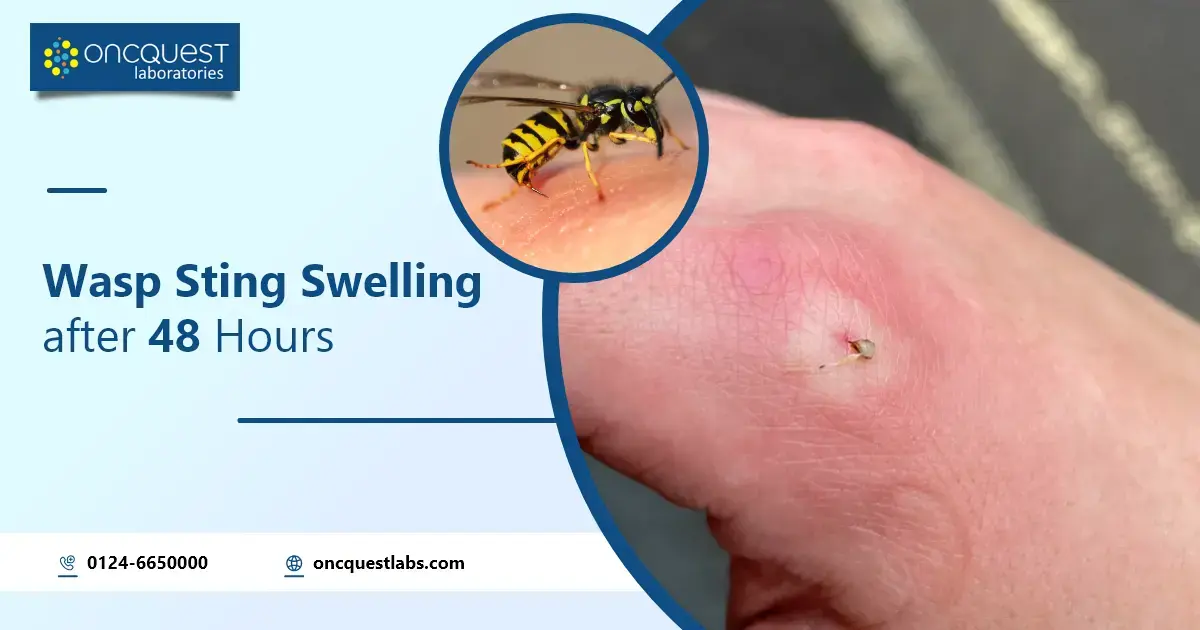
In the past, a severely swollen arm from a wasp sting might have resulted in a four-hour wait in an Emergency Room. Today, asynchronous telehealth platforms allow users to upload high-definition photos of the sting site to a specialist. Within minutes, a dermatologist can use digital tools to measure the radius of the erythema (redness) and determine if the reaction is a “Large Local Reaction” (LLR) or an infection like cellulitis. This remote diagnostic capability ensures that hospital resources are reserved for true emergencies while providing the patient with prescription-strength digital prescriptions (e-scripts) for antihistamines or corticosteroids.
Digital Health Passports and Allergy Profiles
The data generated from a single wasp sting event is no longer siloed. Through interoperable health records (EHR) and cloud-based platforms, the details of a sting—including the severity of the reaction and the efficacy of the treatment—are stored in a user’s digital health profile. This data is invaluable for future preventative care. If the user later visits an allergist, the specialist can review the digital “logs” of the incident, including heart rate data from the time of the sting, to decide if immunotherapy (allergy shots) is a necessary preventative measure.
4. The Future of Prevention: IoT and Smart Pest Management
In the tech world, the best way to handle a “sting” is to prevent the “wasp” from ever making contact. The Internet of Things (IoT) is currently being leveraged to create “smart environments” that minimize the risk of insect encounters in residential and commercial spaces.
Smart Traps and Thermal Imaging
Precision agriculture and smart home technology have birthed a new generation of pest management. IoT-enabled wasp traps now use pheromone lures combined with optical sensors to monitor wasp populations in real-time. When a “spike” in activity is detected, the system sends a notification to a facility manager’s dashboard. Furthermore, thermal imaging cameras integrated into smart home hubs can detect the heat signatures of wasp nests hidden inside walls or under eaves before they become a visible threat. By identifying these nests early through infrared thermography, homeowners can arrange for robotic or professional removal, preventing the sting before it occurs.
Data-Driven Risk Assessment Maps
On a macro level, big data is being used to create “Sting Risk Maps.” By aggregating data from health apps, weather patterns, and reported sightings, AI algorithms can predict wasp “blooms” in specific geographic areas. For hikers, outdoor workers, or parents, these predictive analytics offer a layer of digital foresight. A mobile app might send a push notification: “High yellowjacket activity detected on the North Trail today; exercise caution.” This shift from reactive treatment to proactive, data-driven avoidance represents the ultimate goal of HealthTech.

Conclusion: The Convergence of Biology and Bitrate
The answer to “what to do a wasp sting” is no longer just a medical directive; it is a technological workflow. From the moment of the sting, AI identifies the culprit, wearables monitor the systemic response, telemedicine provides the professional oversight, and IoT works in the background to prevent the next occurrence.
As we continue to integrate sensors and intelligence into our daily lives, the sting of a wasp becomes less of a frightening unknown and more of a manageable event. The synergy between human biology and digital technology ensures that while we may never fully eradicate the threat of the wasp, we have certainly mastered the “what to do” through the power of innovation. In this niche of HealthTech, the goal is clear: turning a painful biological encounter into a seamless, data-driven recovery.
aViewFromTheCave is a participant in the Amazon Services LLC Associates Program, an affiliate advertising program designed to provide a means for sites to earn advertising fees by advertising and linking to Amazon.com. Amazon, the Amazon logo, AmazonSupply, and the AmazonSupply logo are trademarks of Amazon.com, Inc. or its affiliates. As an Amazon Associate we earn affiliate commissions from qualifying purchases.