
Navigating the landscape of home loan interest rates is a critical step for anyone considering purchasing a home, refinancing an existing mortgage, or simply understanding the broader economic environment. Interest rates are not static; they fluctuate daily, influenced by a complex interplay of global economic indicators, monetary policy, and market sentiment. For the average borrower, deciphering these movements and understanding their personal impact can feel daunting. This article aims to demystify the current interest rate environment for home loans, providing insights into what drives these rates, how they affect your borrowing power, and strategies to secure the most favorable terms.

The cost of borrowing money for a home – encapsulated by the interest rate – represents a significant portion of a homeowner’s monthly expenses over the life of a loan. A slight percentage point difference can translate into tens of thousands of dollars saved or spent over 15 or 30 years. Therefore, staying informed about current trends and the underlying factors that shape them is not just prudent; it’s essential financial literacy for anyone engaging with the housing market.
Understanding the Dynamics of Home Loan Interest Rates
The interest rate you pay on a home loan isn’t plucked from thin air. It’s the culmination of intricate economic forces and risk assessments. To truly grasp “current” rates, one must first appreciate the mechanisms that propel their movement.
Key Economic Indicators at Play
The broader economic climate acts as the primary conductor for interest rates. Several critical indicators wield significant influence:
-
Federal Reserve Policy (Federal Funds Rate): Perhaps the most impactful domestic driver, the Federal Reserve’s decisions regarding the federal funds rate – the target rate for overnight lending between banks – reverberate throughout the entire financial system. When the Fed raises this rate, it typically makes borrowing more expensive across the board, including for mortgages. Conversely, rate cuts aim to stimulate economic activity by making credit cheaper. While the federal funds rate isn’t directly the mortgage rate, it influences the cost of funds for lenders, which then impacts what they charge borrowers.
-
Inflation: The rate at which prices for goods and services increase, eroding purchasing power, is a significant concern for lenders. If inflation is high or expected to rise, lenders demand higher interest rates to compensate for the diminished value of the money they will be repaid in the future. The Fed often raises the federal funds rate to combat high inflation, creating a direct link to mortgage rates.
-
Economic Growth and Recession Fears: A strong economy generally implies higher demand for money and investment, which can push interest rates up. Conversely, during periods of economic slowdown or recession, central banks often lower rates to encourage spending and investment. However, during times of uncertainty, investors might flock to safer assets like government bonds, which can, paradoxically, push bond yields (and thus mortgage rates) down temporarily, even as the economy struggles.
-
Treasury Yields (10-Year Treasury Bond): The yield on the 10-year U.S. Treasury bond is a crucial benchmark for mortgage rates. Mortgage-backed securities (MBS), which are packaged mortgages bought and sold by investors, tend to track the 10-year Treasury yield closely. When the yield on the 10-year Treasury rises, mortgage rates generally follow suit, and vice-versa. Investors consider the return on Treasuries a “risk-free” rate, and they need a higher return from MBS (and thus mortgages) to justify the added risk.
How Lenders Set Their Rates
While macroeconomic factors set the stage, individual lenders also contribute to the final rate offered to a borrower:
-
Mortgage-Backed Securities (MBS) Market: Mortgage lenders don’t typically hold loans on their books for 15 or 30 years. Instead, they sell them in the secondary market as mortgage-backed securities. The demand and pricing for these MBS greatly influence the rates lenders can offer. If investors are less enthusiastic about buying MBS, lenders must offer higher rates to make the underlying loans more attractive.
-
Lender’s Profit Margins: Every lender operates as a business and needs to make a profit. The interest rate includes a component to cover the lender’s operational costs, overhead, and desired profit margin. This margin can vary between different financial institutions, which is why shopping around is so important.
-
Borrower’s Creditworthiness: Lenders assess the risk associated with each borrower. A borrower with a high credit score, low debt-to-income ratio, and a substantial down payment is considered less risky and will typically qualify for a lower interest rate compared to someone with a weaker financial profile.
Navigating Today’s Home Loan Market
Understanding the forces at play helps contextualize the current market. Today’s interest rates are a product of recent monetary policy adjustments, ongoing inflation concerns, and broader economic stability (or instability).
Current Rate Environment Overview
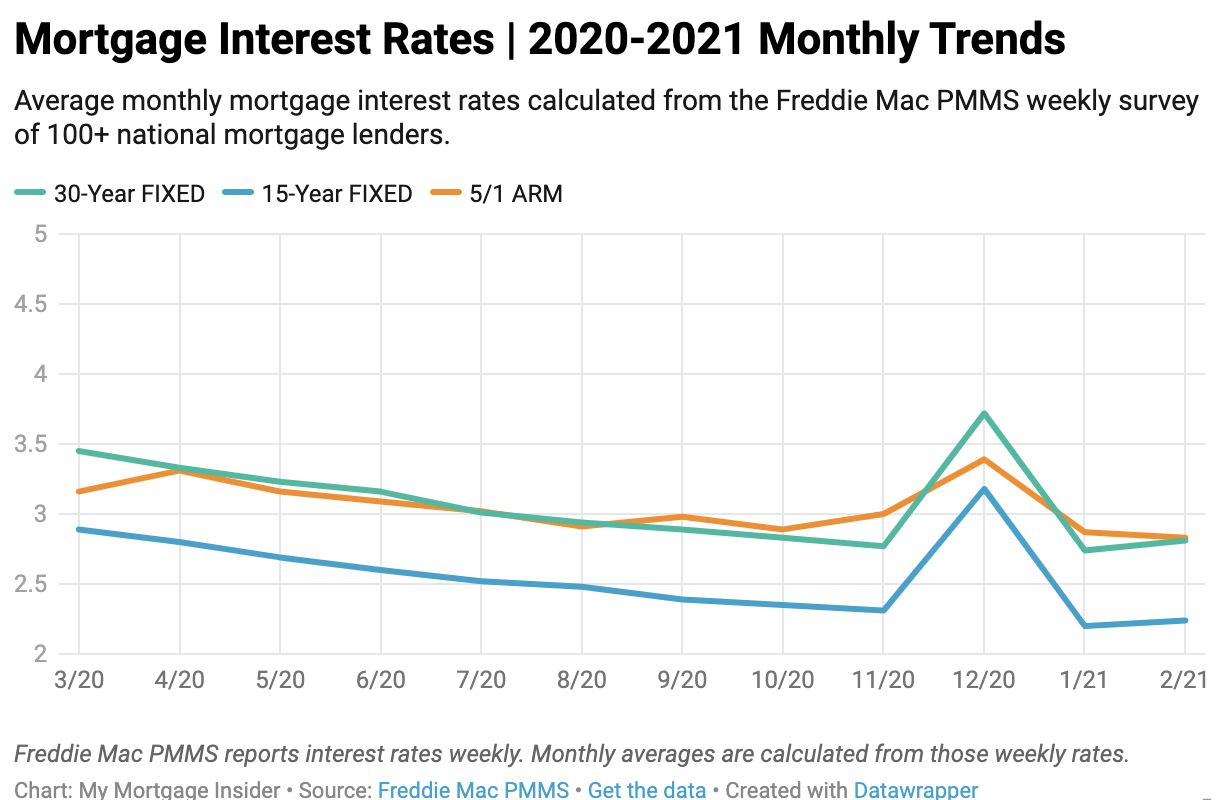
The interest rate environment is constantly in flux. At any given moment, rates can be described as rising, falling, stable, or volatile. For instance, in periods where central banks are aggressively raising rates to combat inflation, borrowers would observe a trend of increasing mortgage rates. Conversely, during economic downturns, rates might trend downwards as central banks implement stimulative policies.
It’s crucial to understand that there isn’t a single “current interest rate.” The rate you qualify for will depend on numerous individual factors, including your financial health, the type of loan you choose, the loan term, and the specific lender. While a 30-year fixed-rate mortgage rate might be quoted in the media, your actual rate could be higher or lower based on your unique circumstances. It’s best to think in terms of a range that fluctuates daily, rather than a fixed number.
Types of Home Loans and Their Rate Structures
Different loan products come with distinct rate structures, catering to diverse borrower needs and risk tolerances:
-
Fixed-Rate Mortgages (FRM): These are the most common type of home loan, offering a consistent interest rate for the entire loan term, typically 15 or 30 years. This provides stability and predictability in monthly payments, making budgeting easier. The downside is that if market rates fall significantly after you lock in, you won’t benefit unless you refinance.
-
Adjustable-Rate Mortgages (ARM): ARMs feature an initial fixed-rate period (e.g., 5, 7, or 10 years), after which the interest rate adjusts periodically based on a predetermined index (like the Secured Overnight Financing Rate – SOFR) plus a margin. ARMs often start with lower interest rates than fixed-rate mortgages, making them attractive for borrowers who plan to sell or refinance before the fixed period ends, or those who anticipate future income growth. However, they carry the risk of significantly higher payments if rates rise after adjustment.
-
Government-Backed Loans (FHA, VA, USDA): These loans are insured or guaranteed by government agencies, making them less risky for lenders. They often offer more lenient qualification requirements, such as lower credit scores or smaller down payments, and can come with competitive interest rates.
-
FHA Loans: Ideal for first-time homebuyers or those with lower credit scores. They require mortgage insurance premiums.
-
VA Loans: Available to eligible service members, veterans, and surviving spouses, offering no down payment and no mortgage insurance.
-
USDA Loans: Designed for low-to-moderate-income buyers in eligible rural areas, often requiring no down payment.
-
-
Jumbo Loans: For mortgages that exceed conventional loan limits, jumbo loans are used. They often have stricter qualification criteria and can sometimes carry slightly higher interest rates due to their larger size and perceived increased risk for lenders.
Factors Influencing Your Specific Interest Rate
While market rates provide a baseline, the rate you personally receive is highly individualized. Lenders meticulously assess your financial profile to determine the level of risk you present.
Your Financial Profile
Your personal financial health is paramount in determining the interest rate you’ll be offered.
-
Credit Score: A strong credit score (typically FICO scores above 740-760) signals to lenders that you are a responsible borrower with a history of timely payments. Borrowers with excellent credit consistently qualify for the lowest available interest rates. Conversely, lower credit scores indicate higher risk and will result in higher rates to compensate the lender.
-
Debt-to-Income (DTI) Ratio: This ratio compares your total monthly debt payments to your gross monthly income. Lenders use DTI to assess your ability to manage additional mortgage payments. A lower DTI (generally below 36-43%) indicates you have more disposable income to cover your mortgage, making you a less risky borrower and potentially eligible for better rates.
-
Down Payment: A larger down payment (e.g., 20% or more of the home’s purchase price) reduces the amount you need to borrow, thus lowering the lender’s risk. This often translates into a lower interest rate. Additionally, a 20% down payment typically allows you to avoid private mortgage insurance (PMI), saving you further costs.
Loan Specifics
Beyond your personal finances, the details of the loan itself play a significant role:
-
Loan Term: Shorter loan terms, such as a 15-year fixed mortgage, typically come with lower interest rates than longer terms like 30-year fixed mortgages. While the monthly payments are higher for a 15-year loan, you pay significantly less interest over the life of the loan.
-
Loan Type: As discussed, fixed-rate mortgages typically have higher initial rates than ARMs, reflecting the stability they offer. Government-backed loans (FHA, VA, USDA) often have competitive rates but may come with their own fees or insurance requirements.
-
Property Type and Location: Lenders consider the property itself. A single-family primary residence is generally viewed as less risky than an investment property or a multi-unit dwelling, which can influence rates. The property’s location and market stability can also be factors.
-
Loan-to-Value (LTV) Ratio: This is the ratio of the loan amount to the appraised value of the property. A lower LTV (meaning a larger down payment) indicates less risk for the lender, potentially leading to a better interest rate.
Strategies for Securing the Best Possible Rate
Given the dynamic nature of interest rates and the personalized assessment by lenders, a proactive approach is key to securing the most favorable terms for your home loan.
Preparing Your Finances
Laying a strong financial foundation before applying for a mortgage can significantly impact the rates you qualify for:
-
Improving Credit Score: Review your credit report for errors and dispute any inaccuracies. Pay bills on time, reduce credit card balances, and avoid opening new lines of credit in the months leading up to your application. A higher score directly translates to lower rates.
-
Reducing Debt: Work towards lowering your overall debt, especially revolving debt like credit card balances. This will improve your DTI ratio, making you a more attractive borrower.
-
Saving for a Larger Down Payment: Aim for at least 20% down if possible, not just to avoid PMI, but also to reduce your LTV ratio and potentially secure a lower interest rate. Even a slightly larger down payment can make a difference.
Shopping Around and Negotiation
Don’t settle for the first offer you receive. Competition among lenders is fierce, and leveraging that can save you money.
-
Comparing Multiple Lenders: Obtain quotes from at least three to five different lenders, including traditional banks, credit unions, and online mortgage brokers. Each lender has different pricing structures and overheads, so their rates can vary.
-
Getting Pre-Approved: A mortgage pre-approval is a conditional commitment from a lender to loan you a specific amount, based on a review of your financial information. It shows sellers you’re a serious buyer and provides you with a realistic budget. Use these pre-approval offers to compare rates and terms.
-
Understanding Closing Costs and Points: Interest rate isn’t the only cost. Factor in closing costs, which include various fees (origination, appraisal, title, etc.). Also, understand “points” – a point is 1% of the loan amount. You can often pay “discount points” upfront to “buy down” your interest rate, or choose a higher rate with “lender credits” to cover some closing costs. Calculate if paying points makes financial sense for your long-term plans.
Rate Locks and When to Use Them
Once you have an accepted offer on a home and are progressing with your loan application, a rate lock becomes a critical tool.
-
What a Rate Lock Is: A rate lock guarantees the interest rate for a specified period (e.g., 30, 45, or 60 days) during the underwriting and closing process. This protects you from rising rates while your loan is being finalized.
-
When It’s Beneficial: If you believe interest rates are on an upward trend, locking in your rate can provide peace of mind. However, if rates are falling, you might regret locking too early.
-
Duration of Rate Locks: Shorter lock periods are often cheaper, but if you anticipate a lengthy closing process, a longer lock might be worth the slightly higher cost to avoid expiration. Discuss “float-down” options with your lender, which allow you to benefit if rates drop significantly after you’ve locked.
The Future Outlook for Home Loan Interest Rates
Predicting the future of interest rates is notoriously difficult, even for seasoned economists. However, understanding the factors that influence forecasts can help you make informed decisions.
Expert Predictions and Economic Forecasts
-
Federal Reserve’s Stance: The Fed’s forward guidance on inflation and economic growth is a primary indicator. If the Fed signals continued vigilance against inflation, further rate hikes might be anticipated. Conversely, signs of economic slowdown could lead to rate cuts or a pause.
-
Broader Economic Trends: Keep an eye on reports about GDP growth, unemployment rates, consumer spending, and manufacturing output. A robust economy might support higher rates, while a struggling economy could necessitate lower rates. Geopolitical events and global economic shifts can also introduce volatility.
-
Uncertainty and Volatility: The past few years have demonstrated that market conditions can change rapidly due to unforeseen events. This inherent uncertainty means that interest rates can be volatile, making long-term predictions challenging. Mortgage lenders and financial institutions often release their own forecasts, which can offer a range of perspectives.
Long-Term vs. Short-Term Considerations
-
Short-Term Trends: For those looking to buy or refinance in the immediate future, closely monitoring daily rate movements and economic news is crucial. Even minor shifts can impact affordability.
-
Long-Term Trends: Historically, interest rates are cyclical. They rise and fall over time, reflecting economic cycles. Understanding this pattern can help borrowers assess the long-term implications of their mortgage choice. For instance, in a high-rate environment, an ARM might be considered if the borrower expects rates to fall in the future, allowing for a refinance into a lower fixed rate. Conversely, in a low-rate environment, locking in a fixed rate offers long-term security against potential future increases.

Conclusion
Understanding “what are the current interest rates for home loans” is far more nuanced than simply looking up a number online. It requires an appreciation of macroeconomic forces, an understanding of various loan products, and a keen awareness of how your personal financial profile impacts the rates you qualify for. Interest rates are a dynamic reflection of the economic environment, influenced by central bank policies, inflation, and market sentiment.
By proactively managing your finances, diligently shopping for the best loan terms, and strategically using tools like rate locks, you can significantly influence the cost of your home loan. While the future trajectory of rates remains subject to various economic forces, staying informed, preparing thoroughly, and seeking professional financial advice will empower you to navigate the mortgage market with confidence and secure a home loan that aligns with your financial goals. Your home is likely your largest financial asset, and making informed decisions about its financing is an investment in your future.
aViewFromTheCave is a participant in the Amazon Services LLC Associates Program, an affiliate advertising program designed to provide a means for sites to earn advertising fees by advertising and linking to Amazon.com. Amazon, the Amazon logo, AmazonSupply, and the AmazonSupply logo are trademarks of Amazon.com, Inc. or its affiliates. As an Amazon Associate we earn affiliate commissions from qualifying purchases.