
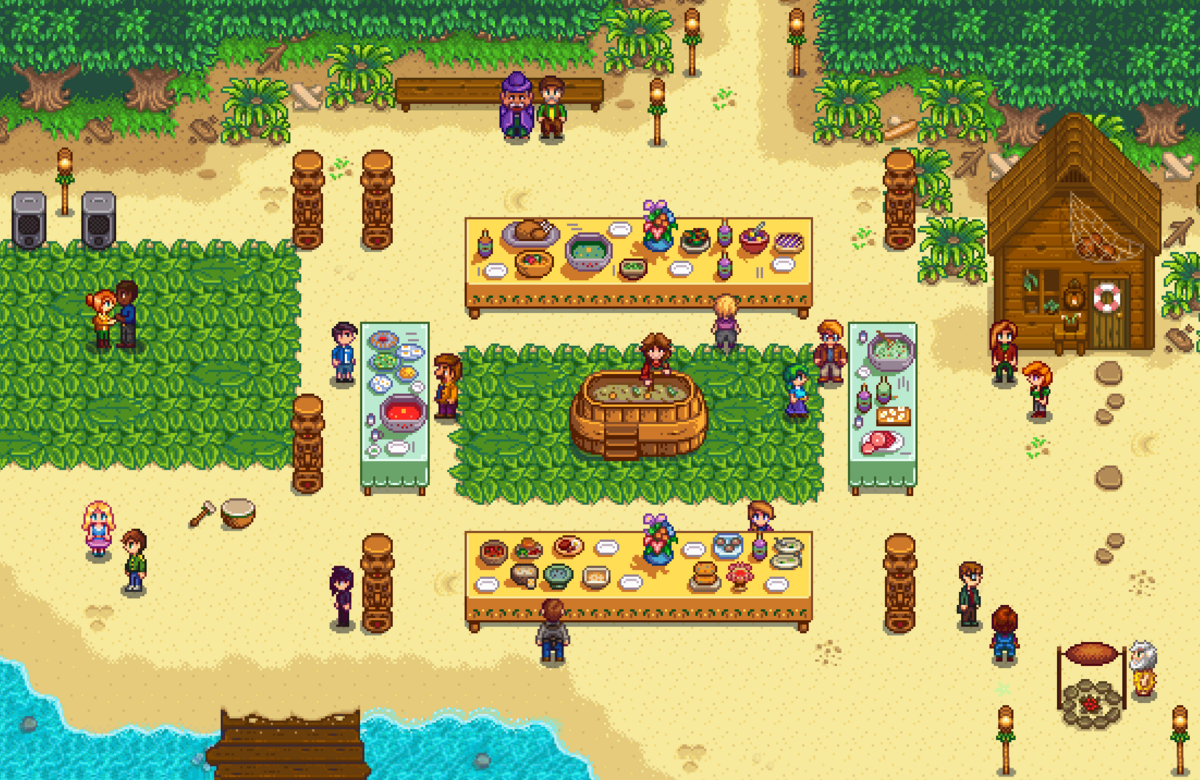
The Stardew Valley Luau, a pivotal annual event held on the 11th of Summer, represents more than just a communal gathering; it is a meticulously designed in-game mechanic challenging players to demonstrate their agricultural prowess and resource management acumen. At its core, the Luau’s success hinges on the quality of a single item contributed to the community potluck soup, an offering scrutinized by the Governor himself. Understanding the underlying algorithms and strategic implications of this contribution is crucial for maximizing in-game benefits and achieving optimal gameplay progression.
Understanding the Luau Potluck Mechanics
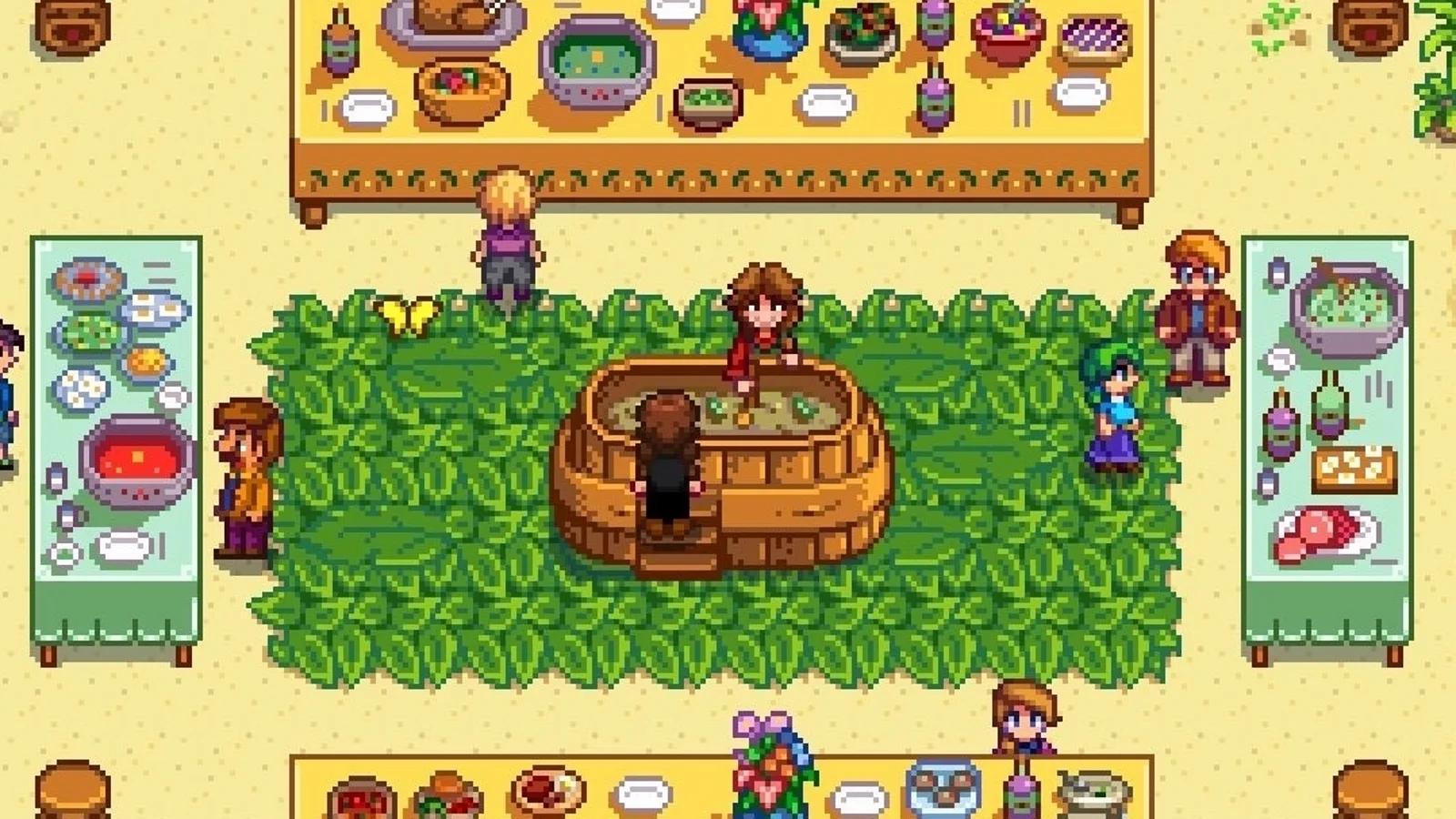
The Luau’s central feature, the potluck, is not merely a thematic element but a functional system with specific scoring criteria. Players must contribute one item to a communal soup, which is then tasted by the Governor of Ferngill Republic. The Governor’s reaction, ranging from disgust to ecstatic praise, is directly correlated with the quality and value of the contributed item, influencing both player relationship points with villagers and overall in-game reputation.

The Governor’s Palate and Scoring System
The game’s engine evaluates the contributed item based on a complex formula that considers its base sell price and its quality tier. While the exact numerical values are abstracted from the player, the outcome is represented by a dialogue system. A “perfect” soup yields unique dialogue from the Governor and significant relationship gains, whereas a “terrible” soup can result in negative reactions and even relationship penalties. This system incentivizes strategic item selection, pushing players to engage with the game’s economic and farming systems beyond simple profit motives.
The scoring algorithm prioritizes items that are inherently valuable and of high quality. For instance, a regular quality crop might barely register, while an iridium quality artisan good or a rare fish can dramatically elevate the soup’s perceived quality. This design choice reinforces the game’s progression curve, rewarding players who have invested time in farming, fishing, or artisan production to achieve higher-tier outputs.
Quality and Value Multipliers
Every item in Stardew Valley possesses a base sell price and can exist in various quality tiers: regular, silver, gold, and iridium. These quality tiers act as multipliers on an item’s base value, significantly increasing its potency for events like the Luau.
- Regular Quality: Base value (x1)
- Silver Quality: Base value (x1.25)
- Gold Quality: Base value (x1.5)
- Iridium Quality: Base value (x2)
For the Luau potluck, the game’s internal scoring system heavily weighs these quality multipliers. An iridium quality item is not just twice as valuable in monetary terms, but it also provides a disproportionately higher score for the potluck soup, making it the clear objective for players aiming for the best outcome. This technical detail highlights the importance of not just what item is brought, but how well that item has been cultivated or produced.
The Importance of a Single, High-Quality Contribution
Unlike other festivals where multiple items or skill demonstrations might be relevant, the Luau strictly focuses on a single item’s excellence. This singular focus elevates the strategic importance of that one choice. Players must resist the temptation to bring a collection of moderately good items and instead concentrate their efforts on producing or acquiring one exceptionally high-quality offering. This mechanic challenges players’ understanding of item value hierarchies and their ability to optimize for specific event parameters. A common pitfall for new players is to bring a common vegetable, unaware of the potential for a negative outcome if the item lacks sufficient quality or base value.
Optimal Contributions for Maximum Impact
Achieving the best possible outcome at the Luau requires an understanding of which items yield the highest scores. This strategy often evolves as the player progresses through the game, gaining access to more advanced farming techniques, better equipment, and higher-tier resources.
Early Game Strategies: Making the Most of Limited Resources
In the initial stages of a Stardew Valley playthrough, resources are constrained, and access to advanced artisan equipment or rare fish is limited. Despite these limitations, players can still aim for a respectable soup by focusing on the highest quality produce available to them.
Silver/Gold Star Crops and Foraging Items
During the first Summer, players should prioritize growing crops known for higher sell prices, such as Melons or Blueberries, and strive for silver or gold quality through careful farming practices (e.g., using quality fertilizer). A gold star Melon, for example, represents a strong early-game contribution. Foraging items, especially rare ones like a Fiddlehead Fern (found in the Secret Woods) or a Chanterelle (fall, but can be saved from previous seasons if lucky with early foraging), if found at a gold quality, can also be surprisingly effective due to their relatively high base values compared to common crops.
Artisan Goods (Cheese, Mayonnaise)
Once players acquire a basic barn or coop, producing artisan goods like Cheese or Mayonnaise becomes an option. Even regular quality large milk or large eggs can be processed into silver or gold quality artisan goods, immediately boosting their value. A gold star Mayonnaise or Cheese, especially if produced from a large egg/milk, provides a more consistent and valuable option than most early crops or foraged items, bridging the gap towards higher-tier contributions.
Mid to Late Game Dominance: High-Tier Offerings
As the farm develops, players gain access to more sophisticated methods for producing highly valuable, high-quality items. This is where truly “perfect” Luau contributions become possible.
Iridium Star Produce (e.g., Pumpkin, Melon, Starfruit)
With advanced farming techniques, including efficient crop layouts, quality fertilizer (especially Deluxe Quality Fertilizer), and consistent watering (sprinklers), producing iridium quality crops becomes feasible. Crops with high base values, such as Starfruit (from the Desert), Ancient Fruit, or even high-tier base game crops like Melons and Pumpkins, are exceptional choices when reaching iridium quality. An iridium quality Starfruit, for instance, offers one of the highest possible scores due due to its already exorbitant base value being multiplied.
Legendary Fish (e.g., Crimsonfish, Angler, Legend)
For dedicated anglers, catching one of the five legendary fish (Crimsonfish in Summer, Angler in Fall, Legend in Spring, Mutant Carp in Sewers, Glacierfish in Winter) and holding onto it until the Luau can be a game-changing strategy. These fish possess exceptionally high base values and can often be caught at gold or even iridium quality with enough fishing skill and patience. An iridium quality Crimsonfish, specifically available in Summer, is an incredibly potent contribution that guarantees an excellent outcome. However, this strategy requires significant fishing skill and often luck, as each legendary fish can only be caught once per save file.
Aged Wine or Cheese (Iridium Quality)
The ultimate late-game contribution comes from iridium quality artisan goods that have undergone aging in Casks. Wine, particularly from high-value fruits like Starfruit or Ancient Fruit, can be aged to iridium quality, multiplying its value significantly. Similarly, Goat Cheese can be aged to iridium quality. An iridium quality Starfruit Wine, which takes two whole seasons (56 days) to age to its peak, provides the absolute pinnacle of Luau contributions, delivering the highest possible score and a uniquely positive reaction from the Governor. This strategy demonstrates the player’s long-term planning and investment in their artisan craft.
The Science Behind Selection: Why Certain Items Excel
Understanding the intrinsic properties of items in Stardew Valley is key to consistently achieving a perfect Luau. It’s not just about perceived value, but the underlying data structures and multipliers that the game applies.
Item Category and Base Value
Each item belongs to a category, and within these categories, base values vary widely. Generally, processed artisan goods and rare fish have higher base values than raw crops or foraged items. This inherent value is the first layer of calculation for the Luau scoring system. An item with a base sell price of 1000g will inherently score higher than an item with a base sell price of 100g, assuming equal quality. This principle guides the initial selection process: target items that naturally command a higher price.
Quality Tiers: A Technical Deep Dive
As mentioned, quality tiers apply multipliers. However, it’s worth noting that the scaling isn’t purely linear in terms of its impact on the governor’s opinion. While the monetary value doubles for iridium, the internal scoring for the Luau might have breakpoints or thresholds that are more easily crossed with higher quality. The game’s engine likely checks for specific score ranges to trigger different dialogue outcomes. Therefore, reaching iridium quality isn’t just about incremental improvement; it’s about hitting a specific tier that guarantees the highest possible “taste” score and corresponding dialogue. This is why a regular quality item, no matter its base value, will almost certainly fail to impress, while a regular quality Legendary Fish might barely pass. The quality multiplier elevates the item into a different scoring bracket entirely.
Avoiding Pitfalls: The Detrimental Items
Just as certain items guarantee success, others guarantee failure, often resulting in amusingly negative dialogue. Bringing items like Seaweed, Green Algae, or particularly common foraged items (e.g., Dandelion, Daffodil) at regular quality will almost always lead to the Governor expressing distaste. Even worse, deliberately offensive items such as Void Mayonnaise or a Red Mushroom (which is poisonous) will trigger unique, highly negative reactions and significant relationship penalties with all villagers present. This mechanic serves as both a humorous diversion and a stern warning against thoughtless contributions, reinforcing the idea that the Luau is a serious event for the townsfolk.
Strategic Preparation and Resource Management
Optimal Luau performance is not a last-minute decision; it requires foresight and strategic planning across seasons.
Planning Ahead: Cultivating for the Summer Event
To secure a top-tier contribution, players should begin preparation well in advance. For iridium quality produce, this means planting high-value crops with Deluxe Quality Fertilizer during Spring or early Summer, ensuring enough time for growth cycles and subsequent harvest before the 11th of Summer. For aged artisan goods, the process is even longer, requiring careful timing to ensure an iridium quality wine or cheese finishes aging in a Cask by the Luau date. This involves tracking in-game days and planning accordingly, often dedicating specific Casks to Luau preparations months in advance.
Inventory Management and Accessibility
Players must also practice diligent inventory management. If a legendary fish is caught, or a high-value iridium crop is harvested, it should be set aside specifically for the Luau, rather than sold or used in other recipes. Creating a dedicated chest for festival items is a common strategy among efficient players. Ensuring the chosen item is accessible on the day of the Luau, without accidental consumption or sale, is a small but critical detail.
Balancing Luau Success with Other In-Game Goals
While a perfect Luau is desirable, it’s crucial to balance this objective with other ongoing in-game goals. Dedicating excessive resources to a single Luau item might detract from progress in other areas, such as community center bundles, farm expansion, or relationship building. The key is to integrate Luau preparation into a broader, holistic farm management strategy, leveraging existing production pipelines for maximum efficiency. For example, if a player is already producing Starfruit Wine, aging one for the Luau becomes a low-effort, high-reward decision.
The Rewards of a Perfect Potluck and Community Impact
Achieving a perfect Luau is a satisfying milestone within Stardew Valley, providing tangible and intangible rewards that enhance the gameplay experience.
Relationship Boosts and Governor’s Dialogue
A perfect soup results in the Governor expressing extreme delight, often stating it’s the best soup he’s ever tasted. This positive reaction triggers a significant friendship boost (typically 120 friendship points) with every villager present at the festival. This wide-ranging relationship gain is substantial and can accelerate progress towards marriage or unlocking character-specific events. Conversely, a terrible soup can result in negative friendship points with all villagers, effectively punishing poor preparation.
Reputational Gains and Player Satisfaction
Beyond the numerical friendship points, a successful Luau enhances the player’s reputation within the digital world of Stardew Valley. Villagers offer positive comments, reinforcing the player’s role as a valued and competent member of the community. This contributes to a sense of accomplishment and player satisfaction, which are core elements of the Stardew Valley experience. It solidifies the player’s identity as a master farmer or artisan, capable of contributing meaningfully to town life.
Social Dynamics within the Game’s Ecosystem
The Luau event, and particularly the potluck, serves as a dynamic social focal point. The Governor’s reaction dictates the overall mood of the festival and the villagers. A successful Luau fosters a sense of collective joy and harmony, reflecting the idealized communal spirit that Stardew Valley often portrays. From a technical perspective, this interaction showcases how simple game mechanics (item contribution, quality check) can drive complex social simulations and emotional responses within the game’s virtual ecosystem, enriching the player’s immersion and sense of belonging in Pelican Town.
aViewFromTheCave is a participant in the Amazon Services LLC Associates Program, an affiliate advertising program designed to provide a means for sites to earn advertising fees by advertising and linking to Amazon.com. Amazon, the Amazon logo, AmazonSupply, and the AmazonSupply logo are trademarks of Amazon.com, Inc. or its affiliates. As an Amazon Associate we earn affiliate commissions from qualifying purchases.