
Engaging with the Internal Revenue Service (IRS) is an unavoidable aspect of financial life for individuals and businesses alike. Whether you’re seeking clarity on a tax notice, inquiring about your refund status, negotiating a payment plan, or navigating complex tax regulations, knowing the most effective ways to reach the IRS is crucial for sound financial management. This comprehensive guide delves into the various contact methods, offering insights into when and how to utilize each to ensure your financial dealings with the nation’s tax collector are as smooth and productive as possible.
The IRS is a vast governmental agency, and while its primary mission is to collect taxes and administer the Internal Revenue Code, it also serves as a critical resource for taxpayers. Understanding the correct channels to address your specific financial query can save you significant time, reduce frustration, and help you maintain compliance, safeguarding your financial well-being. From direct phone lines and traditional mail to digital tools and in-person assistance, each method serves a distinct purpose, tailored to different levels of complexity and urgency in your financial matters.

Understanding Your Need to Connect with the IRS
Before picking up the phone or drafting an email, it’s paramount to understand precisely why you need to contact the IRS. Pinpointing your specific financial issue will guide you to the most appropriate contact method and help you prepare the necessary documentation, ensuring a more efficient interaction.
Common Scenarios Requiring IRS Contact
Taxpayers reach out to the IRS for a multitude of financial reasons. These can range from routine inquiries to more urgent and complex situations:
- Tax Filing Questions: Queries about specific forms, deductions, credits, or filing requirements for individuals, businesses, or non-profits. This often relates to understanding how certain financial activities impact tax liability.
- Payment Issues and Notices: Receiving a notice about underpayment, penalties, interest, or needing to establish a payment plan (such as an Offer in Compromise or Installment Agreement) for outstanding tax debts. This directly impacts personal and business cash flow.
- Refund Status Inquiries: Checking the status of a filed tax refund, especially if it’s delayed beyond the typical processing timeframe. This is a critical aspect of personal finance planning.
- Identity Theft and Fraud: Reporting suspected tax-related identity theft or responding to an IRS notice concerning a potentially fraudulent tax return filed in your name. This has severe implications for financial security.
- Business Tax Questions: Specific inquiries related to employer identification numbers (EINs), payroll taxes, excise taxes, or corporate tax filings. Essential for business financial health.
- Audit Responses: Responding to an IRS audit letter or requesting clarification on an audit’s findings. This can significantly impact a business or individual’s financial standing.
- International Tax Matters: Questions from U.S. citizens living abroad or foreign nationals with U.S. income concerning their specific tax obligations.
Preparing for Your Interaction: What You’ll Need
Regardless of the contact method, preparation is key to a productive conversation with the IRS. Having your financial documents and information readily available will prevent unnecessary delays and ensure you get the most accurate assistance.
- Your Taxpayer Identification Number (TIN): This is typically your Social Security Number (SSN) for individuals or Employer Identification Number (EIN) for businesses.
- Copies of Relevant Tax Returns: Have the specific tax year(s) returns, including all schedules and attachments, pertinent to your inquiry.
- IRS Notices or Letters: If you’re responding to correspondence, have the notice or letter in front of you, noting the notice number (e.g., CP2000, LTR 012C).
- Supporting Documentation: Bank statements, W-2s, 1099s, receipts, canceled checks, or any other financial records that support your claim or question.
- A Clear Summary of Your Question/Issue: Jot down a concise explanation of your problem or question. Include any previous actions you’ve taken and what outcome you hope to achieve.
- Pen and Paper: For taking notes on who you spoke with, the date, time, advice given, and any reference numbers. This is crucial for maintaining a financial paper trail.
Navigating the IRS’s Primary Contact Channels
The IRS offers multiple avenues for communication, each with its own advantages and best use cases depending on the complexity and urgency of your financial inquiry.
The Efficiency of Online Resources
For many common financial questions and tasks, the IRS website (IRS.gov) is your most efficient first stop. It’s available 24/7 and offers a wealth of self-service tools that can resolve issues without direct interaction.
- “Where’s My Refund?” Tool: Quickly check the status of your federal income tax refund.
- “Get Transcript” Tool: Access various tax transcripts online or by mail for financial aid applications, loan applications, or tax preparation.
- Online Payment Options: Make tax payments directly from your bank account (IRS Direct Pay) or by debit/credit card.
- IRS Online Account: View your tax balance, payment history, access tax records, and manage communication preferences. This central hub is increasingly valuable for financial oversight.
- Interactive Tax Assistant (ITA): An online tool that answers a wide range of tax law questions specific to your circumstances.
- FAQs and Publications: Extensive databases of frequently asked questions and official IRS publications covering almost every financial tax topic imaginable.
Direct Communication via Phone
For complex questions, specific account issues, or when online resources fall short, speaking directly with an IRS representative is often necessary. Be prepared for potential wait times, especially during peak filing season.
- General Tax Questions:
- Individuals: 1-800-829-1040 (available 7 a.m. to 7 p.m. local time, Monday through Friday).
- Businesses: 1-800-829-4933 (available 7 a.m. to 7 p.m. local time, Monday through Friday).
- Specific Topics: The IRS provides dedicated phone lines for issues such as identity theft (1-800-908-4490), estate and gift taxes, excise taxes, and international tax law. Always refer to IRS.gov for the most current and specific phone numbers.
- Taxpayer Advocate Service (TAS): If you’ve tried to resolve an issue through normal IRS channels and haven’t succeeded, or if you’re experiencing significant financial hardship due to an IRS action, the TAS can help. Call 1-877-777-4778.
Traditional Mail: When It’s Necessary
While slower, mail remains a critical and sometimes legally required method for submitting certain forms, payments, and responses to IRS notices. Always use certified mail with a return receipt for important financial documents to create a verifiable record.
- Filing Returns: Many taxpayers still prefer to mail paper tax returns. Ensure you use the correct mailing address based on your location and the type of form.
- Responding to Notices: Some IRS notices require a written response, often with supporting documentation.
- Submitting Payments with Vouchers: Though online payments are common, some taxpayers choose to mail a check or money order with a payment voucher.
- Amended Returns and Appeals: Certain complex financial adjustments or appeals processes require documentation sent via mail.
In-Person Assistance at Taxpayer Assistance Centers (TACs)
For face-to-face help with specific tax issues or when you require document verification (e.g., for an ITIN), Taxpayer Assistance Centers (TACs) offer direct support. TACs operate by appointment only.
- Finding a TAC: Use the “Contact Your Local Office in Every State” tool on IRS.gov to locate the nearest TAC and schedule an appointment.
- Services Offered: TACs provide help with account inquiries, payment issues, obtaining tax forms, basic tax law assistance, and assistance for taxpayers with disabilities or limited English proficiency. They do not generally prepare tax returns.
Specific Contact Points for Different Financial Matters
Given the diverse nature of financial interactions with the IRS, specific contact methods are often best suited for particular issues.
General Tax Inquiries and Filing Assistance

For broad questions about tax law, deductions, or credits, the IRS website’s FAQs, Interactive Tax Assistant, and general phone lines are good starting points. For more personalized help, consider seeking advice from a qualified tax professional (e.g., CPA, Enrolled Agent) or utilizing volunteer income tax assistance (VITA) or tax counseling for the elderly (TCE) programs.
Payment Issues and Collection Notices
If you owe the IRS money and cannot pay, immediately explore online payment agreement options via your IRS Online Account or by calling the dedicated collection line (the number is usually on the notice you received). Ignoring collection notices can lead to severe financial consequences, including liens and levies.
Refund Status and Delays
The “Where’s My Refund?” tool is almost always the fastest way to check your refund status. If the tool indicates a delay or an issue, and it’s been longer than the standard processing time, then calling the general individual tax questions line (1-800-829-1040) is appropriate.
Identity Theft and Fraud
If you suspect you are a victim of tax-related identity theft, contact the IRS Identity Protection Specialized Unit at 1-800-908-4490 immediately. Also, file a report with the Federal Trade Commission and contact credit bureaus. This is a critical financial security measure.
Business Tax Questions
Businesses have unique tax obligations. For specific EIN questions, payroll tax issues, or general business tax advice, the business and specialty tax line (1-800-829-4933) is the primary resource. The IRS website also has extensive sections dedicated to small businesses and self-employed individuals.
Strategies for Effective Communication with the IRS
Interacting with the IRS can be daunting, but adopting a strategic approach can significantly improve your experience and outcomes, protecting your financial interests.
Timing Your Contact: Best Practices
- Avoid Peak Season: The busiest times for IRS phone lines are during tax filing season (January to April) and especially on Mondays and around common tax deadlines.
- Call Early in the Week/Morning: Call volumes are often lower Tuesday through Friday, and earlier in the morning (e.g., right when lines open) can result in shorter wait times.
- Allow for Processing Time: Before following up on a mailed return or payment, allow the recommended processing time (often several weeks or months) to pass.
Keeping Meticulous Records
Every interaction with the IRS, whether by phone, mail, or in person, should be documented meticulously. This is a cornerstone of responsible financial management.
- Date and Time of Contact: Record the exact date and time.
- Name of Representative: Ask for the representative’s name and badge number.
- Summary of Conversation: Note key points discussed, advice given, and actions agreed upon.
- Reference Numbers: If provided, jot down any case or reference numbers.
- Copies of All Correspondence: Keep copies of all letters sent to and received from the IRS.
This detailed record-keeping can be invaluable if a dispute arises or if you need to follow up on an unresolved financial issue.
Escalating Issues and Seeking Professional Help
If you’re unable to resolve your financial issue through standard channels, or if you disagree with an IRS decision, there are avenues for escalation:
- Taxpayer Advocate Service (TAS): As mentioned, the TAS is an independent organization within the IRS that helps taxpayers experiencing significant financial problems due to IRS actions.
- IRS Office of Appeals: If you disagree with the results of an audit or another IRS decision, you generally have the right to appeal the decision within the IRS.
- Tax Professionals: For complex financial matters, audits, or appeals, retaining a qualified tax professional (e.g., CPA, Enrolled Agent, tax attorney) is often the wisest financial decision. They can communicate directly with the IRS on your behalf and navigate the intricacies of tax law.
Leveraging IRS Tools and Resources Beyond Direct Contact
The IRS is continually expanding its digital footprint to offer more self-service options, empowering taxpayers to manage their financial obligations proactively.
The IRS Website: Your First Stop
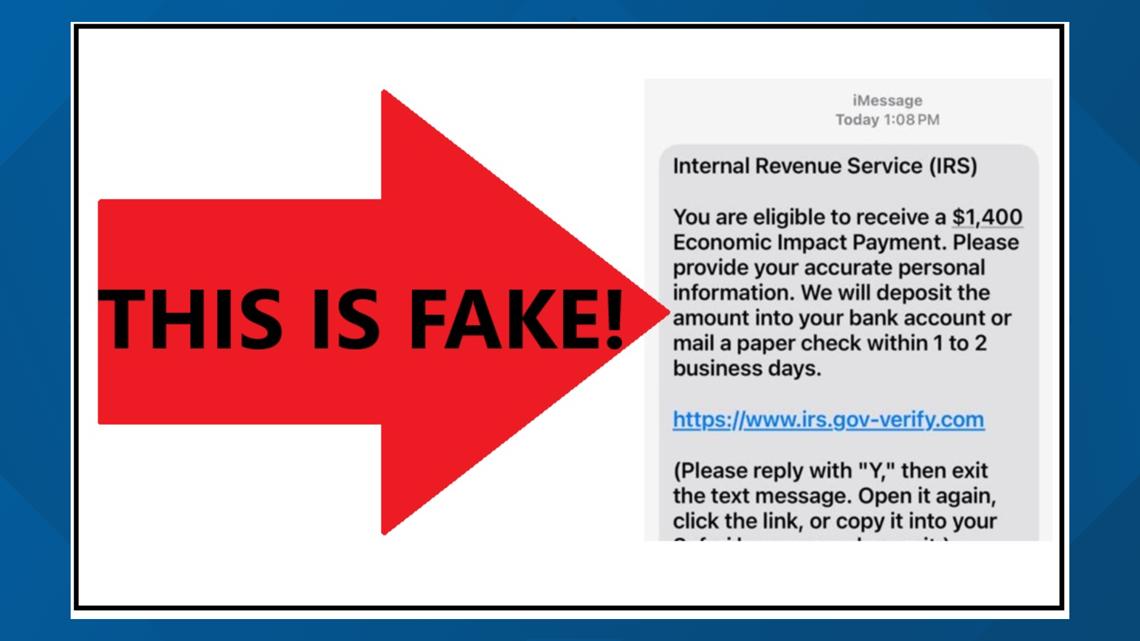
IRS.gov is a treasure trove of information. Beyond specific tools, it offers forms and publications, tax law guidance, news releases, and information on common tax scams. Learning to navigate this site effectively can prevent unnecessary direct contact for many routine financial inquiries.
Online Accounts and Digital Services
Utilizing your IRS Online Account is a powerful financial management tool. It allows you to check your balance, view payment history, access tax records (e.g., wage and income transcripts), and even authorize a tax professional to represent you. These digital services offer convenience and transparency, providing a consolidated view of your financial standing with the IRS.
Tax Software and E-filing Benefits
Most modern tax software programs and professional tax preparers offer e-filing. This method is generally faster and more accurate than paper filing, leading to quicker processing of returns and refunds. E-filing also often comes with confirmation of receipt, adding an extra layer of financial security and peace of mind.
In conclusion, successfully contacting the IRS is a critical skill for responsible financial stewardship. By understanding the various channels available, preparing thoroughly, and adopting effective communication strategies, individuals and businesses can confidently navigate their tax obligations and resolve financial issues with clarity and efficiency. The key is to be informed, proactive, and persistent in your pursuit of accurate tax compliance and resolution.
aViewFromTheCave is a participant in the Amazon Services LLC Associates Program, an affiliate advertising program designed to provide a means for sites to earn advertising fees by advertising and linking to Amazon.com. Amazon, the Amazon logo, AmazonSupply, and the AmazonSupply logo are trademarks of Amazon.com, Inc. or its affiliates. As an Amazon Associate we earn affiliate commissions from qualifying purchases.