
The culmination of the home buying journey, the house closing, is a pivotal moment that finalizes one of the most significant financial transactions of your life. It’s an intricate process involving numerous legal and financial documents, substantial sums of money, and multiple parties. Proper preparation is not merely recommended; it is essential to ensure a smooth, secure, and stress-free closing. For a transaction of this magnitude, understanding exactly what financial and identification items to bring is paramount to safeguarding your investment and fulfilling all contractual obligations. This guide focuses exclusively on the critical financial and identification aspects you must have in hand to navigate closing day successfully.
The Indispensable Financial Documentation
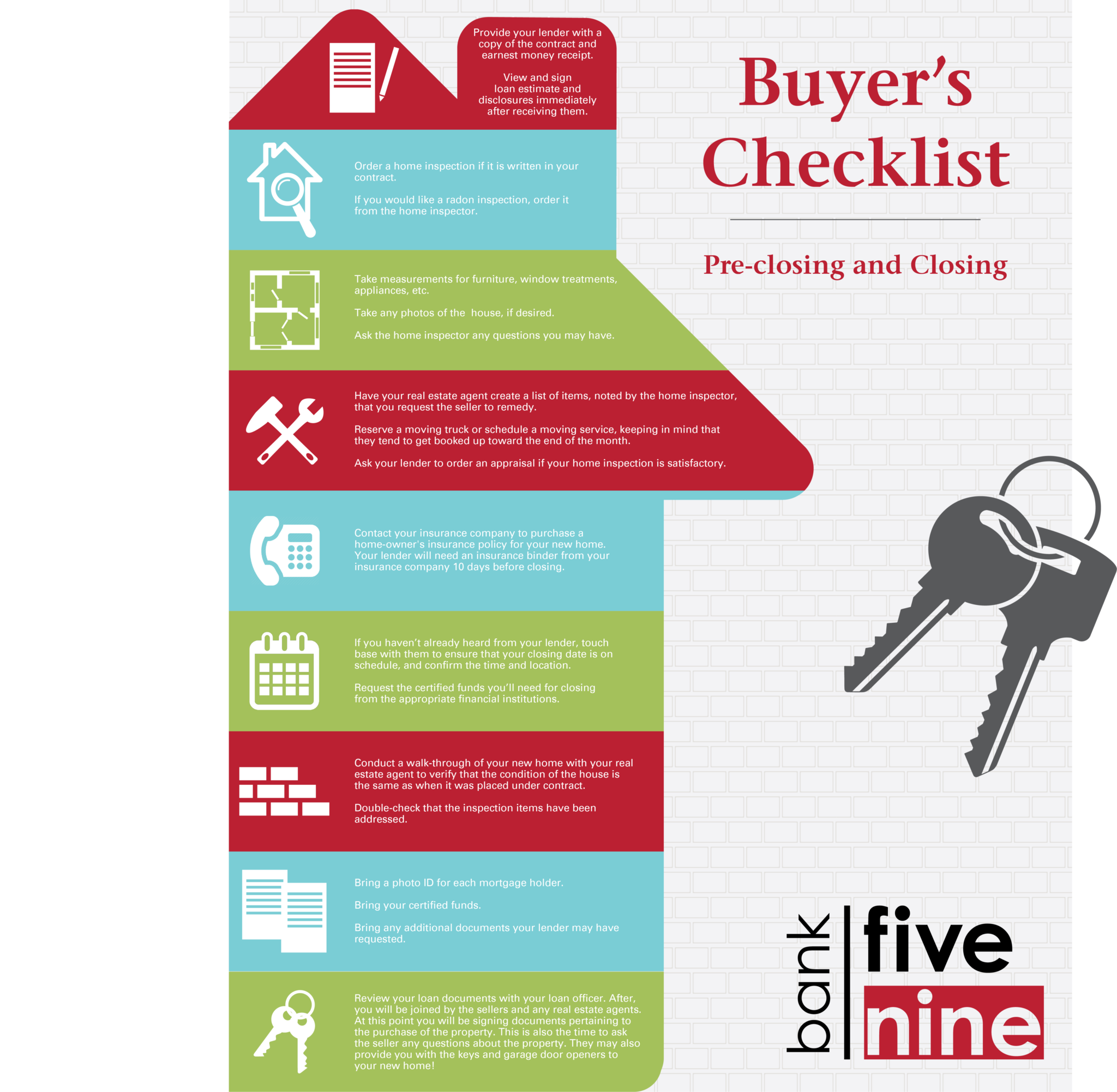
Closing day is a paperwork-heavy event, and a significant portion of that paperwork pertains directly to your finances. Having all necessary financial documentation meticulously organized and readily accessible can prevent delays and provide immediate clarity on any discrepancies.
Your Loan Estimate and Closing Disclosure
Among the most critical documents you will need are your Loan Estimate (LE) and the final Closing Disclosure (CD). The LE is provided by your lender within three business days of applying for a loan and outlines the estimated costs of your mortgage. The CD, on the other hand, is the definitive statement of all final loan terms and closing costs, which you should receive at least three business days before your closing date.
It is absolutely crucial to bring both of these documents to the closing table. Your primary task upon receiving the CD, and again at closing, is to compare it meticulously against your initial LE. Look for any significant changes in the loan terms, interest rate, points, fees (origination, appraisal, title, escrow, recording), and prepaid items (property taxes, homeowner’s insurance premiums). A discrepancy of more than a few hundred dollars or a change in your interest rate or loan type should raise a red flag and warrant immediate clarification from your lender or closing agent. Understanding every line item on the CD ensures you are not paying unexpected or unauthorized fees, thereby protecting your financial interests.
Proof of Funds and Insurance
Beyond the loan documents themselves, you will need to demonstrate proof of funds for your down payment and closing costs, as well as evidence of required insurance coverage.
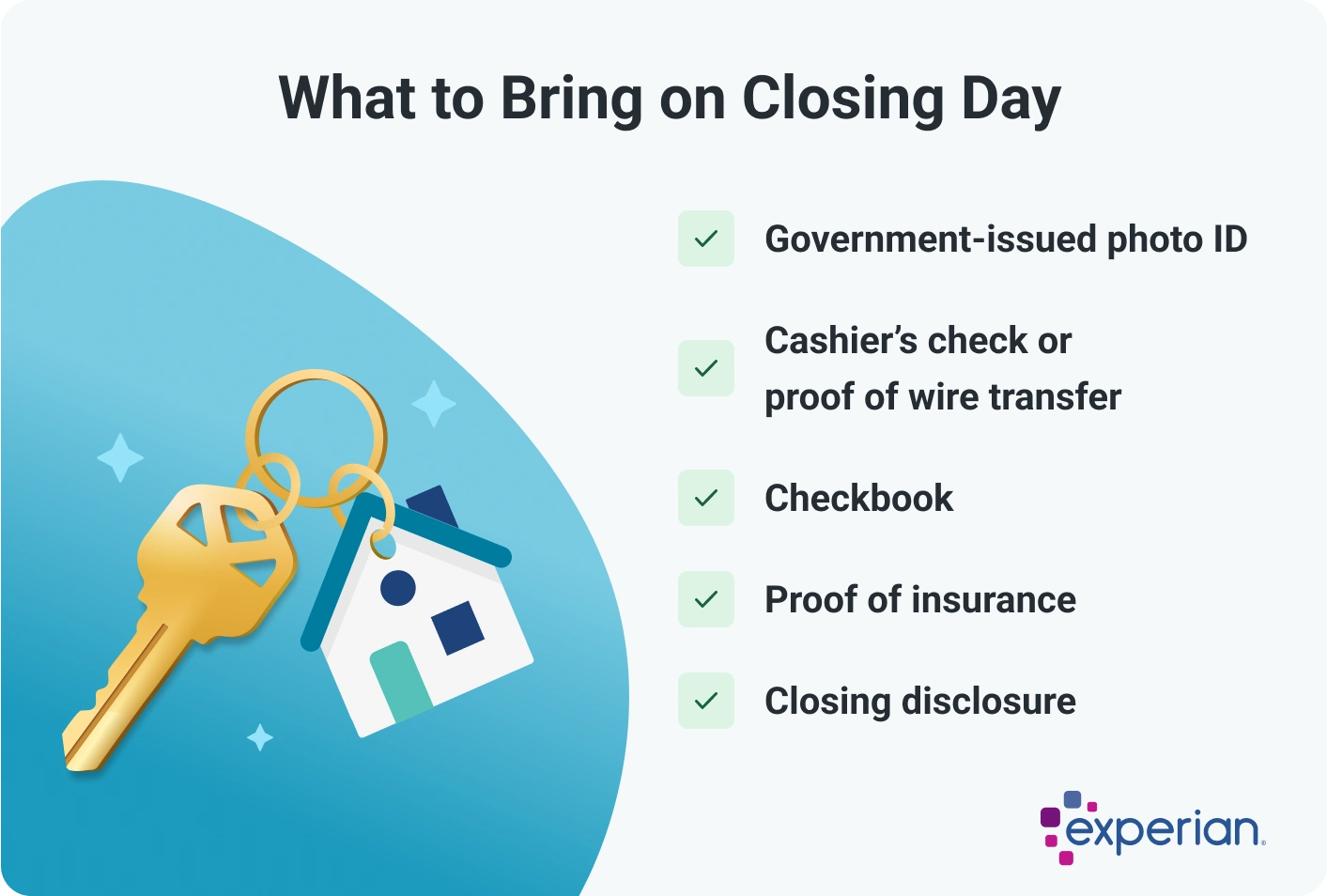
- Proof of Funds for Down Payment and Closing Costs: For the vast majority of transactions, the funds for your down payment and closing costs will be required via a cashier’s check or, more commonly, a wire transfer. While we will delve into the specifics of securing these funds later, it is wise to bring confirmation of the wire transfer (a wire confirmation receipt from your bank) or the cashier’s check itself. If a personal check is permitted for minor fees (which is rare for large sums), ensure you have your checkbook. This documentation verifies that the financial commitment is met, allowing the transaction to proceed.
- Proof of Homeowner’s Insurance: Lenders universally require that you have homeowner’s insurance in place from the closing date to protect their investment (and yours) against hazards. You must bring a copy of your homeowner’s insurance policy binder, which proves that coverage has been secured, and evidence of payment for at least the first year’s premium. This could be a paid receipt or a confirmation from your insurance agent. Without this, your lender will not finalize the loan, leading to a significant delay in closing.
Prior Financial Commitments and Receipts
Any prior financial commitments related to the property purchase should also be documented and brought to closing. This primarily includes the receipt for your earnest money deposit. This deposit, made early in the process, demonstrates your serious intent to purchase the home and is typically credited towards your down payment or closing costs. Having the receipt confirms the amount paid and ensures it is properly applied on the Closing Disclosure. Similarly, if you’ve paid for any specific inspections or appraisals out-of-pocket that are to be reimbursed or credited at closing, bring those receipts.
Securely Funding Your Transaction
The transfer of funds for your down payment and closing costs is arguably the most critical financial step on closing day. Handling this aspect correctly, and securely, is paramount.
Understanding Wire Transfers vs. Cashier’s Checks
The preferred method for transferring large sums of money for a home closing is typically a wire transfer. This method offers speed and directness, with funds often appearing in the recipient’s account within hours. However, it requires extreme caution due to the irreversible nature of wires.
Cashier’s checks (also known as certified checks) are another common method. These checks are drawn on the bank’s own funds, guaranteeing payment. While secure, they may not be suitable for last-minute payments if the bank requires time to issue them or if the amount is extremely large, necessitating multiple checks due to bank limitations. Always confirm with your closing agent or lender well in advance which method they prefer and their specific instructions.
Guarding Against Wire Fraud
Wire fraud is a pervasive and financially devastating threat in real estate transactions. Fraudsters often hack into email accounts of real estate agents, title companies, or attorneys, sending buyers falsified wiring instructions. If you wire funds to a fraudulent account, those funds are almost certainly unrecoverable.
To protect yourself:
- Verify all wiring instructions verbally: BEFORE initiating ANY wire transfer, call your closing agent or title company using a known phone number (not one from an email) to verbally confirm the wiring instructions. Do this even if you have received instructions via email.
- Be suspicious of last-minute changes: Fraudsters frequently send emails claiming “last-minute changes” to wiring instructions. Treat any such communication with extreme skepticism.
- Do not rely solely on email: Email is easily compromised. Always use a secondary, verified communication channel for financial instruction verification.
- Confirm receipt: After initiating a wire transfer, contact the recipient to confirm that the funds have been received.
Bringing a printout of the correct verified wiring instructions (if you are wiring funds on closing day or just before) or the cashier’s check itself is essential documentation for your records and for the closing agent.
Accounting for Smaller Closing Fees
While the bulk of your funds will cover the down payment and major closing costs, there might be smaller, incidental fees that arise, such as recording fees, notary fees, or minor adjustments that weren’t precisely accounted for. Some closing agents may accept a personal check for amounts under a certain threshold (e.g., $1,000 or $500), but this varies widely. It’s prudent to bring your checkbook as a backup for these smaller, unexpected expenses. Confirm with your closing agent in advance if personal checks will be accepted for any portion of the closing costs.
Identification and Legal Safeguards
While the focus is heavily on financial matters, your identity must also be unequivocally verified. Additionally, understanding the core legal documents is part of your financial due diligence.
Verifying Your Identity
Closing agents, title companies, and notaries are legally obligated to verify the identity of all parties signing documents. This is a critical safeguard against fraud and ensures that the correct individuals are legally committing to the transaction.
- Primary Photo Identification: Bring at least one form of valid, government-issued photo identification. A current driver’s license, state-issued ID card, or passport are generally acceptable. Ensure the ID is not expired and that the name on it matches the name on all legal documents.
- Secondary Identification (Optional but Recommended): While not always required, having a secondary form of identification, such as a social security card, birth certificate, or a utility bill with your current address, can be helpful in unusual circumstances or if there’s any ambiguity with your primary ID.
Critical Legal Agreements and Affidavits
While the closing agent and attorney will provide copies of all signed documents, it’s beneficial to have a basic understanding of the core legal instruments you will be signing and to be prepared to review them. These documents legally formalize your ownership and financial obligations.
- The Deed: This is the legal document that transfers ownership of the property from the seller to you. You will sign it, and it will be recorded with the county.
- The Promissory Note: This is your promise to repay the loan to the lender, outlining the terms of repayment, interest rate, and schedule. It’s your core financial obligation.
- The Mortgage or Deed of Trust: This document pledges your home as collateral for the loan. It gives the lender the right to foreclose on the property if you fail to meet the terms of the promissory note.
- Affidavits: Various affidavits may be required, attesting to certain facts, such as your legal name, marital status, or that no judgments or liens exist against you that would affect the property.
Having a general awareness of these documents allows you to review them at closing not just for accuracy, but also for a clear understanding of your long-term financial and legal responsibilities.
Essential Tools for Final Review and Contingency
Even with thorough preparation, the closing process can sometimes present last-minute questions or calculations. Being equipped with a few simple tools can make a significant difference.
The Power of a Calculator and Pen
A basic calculator can be invaluable for cross-referencing figures on the Closing Disclosure, verifying prorated taxes or HOA fees, and ensuring all mathematical computations are correct. While the closing agent will have their own calculations, performing your own checks offers an additional layer of financial scrutiny. Similarly, bring a good pen or two. While pens will be provided, having your own ensures comfort and readiness for the numerous signatures required.
A Prepared List of Questions
Before closing day, it is wise to compile a list of any lingering questions or concerns you might have regarding the financial aspects of your loan, closing costs, or property taxes. This might include questions about:
- The exact amount of your first mortgage payment and its due date.
- How your escrow account (for property taxes and insurance) will be managed.
- Clarification on any fee that still seems unclear on the CD.
- Details about any specific warranties or credits from the seller.
Having these questions written down ensures that you don’t forget to address any crucial financial details before the transaction is finalized.
Contact Information for Key Stakeholders
Keep a readily accessible list of contact information for all parties involved: your real estate agent, lender, title company representative, closing attorney, and insurance agent. Should any last-minute questions, verification needs, or issues arise concerning financial details or documentation, you’ll be able to quickly reach the appropriate person for clarification or resolution. This minimizes stress and potential delays, ensuring your financial transaction progresses without unnecessary hitches.
By meticulously preparing these financial documents, securing your funds, verifying your identity, and equipping yourself with the right tools and information, you can approach your house closing with confidence, ensuring a financially sound and legally robust conclusion to your home buying journey.
aViewFromTheCave is a participant in the Amazon Services LLC Associates Program, an affiliate advertising program designed to provide a means for sites to earn advertising fees by advertising and linking to Amazon.com. Amazon, the Amazon logo, AmazonSupply, and the AmazonSupply logo are trademarks of Amazon.com, Inc. or its affiliates. As an Amazon Associate we earn affiliate commissions from qualifying purchases.