
When raccoons take up residence in or around your property, they represent more than just a nuisance; they are a significant threat to your financial well-being and the integrity of your physical assets. From a personal finance and property management perspective, the cost of raccoon remediation and the subsequent repairs required to fix the damage they cause can be substantial. Understanding how to manage these animals is an essential aspect of home maintenance, which serves as one of the most significant investments for the average individual.
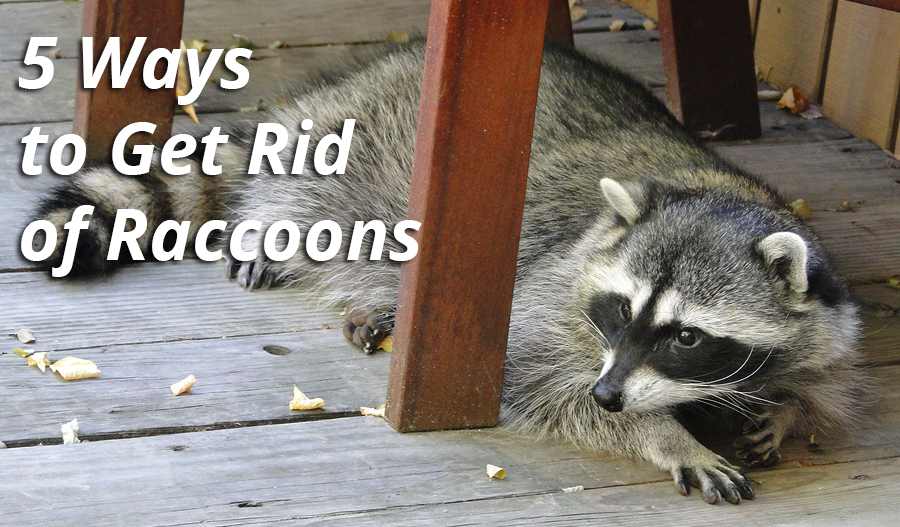
The Financial Impact of Wildlife Infestation
Neglecting a raccoon problem is a direct hit to your net worth. Homeownership is often the largest component of an individual’s financial portfolio, and maintaining that asset’s value is critical for long-term wealth preservation. When raccoons invade, they do not merely exist in the periphery; they actively degrade the capital value of your property.
Structural Depreciation and Repair Costs
Raccoons are destructive by nature. They possess dexterous paws that allow them to pull apart roof shingles, chew through soffits, and rip up insulation. The cost to repair structural damage caused by wildlife can range from hundreds to thousands of dollars depending on the extent of the entry point and the materials affected. Furthermore, if you are planning to list your home for sale, a history of animal infestation—or visible damage caused by pests—can lead to lower appraisal values and complicate inspection contingencies, effectively eroding your profit margins in a real estate transaction.
Liability and Insurance Implications
Beyond direct repairs, there is the risk of liability. If a raccoon nests in your attic and damages electrical wiring, the risk of a fire increases exponentially. While home insurance policies cover many forms of sudden damage, they often contain clauses regarding “negligent maintenance.” If an insurance provider determines that you ignored signs of an infestation for an extended period, leading to secondary damage like mold from urine or fire from chewed wires, they may deny your claim. Maintaining your home against wildlife is, essentially, a form of risk management for your financial portfolio.
Strategic Asset Protection: Prevention as an Investment
The most cost-effective way to deal with raccoons is to prevent them from arriving in the first place. Think of preventative measures as an investment in your home’s security, similar to installing a high-quality alarm system or upgrading your locks. The return on investment (ROI) is found in the avoidance of expensive remediation fees.
Securing the Perimeter
Raccoons are opportunistic scavengers. Your goal is to decrease the “utility” your property offers them. If your home is difficult to access, they will move on to a less fortified location.
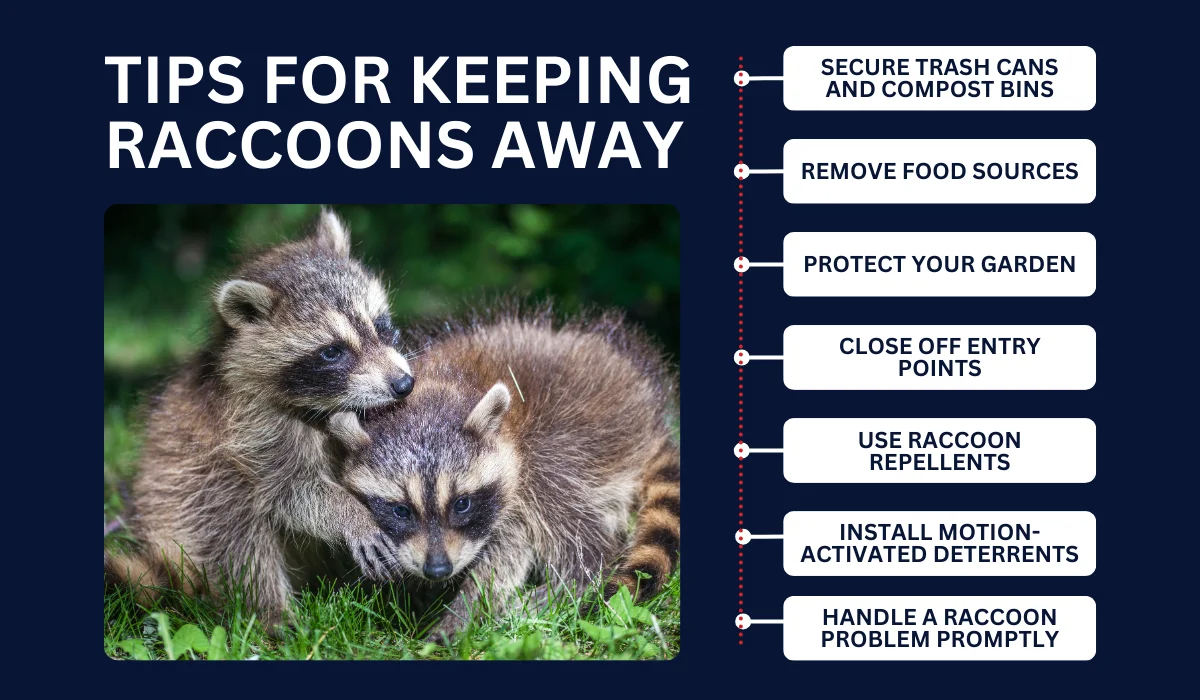
- Roof and Soffit Integrity: Conduct a seasonal audit of your roof line. Seal gaps with heavy-duty metal mesh rather than wooden patches, which raccoons can easily tear through.
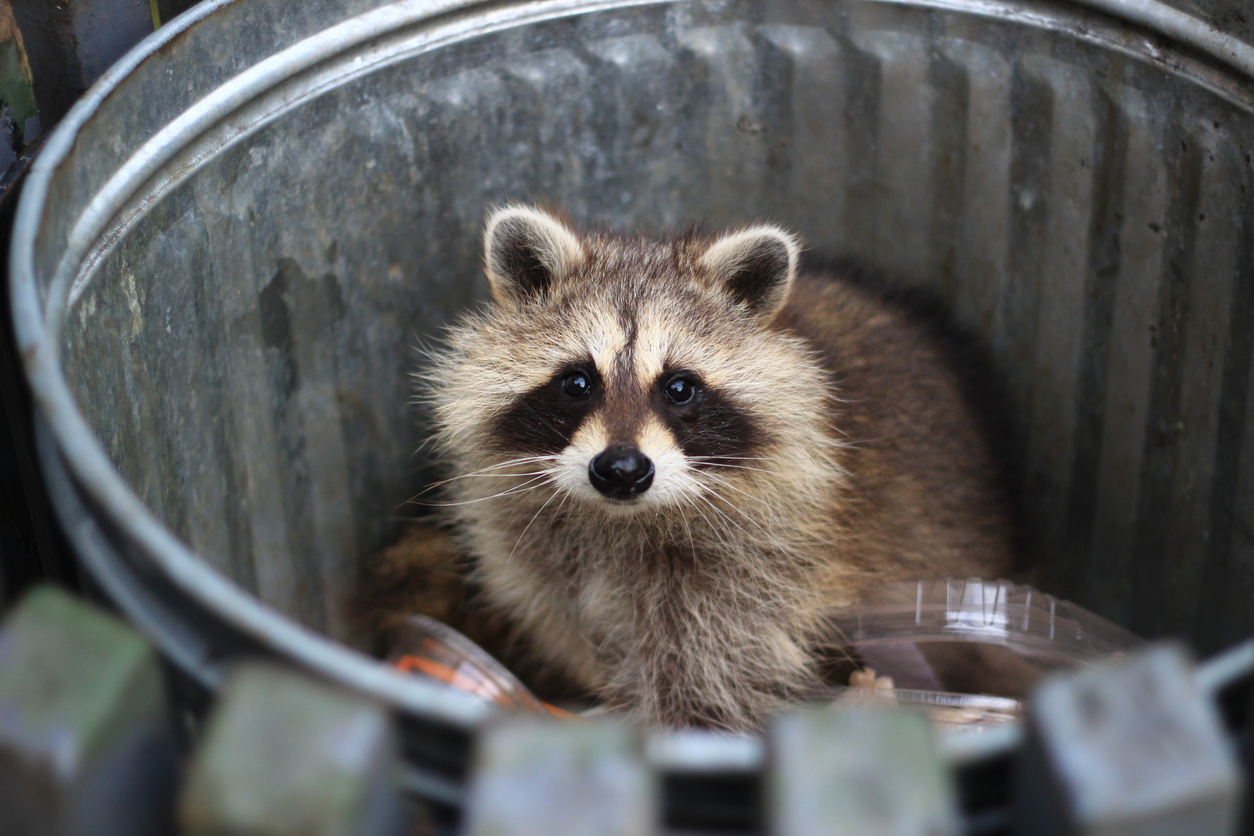
- Waste Management Optimization: The most common attractor is improperly secured trash. Investing in heavy-duty, latching trash cans is a small capital expenditure that pays dividends by eliminating the primary food source that draws raccoons to your property.
- Vegetation Management: Overhanging tree branches act as highways for raccoons to reach your roof. Trimming branches at least six to eight feet away from your home creates a physical buffer zone that significantly reduces the success rate of animal intruders.
Eliminating Attractants
Financial efficiency relies on eliminating waste, and the same principle applies to your yard. Pet food left outside, bird feeders, and fallen fruit from trees are all “passive income” for raccoons. By removing these resources, you are essentially closing the “revenue stream” that supports the local raccoon population. If they cannot find a reliable food source, your property will not be a viable territory for them to claim.
Professional Remediation vs. DIY Tactics
When the animals have already gained entry, you face a decision that requires a careful cost-benefit analysis. Many homeowners attempt to save money by using DIY methods, but this can often lead to greater financial losses.
The Hidden Cost of DIY Failures
Attempting to trap or exclude raccoons without professional knowledge can lead to disastrous outcomes. If you seal an entry point while a mother and her kits (babies) are still inside, the animals will become desperate. They will tear through drywall, chew through secondary barriers, and cause thousands of dollars in damage while trying to escape. Furthermore, if the mother dies inside a wall, the cost of professional remediation to remove the carcass and sanitize the area to prevent odors and health risks is significantly higher than a standard exclusion service.
Evaluating Professional Services
When hiring a wildlife removal service, view it through the lens of a business expense. Look for companies that provide:
- Integrated Pest Management (IPM) Plans: They should not just trap; they should provide a comprehensive plan to seal the home and prevent re-entry.
- Sanitation and Disinfection: Wildlife waste is a biohazard. Professional remediation includes cleaning, which is essential to protect the air quality in your home and prevent long-term damage to floor joists and ceiling beams.
- Guarantees: A professional service that guarantees their work provides a hedge against future costs. If they do the job correctly the first time, you save on the “re-work” costs associated with amateur pest control.
Maintaining Property Value and Future Profitability
Ultimately, the goal of managing raccoons is to protect the long-term appreciation of your real estate investment. A home is a complex financial instrument, and like any business, it requires consistent operational oversight.
The Role of Routine Inspections
Incorporate “wildlife inspections” into your annual home maintenance budget. Allocate a specific amount of time or money each year to check your roof, vents, and foundation for signs of wear. Proactive maintenance is always cheaper than reactive repairs. By spending a modest amount annually to inspect your property, you prevent the catastrophic repair bills associated with neglected damage.
Documentation for Tax and Resale Purposes
If you have to pay for professional removal and repair, keep detailed records of the services performed. These invoices serve as proof of proper maintenance for prospective buyers. When a buyer asks about the integrity of your roof or insulation, having professional documentation showing that the home was inspected and properly sealed adds a layer of transparency and trust to your transaction. It transforms a potential “problem area” into a well-managed asset.
Financial Conclusion: The Value of Peace of Mind
Addressing a raccoon problem is a balancing act of cost, risk, and asset preservation. You are not just dealing with an animal; you are protecting the structural integrity of your home—the cornerstone of your personal financial plan.
By implementing robust physical barriers, removing food sources that act as attractants, and investing in professional services when necessary, you are actively managing the risks associated with property ownership. Do not look at raccoon prevention as a chore, but as a standard business operation for the owner of a major financial asset. When you remove the raccoons and secure your home, you are safeguarding your capital, minimizing future repair liabilities, and ensuring that your investment remains a profitable, secure, and comfortable space for years to come.
aViewFromTheCave is a participant in the Amazon Services LLC Associates Program, an affiliate advertising program designed to provide a means for sites to earn advertising fees by advertising and linking to Amazon.com. Amazon, the Amazon logo, AmazonSupply, and the AmazonSupply logo are trademarks of Amazon.com, Inc. or its affiliates. As an Amazon Associate we earn affiliate commissions from qualifying purchases.