
Purchasing a home is arguably the most significant financial decision many individuals and families will ever make. It’s an investment that extends far beyond the initial down payment and mortgage, encompassing ongoing maintenance, potential repairs, and the long-term appreciation or depreciation of a valuable asset. In this complex financial landscape, a professional home inspection stands as a critical line of defense, providing an invaluable layer of due diligence that can save you thousands—or even tens of thousands—of dollars. Knowing what to ask your home inspector isn’t just about understanding the condition of a property; it’s about proactively managing financial risk, uncovering hidden liabilities, and empowering your negotiation strategy.
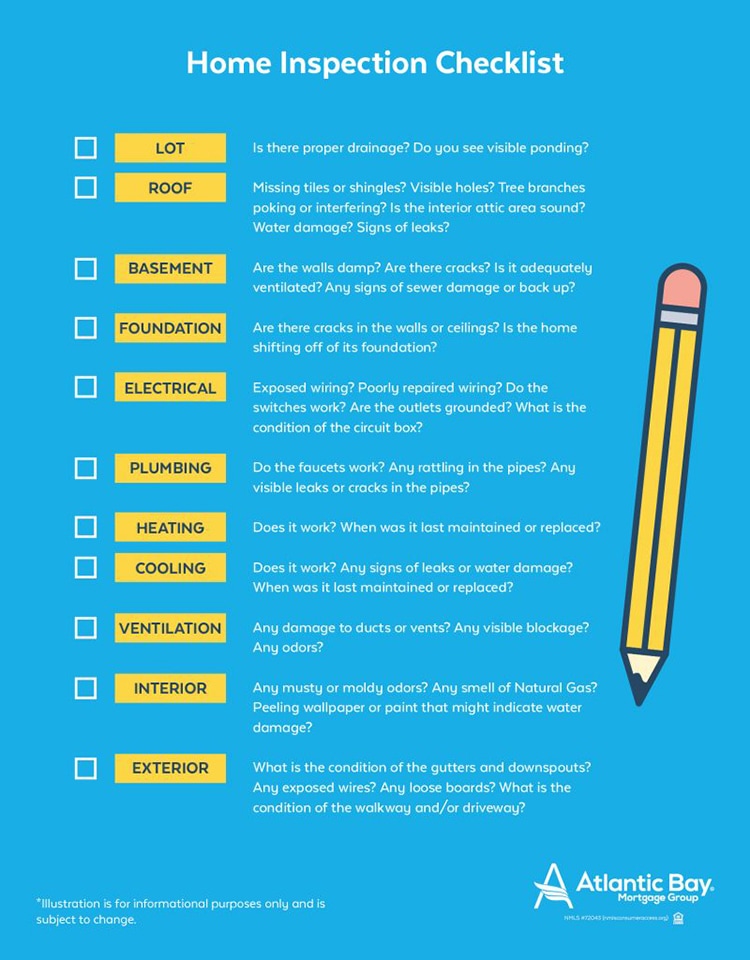
Safeguarding Your Investment: The Financial Pillars of a Home Inspection
The core purpose of a home inspection is to provide a comprehensive, unbiased assessment of a property’s condition. For the prospective homeowner, this translates directly into a financial risk assessment. Identifying major defects or impending failures in critical systems before closing allows you to make an informed financial decision, whether that means negotiating repairs, adjusting your offer, or walking away from a potentially costly investment.
Assessing Major System Integrity and Lifespan
The “big ticket” items in any home are its major systems: HVAC, plumbing, electrical, and roofing. The cost of repairing or replacing these systems can run into the thousands, even tens of thousands, of dollars. Understanding their current condition and estimated remaining lifespan is crucial for future financial planning.
- HVAC System: What is the age of the furnace and air conditioning units? Are they operating efficiently? Are there any signs of imminent failure or significant repair needs? A system nearing the end of its life means budgeting for a major replacement in the near future, potentially costing $5,000-$15,000 or more.
- Plumbing System: Are there any active leaks or signs of past water damage? What is the condition and age of the water heater? Is the water pressure adequate, and are the drain lines clear? Hidden leaks can lead to costly mold remediation and structural damage, while an aging water heater signals a future replacement expense of $800-$3,000.
- Electrical System: Is the electrical panel adequate for modern usage? Are there any outdated components (e.g., knob and tube wiring, aluminum wiring, ungrounded outlets) that pose safety hazards or require expensive upgrades to meet current codes? Electrical issues can range from minor fixes to complete panel replacements, costing $1,500-$5,000 or more, often for safety and insurance reasons.
- Roofing: What is the age and general condition of the roof covering? Are there any signs of leaks, missing shingles, or structural damage to the trusses or decking? A roof replacement is one of the most expensive home repairs, typically ranging from $10,000 to $30,000+, making its assessment a primary financial concern.
Unmasking Structural Concerns
The structural integrity of a home is paramount. Issues with the foundation, framing, or load-bearing elements can lead to catastrophic repair costs and significantly devalue the property. These are the types of defects that can render a home uninsurable or unsellable without extensive, often six-figure, repairs.
- Foundation: Are there any visible cracks in the foundation walls, sloping floors, or signs of settling? What is the expert opinion on the severity of any observed issues? Differentiating between minor settling and serious structural compromise is critical to avoiding monumental repair bills.
- Framing and Joists: Are there any signs of rot, insect damage, or modifications that could compromise the home’s structural stability? Compromised framing can lead to extensive and expensive repairs to ensure the home remains safe and sound.
Evaluating Exterior Envelope and Drainage
The exterior of a home – its siding, windows, doors, and drainage systems – acts as its primary shield against the elements. Failures in this envelope can lead to insidious water damage, mold growth, and significantly higher utility bills.
- Siding and Exterior Cladding: Is the siding in good condition, or are there signs of damage, rot, or improper installation that could lead to water intrusion? Replacing or repairing siding can be a substantial expense, from a few thousand dollars for patches to $15,000-$40,000 for full replacement.
- Windows and Doors: What is the condition of the windows and doors? Are they sealed properly? Are there signs of drafts or moisture between panes? Old, inefficient windows lead to higher heating and cooling costs, while replacement can cost $500-$1,500 per window.
- Grading and Drainage: Is the land around the house properly graded to direct water away from the foundation? Are gutters and downspouts functional and clear? Poor drainage is a leading cause of basement water intrusion and foundation damage, incurring significant remediation costs.
Beyond the Price Tag: Unearthing Hidden Costs and Future Liabilities
A home’s true cost isn’t just its purchase price; it includes all the expenses required to maintain, repair, and operate it effectively. A thorough inspection helps illuminate these often-overlooked financial burdens.
Quantifying Immediate Repair Needs and Deferred Maintenance
Beyond major system failures, inspectors often identify a host of smaller, yet cumulatively expensive, issues. These can range from leaky faucets and faulty GFCI outlets to unsealed windows and deteriorated flashing.
- Specific Repair Estimates: Can you provide a rough estimate for the immediate repairs needed, or indicate which issues are urgent versus cosmetic? This helps in budgeting for post-purchase expenses and strengthens your negotiation stance.
- Deferred Maintenance: Are there any areas where maintenance has been clearly neglected? This can be a red flag for a homeowner who might have skimped on other areas, indicating potential hidden problems down the line. Each deferred item represents a future expense.
Estimating Energy Efficiency and Utility Expenditure
The ongoing cost of utilities can significantly impact your monthly budget. An inspector can point out aspects of the home that contribute to higher energy consumption.
- Insulation Levels: What is the condition and adequacy of the insulation in the attic, walls, and crawl space? Inadequate insulation directly translates to higher heating and cooling bills. Upgrading insulation can cost several hundred to several thousand dollars but offers long-term savings.
- Window and Door Efficiency: Are the windows and doors energy-efficient, or do they leak air? Drafty windows and doors are major culprits in energy loss.
- Appliance Efficiency: While often outside the scope of a standard inspection, an inspector might comment on the age and potential efficiency of built-in appliances like ovens or dishwashers, which can impact utility usage.
Identifying Environmental Hazards and Remediation Expenses
Certain environmental hazards can pose significant health risks and require expensive remediation. Identifying these early is crucial for financial and personal well-being.
- Radon Testing: Was radon testing conducted, and what were the results? Radon mitigation can cost $800-$2,500, but the health risks associated with high levels are substantial.
- Mold Growth: Are there any signs of mold growth, especially in damp areas like basements, bathrooms, or attics? Mold remediation can range from a few hundred dollars for minor cases to tens of thousands for extensive infestations.
- Asbestos/Lead Paint: While inspectors may not test for these unless specified, they can often identify materials that might contain them (e.g., popcorn ceilings, specific insulation types, older paint). Remediation or encapsulation for these can be very costly and regulated.
- Pest Infestation: Are there any signs of active pest infestation, particularly termites or carpenter ants, which can cause significant structural damage? Termite treatment and repair can cost thousands.
Empowering Your Negotiation and Financial Planning
The home inspection report is more than just a list of deficiencies; it’s a powerful financial tool that can dramatically influence the terms of your purchase agreement and inform your future financial decisions.
Crafting a Strategic Negotiation Approach
The findings in the inspection report provide concrete evidence to support requests for repairs, credits, or a reduction in the purchase price.
- Major Defects vs. Minor Repairs: Can you help distinguish between major defects that warrant a significant concession from the seller and minor issues that are typical for a home of this age? This distinction is vital for a focused and effective negotiation.
- Seller Concessions: Based on the identified issues, what would be a reasonable request for seller concessions (e.g., repairs completed by the seller, a credit at closing, or a price reduction)? Understanding the market value of repairs allows you to negotiate with confidence.
- Walk-Away Criteria: If the inspection reveals unmanageable risks or costs, the report provides legitimate grounds to withdraw your offer and protect your earnest money, avoiding a financially disastrous commitment.
Allocating Funds for Post-Purchase Renovations and Repairs
Even in a perfect scenario, most homes require some level of immediate or near-future investment. The inspection report helps you budget effectively.
- Prioritizing Expenses: Which repairs are safety-critical and need immediate attention, and which can be deferred? This prioritization allows you to allocate your initial post-purchase funds wisely.
- Future Capital Expenditures: Based on the age and condition of major systems, what are the likely significant capital expenditures within the next 1-5 years (e.g., roof replacement, HVAC upgrade)? This enables you to start saving or plan for these costs.
Impact on Insurance Premiums and Loan Approvals
Certain inspection findings can directly affect your ability to secure insurance or even a mortgage, impacting your overall financial viability to purchase.
- Insurability Concerns: Are there any conditions that an insurance company might deem high-risk or require immediate remediation before issuing a policy (e.g., active leaks, outdated electrical panels, significant structural issues)? Without insurance, most lenders will not finance a home.
- Lender Requirements: Will any of the identified issues be flagged by the lender, potentially requiring repairs before loan approval? This is especially common for FHA or VA loans, which have stricter property condition requirements.
Critical Questions for Every Key Area: A Financial Due Diligence Checklist
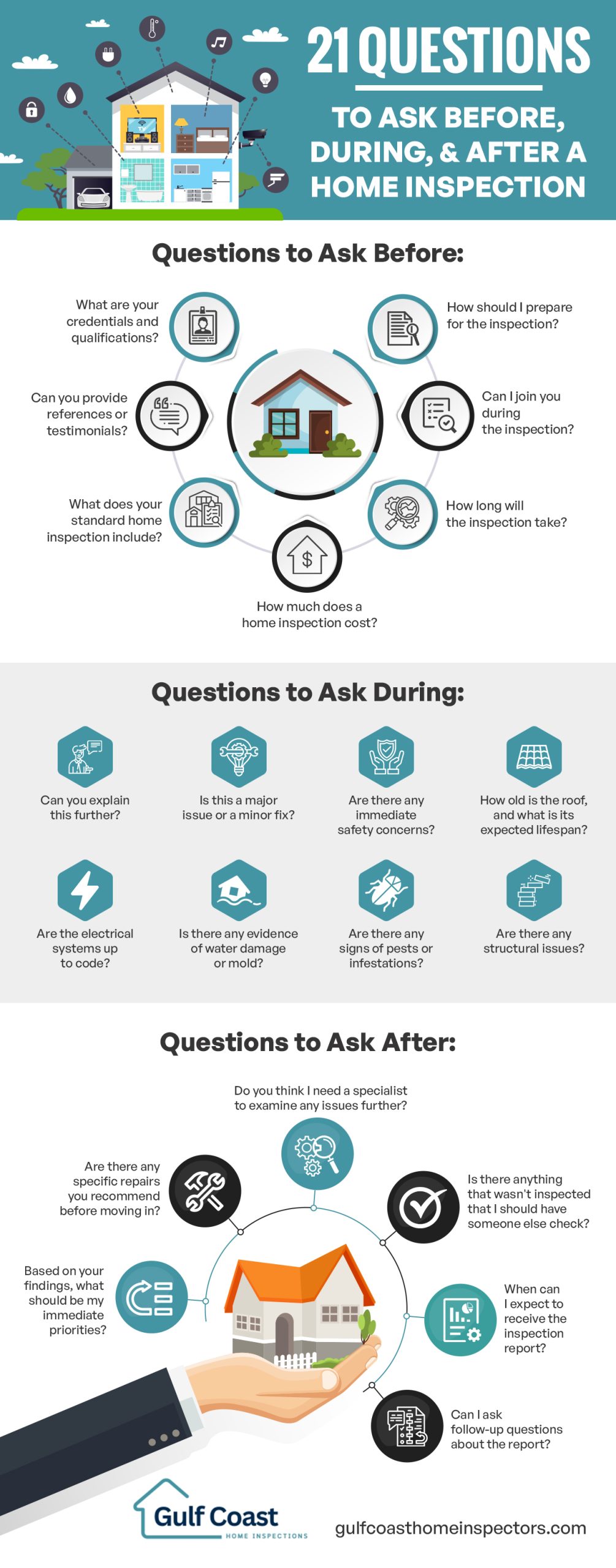
While the inspector will follow a standard procedure, asking pointed questions ensures you get the specific financial insights you need.
Roof and Attic Insights
- “What’s the estimated remaining lifespan of the roof, and what are the signs that it’s nearing replacement?”
- “Are there any active leaks or water stains in the attic, or evidence of past repairs that might indicate ongoing issues?”
- “Is the attic ventilation adequate, and could poor ventilation lead to premature roof failure or higher energy costs?”
HVAC and Water Heater Longevity
- “Are the furnace and AC units properly sized for the home, and are there signs of inefficient operation?”
- “What are the typical costs associated with common repairs for systems of this age and type?”
- “Is the water heater sufficient for the home’s needs, and what are the indicators of its approaching end-of-life?”
Electrical System Safety and Capacity
- “Is the electrical service panel adequate for the home’s size and modern appliance loads, or will an upgrade be needed soon?”
- “Are there any ungrounded outlets, reversed polarity, or exposed wiring that pose safety and potential insurance liabilities?”
- “Have there been any DIY electrical modifications that could be dangerous or costly to correct?”
Plumbing System Health
- “What type of plumbing pipes are in the home (e.g., copper, PEX, galvanized)? Are there any materials prone to failure or requiring eventual replacement?”
- “Are there any visible signs of leaks around fixtures, under sinks, or in accessible areas of the basement/crawl space?”
- “Is the sewer line visibly clear, or do you recommend further investigation if there are signs of slow drains or blockages?” (A main sewer line repair can be thousands.)
Foundation and Basement Stability
- “Are the observed foundation cracks cosmetic, or do they indicate structural movement that will require significant financial investment?”
- “Is there any evidence of water penetration in the basement or crawl space, and what are the likely causes and remediation costs?”
- “Are the visible supports and beams structurally sound, or are there signs of rot, insect damage, or settling that could lead to extensive repairs?”
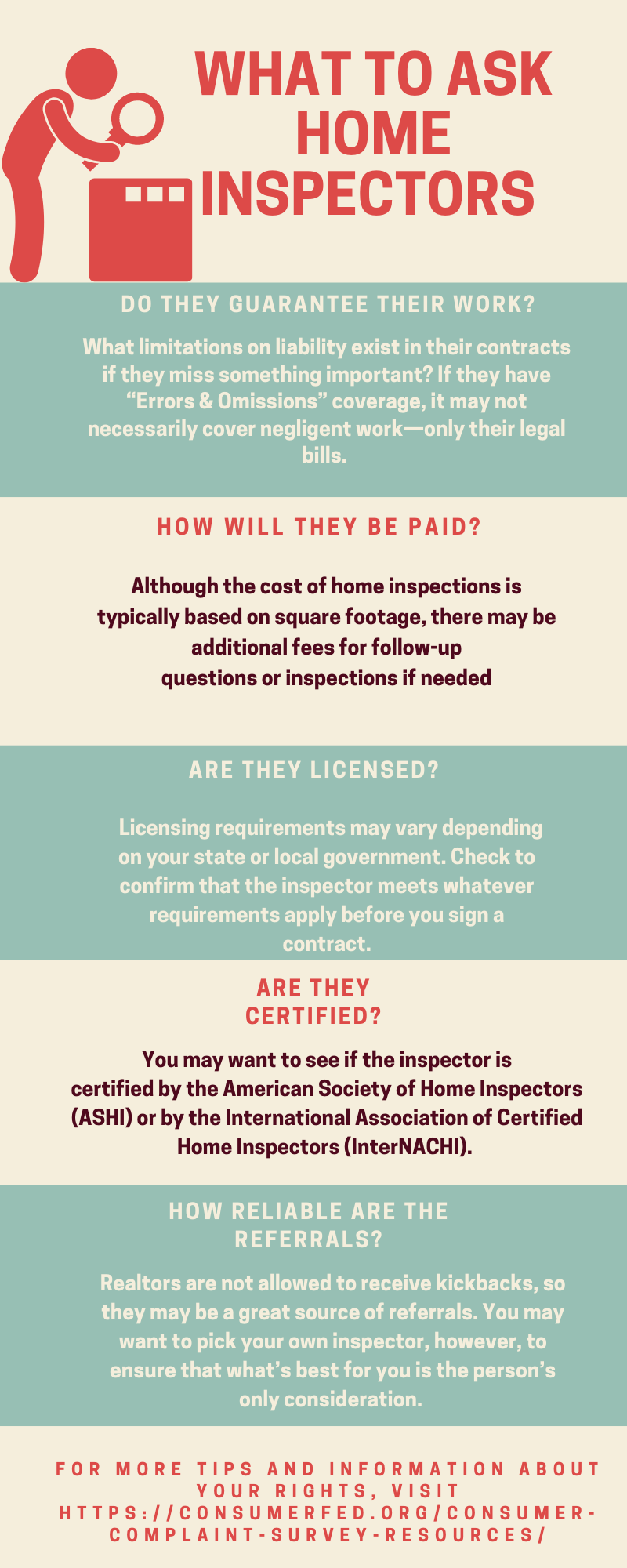
By engaging your home inspector with these financially focused questions, you transform their report from a mere checklist into an actionable financial blueprint. This proactive approach not only protects your investment but also empowers you to negotiate effectively, budget wisely, and ultimately make a confident, financially sound decision on one of life’s largest purchases.
aViewFromTheCave is a participant in the Amazon Services LLC Associates Program, an affiliate advertising program designed to provide a means for sites to earn advertising fees by advertising and linking to Amazon.com. Amazon, the Amazon logo, AmazonSupply, and the AmazonSupply logo are trademarks of Amazon.com, Inc. or its affiliates. As an Amazon Associate we earn affiliate commissions from qualifying purchases.