
For the modern investor, timing is often as critical as the asset itself. The question of when the stock market opens might seem straightforward, but in the context of a globalized financial ecosystem, the answer is multi-layered. Whether you are a retail investor managing a personal portfolio or a day trader looking for high-volatility windows, understanding the rhythmic opening and closing of the world’s major exchanges is fundamental to successful capital management.
The stock market does not simply “turn on” at a single moment. Instead, it functions through a series of phases, including pre-market sessions, regular trading hours, and after-hours trading. Furthermore, because we live in a global economy, the closing of one market often serves as the catalyst for the opening of another, creating a 24-hour cycle of price discovery and capital flow.
Understanding Standard Trading Hours for Major Exchanges
The backbone of the financial world is the regular trading session. This is the period when liquidity is at its highest, bid-ask spreads are generally the narrowest, and the vast majority of retail and institutional volume is executed.
The New York Stock Exchange (NYSE) and NASDAQ
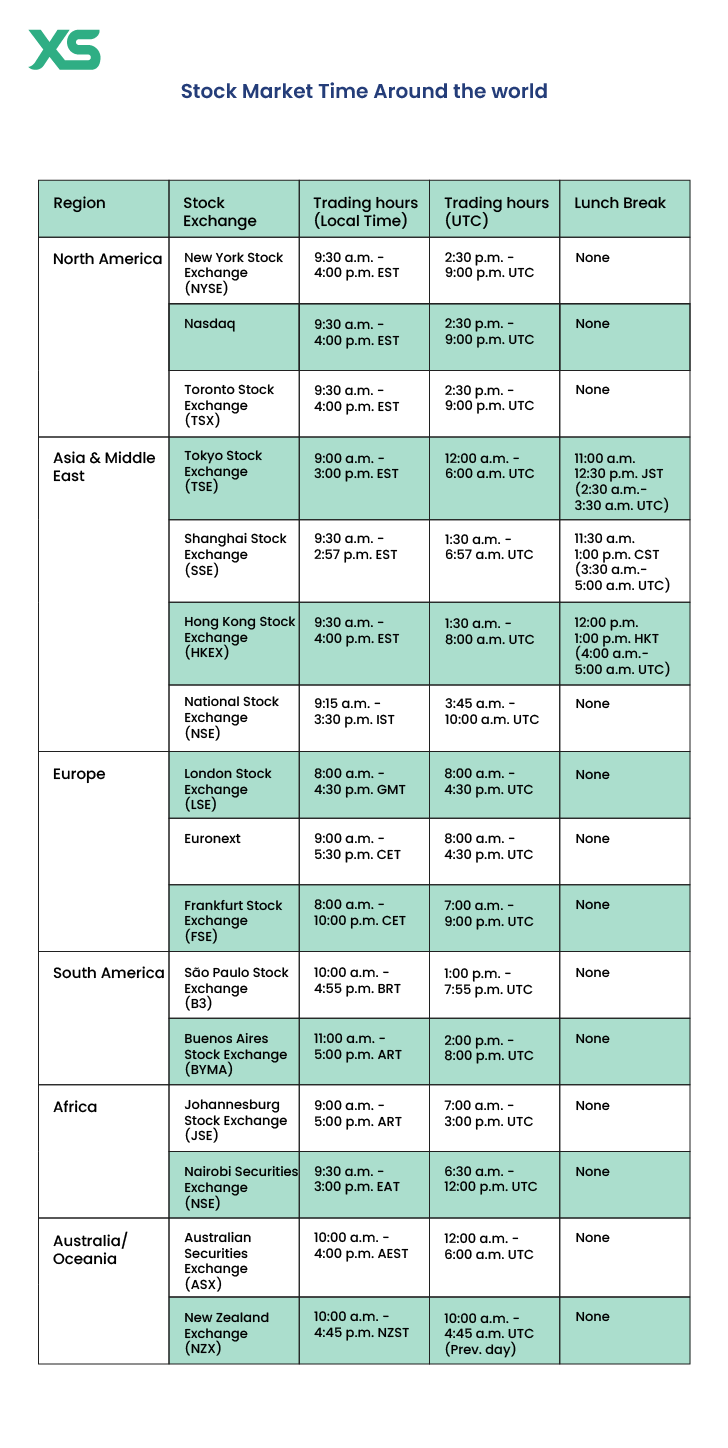
In the United States, the two primary exchanges—the NYSE and the NASDAQ—operate on a synchronized schedule. Regular trading hours begin at 9:30 AM Eastern Time (ET) and conclude at 4:00 PM ET. This window has remained the standard for decades, designed originally to accommodate the physical presence of floor traders and later maintained to provide a concentrated period of liquidity.
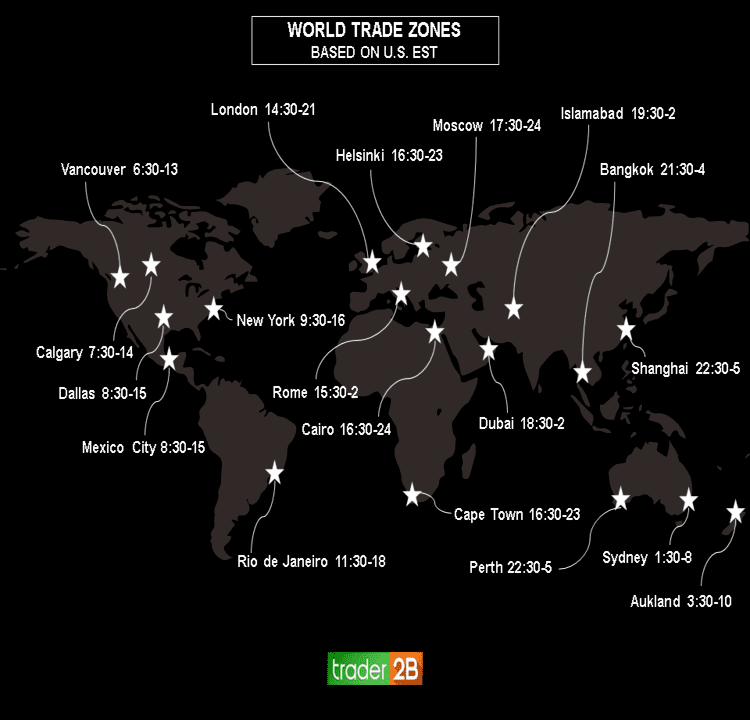
For investors on the West Coast or in different international time zones, these hours require careful planning. A trader in California must be ready for the opening bell at 6:30 AM PT, while an investor in London will see the U.S. markets open mid-afternoon. These hours are Monday through Friday, excluding federal holidays.
International Markets: London, Tokyo, and Beyond
The sun never truly sets on the global financial markets. As the U.S. markets wind down, Asian markets are preparing to open.
- London Stock Exchange (LSE): Generally opens at 8:00 AM and closes at 4:30 PM local time (GMT/BST).
- Tokyo Stock Exchange (TSE): Operates from 9:00 AM to 3:00 PM local time, notably including a lunch break from 11:30 AM to 12:30 PM—a practice rare among Western exchanges.
- Hong Kong Stock Exchange (HKEX): Opens at 9:30 AM and closes at 4:00 PM local time, also featuring a midday break.
Understanding these international windows is vital for “macro” investors. For instance, economic data released during the Tokyo session can influence the opening prices of European markets, which in turn sets the stage for the U.S. opening.
Why Trading Hours Matter for the Individual Investor
Regular trading hours represent the “safest” time for the average investor to execute trades. During these hours, market makers are most active, ensuring that when you want to buy or sell a stock, there is almost certainly a counterparty available at a fair market price. Outside of these hours, the volume drops significantly, which can lead to “slippage”—where the price you receive is significantly different from the last quoted price.
The Phases of a Trading Day: Pre-Market and After-Hours Trading
While the official opening bell rings at 9:30 AM ET in the U.S., the “market” is actually active much earlier. Electronic Communication Networks (ECNs) allow for trading to occur outside of the standard windows, divided into pre-market and after-hours sessions.
Pre-Market Dynamics: Reacting to Overnight News
The U.S. pre-market session typically begins as early as 4:00 AM ET, though the majority of activity picks up around 8:00 AM ET. This session is driven largely by overnight news, such as geopolitical events, international economic data, or early-morning corporate earnings releases.
Individual investors should approach pre-market trading with caution. Because the volume is thin, a single large order can move a stock’s price disproportionately. However, for those tracking a specific company, the pre-market session offers the first glimpse into how the market will react to news before the official opening.
The Closing Bell and After-Hours Opportunities
After the 4:00 PM ET closing bell, the “after-hours” session begins, typically running until 8:00 PM ET. This is perhaps the most volatile time for individual stocks, particularly during earnings season. Most major public companies release their quarterly reports shortly after 4:00 PM to ensure that the information is disseminated when the main market is closed, preventing instantaneous, knee-jerk reactions during high-volume hours.
Risks and Rewards of Extended Hours Trading
The primary risk of trading when the market isn’t “officially” open is the lack of liquidity. Wide bid-ask spreads mean you might pay more to buy a stock or receive less when selling it than you would during the day. Furthermore, many brokerage firms require the use of “limit orders” during these sessions to protect investors from extreme price fluctuations. The reward, however, is the ability to act on information immediately rather than waiting for the next day’s open, when the price may have already fully adjusted.
Market Holidays and Early Closures: Planning Your Financial Calendar
The stock market does not operate every day of the work week. To manage a portfolio effectively, one must be aware of the “market calendar,” which includes federal holidays and scheduled early closures.
Federal Holidays and Stock Market Observances
In the United States, the NYSE and NASDAQ observe several major holidays during which the markets are closed entirely. These typically include:
- New Year’s Day
- Martin Luther King, Jr. Day
- Presidents’ Day
- Good Friday
- Memorial Day
- Juneteenth National Independence Day
- Independence Day (July 4th)
- Labor Day
- Thanksgiving Day
- Christmas Day
When a holiday falls on a Saturday, the market usually closes on the preceding Friday. If it falls on a Sunday, the market closes on the following Monday. Being aware of these dates is crucial for investors who use margin or have options contracts expiring, as these non-trading days can affect interest calculations and expiration cycles.
The Impact of Half-Days on Liquidity and Volatility
There are also specific days, such as the Friday following Thanksgiving (Black Friday) and sometimes Christmas Eve, when the market closes early—typically at 1:00 PM ET. These “half-days” are often characterized by very low trading volume. Many institutional traders take the day off, leaving the market to retail investors and algorithmic bots. While volatility is usually low on these days, the lack of volume can lead to sudden, sharp price movements if unexpected news breaks.
Optimizing Your Investment Strategy Around Market Opening Times
Successful investing isn’t just about what you buy; it’s about when you execute. The “opening” of the market provides unique opportunities and challenges that can be leveraged with the right strategy.
The “Opening Cross”: Why the First 30 Minutes are Critical
The first 30 to 60 minutes of the trading day (9:30 AM to 10:30 AM ET) are often referred to as “amateur hour” by professionals, though not because only amateurs trade then. Rather, it is the time when the market processes all the pent-up orders from the night before. This leads to high volatility and significant price discovery.
For long-term investors, it is often wise to avoid trading during the first 30 minutes. Prices can swing wildly before finding a stable trend. However, for active traders, this volatility is the lifeblood of their strategy, offering the price movement necessary to capture quick gains.
Time Zone Arbitrage and Global Macro Strategies
For those involved in international business finance, the overlap of market hours is essential. For example, between 8:00 AM and 11:30 AM ET, both the U.S. and European markets are open. This period typically sees the highest global trading volume of the day. Economic shifts in the Eurozone during this window can immediately impact U.S. Treasury yields and equity futures, providing a “live” feedback loop for global macro investors.
Tools to Track Market Timing and Execution
In the digital age, investors have access to tools that make tracking market hours seamless. Most modern brokerage apps provide “market status” indicators, and specialized calendars can be synced with personal devices to alert you to upcoming holidays or early closures. Utilizing “Good ‘Til Canceled” (GTC) orders can also help manage trades across different time zones, ensuring that your buy or sell instructions are executed as soon as the market opens, regardless of your local time.
The Future of 24/7 Trading: Is the Stock Market Moving Toward Always-On Access?
The traditional 9:30 to 4:00 window is a relic of an era when physical certificates and human floor traders dictated the pace of commerce. As technology evolves, there is an increasing push toward 24/7 trading.
Cryptocurrency vs. Traditional Equities
The rise of the cryptocurrency market has set a new precedent. Bitcoin, Ethereum, and other digital assets trade 24 hours a day, 7 days a week, 365 days a year. This has created a generation of investors who are accustomed to constant market access. This “always-on” environment eliminates the “gap risk” found in the stock market—where a stock’s price opens significantly higher or lower than its previous close—but it also leads to investor burnout and continuous volatility.
The Psychological Impact of Constant Market Fluctuations
While some retail platforms have begun offering “24-hour” trading for select blue-chip stocks and ETFs, the broader financial industry remains cautious. The current market hours provide a necessary “breathing room” for investors to digest information, for companies to manage communications, and for the human beings behind the algorithms to rest.
For the personal finance enthusiast, the takeaway is clear: while the market’s opening bell provides the structure, the savvy investor understands that the “market” is a living, breathing global entity. Knowing exactly when the gates open allows you to step through them with a plan, rather than being swept away by the initial rush of the crowd. Managing your wealth requires respect for these cycles, ensuring that you are trading when liquidity is in your favor and resting when the market takes its own well-deserved break.
aViewFromTheCave is a participant in the Amazon Services LLC Associates Program, an affiliate advertising program designed to provide a means for sites to earn advertising fees by advertising and linking to Amazon.com. Amazon, the Amazon logo, AmazonSupply, and the AmazonSupply logo are trademarks of Amazon.com, Inc. or its affiliates. As an Amazon Associate we earn affiliate commissions from qualifying purchases.