
For both seasoned investors and curious newcomers, understanding the intricacies of market closing times is far more than a trivial detail; it is a fundamental aspect of navigating the financial landscape. The daily ritual of the market close signifies the culmination of a day’s trading, locking in prices, settling transactions, and setting the stage for future activity. Missing this critical juncture can mean missed opportunities, unexpected portfolio valuations, or a lack of clarity on market performance. In an increasingly globalized and interconnected financial world, where news breaks at any hour and capital flows seamlessly across borders, knowing when the “closing bell” rings for various markets is paramount for effective financial planning, strategic investing, and even risk management. This article will delve into the standard closing times, explore the myriad factors that can alter them, illuminate the significance of the close for different market participants, and provide practical insights for staying informed in the dynamic realm of finance.
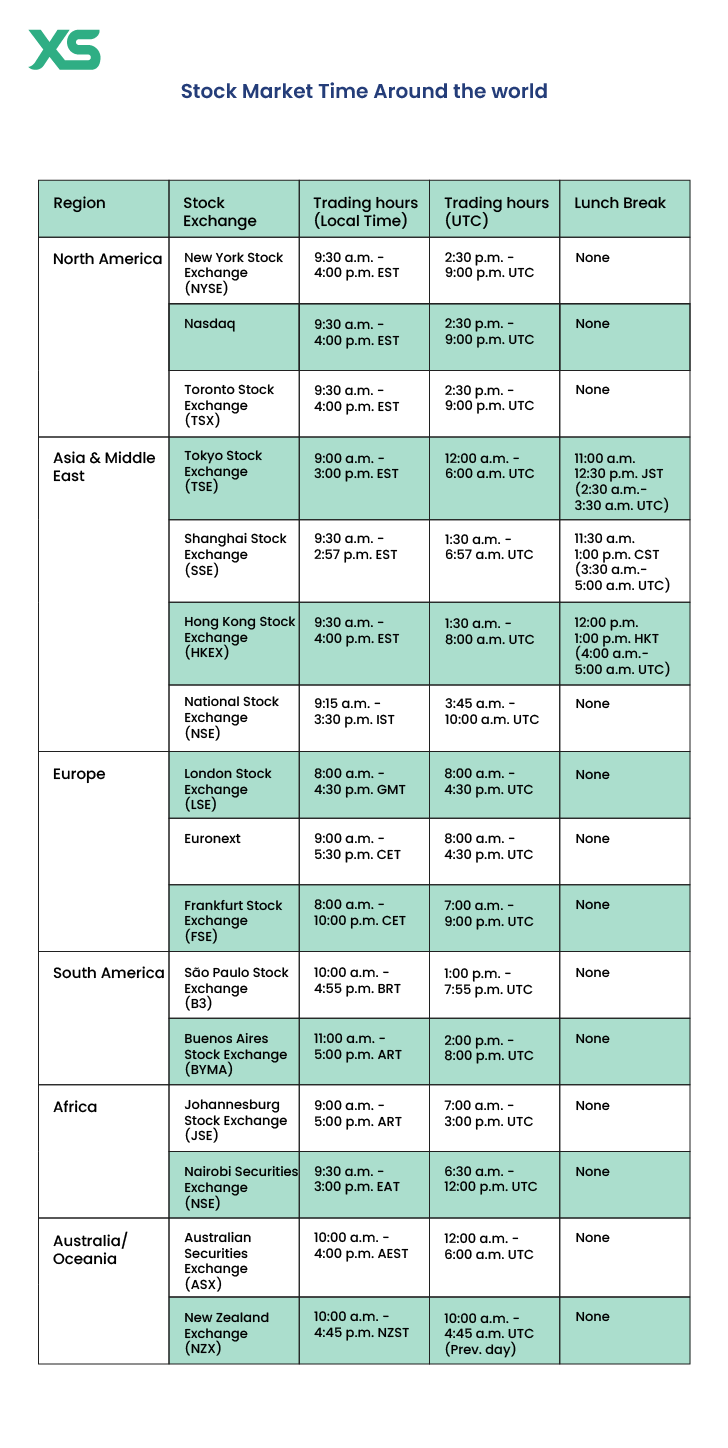
Understanding Standard Market Closing Times Across Key Exchanges
The financial world operates on a diverse schedule, with different asset classes and geographical regions adhering to their own distinct trading hours. While the concept of a “closing bell” is iconic, the exact timing and implications vary significantly.
The New York Stock Exchange (NYSE) and NASDAQ: US Equities
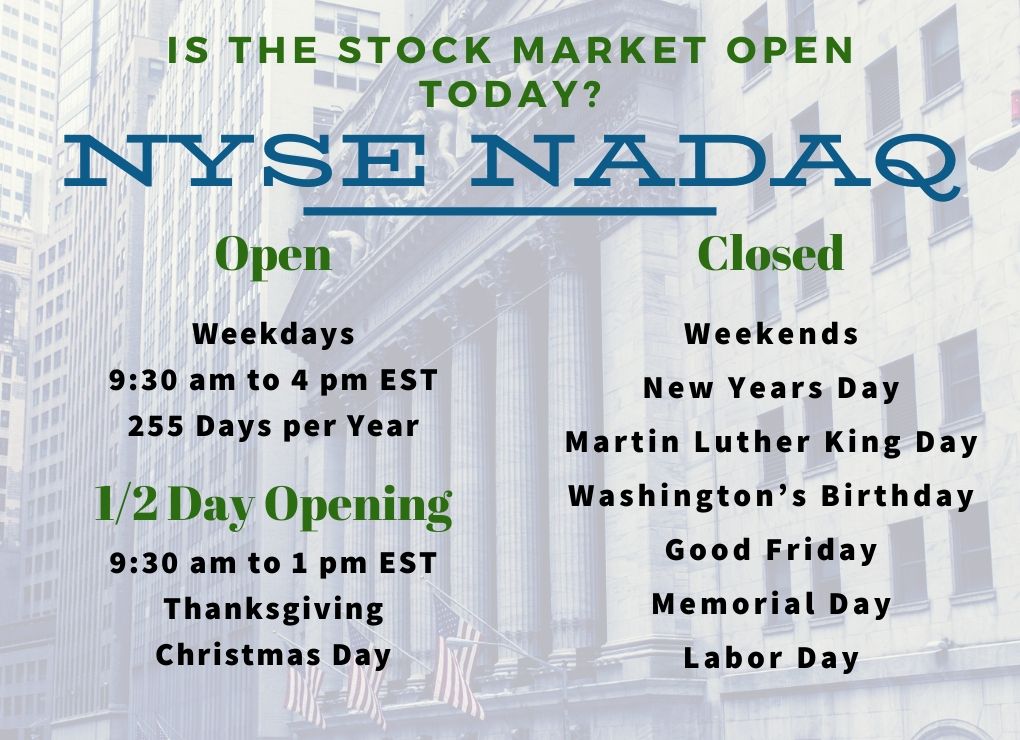
In the United States, the primary equity exchanges – the New York Stock Exchange (NYSE) and the NASDAQ Stock Market – follow a highly standardized schedule. The regular trading session for stocks on both exchanges runs from 9:30 AM Eastern Time (ET) to 4:00 PM ET, Monday through Friday. This 6.5-hour window is where the vast majority of daily trading volume occurs and where official closing prices for individual stocks and major indices like the Dow Jones Industrial Average and the S&P 500 are determined. However, this 4:00 PM ET close isn’t the absolute end of all trading activity. Both exchanges facilitate “pre-market” trading, typically starting at 4:00 AM ET, and “after-hours” trading, which can extend as late as 8:00 PM ET. These extended sessions, while offering flexibility, operate with different dynamics, primarily lower liquidity and wider bid-ask spreads, making them distinct from the regular session.
Futures and Options Markets: Extended and Diverse Schedules
Unlike the relatively straightforward equity market hours, futures and options markets often exhibit more complex and extended trading schedules. These derivative markets, which cover everything from equity indices (like S&P 500 futures), commodities (oil, gold, corn), currencies, and interest rates, are frequently designed for near 24-hour access across multiple time zones. For instance, many E-mini S&P 500 futures contracts trade from Sunday evening through Friday afternoon with only brief daily maintenance breaks. Commodity futures, crucial for industries globally, also have specific and often longer hours to accommodate international participants. Options on individual stocks usually mirror the underlying equity’s trading hours, closing at 4:00 PM ET, but options on broader indices might have slightly different, sometimes later, expirations. The complexity arises from the need to facilitate continuous price discovery and hedging opportunities in globally traded assets, demanding that these markets remain open for longer periods than traditional stock exchanges.
Fixed Income Markets (Bonds): An Earlier End
The fixed income market, where government and corporate bonds are traded, generally operates on a different schedule from equities. In the US, the bond market typically closes earlier than the stock market, often around 3:00 PM ET. This earlier closure is partly historical, reflecting trading conventions among large institutional participants, and partly due to the different nature of bond trading, which can involve more over-the-counter (OTC) transactions rather than pure exchange-based trading. While the official “close” is earlier, liquidity can taper off well before this time. Understanding these distinct closing times is crucial for diversified portfolios, as it affects the valuation and liquidity of bond holdings, particularly when market-moving news breaks late in the equity day.
International Markets: A Global Perspective
The concept of a single “market close” becomes even more fluid when considering the global financial landscape. As markets in one part of the world close, others are simultaneously opening, creating a continuous, 24-hour cycle of trading activity. Key international exchanges like the London Stock Exchange (LSE) close at 4:30 PM GMT, the Tokyo Stock Exchange (TSE) closes at 3:00 PM JST, and the Frankfurt Stock Exchange (XETRA) closes at 5:30 PM CET. For investors with international holdings or those monitoring global economic indicators, understanding these time differences is critical. News originating in Asia overnight can impact European markets at their open, and subsequent European news can then influence the US market’s opening bell. This interconnectedness means that while individual markets have their specific closing times, the “global market” effectively never truly closes.
Factors Influencing Daily Market Closures and Exceptions
While standard operating hours provide a baseline, financial markets are dynamic environments prone to various planned and unplanned alterations to their regular closing times. Awareness of these exceptions is vital for managing expectations and avoiding potential pitfalls.
Holidays and Early Closures: Scheduled Deviations
The most common reason for a deviation from standard market hours is public holidays. In the United States, federal holidays such as New Year’s Day, Martin Luther King Jr. Day, Presidents’ Day, Good Friday, Memorial Day, Juneteenth National Independence Day, Independence Day, Labor Day, Thanksgiving Day, and Christmas Day typically result in full market closures for both equities and bonds. Additionally, certain holidays, like the day after Thanksgiving (Black Friday), often lead to early market closures, with equity markets sometimes closing at 1:00 PM ET. Similar patterns exist globally, where national holidays in each respective country will dictate market operating hours. For instance, the UK’s bank holidays or Japan’s Golden Week will lead to closures on their local exchanges. Investors must consult official exchange calendars well in advance to prepare for these scheduled breaks, which can affect settlement times, portfolio liquidity, and the availability of trading platforms.
Unscheduled Closures and Circuit Breakers: Rare but Impactful Events
Far less common, but significantly more impactful, are unscheduled market closures or trading halts. These can occur due to extreme volatility, technical glitches, or national emergencies. A prominent example is the implementation of “circuit breakers,” which are pre-defined thresholds designed to halt trading temporarily across an entire market during severe, rapid declines. In the US, S&P 500 futures circuit breakers at 7%, 13%, and 20% drops can trigger market-wide halts, with the 20% level potentially leading to an early market close. Historically, events like the September 11th attacks led to multi-day closures of US markets. While rare, these events underscore the fragility of financial systems and the regulatory mechanisms in place to maintain order and prevent panic selling. Understanding the conditions that can trigger such closures is part of a comprehensive risk management strategy.
Daylight Saving Time Adjustments: A Shifting Landscape
Daylight Saving Time (DST) changes, which occur in many parts of the world, can introduce subtle yet critical shifts in market closing times relative to other time zones. For instance, when the US transitions to or from DST, its market hours in ET might remain constant, but their equivalent time in GMT or other global time zones will shift by an hour. This can impact international investors and traders who rely on fixed time differentials for their strategies. While platforms usually adjust automatically, it’s a factor that global participants must remain aware of, especially when planning late-day or early-morning trades that cross international market opens or closes. The coordination of these shifts across different countries can sometimes be asynchronous, leading to temporary periods where time differences are not what one might expect.
The Significance of the Closing Bell for Investors and Traders
The market close is not merely the end of a trading day; it’s a pivotal moment with profound implications for valuation, strategy, and market psychology. Its significance resonates across various financial activities.
Price Discovery and Final Valuations

The closing price of an asset is perhaps its most critical daily data point. It represents the consensus value reached by buyers and sellers at the end of the regular trading session. This final price is used for a multitude of purposes:
-
Portfolio Valuation: Investors use closing prices to calculate the total value of their holdings and assess their daily gains or losses.
-
Net Asset Value (NAV): Mutual funds and Exchange Traded Funds (ETFs) use the closing prices of their underlying assets to calculate their NAV per share, which determines the price at which new investors can buy in or existing investors can redeem.
-
Reporting and Analysis: Analysts, financial news outlets, and regulatory bodies rely on closing prices for daily market reports, performance tracking, and historical data analysis. A stock’s closing price is often seen as its most “official” daily valuation.
Trading Strategies Executed at the Close
For active traders and institutional investors, the final minutes leading up to the closing bell are often a period of heightened activity. Specific strategies are frequently executed during this window:
-
Market-on-Close (MOC) Orders: These are orders specifically designed to be executed at or as near to the closing price as possible. Large institutional investors often use MOC orders to rebalance portfolios, invest large sums, or manage index-tracking funds, minimizing their impact on prices during the day.
-
Hedging Activities: Professional traders and risk managers may place trades at the close to hedge against overnight risk or to adjust their exposure based on end-of-day news or economic data.
-
Window Dressing: Some fund managers engage in “window dressing” near the close on quarter-end or year-end days, buying stocks that have performed well to make their portfolio look more appealing, or selling underperformers. While often criticized, it can influence prices in the final moments.
-
Arbitrage Opportunities: Discrepancies between related assets (e.g., a stock and its futures contract) might be arbitraged away in the final moments as traders seek to profit from price convergence.
Psychological Impact and Trend Indicators
Beyond the technical and practical applications, the market close carries significant psychological weight. The closing price, and particularly the final market movement, can set the tone for the next trading day. A strong close, where prices rally into the bell, can signal bullish sentiment, potentially leading to a positive open the following day. Conversely, a weak close, especially after a day of decline, can reinforce bearish sentiment. Technical analysts pay close attention to closing prices as key components of candlestick patterns and other chart formations, which are used to predict future price movements. The “tape reading” in the final seconds can reveal much about the conviction of buyers and sellers, often influencing short-term trading decisions.
Navigating Post-Market and Pre-Market Trading
While the regular trading session concludes with the closing bell, the financial world doesn’t simply shut down. Extended-hours trading, encompassing both pre-market and after-hours sessions, offers additional opportunities and introduces unique challenges for investors.
Extended Hours Trading Explained
Extended hours trading refers to trading activity that occurs outside the regular 9:30 AM to 4:00 PM ET window for US equities.
-
Pre-Market Trading: Typically runs from 4:00 AM ET to 9:30 AM ET. This session allows investors to react to overnight news, earnings announcements released before the market opens, or global market movements.
-
After-Hours Trading: Generally runs from 4:00 PM ET to 8:00 PM ET. This session is crucial for reacting to news that breaks immediately after the market closes, such as quarterly earnings reports or significant corporate announcements.
These sessions are facilitated by Electronic Communication Networks (ECNs) rather than the traditional exchange floor, allowing for continuous electronic matching of buy and sell orders.
Advantages and Disadvantages
Participating in extended-hours trading comes with a distinct set of pros and cons:
-
Advantages:
-
Reacting to News: Investors can immediately act on news that occurs outside regular market hours, potentially getting ahead of the general market sentiment.
-
Flexibility: It offers greater flexibility for those who cannot trade during standard market hours.
-
Price Discovery: In a globalized world, it helps facilitate continuous price discovery, allowing markets to respond to events as they unfold worldwide.
-
-
Disadvantages:
-
Lower Liquidity: Significantly fewer participants trade during extended hours, leading to thinner order books. This means fewer buyers and sellers, making it harder to execute trades quickly and at desired prices.
-
Wider Spreads: Due to lower liquidity, the bid-ask spread (the difference between the highest price a buyer is willing to pay and the lowest price a seller is willing to accept) is often wider. This increases transaction costs for traders.
-
Increased Volatility: With fewer orders in the book, even a small number of trades can have a disproportionately large impact on a stock’s price, leading to rapid and unpredictable price swings.
-
Price Disparity: The price achieved in extended hours might be significantly different from the next day’s opening price, especially if liquidity is very low or if significant news breaks overnight.
-
Risks and Considerations
For retail investors, engaging in extended-hours trading requires a heightened degree of caution:
-
Limited Order Types: While most brokerage platforms support extended hours, not all order types may be available or function as expected. Often, only limit orders are accepted, preventing market orders from being executed at potentially unfavorable prices due to volatility.
-
Institutional Dominance: Extended hours trading is often dominated by institutional investors and professional traders with sophisticated tools and faster access to information, which can put individual investors at a disadvantage.
-
Information Asymmetry: News that drives extended-hours trading can be complex and requires rapid interpretation, which might be challenging for less experienced investors.
It is imperative for anyone considering extended-hours trading to fully understand these risks and to only use limit orders to control their entry and exit prices.
Practical Tools and Resources for Staying Informed
In a world where market hours can shift and news travels at lightning speed, staying informed is paramount for successful financial management. Thankfully, a wealth of tools and resources are available to help investors keep track of closing times and critical market information.
Brokerage Platforms and Financial News Sites
Your primary source of real-time market information and closing times should be your brokerage platform and reputable financial news outlets.
-
Brokerage Platforms: All major online brokers (e.g., Fidelity, Schwab, E*TRADE, Interactive Brokers) display current market status (open/closed) and often provide alerts for extended hours. Their trading interfaces will also confirm the official closing time for the specific assets you are trading. Many platforms also offer comprehensive market calendars within their portal.
-
Financial News Websites: Leading financial news sites like Bloomberg, Reuters, The Wall Street Journal, CNBC, and Yahoo Finance are indispensable. They not only provide real-time market data but also frequently publish articles detailing special market hours, holiday closures, and any unscheduled events. These sites often have dedicated market sections that clearly indicate the current trading status of major exchanges.
Market Calendars and Alerts
To proactively manage your trading and investment schedule, leveraging market calendars and alert systems is highly recommended.
-
Official Exchange Websites: The most authoritative source for market holidays and special closing times is the official website of the exchanges themselves (e.g., NYSE.com, NASDAQ.com). They publish annual calendars well in advance.
-
Dedicated Financial Calendars: Websites like Investing.com, Econoday.com, and others provide comprehensive economic and market calendars, listing holidays, earnings announcements, and economic data releases that might influence market activity. Many allow you to filter by country or market segment.
-
Email and App Alerts: Many financial news services and brokerage platforms offer customizable alerts. You can often set up notifications for market opens/closes, impending holidays, or even specific news events that might impact trading hours. Subscribing to relevant newsletters can also keep you informed of upcoming schedule changes.
Developing a Routine for Market Monitoring
Integrating market closing information into your financial routine is a mark of a disciplined investor.
-
Daily Check-in: Make it a habit to glance at a financial news site or your brokerage platform each morning to confirm the market status and check for any unexpected announcements.
-
Weekly/Monthly Review: At the start of each week or month, briefly review upcoming market holidays or early closures that might affect your trading plans or the liquidity of your portfolio.
-
Pre-Event Planning: If you anticipate an important earnings report, economic data release, or geopolitical event, understand how it might coincide with market closes or extended hours. Plan your trading strategy accordingly, deciding whether to hold positions through the close or adjust them beforehand.
-
Understanding Time Zones: Especially for international investors or those trading global assets, a clear understanding of time zone conversions is essential to accurately track market opens and closes relative to your local time.
Conclusion
Understanding “what time do markets close today” is far more than a simple query; it’s a foundational element of informed financial participation. From the predictable 4:00 PM ET closing bell for US equities to the diverse schedules of global exchanges, futures markets, and fixed income instruments, knowledge of these timings empowers investors to make strategic decisions, manage risk, and capture opportunities. The nuances of extended-hours trading, the impact of holidays, and the rare occurrences of unscheduled closures all contribute to the complex tapestry of market operations. By leveraging available tools and cultivating a disciplined approach to market monitoring, investors can navigate the end-of-day dynamics with confidence, ensuring that they are always aware of when the financial world pauses, and when its profound implications continue to unfold.
aViewFromTheCave is a participant in the Amazon Services LLC Associates Program, an affiliate advertising program designed to provide a means for sites to earn advertising fees by advertising and linking to Amazon.com. Amazon, the Amazon logo, AmazonSupply, and the AmazonSupply logo are trademarks of Amazon.com, Inc. or its affiliates. As an Amazon Associate we earn affiliate commissions from qualifying purchases.