
Cancelling a credit card, especially one like Credit One, is a financial decision that requires careful consideration and a structured approach. While it might seem straightforward, understanding the nuances of the process and its potential impact on your personal finance and credit standing is crucial. This guide will walk you through the necessary steps, potential pitfalls, and best practices to ensure a smooth cancellation while protecting your financial health.
Understanding Your Credit One Account Before Cancellation
Before you even think about picking up the phone to initiate the cancellation, a thorough review of your current Credit One account status is paramount. This pre-cancellation audit can save you from unexpected fees, missed opportunities, and negative impacts on your credit score.

Reviewing Your Statement for Outstanding Balances
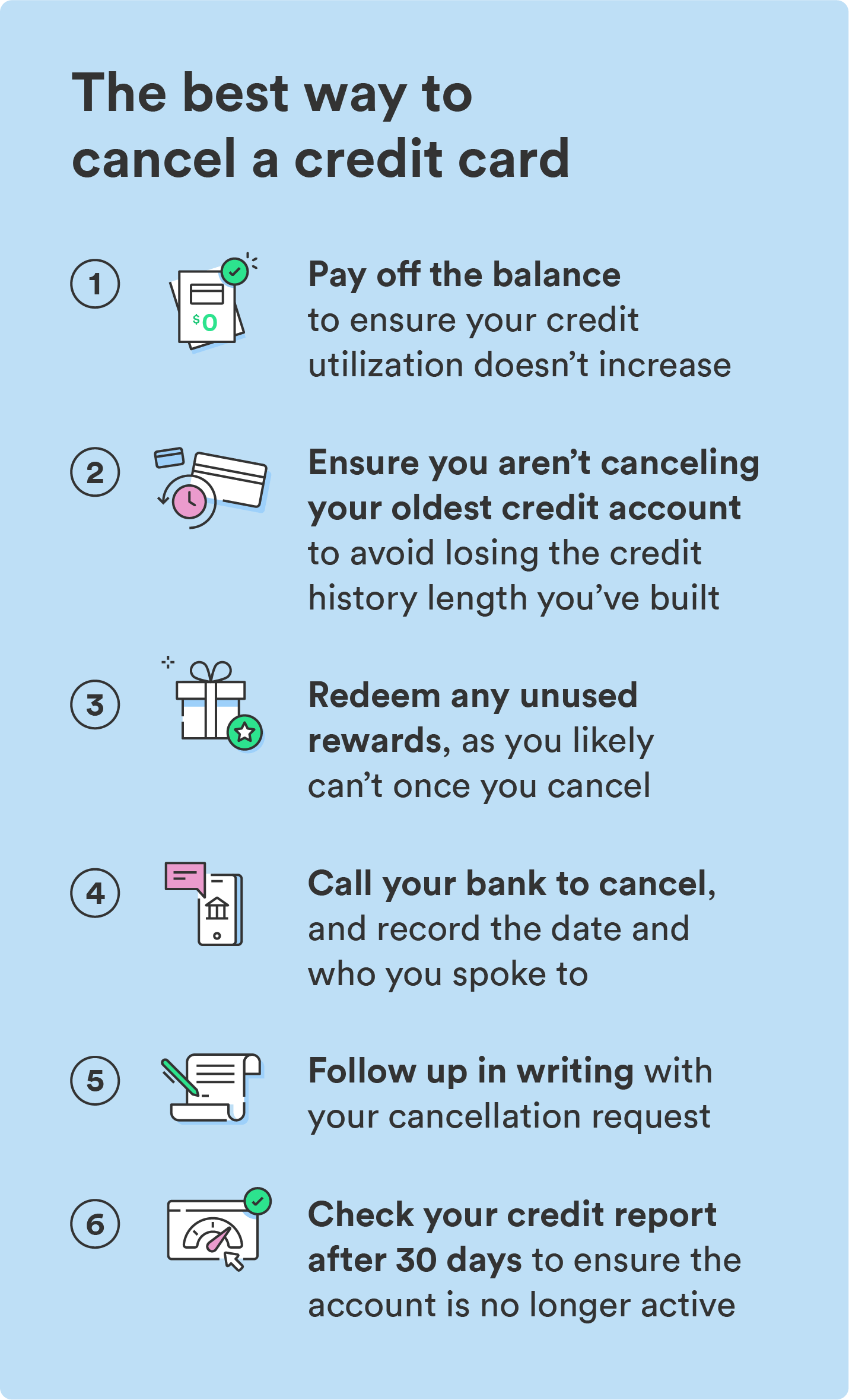
The absolute first step is to scrutinize your latest Credit One statement. Identify any outstanding balances, including recent purchases, cash advances, and accrued interest. It is highly advisable—and often a prerequisite for cancellation—to pay off your entire balance in full. Carrying a balance after requesting closure can lead to persistent interest charges, potential late fees, and complicate the closure process, potentially even leading the issuer to reopen the account or report negative information to credit bureaus. Understand the difference between making the minimum payment and clearing the full balance; only a zero balance ensures a clean break.
Checking for Unused Rewards or Benefits
Credit One cards may offer various rewards programs, such as cashback, travel points, or specific merchandise discounts. Before closing your account, check if you have any accumulated rewards. Most credit card issuers, including Credit One, will typically forfeit any unused rewards once an account is closed. Redeem any cashback, convert points, or utilize any outstanding benefits to which you are entitled. Don’t leave money or value on the table simply because you’re eager to cancel.
Identifying Automatic Payments Linked to the Card
Many individuals link recurring bills and subscriptions to their credit cards for convenience. These might include streaming services, utility bills, insurance premiums, gym memberships, or app subscriptions. Before cancelling your Credit One card, meticulously go through your bank statements and online accounts to identify any services that automatically charge this card. Failing to update these payment methods can lead to missed payments, service interruptions, late fees from the service provider, and potentially impact your other financial obligations. Create a comprehensive list and ensure all automatic payments are transferred to an alternative payment method, such as another credit card or your bank account, well in advance of the cancellation.
Understanding the Impact on Your Credit Score
Cancelling a credit card can have both immediate and long-term implications for your credit score. Two primary factors are often affected:
-
Credit Utilization Ratio: This ratio measures the amount of credit you’re using compared to your total available credit. Closing a credit card reduces your total available credit, which can cause your credit utilization ratio to increase, especially if you carry balances on other cards. A higher utilization ratio (generally above 30%) is often viewed negatively by credit bureaus and can lower your score.
-
Average Age of Accounts: The length of your credit history is another significant factor. Closing an old credit card removes that account from your active credit profile after some time (though it usually remains on your report for up to 10 years after closure if in good standing). If the Credit One card is one of your oldest accounts, its eventual removal from calculations could shorten your average age of accounts, potentially decreasing your credit score over time.
Weigh these potential impacts against your reasons for cancellation. If your score is already robust and you have other long-standing accounts, the impact might be minimal. If your credit file is thin or you have other high-balance cards, proceed with caution.
The Step-by-Step Process to Cancel Your Credit One Card
Once you’ve completed your pre-cancellation review and are fully prepared, you can proceed with the formal steps to close your Credit One account.
Pay Off Your Balance in Full
As previously emphasized, this is a non-negotiable first step. Ensure your Credit One account reflects a zero balance. This might involve making a final payment and then waiting a few business days for it to clear and post to your account. Attempting to close an account with a balance will likely result in the issuer refusing to process the request until the debt is settled, or worse, continuing to charge interest and fees.
Contact Credit One Customer Service
Credit One does not typically allow online card cancellations; you will need to speak with a representative directly.
-
Find the Contact Number: Locate the customer service number on the back of your Credit One card or on their official website.
-
Prepare Your Information: Have your account number, personal identification (like your Social Security Number), and a valid ID ready.
-
State Your Intention Clearly: When connected, clearly state that you wish to close your Credit One account. Be polite but firm.
-
Be Prepared for Retention Offers: It’s common for credit card companies to try and retain customers, especially if you have a good payment history. The representative might offer incentives like a lower interest rate, a waived annual fee, or bonus rewards. Evaluate these offers against your primary reasons for cancellation. If your goal is to simplify your finances or eliminate a card you no longer need, politely decline these offers.
-
Confirm Zero Balance: Reconfirm that your account balance is indeed zero and inquire if any pending charges or interest might still post to the account.
-
Request Immediate Closure: Ask for the account to be closed immediately.
Obtain Written Confirmation of Closure
This is a critical step for your financial records. After confirming the closure over the phone, request that Credit One send you a written confirmation via mail or email. This letter should explicitly state that your account has been closed at your request, the date of closure, and that the balance was zero at the time of closure. This document serves as proof in case of any future discrepancies or errors on your credit report. Keep this confirmation in a secure place with your other important financial documents.
Securely Dispose of the Physical Card
Once the account is officially closed and you have received confirmation, securely dispose of your physical Credit One card. Shredding the card into multiple pieces, especially across the magnetic stripe and chip, is recommended. This prevents unauthorized use if the card were to fall into the wrong hands, even if the account is inactive.
Navigating Potential Challenges and Considerations
The cancellation process might not always be perfectly smooth. Being aware of potential challenges and their financial implications will help you navigate them effectively.
Dealing with Retention Offers
While tempting, carefully consider any retention offers. If you are cancelling due to high annual fees or a high interest rate, a temporary reduction might not address the root issue. If your goal is financial discipline or simplifying your wallet, accepting an offer might only delay your objective. Align your decision with your broader financial strategy, not just short-term incentives.
If You Have an Annual Fee
Credit One cards often come with annual fees. If you’re cancelling mid-year, inquire if a prorated refund of the annual fee is possible. Some issuers provide this, especially if you haven’t recently paid the fee or are closing the account shortly after being charged. However, many do not. Clarify this during your call to customer service.
What Happens if You Don’t Pay Off the Balance?
Attempting to close an account with an outstanding balance is generally not possible. If you stop using the card but don’t pay off the balance, interest will continue to accrue, and minimum payments will still be due. Defaulting on these payments will lead to late fees, significant damage to your credit score, and potentially the account being sent to collections. This can have severe and long-lasting negative impacts on your ability to secure future credit, loans, or even housing. Always prioritize paying down the balance before initiating closure.
Understanding the “Credit Utilization Ratio” Impact
Reiterating this crucial point: closing a credit card reduces your total available credit. If you have a total credit limit of $10,000 across two cards, and you close one with a $5,000 limit, your total available credit drops to $5,000. If you have an outstanding balance of $1,000 on your remaining card, your utilization jumps from 10% ($1,000/$10,000) to 20% ($1,000/$5,000). While 20% is still good, this example illustrates how your ratio can increase without any new spending. For optimal credit health, aim to keep your overall credit utilization below 30%, and ideally below 10%.
The “Average Age of Accounts” Impact
While a closed account in good standing typically remains on your credit report for up to 10 years, its impact on the “average age of accounts” calculation can diminish over time or as new accounts are opened. If the Credit One card is your oldest account, its eventual absence from the average age calculation could potentially shorten your overall credit history, which is a factor in your FICO score. Assess the average age of your other active accounts to gauge this potential impact.
Financial Best Practices Post-Cancellation
The act of cancellation is just one part of maintaining good financial health. Proactive steps afterward are just as important.
Monitoring Your Credit Report
After cancelling your Credit One card, it’s vital to monitor your credit reports from all three major bureaus (Equifax, Experian, and TransUnion). You can access free reports annually at AnnualCreditReport.com. Check that the Credit One account is correctly reported as “closed by consumer” with a zero balance. Look for any discrepancies, such as late payments erroneously reported or the account remaining open. Disputing errors promptly is crucial to protect your credit score.
Reassessing Your Credit Needs
Closing a credit card should prompt a broader review of your credit portfolio. Do you have other cards that better suit your spending habits, offer better rewards, or have lower fees? Do you need a credit card at all, or are you aiming for a credit-card-free lifestyle? This is an opportune time to evaluate if you need to apply for a different card to maintain your credit utilization or if you have sufficient available credit elsewhere. If you do apply for a new card, be mindful of the temporary credit score dip from a hard inquiry.
Building and Maintaining a Strong Credit Profile
A single cancellation won’t dismantle years of good credit habits. Focus on the core pillars of a strong credit profile:
-
Payment History: Always pay your bills on time, every time, across all accounts.
-
Credit Utilization: Keep balances low relative to your credit limits.
-
Length of Credit History: Maintain older accounts in good standing.
-
Credit Mix: Have a healthy mix of different credit types (e.g., credit cards, installment loans).
-
New Credit: Only apply for new credit when genuinely needed.
Budgeting and Debt Management Strategies
Often, cancelling a card stems from a desire to reduce debt or improve financial discipline. Use this opportunity to reinforce strong budgeting habits. Develop a realistic budget, track your spending, and create a plan for managing any remaining debt. Tools like debt snowball or debt avalanche methods can be effective. The goal is to prevent future reliance on high-interest credit for everyday expenses and to build a robust financial foundation.
When is it a Good Idea to Cancel a Credit Card?
While there are considerations, cancelling a credit card can be a sound financial move in several scenarios:
High Annual Fees with No Corresponding Value
If your Credit One card has an annual fee and you’re not utilizing enough of its benefits or rewards to offset that cost, it’s a financial drain. Unless you’re using it to maintain a crucial part of your credit history, cancelling it to avoid recurring fees is often wise.
Irresponsible Spending Habits
For individuals who struggle with impulse purchases or overspending, having fewer credit cards (especially those with readily available credit) can be a powerful step towards financial discipline. Eliminating temptation can be more beneficial than the potential minor hit to a credit score.
Simplifying Your Financial Portfolio
Managing multiple credit cards can become cumbersome. If the Credit One card is redundant or adds unnecessary complexity to your financial life without offering unique value, simplifying your portfolio by closing it can reduce stress and make financial management easier.

Consolidating Debt or Switching to Better Terms
If you’ve consolidated your Credit One debt onto a lower-interest loan or a balance transfer card, or if you’ve found a significantly better credit card product elsewhere, closing the old account can be part of a strategic financial transition. Just ensure the new solution truly offers better long-term value and that you handle the old balance properly.
Cancelling your Credit One card is a financial decision with various facets. By approaching it methodically, understanding the implications, and following best practices, you can ensure a smooth transition that aligns with your broader personal finance goals.
aViewFromTheCave is a participant in the Amazon Services LLC Associates Program, an affiliate advertising program designed to provide a means for sites to earn advertising fees by advertising and linking to Amazon.com. Amazon, the Amazon logo, AmazonSupply, and the AmazonSupply logo are trademarks of Amazon.com, Inc. or its affiliates. As an Amazon Associate we earn affiliate commissions from qualifying purchases.