
For many, the question “What time does the bank close?” is more than a simple inquiry about operating hours; it is a critical component of personal finance management. In an era where digital transactions occur in milliseconds, the physical constraints of traditional brick-and-mortar institutions still dictate the flow of capital, the clearing of checks, and the availability of funds. Understanding the logic behind banking schedules—and how to navigate them—is essential for anyone looking to maintain a healthy financial life, avoid unnecessary fees, and optimize their liquidity.
The Mechanics of Traditional Banking Hours
While the “9-to-5” workday is a cultural staple, the banking industry has historically adhered to what is colloquially known as “Banker’s Hours.” Traditionally, this meant closing earlier than other businesses, often around 3:00 PM or 4:00 PM. While modern competition has pushed many institutions to extend their hours, the core schedule remains rooted in the logistical needs of the financial system.
The Standard Operating Schedule
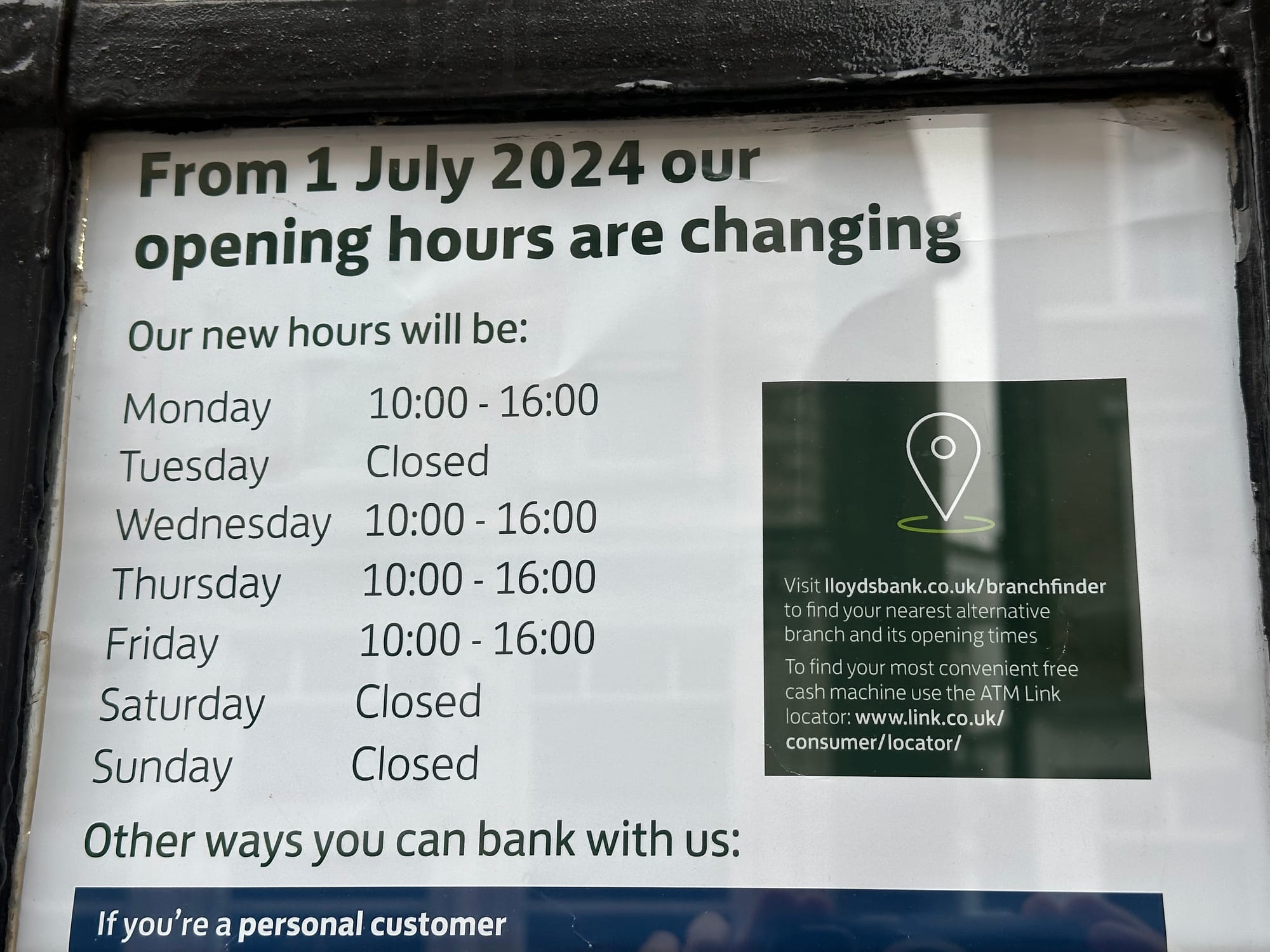
Most major retail banks in the United States and Europe operate from 9:00 AM to 5:00 PM, Monday through Friday. Some institutions offer extended hours on Thursdays or Fridays to accommodate working professionals. Saturdays have also become common for retail banking, though hours are typically truncated—usually from 9:00 AM until 12:00 PM or 1:00 PM. Sundays remain almost universally a day of closure for physical branches, reflecting the schedule of the Federal Reserve and international clearinghouses.
Regional and Institutional Variations
Banking hours are not a monolith. Small-town community banks may still close early on Wednesdays, a vestige of mid-century retail traditions. Conversely, branches located inside grocery stores or large shopping malls often mirror the mall’s operating hours, remaining open as late as 7:00 PM or 8:00 PM and offering full Sunday service. Understanding the specific habits of your local branch is the first step in effective cash management.
The Impact of Federal and Bank Holidays
Perhaps the most disruptive element of the banking schedule is the observance of federal holidays. In the United States, banks follow the Federal Reserve’s holiday schedule. When the “bank is closed” for a federal holiday, the movement of money through the Automated Clearing House (ACH) and wire systems effectively halts. This means that if a holiday falls on a Monday, a check deposited on Friday evening may not begin processing until Tuesday morning. For individuals living paycheck to paycheck or businesses with tight margins, these three-day “blind spots” require careful planning.
Why Timing Matters: Transaction Processing and Clearing Cycles
The reason the question “What time does the bank close?” remains relevant in a digital world is the “cut-off time.” Even if you use a mobile app to deposit a check at 11:59 PM, the bank considers that transaction to have occurred on the following business day.
The Critical Role of Cut-off Times
Every financial institution has a daily cut-off time for transaction processing. For many branches, this is the time they physically close their doors. For ATMs and mobile deposits, it is often between 5:00 PM and 9:00 PM. Any transaction initiated after this threshold is pushed into the next business day’s queue. This creates a “float” period where your money is in transit but not yet available for use.
Managing Overdrafts and Balancing Accounts
Understanding closing times is vital for avoiding overdraft fees. If an automated payment—such as a mortgage or car insurance—is scheduled to exit your account on a Tuesday, you must ensure that any covering funds are deposited before the cut-off time on Monday. If you miss that window, you may find yourself in a situation where the debit hits a “zero balance” account even though you technically “deposited” the money minutes after the bank closed. This lag is a primary source of revenue for banks through NSF (Non-Sufficient Funds) fees, and avoiding it requires a disciplined understanding of the clock.
Direct Deposit and Payroll Deadlines
For employees, bank hours influence when “payday” actually begins. While HR departments process payroll days in advance, the actual release of funds is tied to the banking cycle. If your bank has a slow processing schedule or if a holiday interrupts the week, your funds might not be “cleared” until hours or even a day later than expected. Knowing when your specific institution “refreshes” its ledgers (often at midnight or 2:00 AM) allows for better planning of weekend spending and bill payments.

Bridging the Gap: Banking Solutions Beyond the Closing Bell
The traditional closure of a bank branch no longer means you are cut off from your finances. The evolution of “Money” as a concept has moved from physical ledger books to digital cloud data, allowing for 24/7 financial management if one knows how to use the available tools.
The Rise of Online and Mobile Banking
The mobile app is the modern-day “bank that never closes.” Through these platforms, users can perform roughly 90% of traditional banking tasks: depositing checks via photo, transferring funds between accounts, and paying bills. However, the “Money” niche professional knows that these tools are still beholden to the clearing cycles mentioned earlier. While you can initiate the task at 3:00 AM on a Sunday, the actual movement of currency usually waits for the Monday morning opening bell.
ATM Networks and Physical Self-Service
ATMs have evolved far beyond simple cash dispensers. Modern “Smart ATMs” allow for bulk check and cash deposits, often with immediate “provisional credit.” For individuals who work night shifts or have schedules that clash with traditional bank hours, these kiosks are essential. Furthermore, many banks now offer “Interactive Teller Machines” (ITMs), which allow customers to speak with a live teller via video link, often during hours that extend well beyond the branch’s front-door locking time.
Virtual Assistants and Digital Customer Support
When you have a financial emergency at 10:00 PM—such as a lost debit card or a suspicious transaction—you cannot wait for the bank to open. Most major financial institutions now provide 24/7 customer service through AI-driven chatbots or offshore call centers. These tools allow for the immediate freezing of assets and security measures, ensuring that while the “vault” is closed, the “security gate” remains active around the clock.
Strategic Financial Planning Around Bank Schedules
For high-net-worth individuals or small business owners, bank hours are a variable to be managed, much like interest rates or tax brackets. Strategic timing of financial moves can save thousands in interest or missed opportunities.
Optimizing Large Wire Transfers
If you are closing on a home or making a significant investment, a wire transfer is often required. Unlike ACH transfers, which are processed in batches, wire transfers are intended to be near-instant. However, they are strictly bound by the Federal Reserve’s Wire Network hours. Most banks require wire instructions to be submitted before 2:00 PM or 3:00 PM EST for same-day delivery. Missing this window by even five minutes can delay a multi-million dollar closing by an entire weekend, potentially causing a breach of contract.
Navigating Weekend and After-Hours Deposits
For those in the “side hustle” economy or retail business, Friday and Saturday are often the highest-earning days. If you deposit your weekend earnings into a traditional bank on a Saturday afternoon, that money often won’t be “available” until Tuesday. To optimize cash flow, savvy money managers often use digital-first banks or fintech accounts that offer “real-time” processing or weekend clearing, ensuring that their capital isn’t sitting idle and un-invested for 48 to 72 hours.
International Banking and Time Zone Discrepancies
In an increasingly globalized economy, the question “What time does the bank close?” must be answered across multiple time zones. If you are transferring money from a New York account to a London-based investment, you must reconcile the five-hour time difference. By the time the New York bank opens at 9:00 AM, the London bank is already preparing for its 2:00 PM afternoon lull. Professional money management involves synchronizing these “windows of liquidity” to ensure that currency exchange rates are locked in and transfers are completed within the same business day.

Conclusion: Empowering Your Financial Journey
The physical closing time of a bank branch is a symbol of an older era, yet it remains a structural reality of the global financial system. By understanding the intricacies of banking hours, cut-off times, and clearing cycles, you move from being a passive participant in your finances to an active manager of your wealth.
In the world of personal finance, time is literally money. Whether it is avoiding an overdraft fee by beating the 5:00 PM cut-off, or ensuring a wire transfer arrives in time for a major purchase, your awareness of the clock is a powerful tool. While technology continues to blur the lines of the traditional workday, the disciplined investor knows that the “closing bell” still rings, and those who plan their lives around it are the ones who ultimately achieve financial stability and growth.
aViewFromTheCave is a participant in the Amazon Services LLC Associates Program, an affiliate advertising program designed to provide a means for sites to earn advertising fees by advertising and linking to Amazon.com. Amazon, the Amazon logo, AmazonSupply, and the AmazonSupply logo are trademarks of Amazon.com, Inc. or its affiliates. As an Amazon Associate we earn affiliate commissions from qualifying purchases.