
For anyone engaged in the world of finance, from seasoned institutional investors to budding retail traders, knowing the operational hours of the stock market is fundamental. It dictates when trades can be executed, when market news has its most immediate impact, and when the financial world pauses its relentless pace. The question “What time stock market closes today?” isn’t just a query about a specific hour; it’s an entry point into understanding market mechanics, global interdependencies, and the strategic timing that underpins successful investing. In this comprehensive guide, we’ll delve into the intricacies of stock market closing times, exploring the standard schedules, the exceptions, global variations, and why these temporal boundaries hold such profound significance for every participant in the financial arena.
Understanding Standard Stock Market Hours
The heart of the financial world beats loudest during its standard operating hours. These hours are meticulously set to balance accessibility, liquidity, and operational efficiency, providing a structured environment for buying and selling securities.
The NYSE and NASDAQ Daily Schedule
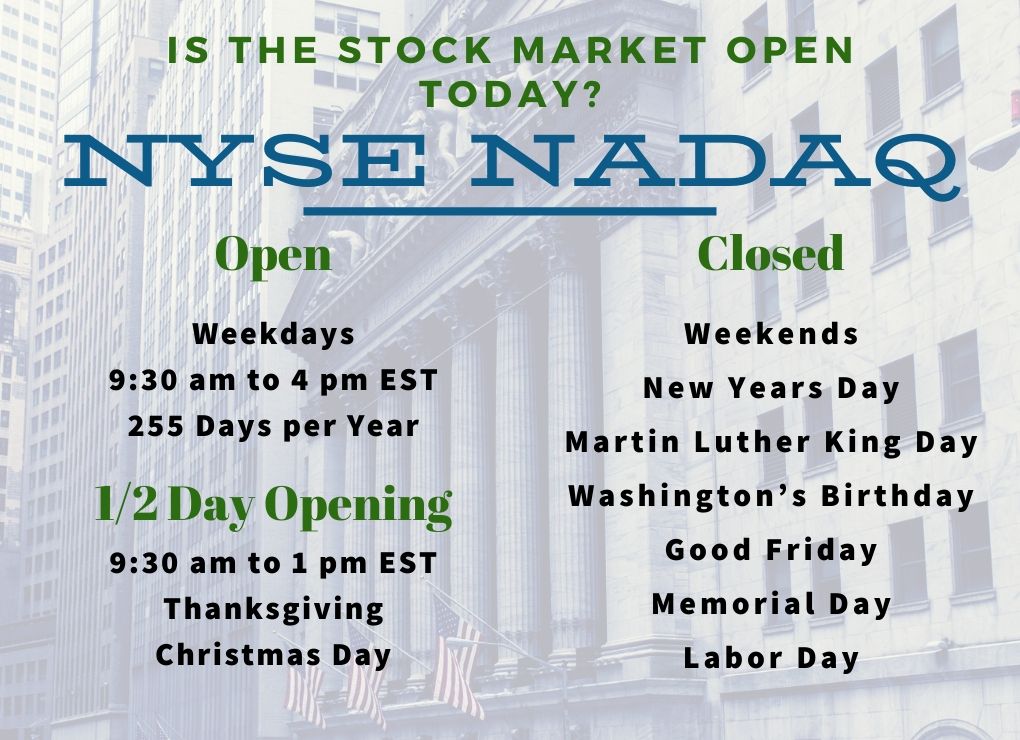
In the United States, the two primary stock exchanges, the New York Stock Exchange (NYSE) and the NASDAQ, operate on a remarkably consistent schedule. Both open for regular trading at 9:30 AM Eastern Time (ET) and close at 4:00 PM ET on weekdays. This seven-and-a-half-hour window is often referred to as “regular trading hours” or “market hours,” and it’s when the vast majority of trading volume occurs. These exchanges serve as benchmarks for many global markets, their rhythm influencing trading desks and investor sentiment worldwide. The consistency of these hours minimizes confusion and allows market participants to plan their strategies and monitor their portfolios effectively within a predictable timeframe.
Lunch Breaks and Continuous Trading
Unlike some other global exchanges or even certain commodity markets that might observe brief pauses or “lunch breaks,” the NYSE and NASDAQ maintain continuous trading throughout their standard hours. From the opening bell to the closing bell, orders are matched, prices fluctuate, and capital flows uninterrupted. This continuous operation ensures maximum liquidity and immediate reaction to breaking news or economic data. The absence of a mid-day break means that market sentiment can shift rapidly, demanding constant vigilance from active traders. For long-term investors, this continuous flow primarily affects the price discovery mechanism, ensuring that the market price of a stock at any given moment reflects the collective, real-time assessment of its value.
The Rationale Behind Fixed Hours
The establishment of fixed market hours is not arbitrary; it serves several critical purposes. Firstly, it concentrates trading activity, which enhances liquidity. With all participants focused on the same timeframe, there’s a higher probability of buyers meeting sellers, leading to tighter bid-ask spreads and more efficient price discovery. Secondly, it provides a crucial period for market participants, such as analysts, fund managers, and regulatory bodies, to process information, prepare reports, and plan strategies without the pressure of live trading. This “off-market” time allows for reflection, research, and the necessary administrative tasks that keep the financial ecosystem functioning smoothly. Finally, fixed hours offer a degree of predictability, reducing volatility that might arise from sporadic, uncoordinated trading throughout a 24-hour cycle.
Beyond the Standard: Factors Influencing Closing Times
While the 9:30 AM to 4:00 PM ET schedule is the norm, the stock market’s closing time isn’t always set in stone. Various factors can alter this schedule, making it imperative for investors to stay informed.
Public Holidays and Market Closures
One of the most common reasons for altered market hours, or even complete closure, is public holidays. In the U.S., exchanges observe federal holidays such as New Year’s Day, Martin Luther King, Jr. Day, Presidents’ Day, Good Friday, Memorial Day, Juneteenth National Independence Day, Independence Day, Labor Day, Thanksgiving Day, and Christmas Day. On these days, the markets are fully closed, meaning no trading occurs. These closures are typically announced well in advance, giving investors ample time to adjust their trading strategies and expectations. Ignoring these closures can lead to missed opportunities or unexpected delays in trade execution. It’s a common practice for investors to review the exchange’s holiday calendar at the beginning of each year.
Early Closures and Half-Day Trading
Less frequent but equally important are early closures, often referred to as half-day trading sessions. These typically occur on days preceding or following major holidays, such as the day after Thanksgiving (Black Friday) or Christmas Eve (when it falls on a weekday). On these half-days, the market might close at 1:00 PM ET instead of the usual 4:00 PM ET. The rationale behind these shorter sessions is often to allow market participants to observe holidays without entirely shutting down the economic machinery, while still acknowledging the reduced participation and liquidity that typically characterize these periods. Volume can be lower and volatility sometimes higher during these abbreviated sessions, which traders must account for.
Emergency Closures and Unforeseen Events
While rare, stock exchanges can also experience emergency closures or altered hours due to unforeseen circumstances. These might include severe weather events (e.g., hurricanes that could physically impact trading floor operations, though electronic trading has mitigated this risk significantly), national emergencies, or even significant technological malfunctions. The September 11, 2001, terrorist attacks, for instance, led to a multi-day market closure. Such events, while unpredictable, highlight the importance of staying abreast of breaking news and official announcements from the exchanges or regulatory bodies. In the digital age, these announcements are typically broadcast widely and immediately through financial news outlets and exchange websites.
Global Perspectives: When Markets Around the World Close
The notion of a single “stock market closing time” is misleading, as financial markets operate globally, each with its own schedule. An understanding of these international hours is crucial for investors with diversified portfolios or those interested in global macroeconomic trends.
Key Asian Markets: Tokyo, Shanghai, Hong Kong
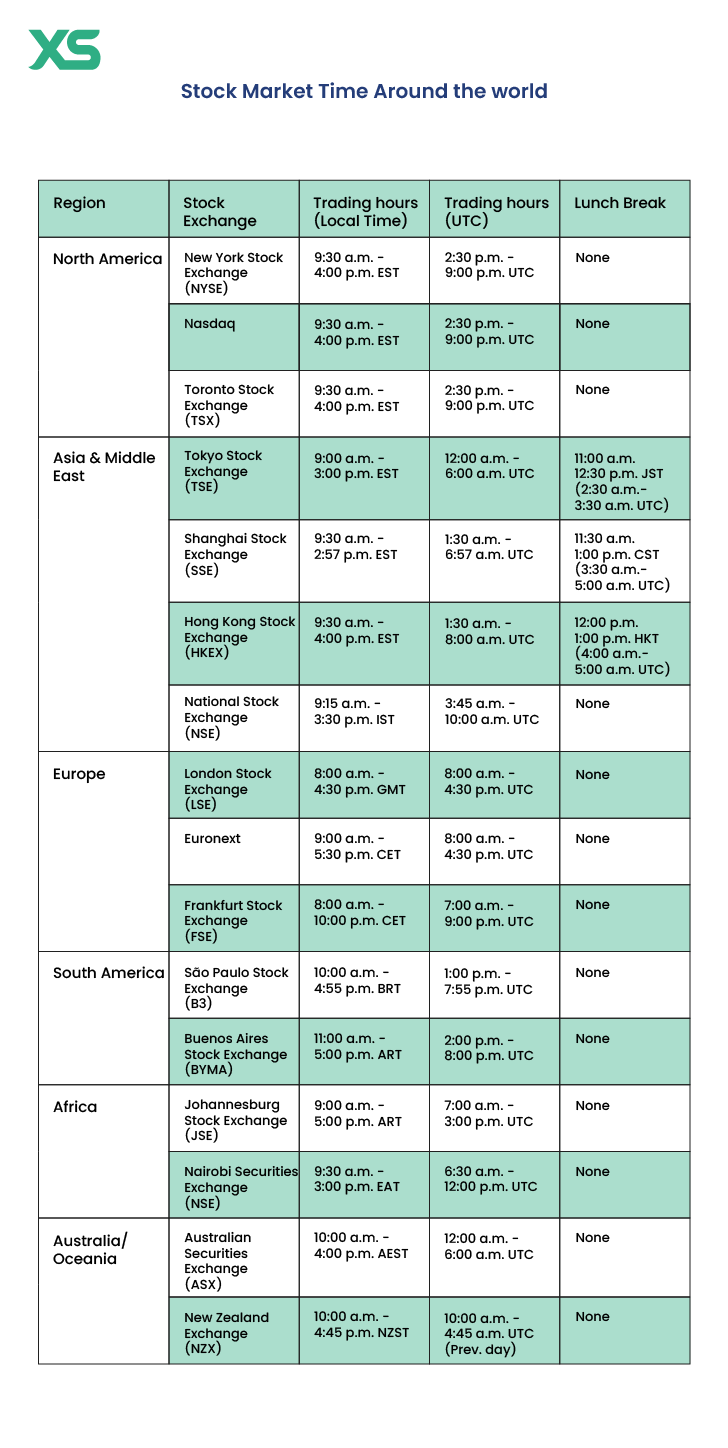
Asia kicks off the global trading day. The Tokyo Stock Exchange (TSE), a major player, typically operates from 9:00 AM to 3:00 PM Japan Standard Time (JST), with a lunch break from 11:30 AM to 12:30 PM JST. Following Tokyo, markets like the Shanghai Stock Exchange (SSE) and Shenzhen Stock Exchange (SZSE) open, generally from 9:30 AM to 3:00 PM China Standard Time (CST), also with a lunch break from 11:30 AM to 1:00 PM CST. Hong Kong’s Hang Seng (HKEX) generally trades from 9:30 AM to 4:00 PM Hong Kong Time (HKT), with a lunch break from 12:00 PM to 1:00 PM HKT. These markets often react to overnight news from the Americas and Europe, setting the tone for the subsequent trading sessions globally.
European Giants: London, Frankfurt, Paris
As Asian markets wind down, Europe’s financial centers begin their day, creating an overlap with the closing hours of some Asian markets and the opening of North American markets. The London Stock Exchange (LSE) is a dominant force, operating from 8:00 AM to 4:30 PM Greenwich Mean Time (GMT) (or BST during daylight saving). The Frankfurt Stock Exchange (Xetra), another major player, runs from 9:00 AM to 5:30 PM Central European Time (CET). Paris’s Euronext also follows a similar schedule, typically from 9:00 AM to 5:30 PM CET. These markets are crucial for understanding global sentiment, particularly regarding European economic data, political developments, and corporate earnings.
Overlapping Trading Sessions and Global Interconnectivity
The staggered opening and closing times of global markets lead to fascinating periods of “overlap.” For instance, European markets are fully operational when U.S. markets open, and U.S. markets are winding down as Asian markets prepare to open. This overlap is a critical feature of global finance. It means that major news breaking in one region can ripple across active markets almost instantaneously, influencing commodity prices, currency exchange rates, and stock indices worldwide. This global interconnectivity underscores why investors, even those focused on a single market, must remain aware of international market hours and significant global events. The concept of a market “closing today” for a U.S. investor might coincide with another market opening, perpetuating the continuous flow of capital and information.
The Investor’s Edge: Why Closing Times Matter
Understanding stock market closing times is far more than an academic exercise; it’s a practical necessity that profoundly influences trading strategies, risk management, and overall investment performance.
Impact on Day Traders and Short-Term Strategies
For day traders and those employing short-term strategies, the closing bell marks a critical juncture. It’s the moment when the market’s liquidity typically peaks, and significant price movements can occur as traders attempt to close out positions, realize gains, or cut losses before the session ends. The last hour of trading, often dubbed “the power hour,” can be particularly volatile. Day traders often aim to liquidate all their positions before the close to avoid holding assets overnight, thereby mitigating “gap risk” – the risk that a stock’s price will open significantly higher or lower the next day due to overnight news. Understanding closing times is therefore integral to their entire operational framework, from entry to exit points.
Liquidity and Volatility Considerations
Liquidity and volatility are intrinsically linked to market hours. As the market approaches its closing time, liquidity can increase dramatically as market participants adjust their holdings. This heightened activity can lead to larger trading volumes and more pronounced price swings. Conversely, trading activity generally dwindles as the market moves away from its opening and closing periods. After-hours trading, for example, typically sees much lower liquidity, which can translate into wider bid-ask spreads and greater price volatility for smaller trades. Savvy investors analyze these patterns, understanding that certain times of the day (like the open and close) present different risk-reward profiles due to these fluctuating liquidity and volatility levels.
Decision-Making at the Market Close
The closing price of a stock is a highly significant metric. It is often used as a benchmark for portfolio valuations, mutual fund NAV (Net Asset Value) calculations, and even performance bonuses. Consequently, institutional investors, such as hedge funds and pension funds, may engage in “window dressing” or strategic trading near the close to influence these reported prices. Retail investors, too, must consider the closing bell when placing orders. A limit order placed near the close might not be filled if the price moves against it, while a market order could execute at an unexpected price if volatility spikes. Understanding when the market closes helps investors decide whether to hold a position overnight, place an order before the close, or wait for the next trading session.
Navigating the After-Hours: Extended Trading and Its Implications
The concept of the “stock market closing” has become somewhat nuanced with the advent of electronic trading and the rise of extended trading sessions. While regular hours define the core, activity doesn’t always cease at 4:00 PM ET.
Pre-Market and After-Hours Sessions Explained
Beyond the standard 9:30 AM to 4:00 PM ET window, opportunities exist for trading in pre-market and after-hours sessions. Pre-market trading typically runs from 4:00 AM ET to 9:30 AM ET, and after-hours trading extends from 4:00 PM ET to 8:00 PM ET. These sessions allow investors to react immediately to news released outside of regular hours, such as earnings reports or major economic data announcements. They are facilitated by Electronic Communication Networks (ECNs) that match buy and sell orders directly, bypassing the traditional exchange floor. Access to these sessions usually requires a brokerage account that supports extended-hours trading.
Risks and Opportunities in Extended Trading
Extended trading offers both distinct opportunities and significant risks. The primary opportunity lies in the ability to react quickly to breaking news. For instance, a positive earnings report released after the market close might allow an investor to buy shares in after-hours trading before the general market opens the next day, potentially capturing early gains. However, the risks are substantial. Extended sessions typically have much lower liquidity compared to regular hours. This reduced liquidity can lead to wider bid-ask spreads, making it harder to get a desired price, and increased volatility, meaning prices can swing more dramatically on smaller volumes. Furthermore, institutional participation is often lower, and news flow can be sporadic.

Role of Electronic Communication Networks (ECNs)
ECNs are pivotal to extended-hours trading. These automated trading systems display buy and sell orders (limit orders) from various market participants and automatically match them. They provide an alternative to traditional exchange floor trading, particularly outside regular hours. While ECNs enhance accessibility and efficiency, investors using them for after-hours trading must be acutely aware of the lower liquidity and potentially greater price discrepancies compared to the consolidated market data available during regular hours. It is crucial to understand how your broker routes these orders and the associated fees or conditions for extended trading.
In conclusion, the question “What time stock market closes today?” resonates with a fundamental aspect of financial literacy and strategic investing. It’s not just about a clock; it’s about understanding market structure, anticipating liquidity shifts, managing risk, and leveraging information. Whether you’re a day trader meticulously planning your exits or a long-term investor assessing global trends, a firm grasp of market hours – standard, exceptional, and extended – is an indispensable tool for navigating the dynamic world of money and finance.
aViewFromTheCave is a participant in the Amazon Services LLC Associates Program, an affiliate advertising program designed to provide a means for sites to earn advertising fees by advertising and linking to Amazon.com. Amazon, the Amazon logo, AmazonSupply, and the AmazonSupply logo are trademarks of Amazon.com, Inc. or its affiliates. As an Amazon Associate we earn affiliate commissions from qualifying purchases.