
In the world of high-stakes finance, timing is often as critical as the assets themselves. For the modern investor, the question of “what time the stock market opens” is not merely a matter of checking a clock; it is about understanding the rhythmic pulse of global liquidity, the impact of time zones on asset pricing, and the strategic windows that can make or break a portfolio. While we live in a digital age where information moves at the speed of light, the physical exchanges that govern the world’s wealth still operate on disciplined schedules.
Understanding these schedules is the first step toward professional-grade investing. Whether you are a retail investor managing a retirement account or a day trader looking for intraday volatility, the opening and closing bells represent the boundaries of the traditional financial day. This guide explores the operational hours of major global exchanges, the nuances of extended-hours trading, and the strategic implications of timing in the financial markets.
Understanding the Core Trading Hours of Major Global Exchanges
The global financial landscape is a relay race. As one market closes in the West, another is often preparing to open in the East. This 24-hour cycle of capital movement ensures that the global economy never truly sleeps, though specific localized exchanges have rigid operational windows.
The Powerhouses: NYSE and NASDAQ (North America)
For the majority of global investors, the New York Stock Exchange (NYSE) and the NASDAQ are the primary focal points. Both of these exchanges, located in New York City, operate from 9:30 AM to 4:00 PM Eastern Time (ET), Monday through Friday. Unlike some international counterparts, the U.S. markets do not close for a lunch break. This continuous six-and-a-half-hour window is characterized by high liquidity and intense participation from institutional investors, hedge funds, and retail traders alike.
The European Landscape: London, Frankfurt, and Euronext
The European markets serve as a vital bridge between the Asian and American sessions. The London Stock Exchange (LSE), one of the world’s oldest and most influential, typically opens at 8:00 AM and closes at 4:30 PM Greenwich Mean Time (GMT). Similarly, the Euronext (Paris) and the Deutsche Börse (Frankfurt) operate on a comparable schedule, usually 9:00 AM to 5:30 PM Central European Time (CET). Investors often watch the “overlap” period—the few hours when both European and U.S. markets are open simultaneously—as this period usually sees the highest trading volume of the day.
The Asian Markets: Tokyo, Hong Kong, and Shanghai
The trading day begins in the East. The Tokyo Stock Exchange (TSE) operates from 9:00 AM to 3:00 PM Japan Standard Time (JST), but with a notable distinction: it includes a scheduled lunch break from 11:30 AM to 12:30 PM. The Hong Kong Stock Exchange (HKEX) and the Shanghai Stock Exchange follow similar patterns, typically opening around 9:00 AM or 9:30 AM local time and closing between 3:00 PM and 4:00 PM, also incorporating midday breaks. These breaks are a cultural and structural hallmark of Asian markets, often leading to a “re-opening” surge in volatility during the afternoon session.
The Phases of a Trading Day: Beyond the Opening Bell
While the “core” hours are when the bulk of trading occurs, the modern financial system allows for activity well before the opening bell rings and long after it falls silent. These peripheral sessions are essential for price discovery but come with unique risks.
Pre-Market Trading: Early Bird Opportunities
Pre-market trading in the United States can begin as early as 4:00 AM ET, though the most significant activity starts around 8:00 AM ET. This session allows investors to react to overnight news, such as international geopolitical shifts or early-morning corporate earnings releases. However, the pre-market is notoriously “thin.” Because fewer participants are active, the bid-ask spreads (the difference between what a buyer will pay and what a seller will accept) are much wider, leading to higher price volatility and the risk of “slippage.”
After-Hours Trading: The Reactionary Window
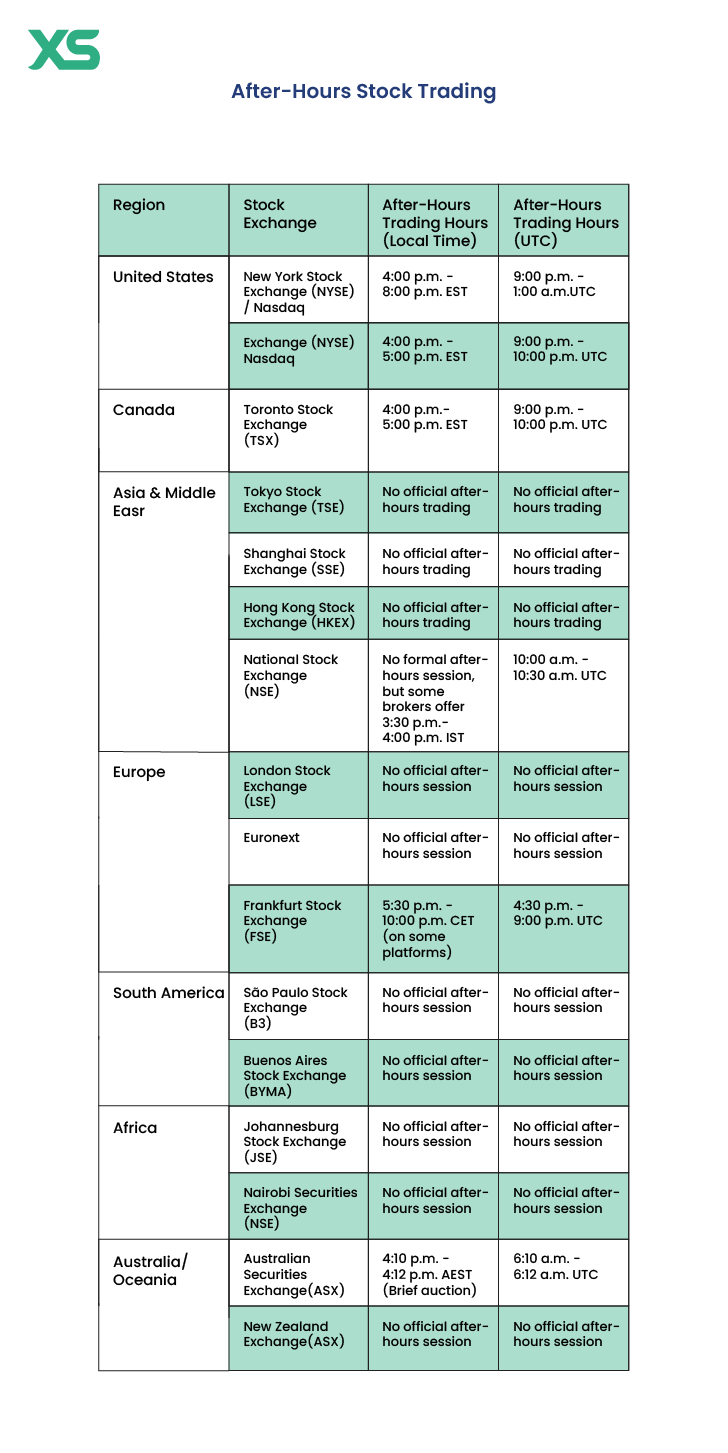
When the closing bell rings at 4:00 PM ET, the “after-hours” session begins, typically running until 8:00 PM ET. This is perhaps the most volatile time for individual stocks, as the vast majority of publicly traded companies release their quarterly earnings reports immediately after the market closes. This prevents “information asymmetry” during regular hours but creates a frenzy in the after-market. Professional investors use this time to adjust positions based on new data, though, like the pre-market, liquidity is significantly lower than during the standard day.
The Significance of the Opening and Closing “Cross”
The first and last minutes of the trading day are not like the rest. The “Opening Cross” and “Closing Cross” are automated processes used by exchanges like the NASDAQ to determine a single, fair price for stocks at the start and end of the day. This process aggregates all the limit orders that accumulated overnight or during the day to find the price that clears the most volume. For institutional investors, the closing cross is vital because many mutual funds and ETFs must price their holdings based on the official closing price of the day.
Why Timing Matters: Volatility, Liquidity, and Economic Releases
In personal finance and professional investing, “when” you trade can be just as important as “what” you trade. The hours of the stock market are governed by the behavior of human participants and automated algorithms, creating predictable patterns of activity.
Market Volatility During the Opening Minutes
The first 30 to 60 minutes after the market opens—often called the “amateur hour” by seasoned pros—is usually the most volatile period. This is when the market “digests” all the news, rumors, and economic data that accumulated since the previous day’s close. Prices may swing wildly as buy and sell orders from around the world collide. Professional traders often wait for this initial “price discovery” phase to settle before committing significant capital to a position.
The “Lunch Hour” Lull and the “Power Hour”
In the U.S. markets, a noticeable dip in volume often occurs between 12:00 PM and 1:30 PM ET. This is the “mid-day lull,” where many institutional traders take breaks and algorithmic activity slows down. Conversely, the “Power Hour”—the final hour of trading from 3:00 PM to 4:00 PM ET—often sees a massive surge in volume. Traders are squaring their positions for the day, and institutional “rebalancing” occurs, often leading to significant price movements that set the tone for the following morning.
The Impact of Scheduled Economic Releases
In the United States, major economic indicators—such as the Consumer Price Index (CPI), Unemployment figures, and GDP growth—are typically released at 8:30 AM ET. Since this is an hour before the NYSE and NASDAQ officially open, the impact is first felt in the futures markets and pre-market trading. An investor who is unaware of these release times might find themselves caught in a market-wide “gap” (where a stock price jumps significantly from its previous close) before they even have a chance to log into their brokerage account.
Strategic Considerations for Different Types of Investors
The opening times of the stock market dictate the rhythm of different investment strategies. Your approach to these hours should be aligned with your overall financial goals and risk tolerance.
Day Traders vs. Long-Term Investors
For a day trader, the hours of 9:30 AM to 10:30 AM and 3:00 PM to 4:00 PM are the “golden zones” where volatility provides the greatest opportunity for profit. Their goal is to capture small price movements within a single session. On the other hand, long-term “buy and hold” investors may find it counterproductive to watch the opening bell. For those focused on a 10- or 20-year horizon, the intraday fluctuations caused by a 9:30 AM opening are mere “noise.” Many long-term investors prefer to execute trades mid-day when spreads are tighter and volatility is lower.
Managing Global Portfolios Across Time Zones
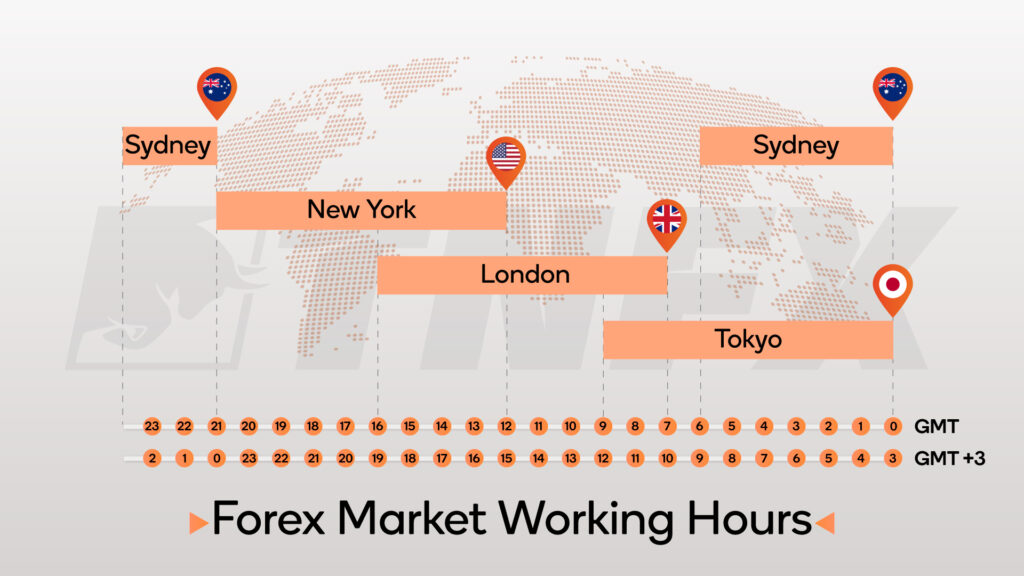
For the sophisticated investor diversifying into international stocks, the clock is a constant challenge. If you live in New York and want to trade on the Tokyo Stock Exchange, you must be prepared for “night shift” investing, as the market opens at 8:00 PM ET. This requires a deep understanding of currency fluctuations (the Forex market), which operates 24/5. When you trade in foreign markets, you are not just betting on a company; you are betting on the timing of that country’s economic cycle and the strength of its currency relative to your own.
Utilizing Automation and Limit Orders
Because the market is only “open” for a limited time, but news happens 24/7, savvy investors use financial tools to manage their risk. “Limit orders” allow you to set a price at which you are willing to buy or sell, which will execute automatically when the market opens, regardless of whether you are watching. Similarly, “stop-loss” orders provide a safety net, ensuring that if a market opens significantly lower due to bad news, your position is liquidated to prevent further loss.
Conclusion
The stock market is more than a list of tickers and prices; it is a living entity defined by time. Knowing what time the stock market opens is the fundamental baseline for any financial endeavor. From the 9:30 AM opening bell in New York to the closing auctions in London and the midday breaks in Tokyo, these hours provide the structure within which global wealth is redistributed.
By understanding the nuances of pre-market sessions, the volatility of the opening hour, and the strategic importance of the closing cross, investors can move away from reactive trading and toward a proactive, disciplined strategy. Whether you are navigating the “Power Hour” or setting limit orders for an overseas exchange, remember that in the world of money, time is not just money—time is the very framework of opportunity. Stay informed, stay disciplined, and always keep an eye on the clock.
aViewFromTheCave is a participant in the Amazon Services LLC Associates Program, an affiliate advertising program designed to provide a means for sites to earn advertising fees by advertising and linking to Amazon.com. Amazon, the Amazon logo, AmazonSupply, and the AmazonSupply logo are trademarks of Amazon.com, Inc. or its affiliates. As an Amazon Associate we earn affiliate commissions from qualifying purchases.