
For decades, the global narrative of the technology industry was anchored firmly in the West. Silicon Valley was the undisputed epicenter of innovation, the birthplace of the semiconductor, and the home of the “move fast and break things” ethos. However, over the last few years, a profound shift has occurred. If you ask industry insiders “what happened in NY,” the answer isn’t about a single event, but rather the metamorphosis of New York City into a premier global tech hub.
The rise of “Silicon Alley” from a niche cluster of dot-com startups into a powerhouse of Artificial Intelligence, Fintech, and Enterprise Software represents one of the most significant geographic shifts in the digital age. This transformation was driven by a unique confluence of talent, infrastructure, and the physical presence of tech giants that have fundamentally altered the city’s economic DNA.

The AI Renaissance in the Big Apple
While the San Francisco Bay Area remains a leader in foundational AI research, New York City has positioned itself as the capital of AI application and implementation. The city’s unique industry diversity—spanning media, healthcare, law, and finance—provides a fertile testing ground for AI tools that require deep domain expertise.
From Finance to Neural Networks
In the past, the brightest minds in mathematics and computer science headed to New York to build high-frequency trading algorithms for Wall Street. Today, that talent is pivoting toward Generative AI and Large Language Models (LLMs). What happened in NY was a massive reallocation of cognitive capital. Data scientists are no longer just optimizing portfolios; they are building AI-driven diagnostic tools for the city’s world-class hospitals and predictive analytics for global media conglomerates. This transition from “pure finance” to “AI-driven solutions” has stabilized the city’s tech ecosystem, making it less vulnerable to the volatility of any single sector.
The Role of Academic Partnerships
The evolution of NYC tech cannot be discussed without mentioning the impact of academic investment. The establishment of Cornell Tech on Roosevelt Island and the expansion of NYU’s Tandon School of Engineering have acted as catalysts. These institutions have created a pipeline of specialized talent tailored for the New York market. Unlike the generalist approach often seen in other regions, New York’s tech education focus is heavily weighted toward “Applied Sciences.” This means students are working on real-world software problems in partnership with local industry leaders before they even graduate.
The Infrastructure of Innovation: NYC’s Digital Shift
The physical footprint of New York City has changed to accommodate its new status as a tech mecca. What happened in NY was an architectural and digital infrastructure overhaul that transformed neighborhoods like Chelsea, Hudson Square, and Long Island City into high-tech corridors.
The Expansion of Tech Giants
The “Big Five” (Google, Amazon, Meta, Apple, and Microsoft) have significantly increased their presence in Manhattan. Google’s multi-billion dollar investment in its St. John’s Terminal campus and Meta’s expansive offices at Farley Post Office are not just real estate plays; they are strategic anchors. These campuses serve as magnets for secondary software companies and startups that want to be within the “gravity” of these tech giants. This density creates a “watercooler effect” where ideas are exchanged rapidly across different firms, accelerating the pace of software development and adoption within the city limits.
Connectivity and 5G Infrastructure
A tech hub is only as strong as its connectivity. New York has made massive strides in its digital infrastructure, specifically regarding 5G rollout and public Wi-Fi initiatives like LinkNYC. For software developers and remote-first tech companies, this infrastructure provides the backbone necessary for high-bandwidth operations. The city’s push for “Smart City” technology—using sensors and IoT (Internet of Things) to manage everything from traffic flow to waste management—has turned the five boroughs into a living laboratory for urban tech startups.
Fintech and the Modernization of Wall Street
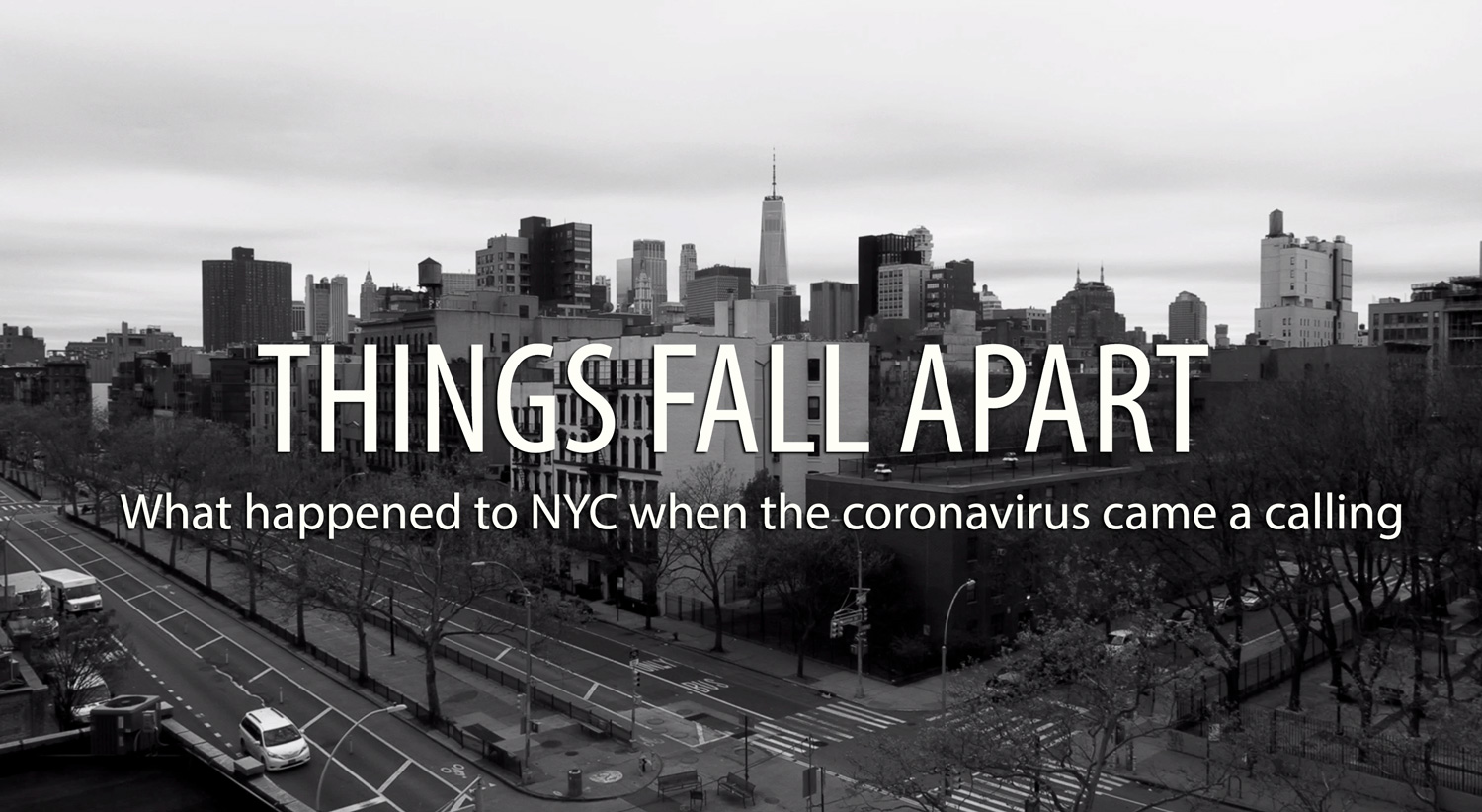
If Silicon Valley invented the “Fin,” New York perfected the “Tech.” The integration of software into the world’s most powerful financial institutions is perhaps the most lucrative development in the city’s recent history.
Blockchain Integration in Traditional Banking
For a time, the crypto world and traditional finance (TradFi) were at odds. However, what happened in NY was a pragmatic merger. Major banks headquartered in New York are now some of the biggest investors in blockchain-based settlement systems and digital asset custody software. The focus here isn’t on the speculative nature of tokens, but on the underlying distributed ledger technology (DLT) that can make global transactions faster and more secure. The software being developed in New York today is focused on high-stakes reliability and regulatory compliance, distinguishing it from the “wild west” tech found in other regions.
Cybersecurity and Data Protection in the Financial Hub
As the world’s financial nerve center, New York is a primary target for cyber threats. This has necessitated the growth of a world-leading digital security sector. NYC-based cybersecurity firms are at the forefront of developing AI-driven threat detection and zero-trust architecture. These companies are moving beyond simple antivirus software; they are building complex defensive ecosystems that protect global data flows. For tech professionals, New York offers a unique niche where software development meets national security and global economic stability.
The Startup Ecosystem: Nurturing the Next Unicorns
The myth that you have to be in California to build a billion-dollar company has been thoroughly debunked by the New York startup scene. The city now boasts more “unicorns” (startups valued at over $1 billion) than almost any other city in the world.
Venture Capital Trends in New York
The flow of capital has shifted. While venture capital (VC) funding saw a global cooldown recently, New York’s tech scene remained remarkably resilient. This is largely due to the “B2B” (Business-to-Business) focus of NY startups. Unlike “B2C” (Business-to-Consumer) apps that rely on viral growth and massive marketing spends, NY tech companies often build essential enterprise software that other businesses need to function. This makes them a safer bet for investors during economic uncertainty. The presence of some of the world’s largest VC firms on Park Avenue and in SoHo ensures that a promising startup never has to travel far to secure a Series A or B round.
Tech for Good: Sustainability and Urban Tech
A rising trend in the New York tech scene is “Climate Tech.” With New York State’s aggressive climate goals, a new generation of startups is emerging to tackle carbon capture, building energy efficiency, and renewable energy software. These companies are utilizing the city’s complex building codes and massive energy grid as a roadmap for solving urban sustainability issues worldwide. This “Urban Tech” niche is uniquely New York, as it requires a deep understanding of high-density living and complex municipal systems—expertise that simply doesn’t exist in suburban tech campuses.

The Future of the “Silicon Alley” Identity
As we look at what happened in NY, it becomes clear that the city has moved past its “alternative to Silicon Valley” phase. New York is now a primary destination in its own right, offering a lifestyle and a professional ecosystem that the West Coast cannot replicate.
The future of tech in New York is characterized by a “hybrid” model. While many cities struggled with the transition to remote work, New York’s tech sector leaned into it by creating “third spaces”—coworking hubs, innovation labs, and tech-focused social clubs. The city understands that software is written by people, and people want to be in vibrant, culturally rich environments.
Furthermore, the “democratization of tech” in New York is an ongoing project. Programs aimed at increasing diversity in the tech workforce are more prevalent here than in almost any other tech hub. By tapping into the city’s diverse population, NYC is ensuring that the software and AI of the future are built by a representative group of creators, reducing bias and increasing the global appeal of NY-made products.
In conclusion, “what happened in NY” was a decade-long maturation. The city didn’t just add a tech sector; it became a tech-driven organism. From the AI labs of Midtown to the fintech startups of the Financial District and the green-tech innovators in Brooklyn, New York has proven that it is the world’s most adaptable city. For anyone looking to understand where technology is going, they no longer need to look West; they simply need to look at the skyline of New York. The tools, the security, and the software being built here today will undoubtedly define the global economy of tomorrow.
aViewFromTheCave is a participant in the Amazon Services LLC Associates Program, an affiliate advertising program designed to provide a means for sites to earn advertising fees by advertising and linking to Amazon.com. Amazon, the Amazon logo, AmazonSupply, and the AmazonSupply logo are trademarks of Amazon.com, Inc. or its affiliates. As an Amazon Associate we earn affiliate commissions from qualifying purchases.