
In the world of finance, timing is often as critical as the assets themselves. For investors and traders alike, the question “what time does the market open today?” is the starting point for daily strategy. While the short answer for major U.S. exchanges is 9:30 AM Eastern Time (ET), the reality of modern financial markets is far more complex. Understanding the nuances of trading sessions, extended hours, and global market synchronization is essential for anyone looking to navigate the volatile waters of personal finance and institutional investing.
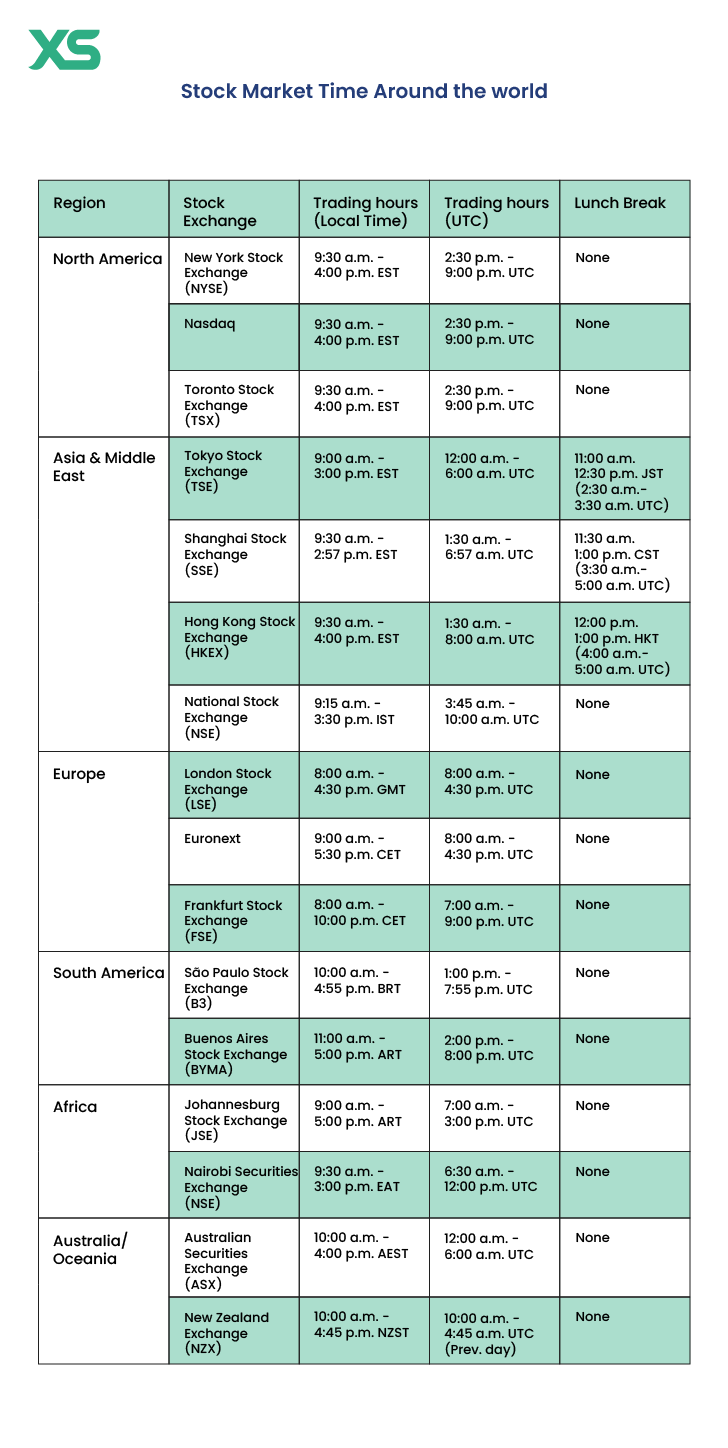
Understanding Standard Operating Hours: The NYSE and NASDAQ
The backbone of American equity trading is formed by the New York Stock Exchange (NYSE) and the NASDAQ. Both exchanges follow a standardized schedule designed to concentrate liquidity and provide a stable environment for price discovery.
The Core Trading Session
The primary trading session for the U.S. stock market runs from 9:30 AM to 4:00 PM ET, Monday through Friday. This 6.5-hour window represents the period of highest liquidity, where the majority of retail and institutional volume occurs. During these hours, market makers are required to maintain fair and orderly markets, and bid-ask spreads are typically at their narrowest. For the average individual investor, this is the safest and most efficient time to execute trades.
The Significance of the Opening Bell
The 9:30 AM opening is not merely a chronological marker; it is a mechanical process known as the “opening auction.” Before the bell rings, buy and sell orders accumulate. The exchange then runs a complex algorithm to find the price that will satisfy the greatest number of orders, effectively “clearing” the accumulated interest from the overnight period. This process can lead to significant price gaps—where a stock opens much higher or lower than it closed the previous day—based on news, earnings reports, or global economic shifts that occurred while the U.S. market was asleep.
The Closing Auction and the “Power Hour”
Equally important to the opening is the close at 4:00 PM ET. The final hour of trading, often referred to as the “Power Hour,” frequently sees a surge in volume as institutional investors rebalance portfolios and day traders close out their positions. The closing auction determines the official “closing price” for the day, which is the benchmark used by mutual funds to calculate their Net Asset Value (NAV) and by technical analysts to determine trend lines.
Beyond the 9:30 to 4:00 Window: Extended Hours Trading
While the core session is the main event, the digital nature of modern finance allows for trading to occur long before the opening bell and well after the closing gong. These periods are known as extended-hours trading, consisting of pre-market and after-hours sessions.
Pre-Market Trading Mechanics
In the United States, pre-market trading generally begins as early as 4:00 AM ET and runs until the official open at 9:30 AM. However, most retail brokerages only provide access to pre-market trading starting at 7:00 AM or 8:00 AM ET. This session is primarily driven by reactions to early morning economic data releases (such as the Consumer Price Index or employment reports) and international market performance.
After-Hours Trading Risks and Rewards
The after-hours session begins immediately at 4:00 PM ET and can run until 8:00 PM ET. This is the period when most publicly traded companies release their quarterly earnings reports. Because companies want to give the market time to digest financial results without the immediate chaos of the core session, these reports often trigger massive price swings between 4:01 PM and 5:00 PM.
Trading during extended hours carries significant risks that every investor must consider:
-
Lower Liquidity: There are fewer participants, meaning it can be harder to buy or sell shares without significantly moving the price.
-
Wider Spreads: Because there is less volume, the difference between the bid and ask price is often much larger than during the day.
-
Price Volatility: Small trades can cause large percentage moves in a stock’s price.
-
Limit Orders Only: Most brokers require the use of limit orders during extended hours to protect investors from executing at unfavorable prices.
Global Market Synchronicities: When International Exchanges Open
The U.S. market does not exist in a vacuum. It is part of a global relay race where money flows from one time zone to the next. Understanding when international markets open and close provides a clearer picture of why the U.S. market might open with a specific bias.
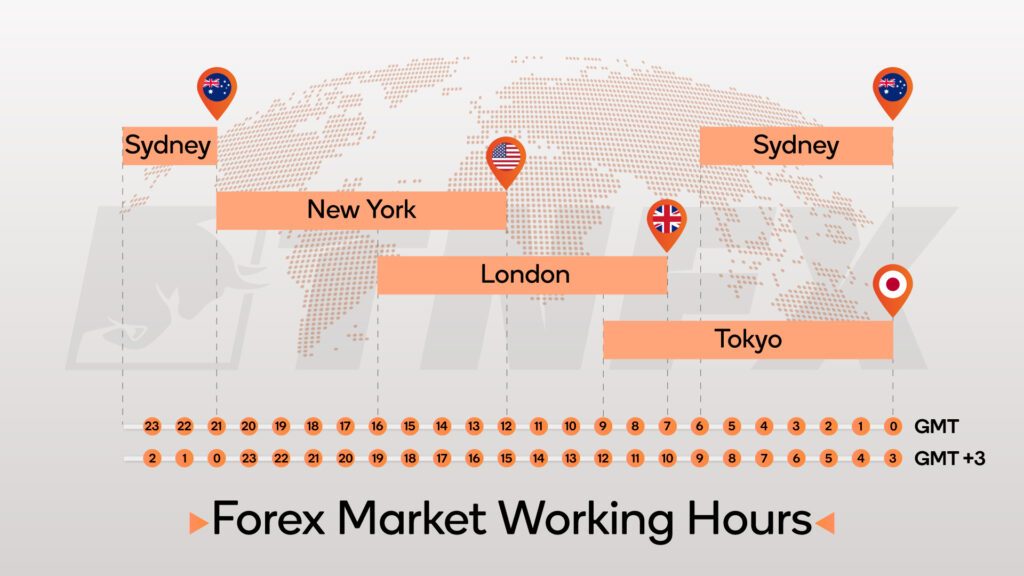
The European Markets (LSE and Euronext)
The London Stock Exchange (LSE) and other major European markets like the Frankfurt DAX usually open at 3:00 AM ET. For U.S. traders, the “overlap” period between 9:30 AM and 11:30 AM ET (when both the U.S. and European markets are open) is often the most volatile and liquid part of the day. Global macroeconomic trends are frequently solidified during this two-hour window.
Asian Markets and the “Night Shift”
The Tokyo Stock Exchange (TSE), Hong Kong’s Hang Seng, and the Shanghai Composite operate while it is nighttime in the United States. The Tokyo market opens at 7:00 PM or 8:00 PM ET (depending on daylight savings). Movements in these markets often set the tone for the U.S. pre-market session. For instance, if tech stocks in Hong Kong experience a sell-off, it is highly likely that U.S. tech futures will be trading lower by 4:00 AM ET.
The Role of Futures Markets
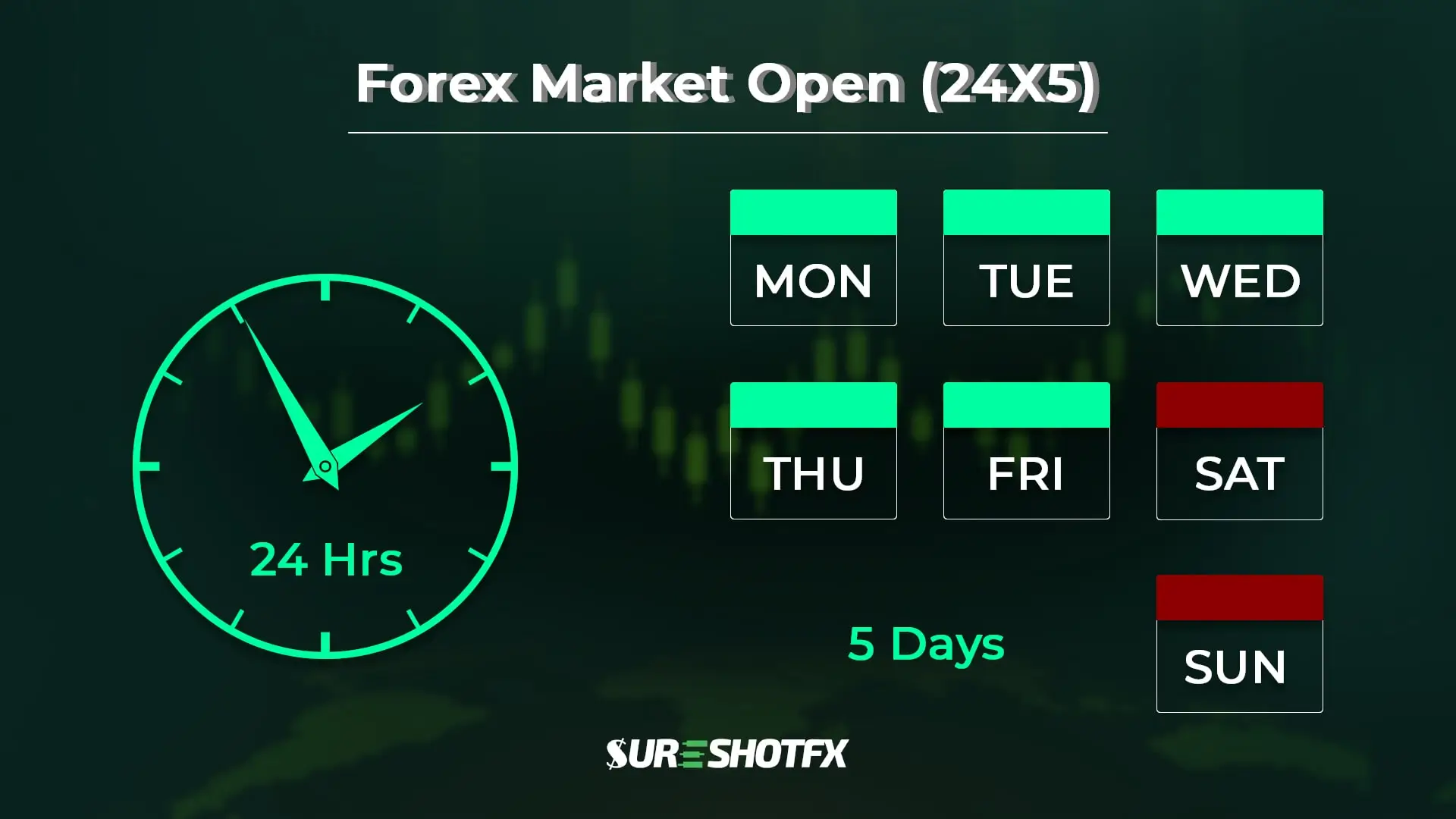
Unlike individual stocks, equity futures (such as S&P 500 E-mini futures) trade nearly 24 hours a day, five days a week. They begin trading on Sunday at 6:00 PM ET and remain active until Friday afternoon, with only brief daily pauses. Watching futures is the best way to determine “what time the market opens” in terms of sentiment before the physical exchange floor (or its digital equivalent) actually starts moving.
Market Holidays and Early Closures
Even when the clock says it’s time to trade, the calendar might say otherwise. The U.S. stock market observes several federal holidays, and knowing these dates is vital for financial planning and avoiding “failed” order entries.
Standard US Market Holidays
The NYSE and NASDAQ are closed on the following holidays:
-
New Year’s Day
-
Martin Luther King, Jr. Day
-
Washington’s Birthday (Presidents’ Day)
-
Good Friday
-
Memorial Day
-
Juneteenth National Independence Day
-
Independence Day
-
Labor Day
-
Thanksgiving Day
-
Christmas Day
If a holiday falls on a Saturday, the market usually closes on the preceding Friday. If it falls on a Sunday, the market closes on the following Monday.
Half-Day Sessions and What to Expect
There are specific days when the market opens as usual at 9:30 AM but closes early at 1:00 PM ET. These typically occur on the day after Thanksgiving (Black Friday) and occasionally on Christmas Eve or July 3rd, depending on how those dates fall in the week. These half-day sessions are notorious for “thin” trading volume. While price moves can be erratic, most institutional desks are minimally staffed, leading to a “wait and see” atmosphere.
Strategic Timing: When is the Best Time to Trade?
Knowing the opening time is the first step, but understanding the character of different time slots throughout the day is what separates successful investors from the rest. The market’s behavior changes as the day progresses, influenced by human psychology and algorithmic programming.
The “Golden Hours” of Volatility
The first 30 to 90 minutes after the 9:30 AM open are widely considered the most opportunistic—and dangerous—time to trade. This is when the market reacts to all the news that accumulated overnight. Volatility is high, which provides the price movement necessary for day traders to make a profit. However, for long-term investors, waiting until 10:30 AM or 11:00 AM can often result in a more stable entry price once the initial “noise” of the open has settled.
The Mid-Day Slump
From approximately 12:00 PM to 2:00 PM ET, the market often enters a “lunchtime lull.” Volume tends to dry up as floor traders and institutional managers take breaks. Prices may drift sideways or “chop” within a narrow range. This is generally the worst time to initiate new positions, as the lack of volume can lead to “fake-outs,” where a stock appears to be breaking out of a pattern only to reverse once the afternoon volume returns.
The Institutional Close
The final hour, from 3:00 PM to 4:00 PM ET, is when the “smart money” often makes its moves. Many institutional funds are mandated to execute their trades as close to the closing price as possible. This leads to a spike in volume and often a definitive trend for the day. If the market has been rallying all day and continues to move higher during the final hour, it is often seen as a sign of “bullish conviction” heading into the next day. Conversely, a late-day sell-off can signal trouble ahead.
By mastering the clock, investors can better manage their risk. Whether you are checking the time to see when your favorite tech stock starts trading or planning a long-term entry into an index fund, remember that the market’s schedule is the framework upon which all financial strategies are built. Being aware of the opening bell, the extended hours, and the global interconnectedness of exchanges ensures that you are never caught off guard by the rhythm of the financial world.
aViewFromTheCave is a participant in the Amazon Services LLC Associates Program, an affiliate advertising program designed to provide a means for sites to earn advertising fees by advertising and linking to Amazon.com. Amazon, the Amazon logo, AmazonSupply, and the AmazonSupply logo are trademarks of Amazon.com, Inc. or its affiliates. As an Amazon Associate we earn affiliate commissions from qualifying purchases.