
For investors, traders, and anyone engaged with financial markets, knowing the precise closing times of various exchanges isn’t merely a matter of curiosity – it’s a fundamental aspect of strategy, risk management, and opportunity identification. The rhythm of the market, dictated by its opening and closing bells, sets the boundaries for trading activity, impacting everything from liquidity and volatility to the execution of complex strategies. While the question “what time does the market close today?” seems straightforward, the answer is often nuanced, varying across asset classes, geographies, and specific circumstances. Understanding these intricacies is paramount for making informed financial decisions, ensuring you’re always aligned with the pulse of global finance.
The financial landscape is a sprawling network of interconnected exchanges, each with its own operational calendar and clock. From the bustling floors of major stock exchanges to the 24/7 digital realm of cryptocurrencies, the concept of “market close” takes on different meanings. This comprehensive guide will demystify market closing times, offering clarity on standard hours, outlining critical exceptions, exploring strategic implications, and equipping you with the tools to stay informed. By delving into these details, we aim to empower you to navigate the complexities of trading hours with confidence, transforming what might seem like a simple question into a powerful element of your financial toolkit.
Understanding Standard Market Operating Hours
The concept of “market close” is most readily associated with traditional stock exchanges, but its application extends across various financial instruments, each with its own unique schedule. Recognizing these standard operating hours is the first step in effectively planning your trading and investment activities.
Major U.S. Stock Exchanges: NYSE and NASDAQ
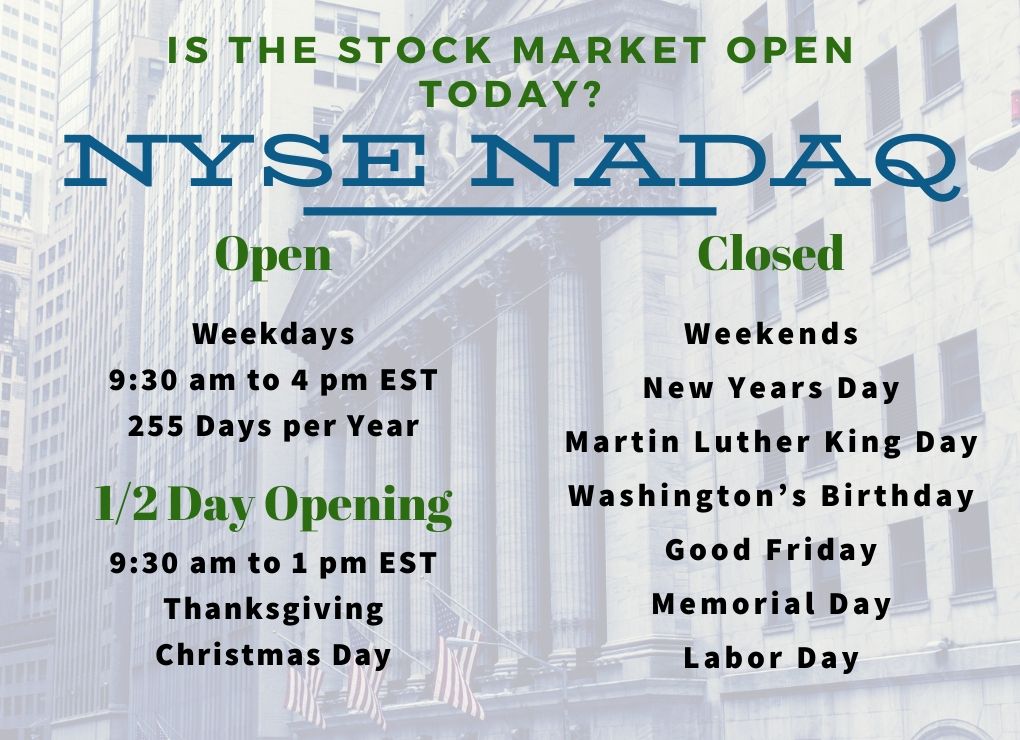
In the United States, the two most prominent stock exchanges, the New York Stock Exchange (NYSE) and the NASDAQ, share the same standard trading hours. For most trading days, these exchanges open at 9:30 AM Eastern Time (ET) and close at 4:00 PM ET. This 6.5-hour window is often referred to as “regular trading hours.” During this period, the vast majority of stock transactions occur, characterized by deep liquidity and typically tighter bid-ask spreads. It’s crucial to remember that these times are based on Eastern Time, so investors in other time zones must adjust accordingly. For instance, a trader on the West Coast (Pacific Time) would see the market open at 6:30 AM PT and close at 1:00 PM PT. This consistent schedule forms the backbone of daily stock market operations, providing a reliable framework for daily financial news and economic reports.
Fixed Income Markets: Bonds and Treasury Securities
While equities capture much of the public’s attention, the fixed income market, comprising bonds and other debt securities, operates on a slightly different schedule. The U.S. bond market, which includes Treasury bonds, corporate bonds, and municipal bonds, generally opens earlier and closes earlier than the stock market. Standard trading hours for bonds typically run from 8:00 AM ET to 5:00 PM ET. However, the most active and liquid period, often referred to as “core trading hours,” is usually between 9:30 AM ET and 3:00 PM ET, coinciding with a significant portion of the equity market’s operations. This extended window allows for broader participation, though the primary focus on the major news releases and economic data often drives the most significant movements during the equity market overlap. Understanding these hours is particularly important for institutional investors, pension funds, and individuals managing diversified portfolios that include significant bond holdings.
Commodities and Futures Trading Hours
Commodity markets, which include everything from crude oil and natural gas to gold, silver, corn, and live cattle, operate through futures exchanges like the Chicago Mercantile Exchange (CME) Group. Unlike stock exchanges, commodity futures often have much longer, sometimes nearly 24-hour, trading sessions, broken up by very brief daily closures for maintenance and processing. For example, crude oil (WTI) futures on the NYMEX (part of CME Group) typically trade from Sunday evening through Friday afternoon, with a brief daily break. Gold futures on COMEX (also CME Group) follow a similar pattern, trading for almost 23 hours a day, five days a week. The exact closing time for a specific contract will depend on the commodity and the exchange, often with a “rollover” period where the active contract changes. This extended trading window reflects the global nature of commodity supply and demand, allowing participants from different time zones to engage.
Forex and Cryptocurrency: The 24/7 Landscape (with nuances)
The foreign exchange (Forex) market stands out for its truly global and decentralized nature, operating 24 hours a day, five days a week. There is no single “market close” as transactions continuously flow from one major financial center to another – Sydney, Tokyo, London, and New York. When one market closes, another is opening, ensuring continuous liquidity. The Forex market typically “closes” for retail traders over the weekend, from Friday evening (around 5:00 PM ET) until Sunday evening (around 5:00 PM ET), resuming with the opening of the Asian session.
Cryptocurrency markets take this 24/7 concept even further. Operating on decentralized networks and digital exchanges, cryptocurrencies like Bitcoin and Ethereum trade literally 24 hours a day, 7 days a week, 365 days a year, with no holidays or traditional closing times. This continuous operation is a defining characteristic of the crypto space, driven by its global, borderless nature. The only “closures” might be brief maintenance periods on specific exchanges, which are usually announced in advance and do not affect the underlying blockchain’s operation. This constant activity presents both unique opportunities and challenges for traders, as market movements can occur at any hour.
Navigating Exceptions and Special Situations
While standard trading hours provide a baseline, financial markets are dynamic and subject to various exceptions. These deviations from the norm are crucial to understand, as they can significantly impact trading strategies, liquidity, and risk exposure.
Public Holidays and Early Closures
One of the most common reasons for altered market hours is public holidays. In the U.S., both stock and bond markets observe federal holidays such as New Year’s Day, Martin Luther King, Jr. Day, Presidents’ Day, Good Friday, Memorial Day, Juneteenth, Independence Day, Labor Day, Thanksgiving Day, and Christmas Day. On these days, the markets are typically closed entirely.
Beyond full closures, exchanges often have early closures on days preceding or following a major holiday, or sometimes on specific dates like the day after Thanksgiving (Black Friday). For instance, on days like Christmas Eve or the day after Thanksgiving, the U.S. stock market might close at 1:00 PM ET instead of 4:00 PM ET. Bond markets may also have early closes on these days, often at 2:00 PM ET. These early closures mean a shorter trading day, which can lead to reduced liquidity and increased volatility in the abbreviated session, as participants adjust their positions before a longer break. Investors must consult exchange calendars or their brokerage platforms well in advance to prepare for these altered schedules.
Impact of Time Zone Differences on Global Markets
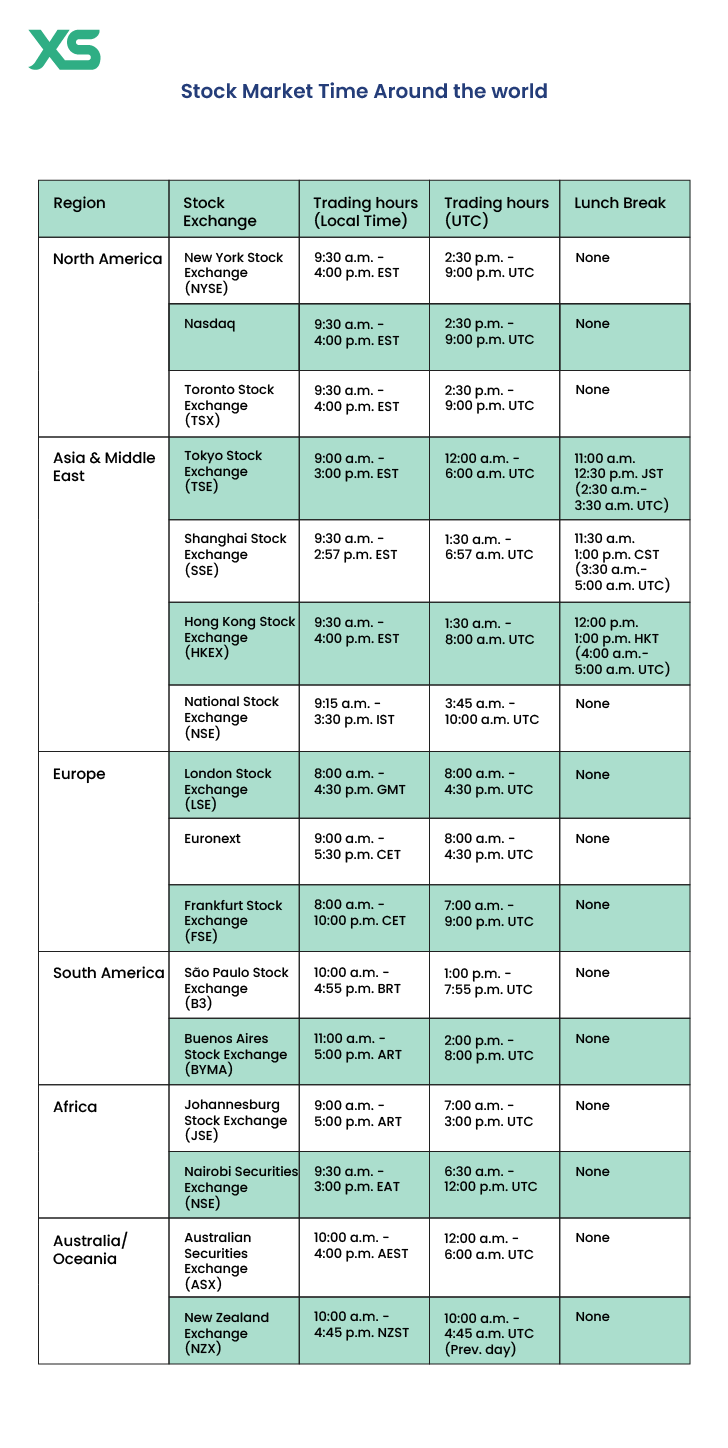
For internationally diversified investors or those interested in global macro trends, understanding the opening and closing times of exchanges around the world, and how they relate to your local time zone, is indispensable. As mentioned, the Forex market leverages these differences to operate continuously. Major exchanges like the London Stock Exchange (LSE), Tokyo Stock Exchange (TSE), and Shanghai Stock Exchange (SSE) each have their own local trading hours. For example:
- London Stock Exchange: 8:00 AM to 4:30 PM GMT (Greenwich Mean Time)
- Tokyo Stock Exchange: 9:00 AM to 11:30 AM JST, then 12:30 PM to 3:00 PM JST (Japan Standard Time)
- Shanghai Stock Exchange: 9:30 AM to 11:30 AM CST, then 1:00 PM to 3:00 PM CST (China Standard Time)
The staggered opening and closing of these global markets create overlapping trading windows, particularly between European and North American sessions, which often see higher liquidity and increased trading activity. Keeping track of these overlaps and closures is vital for traders pursuing international strategies or simply monitoring global economic indicators that might impact their domestic investments.
After-Hours and Pre-Market Trading: Expanding the Window
For many investors, the concept of market close applies strictly to “regular trading hours.” However, significant trading activity often occurs outside this window through pre-market and after-hours trading.
- Pre-Market Trading: Typically runs from 4:00 AM ET to 9:30 AM ET.
- After-Hours Trading: Typically runs from 4:00 PM ET to 8:00 PM ET.
These extended hours allow investors to react to news released outside regular trading hours, such as earnings reports, economic data, or breaking geopolitical developments. While offering flexibility, trading in these periods comes with important caveats:
- Lower Liquidity: Fewer participants mean wider bid-ask spreads and potentially more difficulty executing large orders.
- Higher Volatility: A smaller pool of traders can lead to more dramatic price swings on relatively low volume.
- Limited Order Types: Not all order types (e.g., market orders) may be available or advisable in these periods.
Brokerage platforms facilitate pre-market and after-hours trading, but investors must understand the unique risks involved. For active traders, these periods can present opportunities, but for long-term investors, the focus remains primarily on regular trading hours.
The Strategic Importance of Market Closing Times
Beyond mere scheduling, market closing times carry profound strategic implications for investors and traders. They influence everything from risk exposure and liquidity to the types of orders placed and the ultimate success of trading strategies.
Risk Management and Overnight Holding Periods
The moment the market closes, active trading in publicly listed stocks ceases, and positions held are effectively “locked in” until the next open. This creates an overnight holding period, during which investors are exposed to “gap risk.” News, economic data, or unforeseen events that occur while the market is closed can significantly impact stock prices, causing them to “gap up” or “gap down” at the next open. For example, a company releasing surprisingly bad earnings after the close might see its stock drop sharply by the next morning’s open, before any sell orders can be executed.
Effective risk management therefore often involves considering positions held overnight. Day traders typically close all positions before the market closes to avoid overnight risk. Swing traders and long-term investors, however, must factor in potential overnight developments and adjust their position sizes or hedging strategies accordingly. Understanding closing times helps set limits, determine stop-loss placements, and assess overall portfolio exposure to unforeseen weekend or overnight events.
Liquidity Considerations at Market Close
Market liquidity refers to the ease with which an asset can be bought or sold without significantly affecting its price. During regular trading hours, particularly the opening and closing hours, liquidity tends to be highest, meaning there are many buyers and sellers, and bid-ask spreads are tight. However, as the market approaches its close, and especially during the last few minutes, liquidity can become somewhat unpredictable. Some traders might be rushing to close positions, while others might be trying to get orders filled before the bell. This concentration of activity can lead to increased volatility.
Moreover, in after-hours and pre-market sessions, liquidity is significantly lower. This is a critical consideration because lower liquidity means:
- Wider Spreads: The difference between the highest price a buyer is willing to pay (bid) and the lowest price a seller is willing to accept (ask) widens, increasing transaction costs.
- Difficulty in Execution: Large orders may be difficult to fill at desired prices, potentially leading to partial fills or significant price impact.
- Increased Slippage: The actual execution price may differ significantly from the quoted price due to rapid price movements on low volume.
Investors must be mindful of liquidity when placing orders near market close or in extended hours, adjusting their order types (e.g., using limit orders instead of market orders) to mitigate these risks.
End-of-Day Trading Strategies and Order Execution
The final hour, or even the final few minutes, of a trading day often sees a flurry of activity as institutional investors, mutual funds, and large pension funds adjust their portfolios. This period can be characterized by “window dressing” (funds buying or selling stocks to improve their quarterly reports) or significant rebalancing.
Many traders employ specific end-of-day (EOD) trading strategies, aiming to capitalize on these late-session dynamics. This might involve:
- Closing bell buying/selling: Anticipating a final push or pull in price.
- Volume analysis: Looking for significant institutional orders that could signal future price direction.
- Position sizing: Adjusting exposure based on EOD momentum.
Additionally, the timing of order execution is crucial. An order placed just before the market close might be executed at a price different from what was anticipated due to rapid price changes. For this reason, many traders use limit orders (specifying the maximum buy price or minimum sell price) rather than market orders (executing at the best available current price) during volatile closing periods or in low-liquidity extended hours. Understanding when the market closes allows traders to strategically time their entries and exits, aiming for optimal execution and minimizing unexpected price shocks.
Practical Tools and Resources for Tracking Market Hours
Staying abreast of market closing times, especially with varied schedules and exceptions, requires reliable information sources. Fortunately, a wealth of tools and resources is available to help investors and traders remain informed.
Financial News Outlets and Dedicated Market Data Platforms
Major financial news outlets are indispensable resources. Websites like Bloomberg, Reuters, The Wall Street Journal, CNBC, and Yahoo Finance consistently publish market calendars, update articles on holiday closures, and often display real-time market status indicators (open/closed). Their dedicated market data sections are usually the first place to check for current trading hours.
Beyond general news, specialized market data platforms such as TradingView, Finviz, or investing.com provide detailed schedules for various exchanges and asset classes. Many of these platforms offer customizable dashboards where you can monitor the status of multiple markets simultaneously, even across different time zones. They are often the most comprehensive sources for commodity futures and international exchange hours.
Brokerage Platforms and Mobile Apps
Your personal brokerage platform is perhaps the most direct and personalized source of information regarding market hours. Most major brokerages – whether E*TRADE, Charles Schwab, Fidelity, Interactive Brokers, or others – integrate market calendars and status indicators directly into their trading interfaces. They typically send out notifications or display prominent banners on their websites and mobile apps to alert users about upcoming holiday closures, early closes, or changes in extended-hours trading availability.
Brokerage mobile apps, in particular, offer convenience. With push notifications, you can receive real-time alerts about market openings, closings, and any unexpected interruptions, ensuring you’re informed even when away from your desktop. This direct communication channel minimizes the chances of missing crucial trading deadlines or being caught off-guard by an early close.
Setting Up Custom Alerts and Notifications
For active traders and those managing diverse portfolios, proactively setting up custom alerts can be a game-changer. Many financial data platforms and even some advanced brokerage apps allow you to configure alerts for specific market events, including reminders for market opening and closing times. You can often set these alerts to trigger a certain period before the close (e.g., 30 minutes before 4:00 PM ET) to give yourself time to review positions or place final orders.
Furthermore, integrating market calendars with your personal digital calendar (Google Calendar, Outlook Calendar) can provide an additional layer of preparedness. Subscribing to public holiday calendars or creating your own entries for early closures ensures that these critical dates are always on your radar, helping you plan your trading week effectively and avoid costly oversights. Leveraging these technological tools allows for a highly personalized and robust system for tracking market hours.
Beyond Today: Preparing for Future Market Dynamics
While knowing “what time the market closes today” is essential, a truly informed investor extends their foresight to future market dynamics. The financial world is in constant flux, and preparedness for what lies ahead is as crucial as understanding the present.
Staying Informed About Upcoming Market Holidays
Proactive planning for market holidays is a cornerstone of responsible investing. Instead of scrambling on the day, regularly consulting and marking upcoming federal and exchange-specific holidays on your calendar allows you to anticipate full closures and early dismissals well in advance. This foreknowledge provides ample time to adjust trading strategies, manage overnight risk, and plan any necessary portfolio rebalancing without the pressure of a looming deadline. Brokerage firms and financial news sites typically publish holiday schedules months in advance, making it easy to stay organized.
Adapting to Global Market Shifts and Geopolitical Events
The interconnectedness of global markets means that events in one region can significantly impact others, even during their respective closed hours. Geopolitical tensions, major economic announcements from key global players (e.g., central bank decisions), or unforeseen natural disasters can create ripple effects that manifest as gaps or sharp movements at the next market open. Astute investors track global news and analyze potential impacts on their portfolio, recognizing that a “closed” domestic market doesn’t mean a “static” global financial environment. Understanding the opening and closing times of major international exchanges facilitates this global awareness.
Leveraging Technology for Real-Time Market Information
The future of staying informed about market hours and related dynamics lies in the continued evolution of technology. Real-time data feeds, AI-powered news analysis, and sophisticated financial tools are becoming increasingly accessible. Investors should embrace these innovations:
- Advanced Analytics: Use platforms that offer predictive analytics regarding potential liquidity shifts or volatility spikes around market close.
- Automated Alerts: Configure highly specific alerts for changes in market status, major news events impacting your holdings, or even unusual trading volume detected in after-hours.
- Integrated Dashboards: Create comprehensive dashboards that aggregate market status, news feeds, and portfolio performance, providing a holistic view that transcends simple closing times.
By continuously leveraging and adapting to these technological advancements, investors can move beyond merely reacting to market closures to proactively anticipating and strategically navigating the complex, 24/7 realities of the global financial landscape. The question “what time does the market close today?” evolves into a deeper inquiry: “how can I best position myself given the continuous flow of global market activity and the specific windows of opportunity and risk?” Answering this requires ongoing diligence, strategic thinking, and a commitment to staying informed.
aViewFromTheCave is a participant in the Amazon Services LLC Associates Program, an affiliate advertising program designed to provide a means for sites to earn advertising fees by advertising and linking to Amazon.com. Amazon, the Amazon logo, AmazonSupply, and the AmazonSupply logo are trademarks of Amazon.com, Inc. or its affiliates. As an Amazon Associate we earn affiliate commissions from qualifying purchases.