
The precise timing of Suhoor, the pre-dawn meal consumed by Muslims during Ramadan, is a critical aspect of observing the fast. As we look towards Ramadan 2025, technology continues to play an indispensable role in providing accurate, accessible, and personalized prayer schedules, transcending traditional methods of calculation. From sophisticated astronomical algorithms to intelligent mobile applications and emerging AI-driven platforms, the digital landscape offers unprecedented convenience and reliability for millions seeking to observe their spiritual obligations with precision. Understanding the underlying technological frameworks that deliver these crucial timings reveals the depth of innovation dedicated to supporting global Muslim communities.

The Algorithmic Backbone: How Tech Calculates Suhoor Times
At the heart of any digital prayer time application lies a complex set of astronomical algorithms designed to calculate the exact moments of Fajr (dawn), which dictates the beginning of Suhoor. These calculations are not trivial, as they must account for Earth’s rotation, its orbit around the sun, the observer’s precise geographic location, and specific astronomical phenomena.
Astronomical Principles and Geographic Coordinates
The fundamental input for calculating Suhoor times is the observer’s latitude and longitude. Modern smartphones and devices leverage GPS and location services to pinpoint an individual’s exact coordinates, feeding this data into the application’s core engine. The algorithms then factor in the position of the sun relative to the horizon. For Fajr, the key is the position of the sun when its center is at a specific angular depression below the horizon. This angle is not universally fixed but varies based on different schools of thought and regional conventions. Typically, angles range from 18 to 19 degrees, but some methods use variations like 15 or 16 degrees, especially in higher latitudes or regions experiencing prolonged twilight.
The calculations also account for the tilt of the Earth’s axis, the eccentricity of its orbit, and atmospheric refraction, all of which subtly influence the observed sun position. Leap years and the slight variations in day length throughout the year are also meticulously considered to ensure accuracy across any given date, including Ramadan 2025. These intricate computations, once the domain of specialized astronomers and almanacs, are now seamlessly integrated into everyday software, making precise timings instantly accessible.
Jurisprudential Methods and Customization
Beyond pure astronomy, the calculation of Suhoor times is deeply intertwined with Islamic jurisprudence. Different Islamic scholarly bodies and regions have adopted various conventions for determining prayer times, particularly for Fajr and Isha (night prayer). These conventions often relate to the specific angle of the sun below the horizon that defines the start of Fajr. Prominent methods include:
- Muslim World League (MWL): A widely adopted method, especially in Europe and parts of Asia.
- University of Islamic Sciences, Karachi: Popular in Pakistan, India, and other areas.
- Islamic Society of North America (ISNA): Common in the U.S. and Canada.
- Umm al-Qura University, Makkah: Used predominantly in Saudi Arabia.
- Egyptian General Authority of Survey: Prevalent in Egypt and some African countries.
- Tehran University of Geophysics: Used in Iran and neighboring regions.
Modern prayer time applications are designed to accommodate these diverse methodologies. Users can typically select their preferred calculation method, ensuring the displayed Suhoor time aligns with their local scholarly tradition. Some advanced applications even allow for manual adjustments or custom angles, providing an unparalleled level of personalization that respects the nuanced nature of Islamic practice across the globe.
The Digital Ecosystem: Top Apps and Platforms for Ramadan Scheduling
The demand for accurate Suhoor timings has spurred the development of a robust digital ecosystem comprising numerous mobile applications and web platforms. These tools go beyond mere time display, offering a suite of features that enhance the Ramadan experience.
Comprehensive Features Beyond Timings
Leading Islamic apps provide far more than just a countdown to Fajr. Key features often include:
- Prayer Time Reminders: Customizable notifications that alert users before Suhoor ends, ensuring they have ample time to complete their meal.
- Qibla Finder: Integrated compass functionality that points towards the Kaaba in Mecca, aiding in prayer direction.
- Quran Integration: Full digital copies of the Quran with translations, transliterations, and audio recitations.
- Dua (Supplication) Library: A collection of supplications for various occasions, including specific duas for Suhoor and Iftar.
- Mosque Locator: Maps and directories to find nearby mosques, often with community-submitted prayer schedules.
- Islamic Calendar: Integration of the Hijri calendar, allowing users to track important Islamic dates, including the progression of Ramadan 2025.
- Tasbeeh Counter: Digital beads for dhikr (remembrance of God).
- Community Features: Some apps offer social sharing, forums, or content feeds to foster a sense of community during Ramadan.
These features transform a simple time-telling tool into a comprehensive spiritual companion, making the observance of Ramadan 2025 more structured and accessible.
Cross-Platform Accessibility and User Experience
The best applications are designed with cross-platform compatibility, ensuring they are available on both iOS and Android devices, often with companion web versions. User experience (UX) is paramount, with intuitive interfaces, customizable widgets, and offline capabilities. The ability to download prayer schedules for an entire month or year allows users to access times even without an internet connection, a crucial feature for travelers or those in areas with inconsistent connectivity. Responsive design ensures the apps adapt gracefully to various screen sizes and device types, further enhancing accessibility.
Ensuring Accuracy and Reliability in a Connected World
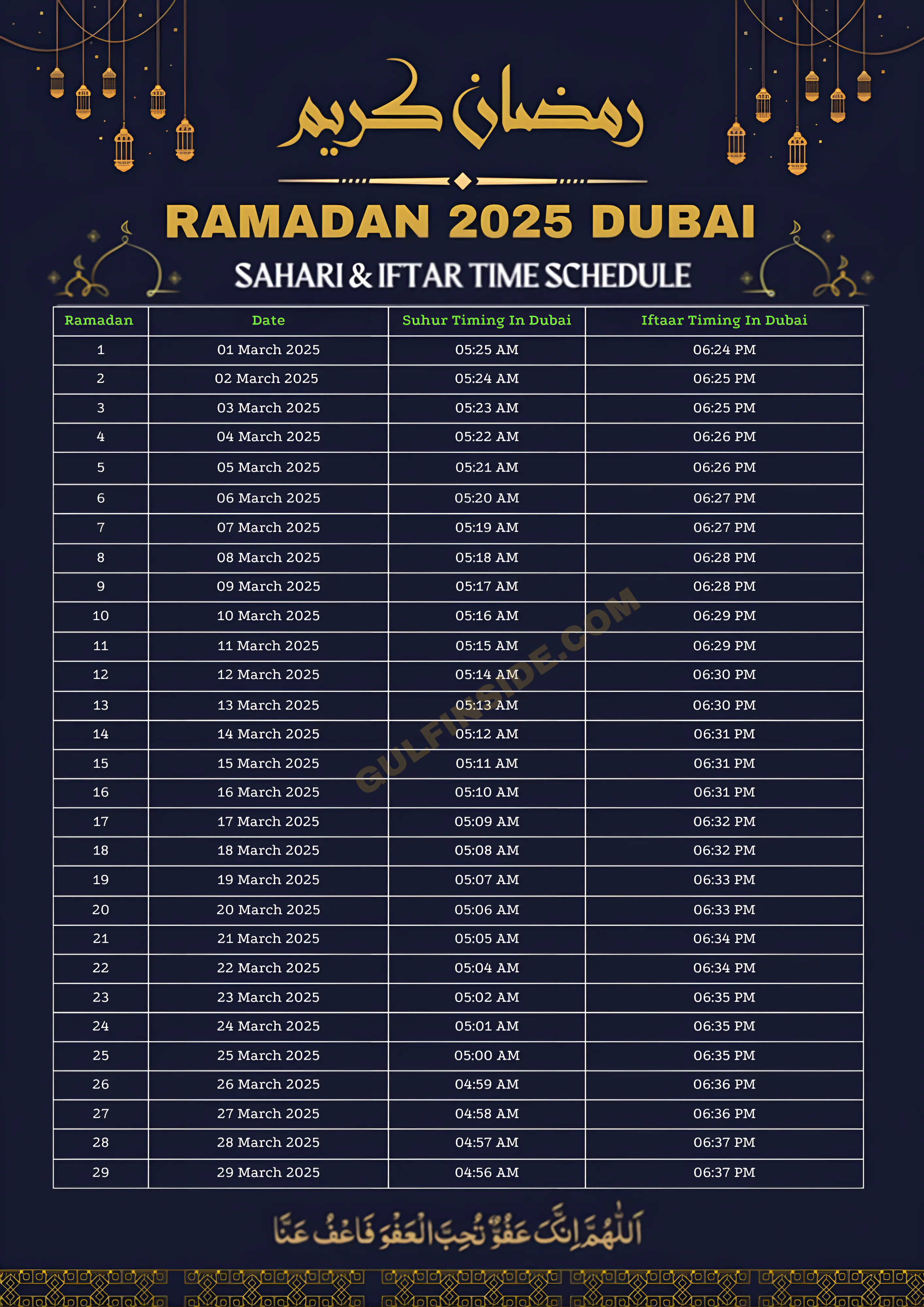
While technology offers immense convenience, ensuring the accuracy and reliability of Suhoor times is paramount. The digital nature of these tools introduces new considerations for data verification and adaptability.
Data Sources and Verification Challenges
The foundation of accurate prayer times lies in precise astronomical data. Reputable applications rely on established astronomical calculations and cross-reference their results with known authoritative sources. However, discrepancies can arise from:
- Minor Algorithmic Differences: Slight variations in the exact coefficients used in the astronomical equations.
- Rounding Errors: Differences in how decimal values are truncated or rounded can lead to a minute or two of variance.
- Jurisprudential Interpretation: As mentioned, different angles for Fajr create varying timings.
- Location Precision: While GPS is generally accurate, small errors in device location can slightly alter calculated times.
To mitigate these challenges, leading app developers often partner with recognized Islamic authorities or consult with local imams and scholars to validate their timings. Transparency about the calculation method used is also crucial, allowing users to understand the basis of the displayed times and choose an app that aligns with their preferred methodology.
Local Customizations and Community Input
Recognizing that no single formula fits all, some advanced applications incorporate mechanisms for local customization. This might include:
- Manual Adjustments: The ability for users to manually adjust prayer times by a few minutes if their local mosque or community follows a slightly different schedule.
- Community-Driven Data: Features that allow users to report discrepancies or submit validated local timings, which can then be reviewed and potentially integrated.
- High-Latitude Adjustments: Special provisions for regions with extremely long or short days, where standard angle-based calculations may become impractical or result in perpetual twilight/daylight. These often use ‘Night Portion’ or ‘Angle-Based’ methods that divide the night into specific portions for Fajr and Isha.
These features underscore the commitment to providing practical and religiously sound timings that cater to the diverse global Muslim population, ensuring Ramadan 2025 can be observed correctly regardless of geographical location.
Future Trends: AI, IoT, and Personalized Prayer Schedules
The evolution of technology promises even more sophisticated solutions for determining and managing Suhoor times in the future. Artificial intelligence (AI) and the Internet of Things (IoT) are poised to introduce greater personalization, automation, and predictive capabilities.
Predictive Analytics for Lunar Calendar Variances
One of the persistent challenges for the Islamic calendar is its reliance on lunar observation, which can lead to slight variations in the start of Ramadan and other months. While astronomical predictions are highly accurate, actual visibility of the crescent moon can vary by location and atmospheric conditions. AI and machine learning models could leverage vast datasets of historical lunar sightings, weather patterns, and astronomical data to provide more refined probabilistic predictions for the start of Ramadan 2025 and subsequent years, offering communities a clearer outlook.
Smart Home Integration and Automated Reminders
The integration of prayer time technology with smart home ecosystems represents a significant leap forward. Imagine smart speakers announcing Suhoor times, smart lighting gently brightening to wake you, or connected kitchen appliances setting reminders for meal preparation. IoT devices, combined with AI-driven personalized schedules, could create an ambient and deeply integrated environment for observing religious duties. Wearable tech could provide discreet haptic feedback reminders, enhancing accessibility without disrupting others. This level of automation and seamless integration could significantly ease the logistical aspects of observing Ramadan 2025.
Beyond Suhoor: The Broader Impact of Tech on Islamic Practice
The technological advancements in calculating and delivering Suhoor times are part of a larger trend of digital transformation within Islamic practice. These tools foster connection, education, and spiritual growth in myriad ways.
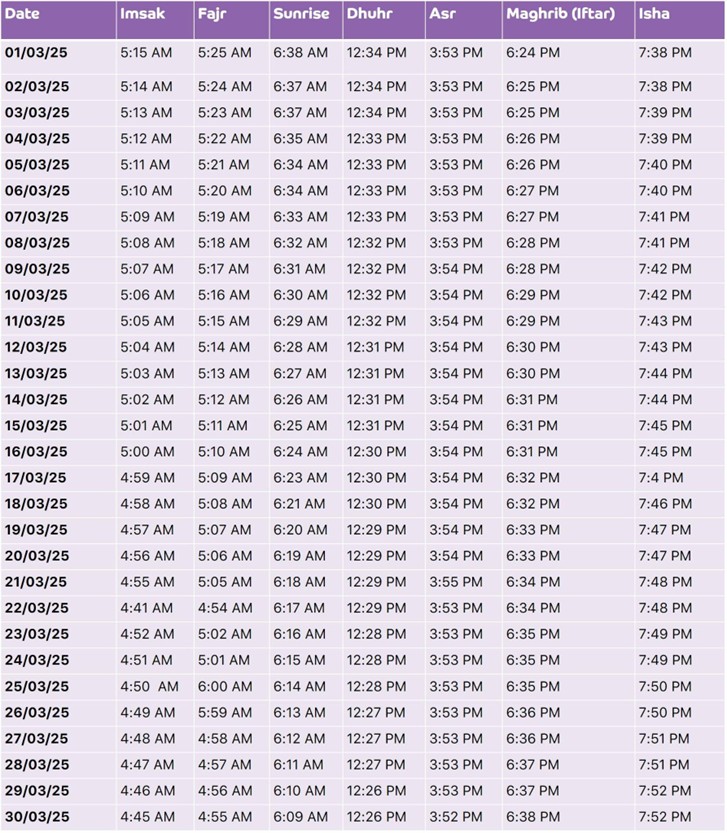
Education, Community, and Spiritual Growth through Digital Tools
Beyond prayer times, tech platforms offer:
- Educational Resources: Access to online Islamic courses, scholarly lectures, and digital libraries of Islamic texts.
- Community Building: Virtual mosques, online forums, and social media groups where Muslims can connect, share experiences, and seek guidance during Ramadan.
- Philanthropy: Easy-to-use platforms for donating Zakat and Sadaqah, often with transparent tracking.
- Health and Wellness: Apps that combine prayer timings with dietary advice, fitness trackers, and mental wellness resources tailored for fasting individuals.
These digital tools not only simplify the practical aspects of religious observance but also create richer, more connected, and more informed experiences for Muslims worldwide. As we approach Ramadan 2025, technology will undoubtedly continue to empower individuals to observe their faith with greater precision, ease, and spiritual engagement.
aViewFromTheCave is a participant in the Amazon Services LLC Associates Program, an affiliate advertising program designed to provide a means for sites to earn advertising fees by advertising and linking to Amazon.com. Amazon, the Amazon logo, AmazonSupply, and the AmazonSupply logo are trademarks of Amazon.com, Inc. or its affiliates. As an Amazon Associate we earn affiliate commissions from qualifying purchases.