
Owning a car is more than just the initial purchase; it’s a commitment to a recurring financial obligation that profoundly impacts your personal finances. For many, car payments represent one of the largest monthly expenses after housing, making effective management crucial for financial stability and progress. Understanding the nuances of your car loan, strategizing for affordability, and diligently managing your payments are not just good practices—they are essential components of sound financial planning. This comprehensive guide will empower you with the knowledge and tools to navigate the world of car payments, transforming a potentially daunting task into a manageable and even advantageous aspect of your financial journey. From deciphering loan terms to implementing advanced payment strategies and addressing potential challenges, we’ll explore how to make car payments intelligently, ensuring your vehicle remains an asset, not a liability.
Laying the Financial Foundation: Understanding Your Car Loan
Before you can effectively manage car payments, it’s imperative to understand the foundational elements of your car loan. This knowledge forms the bedrock of responsible car ownership and empowers you to make informed decisions that impact your financial future. Without a clear grasp of these core components, you’re essentially navigating a complex financial landscape blindfolded.
Deconstructing the Loan: Principal, Interest, Term, and APR
Every car loan is a multi-faceted financial product, and its structure dictates how much you pay, for how long, and ultimately, the total cost of your vehicle.
- Principal: This is the actual amount of money you borrowed to purchase the car, after any down payment or trade-in value has been applied. It’s the core sum that you are obligated to repay. Reducing the principal as quickly as possible is often a key goal for those looking to minimize total interest paid.
- Interest Rate: Expressed as a percentage, the interest rate is the cost of borrowing the principal. It’s the fee the lender charges you for the privilege of using their money. A higher interest rate means a larger portion of your monthly payment goes towards this fee, increasing the overall cost of the loan significantly. This rate is heavily influenced by your credit score and the broader economic environment.
- Loan Term: This refers to the duration over which you agree to repay the loan, typically expressed in months (e.g., 36, 48, 60, 72, or even 84 months). A longer loan term generally results in lower monthly payments, making the car seem more affordable in the short term. However, it also means you pay interest for a longer period, substantially increasing the total amount you repay over the life of the loan. Conversely, a shorter term leads to higher monthly payments but a lower total cost.
- Annual Percentage Rate (APR): The APR is a broader measure of the cost of borrowing money, encompassing not just the interest rate but also any additional fees or charges associated with the loan, such as origination fees or administrative costs. It provides a more comprehensive picture of the true annual cost of your loan, allowing for easier comparison between different lenders. When comparing loan offers, always look at the APR, not just the interest rate.
The Power of Preparation: Down Payments and Credit Scores
Two critical factors can significantly alter the landscape of your car payments even before you sign on the dotted line: your down payment and your credit score.
- Down Payments: A down payment is the initial amount of money you pay upfront for a car, reducing the total amount you need to borrow. The benefits of a substantial down payment are manifold:
- Lower Principal: A larger down payment directly reduces the loan principal, which in turn lowers your monthly payments.
- Reduced Interest Paid: By borrowing less, you accrue less interest over the life of the loan, saving you potentially thousands of dollars.
- Improved Loan-to-Value (LTV) Ratio: A higher down payment means the car’s value is closer to or exceeds the loan amount, making you a less risky borrower to lenders.
- Protection Against Negative Equity: Cars depreciate rapidly. A good down payment creates a buffer, preventing you from owing more on the car than it’s worth, particularly in the early years of ownership. Financial experts often recommend aiming for at least 10-20% of the car’s purchase price as a down payment.
- Credit Scores: Your credit score is a numerical representation of your creditworthiness, reflecting your history of borrowing and repaying debt. Lenders use this score to assess the risk of lending you money.
- Impact on Interest Rates: A higher credit score (typically 700+) signals to lenders that you are a responsible borrower, often qualifying you for the lowest available interest rates. Conversely, a lower credit score can lead to significantly higher interest rates, dramatically increasing your monthly payment and the total cost of the loan.
- Loan Approval: A good credit score also improves your chances of loan approval and gives you access to a wider range of lenders and more favorable loan terms.
- Steps to Improve: Before applying for a car loan, review your credit report for errors, pay down existing debts, and make all payments on time to boost your score.
Smart Shopping: Comparing Lenders and Loan Offers
The days of simply accepting the financing offered by the car dealership are long gone. To secure the best terms and manage your car payments effectively, proactive lender shopping is paramount.
- Pre-Approval Power: Get pre-approved for a loan from your bank or credit union before you even step foot in a dealership. This provides you with an independent offer, a baseline against which to compare any financing offered by the dealership. It also gives you negotiation power, as you can walk away if the dealership can’t beat or match your pre-approved rate.
- Explore Diverse Lenders: Don’t limit yourself to just one type of financial institution.
- Banks: Offer competitive rates, especially for those with excellent credit.
- Credit Unions: Often known for offering lower interest rates and more personalized service due to their member-owned structure.
- Online Lenders: Many reputable online platforms specialize in auto loans and can offer quick approvals and competitive rates, often without the overhead of traditional banks.
- Dealership Financing: While you should always compare, dealership financing can sometimes be competitive, especially if they have special manufacturer incentives (e.g., 0% APR offers for highly qualified buyers). Just ensure you compare their offer directly against your pre-approval, scrutinizing all fees and the APR.
- Scrutinize the Fine Print: Beyond the interest rate and APR, carefully review the loan agreement for any hidden fees, prepayment penalties (though rare for car loans), or unfavorable clauses. Ensure you understand the total cost of the loan, including all charges.
By thoroughly understanding these foundational elements—the loan’s mechanics, the impact of your preparation, and the power of comparison shopping—you establish a robust financial strategy for making car payments intelligently.
Strategic Approaches to Affordability
Managing car payments effectively extends beyond understanding the loan; it involves strategic planning to ensure affordability and minimize the financial burden over time. Proactive strategies can significantly reduce your overall cost of ownership and free up valuable funds for other financial goals.
Budgeting for Your Wheels: The “20/4/10” Rule and Beyond
Integrating a car payment into your budget requires careful consideration to avoid financial strain. A common guideline in personal finance is the “20/4/10” rule, but it’s essential to understand its components and how it fits into your unique financial picture.
- The 20/4/10 Rule:
- 20% Down Payment: Aim for at least 20% of the car’s purchase price as a down payment. As discussed, this reduces your loan principal, lowers monthly payments, and helps prevent negative equity.
- 4-Year Loan Term: Keep your loan term to a maximum of four years (48 months). This minimizes the total interest paid and ensures you build equity faster than the car depreciates, which is crucial for long-term financial health.
- 10% of Gross Income: Your total monthly car expenses (payment, insurance, fuel, maintenance) should not exceed 10% of your gross monthly income. This ensures your car costs remain manageable within your broader budget.
- Beyond the Rule: While a useful guideline, the 20/4/10 rule might not be feasible for everyone.
- Your Personal Budget: Ultimately, the best budget rule is one that works for your specific income, expenses, and financial goals. Use a budgeting app or spreadsheet to itemize all your income and outflows. Determine how much disposable income you genuinely have after covering all essential living expenses and saving for emergencies.
- Total Cost of Ownership: Remember that the car payment is only one component. Factor in insurance (which can vary significantly based on the car model and your demographic), fuel, routine maintenance, and potential repair costs. These can easily add hundreds of dollars to your monthly outlay.
- Opportunity Cost: Consider what else you could do with the money. Is a higher car payment preventing you from saving for a down payment on a house, investing for retirement, or building an emergency fund? Prioritize your broader financial goals.
Optimizing Loan Terms: Balancing Monthly Outlays with Total Cost
Choosing the right loan term is a delicate balancing act. While a longer term offers lower monthly payments, it can be a deceptive trap that costs you more in the long run.
- The Appeal of Long Terms: Lenders often promote longer loan terms (e.g., 72 or 84 months) because they result in lower monthly payments, making more expensive cars seem affordable. This can entice buyers to stretch their budget.
- The Hidden Cost: The downside is a significantly higher total interest paid. Over an extended period, you pay interest on a larger principal for longer. For example, a $30,000 loan at 5% APR for 60 months might cost you around $3,900 in interest, while the same loan for 84 months could accrue over $5,500 in interest, an increase of $1,600 for the convenience of lower monthly payments.
- Depreciation and Negative Equity: With longer terms, it’s easier to find yourself in a position of negative equity, where you owe more on the car than it’s worth. Cars depreciate rapidly, especially in the first few years. If you need to sell or trade in the car before the loan is paid off, you might have to pay the difference out of pocket.
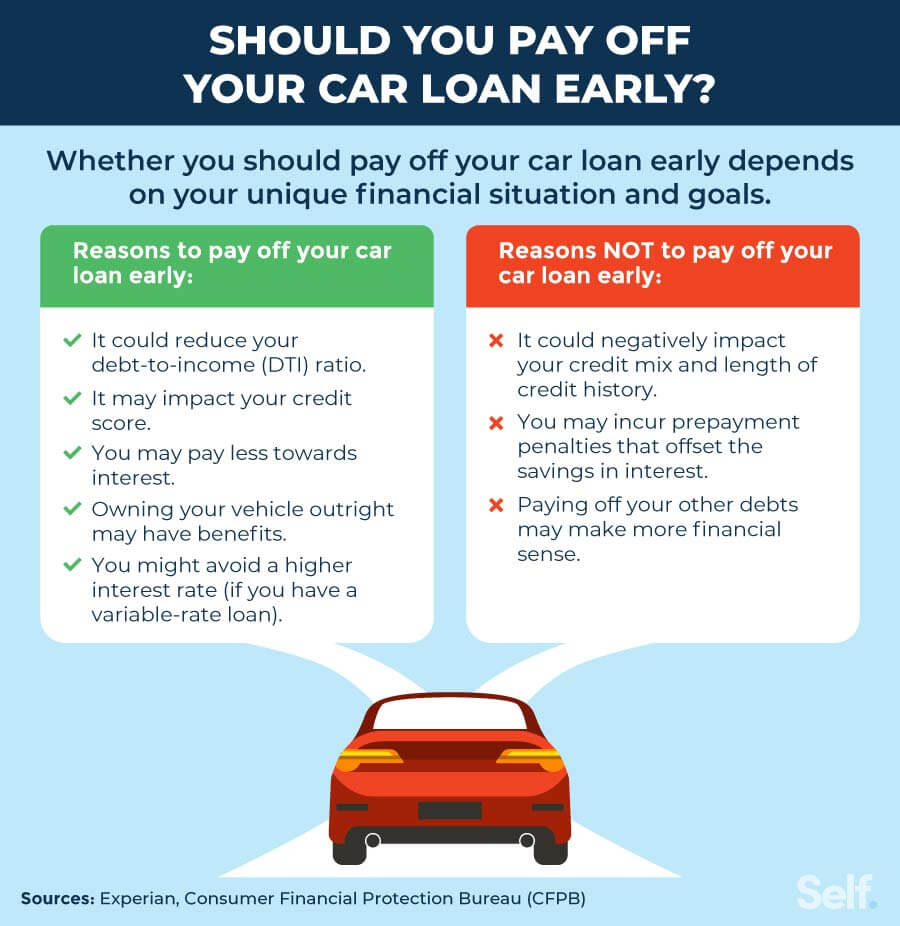
- Finding the Sweet Spot: Aim for the shortest loan term you can comfortably afford, even if it means slightly higher monthly payments. This strategy minimizes interest, builds equity faster, and aligns your car’s value more closely with the outstanding loan balance. Use an online auto loan calculator to compare different terms and see the impact on both monthly payments and total interest.
The Refinancing Advantage: Lowering Payments and Interest
Refinancing your car loan means taking out a new loan to pay off your existing one, typically with more favorable terms. This can be a powerful tool for optimizing your car payments.
- When to Consider Refinancing:
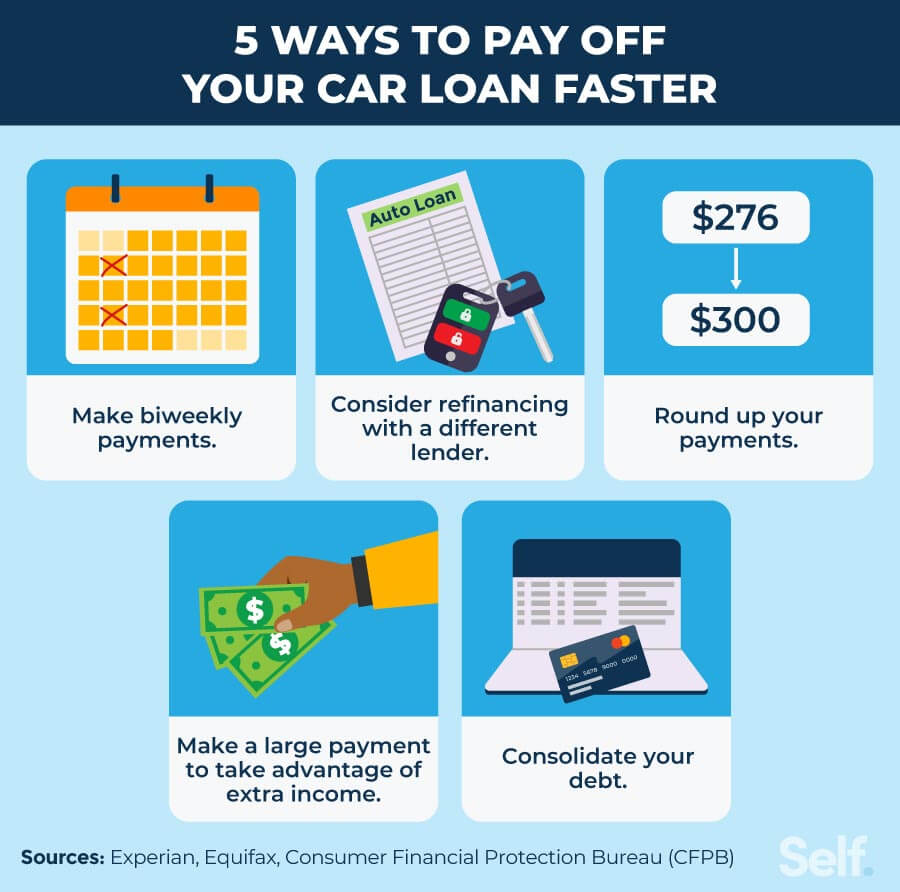
- Improved Credit Score: If your credit score has significantly improved since you initially financed your car, you may qualify for a much lower interest rate.
- Lower Market Interest Rates: If general interest rates have dropped since you took out your original loan, refinancing can capitalize on the new, more favorable market.
- Unfavorable Original Loan Terms: Perhaps you bought your car when your credit was less than ideal, or you weren’t able to shop around effectively. Refinancing can correct these initial disadvantages.
- Need for Lower Monthly Payments: If you’re struggling with your current payments, refinancing to a longer term (with the understanding of increased total interest) might provide necessary short-term relief.
- Benefits of Refinancing:
- Lower Interest Rate: The primary benefit, directly reducing the total cost of your loan.
- Lower Monthly Payments: A reduced interest rate or extended loan term can lead to more manageable monthly payments, freeing up cash flow.
- Change Loan Term: You can shorten your loan term to pay it off faster and save on interest, or lengthen it to reduce monthly payments.
- Refinancing Process: Shop around with various lenders (banks, credit unions, online lenders) for new rates. Be prepared with your current loan details, vehicle information, and personal financial data. Ensure the savings from a lower interest rate outweigh any new fees associated with the refinancing process.
By diligently budgeting, choosing optimal loan terms, and strategically considering refinancing, you can ensure your car payments remain affordable and align with your broader financial objectives. These proactive steps transform car ownership from a potential financial drain into a well-managed component of your personal wealth-building strategy.
Mastering Payment Management and Acceleration
Once you’ve secured favorable loan terms, the next crucial step is to implement effective payment management strategies. This isn’t just about making payments on time; it’s about optimizing your approach to save money, build equity faster, and gain greater control over your financial commitments.
Streamlining Payments: Automation and Bi-Weekly Strategies
Consistency and convenience are key to avoiding late fees and maintaining a good credit history. Automation and strategic payment scheduling can significantly enhance your payment process.
- Automate Your Payments: Setting up automatic payments directly from your bank account is arguably the most straightforward and effective strategy.
- Benefits: Guarantees on-time payments, preventing late fees and negative impacts on your credit score. It also removes the mental burden of remembering due dates.
- How To: Most lenders offer an online portal or direct debit authorization forms. You typically link your checking or savings account, and the payment is debited automatically on your chosen date.
- Caution: Ensure you always have sufficient funds in your account to avoid overdraft fees. It’s wise to set the automatic payment a few days before the actual due date to account for any processing delays.
- Consider Bi-Weekly Payments: This is a popular strategy to pay off your loan faster and save on interest, often without feeling a significant pinch in your monthly budget.
- How It Works: Instead of making one full payment per month, you make half of your payment every two weeks. Since there are 52 weeks in a year, this results in 26 half-payments, which equates to 13 full monthly payments annually, rather than 12.
- Benefits: The extra “payment” each year directly reduces your principal, leading to significant savings on interest over the loan term and an accelerated payoff. It also aligns well with bi-weekly pay schedules, making budgeting easier.
- Implementation: Check with your lender if they support bi-weekly payments directly. If not, you can manually make an extra payment once a year or divide your monthly payment by 12 and add that amount to each of your regular 12 payments.
Accelerating Your Payoff: Extra Payments and Round-Ups
Beyond bi-weekly payments, actively contributing more than your minimum required payment is a potent strategy for saving money and achieving debt freedom sooner.
- Making Extra Payments: Any additional amount you pay above your scheduled monthly payment goes directly towards reducing your loan principal (assuming your loan doesn’t have prepayment penalties, which are rare for auto loans).
- Impact: A reduced principal means less interest accrues over the remaining life of the loan. Even small, consistent extra payments can shave months or even years off your loan term and save hundreds or thousands in interest.
- Sources of Extra Funds: Consider applying windfalls like tax refunds, work bonuses, or inheritance directly to your car loan. Even rounding up your payment each month (e.g., paying $400 instead of $378) can make a difference over time.
- Specify Principal-Only Payments: When making extra payments, always clearly communicate to your lender that the additional amount should be applied solely to the principal balance. Otherwise, some lenders might apply it towards future interest or treat it as a pre-payment for the next month’s total payment, which diminishes the interest-saving benefit.
Understanding Your Statements and Remaining Principal
Proactive monitoring of your loan statements and understanding your remaining principal is vital for effective management and for confirming the impact of your payment strategies.
- Regular Review of Statements: Carefully review your monthly loan statements.
- Verify Payments: Ensure your payments have been accurately applied, and that any extra principal payments are correctly reflected.
- Check Balances: Monitor your outstanding principal balance and how much has gone towards interest versus principal for each payment. In the early stages of a loan, a larger portion goes to interest; this slowly reverses over time.
- Identify Errors: Catch any discrepancies or incorrect charges immediately and contact your lender for clarification.
- Tracking Remaining Principal: Knowing your exact principal balance is crucial, especially if you’re considering refinancing or selling the car.
- Online Portals: Most lenders provide online access to your account where you can see your current principal balance.
- Amortization Schedule: If you have an amortization schedule, you can track how your principal decreases over time with each payment. This also clearly shows how much interest you’ll pay at different stages of the loan.
By embracing automated processes, strategically increasing your payment frequency or amount, and diligently monitoring your loan progress, you transform car payment management from a passive obligation into an active strategy for financial empowerment. These techniques not only save you money but also accelerate your path to debt freedom, allowing you to reallocate funds towards other important financial goals.
Navigating Payment Challenges and Safeguarding Your Finances
Despite the best planning, life can throw curveballs that make meeting car payments difficult. When financial hardship strikes, the worst thing you can do is ignore the problem. Proactive communication and understanding your options are critical to safeguarding your credit and avoiding more severe consequences like vehicle repossession.
Proactive Communication: Engaging Your Lender Early
The moment you anticipate difficulty making a payment, reach out to your lender immediately. Ignoring the issue or waiting until you’re already late will severely limit your options and damage your credit.
- Why Early Communication is Key: Lenders are often more willing to work with borrowers who communicate their struggles early. They want to avoid defaults and repossessions just as much as you do, as these are costly processes for them.
- What to Prepare: Before calling, gather all your loan information, details of your financial hardship (e.g., job loss, medical emergency), and a realistic assessment of what you can afford, or when you expect to recover.
- Be Honest and Specific: Clearly explain your situation and propose a temporary solution if you have one. Don’t make promises you can’t keep.
Exploring Relief Options: Deferrals, Modifications, and Forbearance
When facing temporary financial difficulties, lenders may offer several options to help you get back on track. These are typically short-term solutions, so understand their implications.
- Payment Deferral (Skip-a-Payment): This allows you to postpone one or more payments to a later date.
- How it Works: The deferred payments are typically added to the end of your loan term, extending the payoff period. Interest usually continues to accrue during the deferral period, meaning the total cost of your loan will slightly increase.
- When it Helps: Ideal for short-term cash flow issues, such as an unexpected medical bill or a temporary reduction in income.
- Loan Modification: This involves permanently changing the terms of your loan, such as the interest rate or loan term, to make payments more affordable.
- How it Works: A lender might reduce your interest rate or extend your loan term (which will increase total interest paid but lower monthly payments).
- When it Helps: For more persistent financial difficulties where a temporary deferral isn’t enough. Loan modifications are less common for auto loans than mortgages but are worth inquiring about.
- Forbearance: Similar to deferral, forbearance allows you to temporarily reduce or suspend your payments.
- How it Works: During the forbearance period, interest typically continues to accrue. At the end of the period, you’ll need to make up the missed payments, often in a lump sum, or have them added to the end of your loan.
- When it Helps: Used during severe, short-term hardships like natural disasters or widespread economic crises.
- Important Considerations: Always ask for any proposed agreement in writing and fully understand the terms before agreeing. Confirm whether interest continues to accrue, if the loan term is extended, and what happens at the end of the relief period.
When to Consider Selling or Trading In: Tough Choices for Financial Stability
If your financial challenges are long-term or severe, and you foresee ongoing struggles with your car payment, it might be time to consider more drastic measures to protect your overall financial health.
- Assess Your Car’s Value vs. Loan Balance: The first step is to determine if you have positive or negative equity.
- Positive Equity: Your car is worth more than what you owe on the loan. In this scenario, selling the car could pay off the loan, and you might even have some cash left over.
- Negative Equity: You owe more on the car than its current market value (you’re “upside down” on your loan). This is a more challenging situation.
- Selling Your Car:
- With Positive Equity: You can sell your car privately (often getting a better price than a trade-in) or to a dealership. Use the proceeds to pay off the loan.
- With Negative Equity: If you sell, you’ll need to pay the difference between the sale price and your loan balance out of pocket. This can be a painful but necessary step to eliminate an unaffordable payment.
- Trading In Your Car:
- With Positive Equity: The dealership will typically apply the equity towards your new car purchase, reducing the amount you need to finance.
- With Negative Equity: The negative equity will be “rolled into” your new car loan, increasing the principal of your new loan. This often exacerbates the problem, leading to an even higher monthly payment or a longer loan term, and trapping you deeper in debt. Avoid rolling negative equity into a new loan unless absolutely unavoidable and you have a solid plan to tackle the increased debt.
- Consider a Less Expensive Vehicle: If you sell your current car and are still in need of transportation, consider purchasing a significantly cheaper, reliable used car with cash or a much smaller loan. This can drastically reduce your monthly expenses.
Avoiding Repossession: Understanding the Consequences and Last Resorts
Repossession occurs when a lender takes back your car because you’ve defaulted on your loan payments. This has severe, long-lasting consequences for your financial health.
- Consequences of Repossession:
- Severe Credit Damage: A repossession on your credit report can drop your score by over 100 points and remain for seven years, making it difficult to get future loans, credit cards, or even rent an apartment.
- Deficiency Balance: After repossession, the lender will sell the car, often at auction for less than its market value. You will still be responsible for paying the “deficiency balance”—the difference between what you owed and what the car sold for, plus any repossession, storage, and auction fees. The lender can sue you to collect this debt.
- Loss of Transportation: You lose your vehicle, impacting your ability to work, shop, and manage daily life.
- Last Resorts Before Repossession:
- Voluntary Repossession: While still damaging to credit, voluntarily returning the car to the lender might be marginally better than an involuntary repossession as it can sometimes reduce the fees associated with the process. However, you’ll still be liable for any deficiency balance.
- Bankruptcy: As a last resort, if you have overwhelming debt, filing for bankruptcy can stop repossession (temporarily or permanently) and may allow you to discharge the deficiency balance. This is a serious legal step with major long-term consequences and should only be considered after consulting with a bankruptcy attorney.
Navigating car payment challenges requires diligence, honesty, and a willingness to make difficult decisions. By proactively communicating with your lender, exploring all available relief options, and considering selling or trading in your vehicle when necessary, you can protect your financial future and mitigate the long-term damage of financial hardship.
Conclusion
Making car payments is an inevitable part of modern life for most individuals, but it doesn’t have to be a source of financial stress. By adopting a strategic and informed approach, you can transform this monthly obligation into a manageable component of your personal financial landscape. The journey begins with a fundamental understanding of your car loan’s mechanics—the principal, interest, term, and APR—and recognizing the profound impact of your credit score and down payment.
Armed with this knowledge, you can then implement savvy strategies for affordability, from diligently budgeting and adhering to rules like the “20/4/10” guideline to optimizing your loan terms for long-term savings and leveraging the power of refinancing when advantageous. Once your loan is in place, mastering payment management through automation, bi-weekly payments, and strategic principal acceleration allows you to save substantial amounts in interest and achieve debt freedom sooner.
Crucially, knowing how to navigate financial challenges with open communication, exploring relief options, and understanding the difficult choices around selling or trading in a vehicle can safeguard your finances from the severe repercussions of default.
Ultimately, making car payments intelligently is about more than just paying bills; it’s about financial literacy, proactive planning, and disciplined execution. By taking control of your car loan, you not only ensure reliable transportation but also free up valuable resources to pursue broader financial goals, paving the way for greater financial security and peace of mind.
aViewFromTheCave is a participant in the Amazon Services LLC Associates Program, an affiliate advertising program designed to provide a means for sites to earn advertising fees by advertising and linking to Amazon.com. Amazon, the Amazon logo, AmazonSupply, and the AmazonSupply logo are trademarks of Amazon.com, Inc. or its affiliates. As an Amazon Associate we earn affiliate commissions from qualifying purchases.