
The anticipation surrounding SpaceX’s Starship Flight 6 represents more than just a momentary interest in aerospace; it serves as a critical benchmark for the rapid iteration cycles that define modern aerospace technology. As the industry shifts from the theoretical possibilities of reusable rockets to the operational realities of deep-space infrastructure, the cadence of these flight tests has become the most closely watched metric in the tech sector. Understanding the timing, the engineering hurdles, and the implications of this mission is essential for anyone tracking the evolution of heavy-lift launch vehicles.
The Technical Objectives of Starship Flight 6
Starship Flight 6 is not merely a repeat of previous mission profiles; it is an incremental advancement designed to push the boundaries of what a fully reusable, two-stage launch vehicle can achieve. The primary objectives revolve around refining the precision of the Super Heavy booster and the Starship upper stage, ensuring that both are capable of controlled returns with pinpoint accuracy.
Mastering the Mechazilla Catch
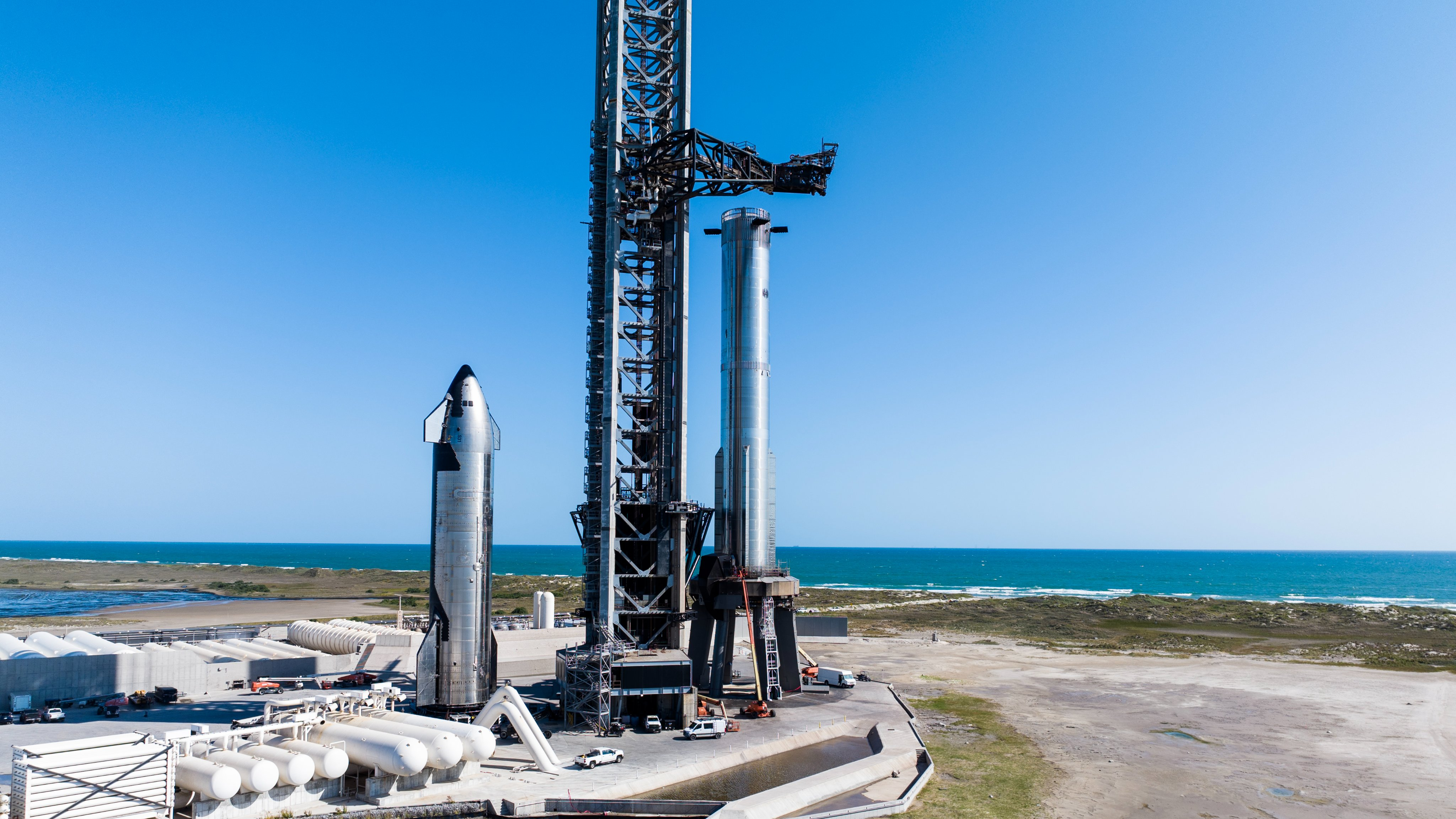
One of the most radical departures in aerospace engineering is the “Mechazilla” launch and capture system. Following the success of catching the Super Heavy booster in mid-air during the previous flight, Flight 6 aims to validate the consistency of this maneuver. The technical challenge here is immense: the booster must manage its kinetic energy, account for real-time wind patterns, and align with the tower arms while maintaining structural integrity.
From a technological standpoint, this represents a transition from high-risk experimental hardware to a standardized logistical operation. If SpaceX can prove that the capture system is reliable across varied environmental conditions, it effectively reduces the turnaround time for future missions from months to days, transforming the economics of orbital access.
Thermal Protection and Re-entry Dynamics
The Starship upper stage faces the most extreme heat environments of any spacecraft currently in operation. Flight 6 will focus heavily on the heat shield tiles, testing new materials and adhesion methods designed to prevent the catastrophic failure seen in earlier developmental prototypes. The software responsible for managing the flip maneuver and the subsequent landing burn is also expected to receive updates based on the telemetry harvested from Flight 5. These autonomous systems are the unsung heroes of the mission, processing terabytes of sensor data per second to make split-second adjustments that human pilots could never replicate.
Strategic Scheduling and Operational Readiness
Determining exactly what time Starship Flight 6 will launch is an exercise in understanding the complexity of FAA licensing, weather windows, and the mechanical health of the stack itself. Unlike traditional government-led space programs that operate on rigid, long-term timelines, SpaceX utilizes a “test-and-learn” approach.
The Role of FAA Licensing and Regulatory Hurdles
A significant portion of the “wait time” for any Starship mission is tied to regulatory compliance. Each flight requires a modification to the existing launch license, involving rigorous review by the Federal Aviation Administration (FAA). These reviews analyze the potential impact on public safety, environmental health, and airspace management. For tech enthusiasts and investors, this regulatory aspect is a reminder that the speed of technological innovation is often throttled by the speed of bureaucratic oversight. Flight 6 serves as a case study in how private companies must navigate the legal framework of modern aerospace.
Environmental Constraints and Weather Windows
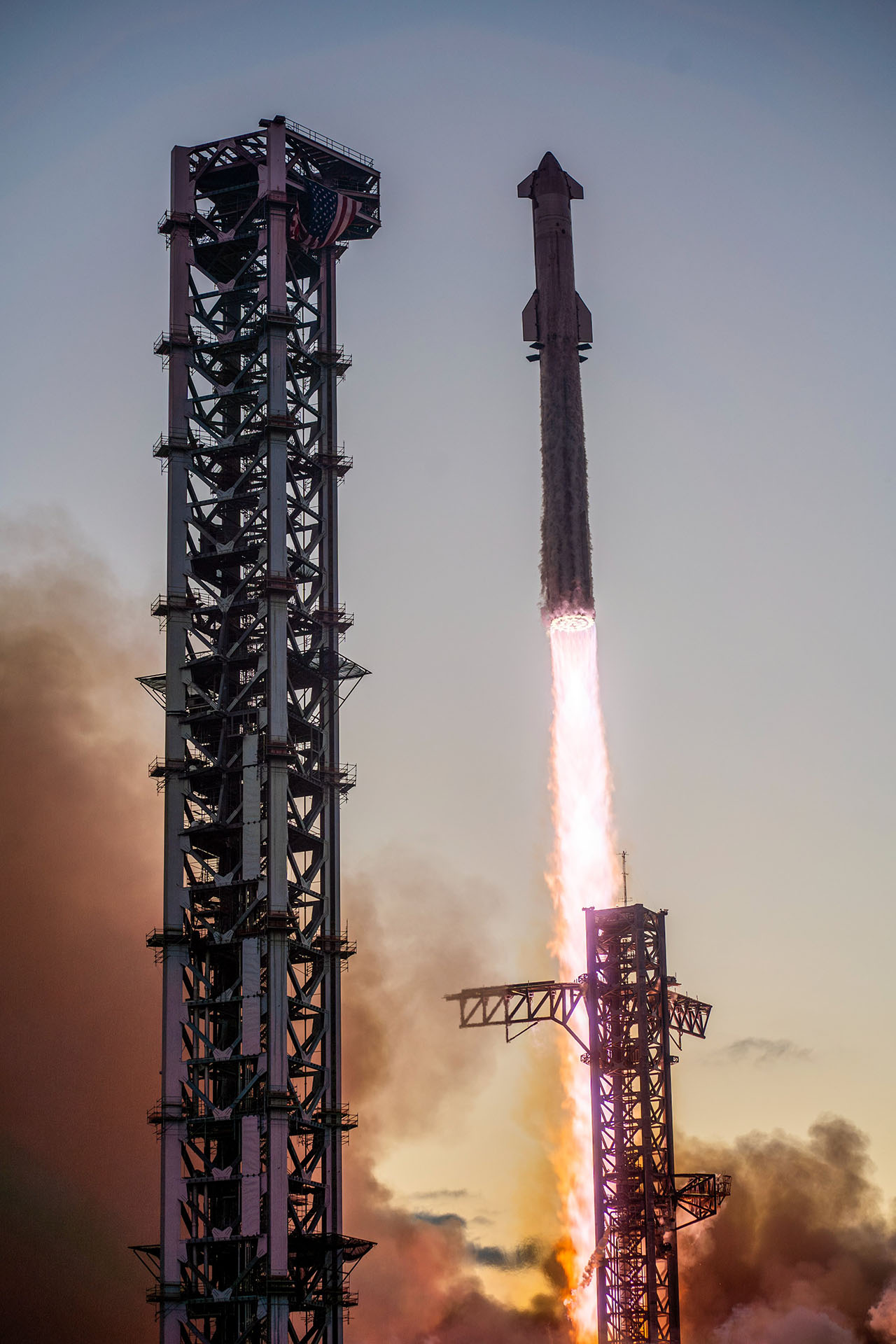
The physical environment of Boca Chica, Texas, introduces its own set of variables. Launch times are frequently moved due to wind gusts, cloud cover, or maritime traffic in the Gulf of Mexico. The propulsion systems, utilizing sub-cooled liquid methane and liquid oxygen, require precise environmental conditions to ensure optimal fuel density. When monitoring for the official launch time, one must look toward the “launch window”—a multi-hour block where the intersection of safety, weather, and trajectory alignment is deemed perfect by mission control.
The Software Architecture Powering the Fleet
Behind the massive steel structure of Starship lies a sophisticated software stack that arguably represents the most advanced autonomous flight system ever deployed. The integration of artificial intelligence and machine learning into the flight control systems has moved beyond simple predictive models into real-time adaptive response.
Autonomous Navigation and Precision Landing
The software controlling Flight 6 must manage the rocket’s center of mass as propellant shifts during descent. This is a dynamic control problem that requires sub-millisecond latency in the control logic. The ability of the rocket to “self-correct” during the final landing burn is the result of years of refinement in sensor fusion—integrating data from GPS, Inertial Measurement Units (IMU), and optical sensors.
By analyzing the telemetry from Flight 6, engineers are effectively training the flight software to handle anomalies. This is “agile development” at its most extreme; every flight is treated as a continuous integration and continuous deployment (CI/CD) pipeline. If a sensor reports an unexpected vibration or a valve operates outside of nominal parameters, the code is patched, simulated, and pushed to the vehicle for the next flight.
The Impact of Telemetry and Big Data
Every second that Starship is in the air, thousands of sensors are streaming high-fidelity data back to the control center. This data is the lifeblood of the mission. It informs the structural modifications for the next generation of Starships and validates the simulations that SpaceX runs in its virtual flight environments. The tech industry monitors these missions because they represent the bleeding edge of edge computing—where hardware and software are so tightly coupled that a failure in one inevitably leads to a failure in the other.
The Future of Global Connectivity and Payload Delivery
While the immediate focus is on whether the rocket sticks the landing, the broader implication of Flight 6 is the realization of low-cost, high-frequency space logistics. This has profound impacts on the global tech infrastructure.
Enabling the Next Era of Satellite Megaconstellations
The current Starship architecture is designed specifically to scale the deployment of Starlink satellites. By increasing the launch cadence and payload capacity, the cost per kilogram to orbit continues to plummet. This enables new technologies in global high-speed connectivity, earth observation, and climate monitoring. Flight 6 is a stepping stone toward a future where the limitation on global connectivity is no longer the cost of launching a satellite, but rather the speed at which we can design and build the hardware.
Establishing a Repeatable Launch Cadence
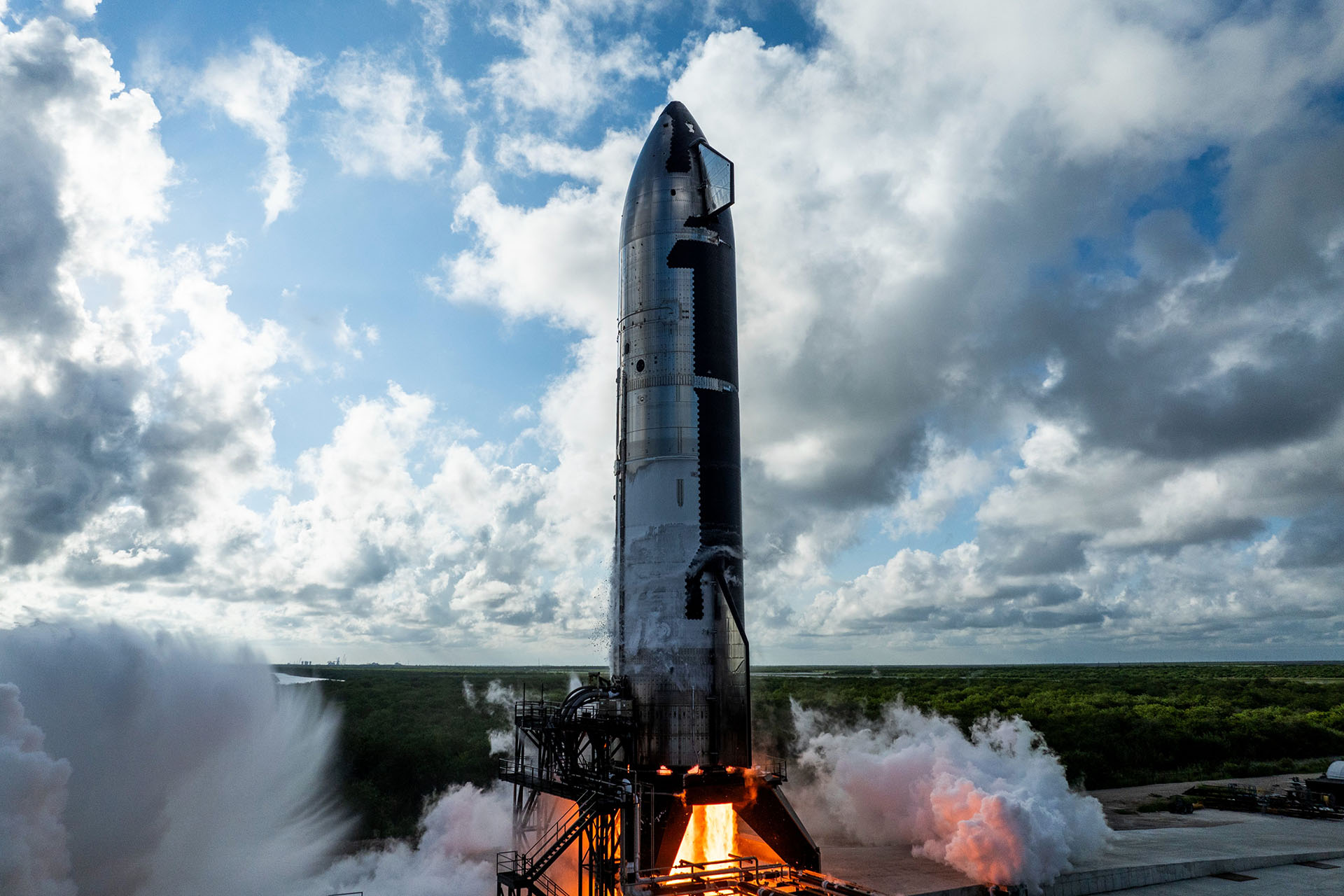
The end goal of these missions is “airline-like” operations. The transition from the “experimental” phase of Flight 6 to the “operational” phase is the industry’s holy grail. When a company can launch, land, refuel, and relaunch a heavy-lift vehicle within a 24-hour window, the entire landscape of global tech business changes. Venture capital interest in space-based startups has mirrored the progress of the Starship program, signaling that investors see these flight tests as the prerequisite for a new multi-trillion-dollar economy.
As we look toward the scheduled time for Flight 6, it is worth remembering that the mission is a testament to the power of rapid, iterative engineering. Whether it launches at 7:00 AM or 9:00 AM, the true value lies in the data gathered, the software validated, and the confidence gained in humanity’s ability to turn the vast potential of the solar system into an accessible frontier for technology and commerce. The eyes of the tech world remain fixed on Starbase, awaiting the next definitive step in the evolution of spacefaring infrastructure.
aViewFromTheCave is a participant in the Amazon Services LLC Associates Program, an affiliate advertising program designed to provide a means for sites to earn advertising fees by advertising and linking to Amazon.com. Amazon, the Amazon logo, AmazonSupply, and the AmazonSupply logo are trademarks of Amazon.com, Inc. or its affiliates. As an Amazon Associate we earn affiliate commissions from qualifying purchases.