
Every year, as winter reaches its peak, a specific search query begins to trend with mathematical certainty: “What time is the Super Bowl?” To the casual viewer, this is a logistical question about kickoff. To the world of global marketing and brand strategy, however, those four words represent the most expensive, highly contested, and strategically significant window of time in the modern era.
The Super Bowl is no longer just a championship game for the National Football League; it is the ultimate “Brand Olympics.” It is a cultural phenomenon where the commercials are as analyzed as the quarterbacks, and where the “time” of the event dictates the annual budget cycles of the world’s largest corporations. This article explores the branding machinery behind the Super Bowl, examining how a single time slot became the cornerstone of corporate identity and marketing strategy.
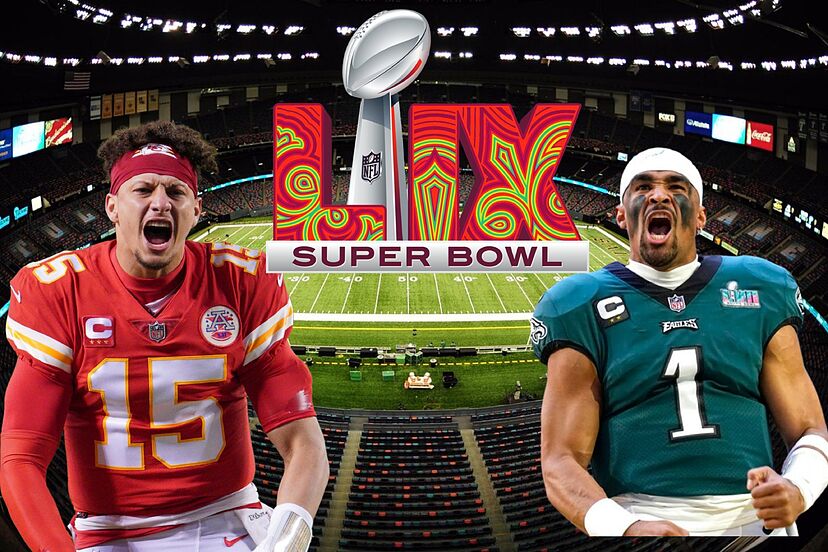
The Anatomy of a Time Slot: Why 6:30 PM ET is the Peak of Global Marketing
The specific timing of the Super Bowl—usually scheduled for 6:30 PM Eastern Time—is a masterclass in demographic optimization. It is a time strategically chosen to bridge the gap between daytime family viewing and prime-time adult engagement, ensuring that the brand messages delivered during the broadcast reach the widest possible audience.
The Scarcity Principle in Live Events
In an era dominated by on-demand streaming and fragmented media consumption, “appointment viewing” has become an endangered species. The Super Bowl remains one of the few instances where millions of people consume the same content simultaneously. This scarcity creates a high-stakes environment for brands. When a company asks, “What time is the Super Bowl?”, they are actually asking for the precise moment they can leverage a captive, attentive audience that cannot skip their advertisements.
Capturing the Multi-Generational Audience
The 6:30 PM kickoff is designed to capture a multi-generational demographic. For brand strategists, this is the “holy grail.” It is the one time of year when Gen Z, Millennials, Gen X, and Boomers are often in the same room, looking at the same screen. This requires a unique brand strategy that balances nostalgia with modern trends, ensuring the message resonates across diverse age groups without alienating any specific segment.
Branding Beyond the Field: The Strategy of the Super Bowl Ad
For a brand, securing a 30-second spot during the Super Bowl is not merely a purchase; it is a declaration of market dominance. With costs for a single spot now exceeding $7 million, the strategy involved begins months, or even years, in advance.
The Evolution of Narrative in 30-Second Spots
Historically, Super Bowl ads relied on slapstick humor or simple product demonstrations. Today, the strategy has shifted toward sophisticated storytelling and brand purpose. Brands like Nike, Budweiser, and Amazon use this time to reinforce their corporate identity rather than just sell a product. They aim to create an emotional “hook” that stays with the consumer long after the game ends. The goal is to move from “top-of-mind awareness” to “brand affinity.”
Digital Integration: Extending the Brand Moment
The modern Super Bowl brand strategy starts long before the coin toss. Smart brands release “teasers” on social media weeks in advance, turning a 30-second TV slot into a month-long multi-channel campaign. By the time the viewer asks what time the game starts, they should have already interacted with the brand’s digital footprint. This omnichannel approach ensures that the massive investment in the broadcast is supported by sustained engagement on platforms like Instagram, TikTok, and X (formerly Twitter).
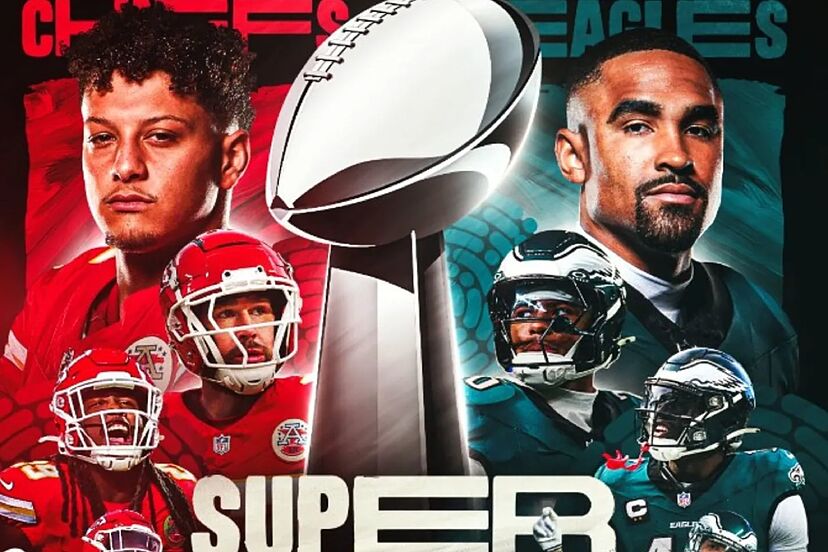
The Halftime Show as a Masterclass in Personal and Corporate Branding
While the game provides the structure, the Halftime Show serves as the ultimate platform for personal branding. Whether it is Rihanna, Usher, or Dr. Dre, the artist performing at halftime is undergoing a massive brand recalibration designed to reach a billion-dollar valuation.
The “Rihanna Effect”: Boosting Streams and Sales
When an artist takes the stage at the Super Bowl, they are not paid a traditional performance fee by the NFL. Instead, they are given the world’s most powerful branding platform. The “Super Bowl Bump” typically results in a massive surge in music streams, ticket sales, and merchandise revenue. For example, Rihanna used her performance not just to showcase her music, but to strategically feature her makeup line, Fenty Beauty, mid-performance—a move that was hailed as a legendary piece of brand placement.
Strategic Partnerships and Sponsor Synergy
The branding of the Halftime Show itself—currently sponsored by Apple Music—demonstrates the power of corporate synergy. Apple Music’s takeover from Pepsi marked a shift in how tech giants use the Super Bowl to assert cultural relevance. By associating their brand with the most-watched musical event of the year, these companies embed themselves into the lifestyle and identity of the consumer, moving beyond a functional utility to a cultural icon.
Measuring the ROI: Is a $7 Million 30-Second Spot Worth It?
One of the most debated topics in brand strategy is the Return on Investment (ROI) of a Super Bowl ad. Critics argue that the cost is too high for a single night of exposure, while proponents argue that the “long tail” of the event justifies the price.
Brand Sentiment vs. Direct Conversion
For most Super Bowl advertisers, the goal isn’t an immediate spike in sales on Sunday night. Instead, they are playing the “long game.” They are measuring success through brand sentiment, share of voice, and earned media. If an ad goes viral and is discussed on news programs and social media for the following week, the brand has effectively tripled its investment through free publicity.
The Long Tail of Super Bowl Exposure
The “What time is the Super Bowl?” query leads to a viewing experience that creates a permanent association in the consumer’s mind. A successful ad becomes part of the cultural lexicon. Brands like Apple (with the “1984” ad) or Volkswagen (with “The Force”) created legacies that lasted decades. In the world of high-level branding, the Super Bowl is the only platform capable of delivering that kind of enduring corporate identity.

Conclusion: The Cultural Currency of Time
When people search for “what time is the Super Bowl,” they are looking for the start of an event, but brands are looking for the start of a conversation. The Super Bowl has transcended sports to become the most significant branding event on the global calendar. It is a testament to the power of collective attention and the strategic brilliance of companies that know how to turn a few hours of television into a year of market influence.
In the end, the “time” of the Super Bowl is irrelevant to the clock; it is about the “time” a brand occupies in the heart and mind of the consumer. As long as millions of people continue to tune in at 6:30 PM ET, the Super Bowl will remain the premier laboratory for brand innovation, storytelling, and corporate strategy.
aViewFromTheCave is a participant in the Amazon Services LLC Associates Program, an affiliate advertising program designed to provide a means for sites to earn advertising fees by advertising and linking to Amazon.com. Amazon, the Amazon logo, AmazonSupply, and the AmazonSupply logo are trademarks of Amazon.com, Inc. or its affiliates. As an Amazon Associate we earn affiliate commissions from qualifying purchases.