
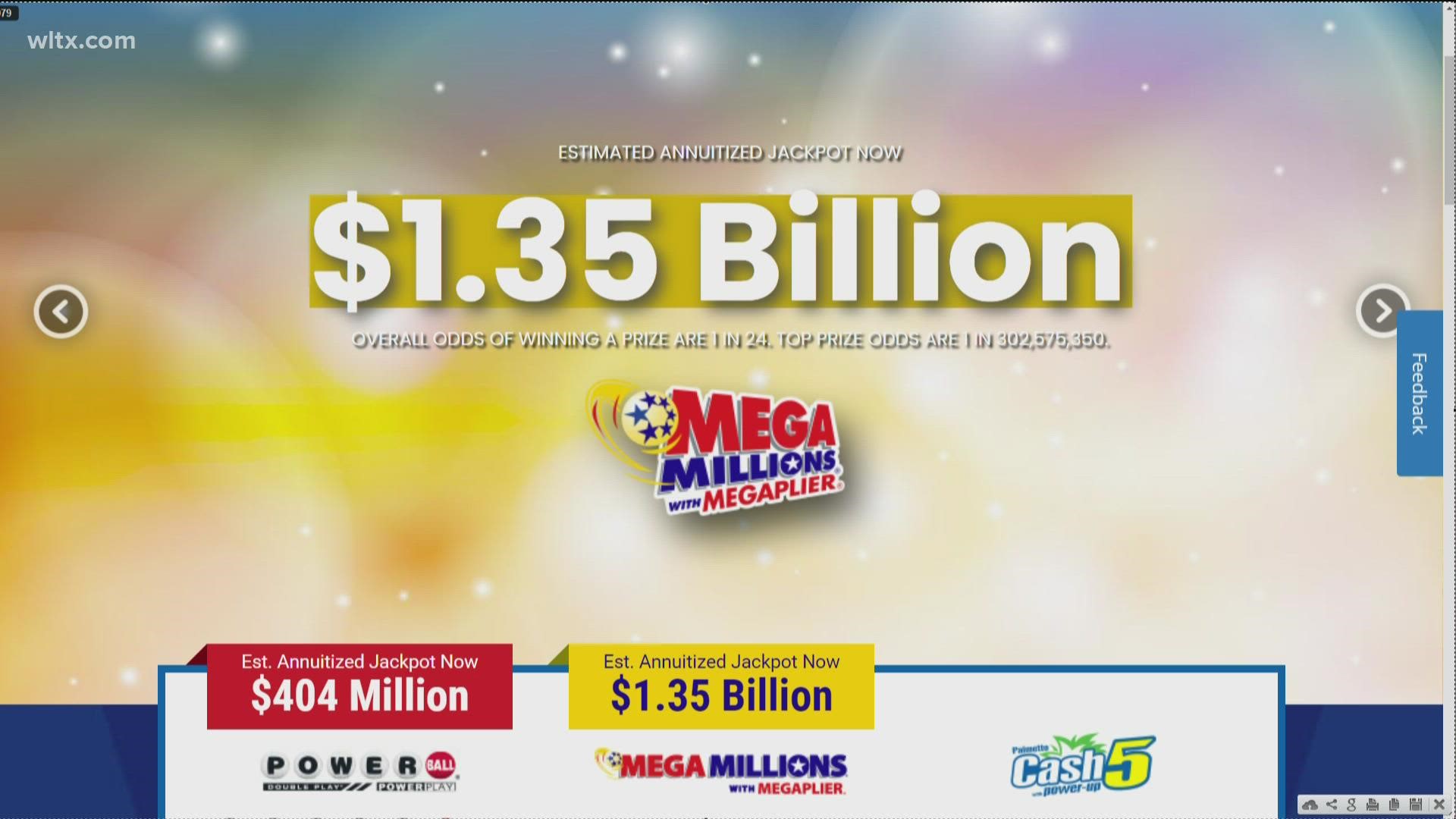
The Mega Millions lottery represents one of the most significant financial phenomena in the United States, often capturing the public imagination when jackpots soar into the hundreds of millions—or even billions—of dollars. For those participating in this high-stakes game of chance, the most immediate question is often practical: What time is the drawing today? However, for the astute observer of personal finance and wealth management, the timing of the drawing is merely the entry point into a much larger conversation regarding probability, tax liability, and the strategic management of sudden wealth.
Timing and Mechanics: When the Numbers Are Called
The Mega Millions drawings occur twice a week, providing a rhythmic cadence to the American lottery landscape. The drawings are held every Tuesday and Friday at 11:00 PM Eastern Time. These events are conducted at the WSB-TV studios in Atlanta, Georgia, and are supervised by lottery officials and independent auditors to ensure the highest standards of transparency and integrity.
Understanding Ticket Cut-Off Times
While the drawing itself is synchronized at 11:00 PM ET, the window for purchasing tickets varies significantly depending on the jurisdiction. Most participating states close ticket sales between 15 minutes and one hour prior to the drawing. For example, in high-volume states like New York or California, the cut-off is typically 10:45 PM ET. It is a critical component of personal financial discipline to understand these local deadlines, as “last-minute” surges in retail traffic can often lead to missed opportunities for those who do not plan their participation in advance.
Where to Verify the Results
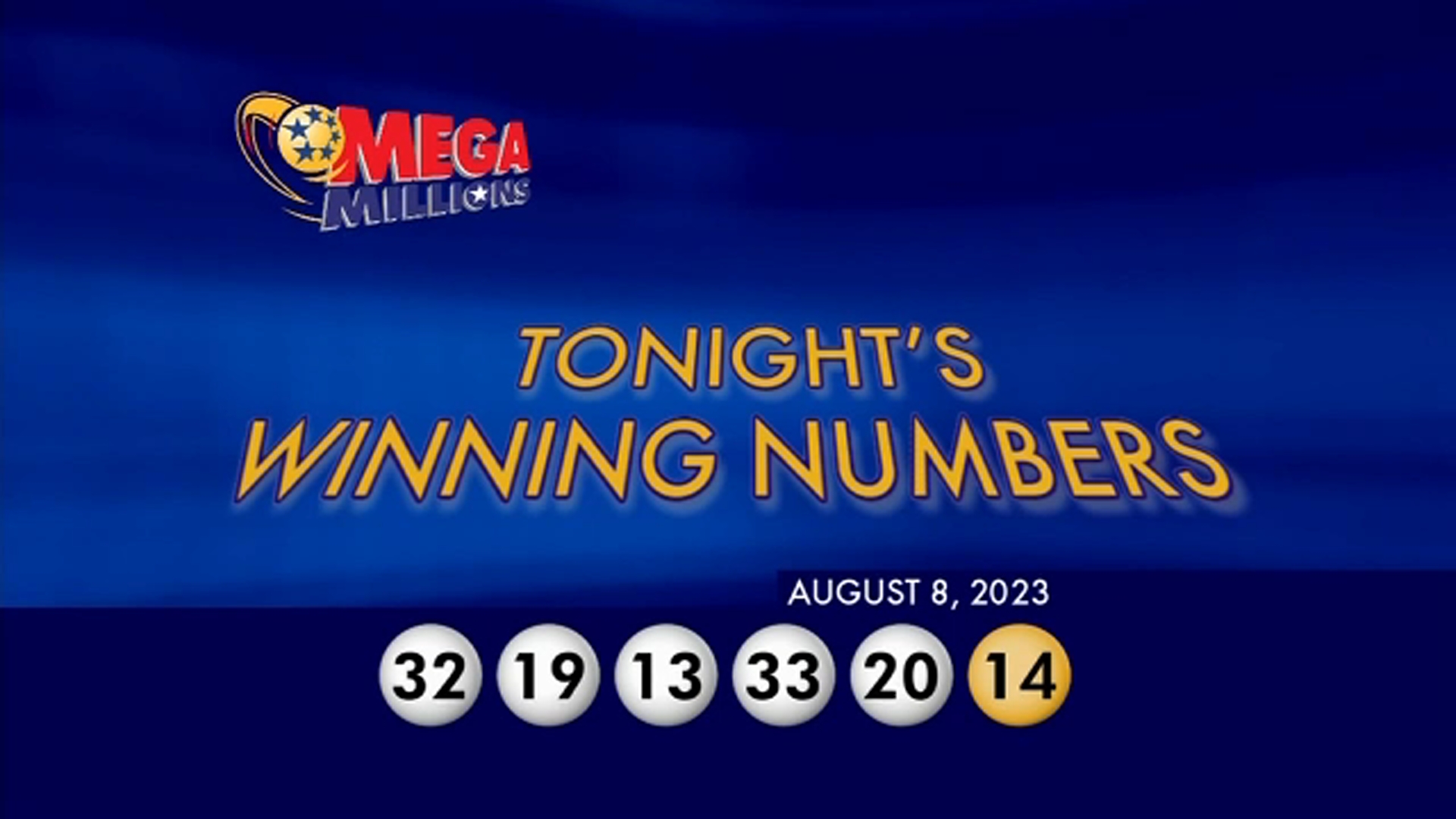
In the digital age, the results are disseminated almost instantaneously across various financial and news platforms. While many enthusiasts watch the drawing live on local television affiliates, the most reliable sources for verification include the official Mega Millions website, state lottery mobile applications, and reputable financial news outlets. Verification is a multi-step process for the winner; it involves checking the five white balls (ranging from 1 to 70) and the single gold Mega Ball (ranging from 1 to 25).
The Financial Reality of the Jackpot: Cash vs. Annuity
When a participant asks about the drawing time, they are fundamentally inquiring about the moment their financial reality might shift. However, the “headline” jackpot figure is rarely the amount that enters a winner’s brokerage account. Understanding the distinction between the advertised annuity and the cash option is a fundamental exercise in the time value of money.
The Annuity Option: Long-Term Security
The Mega Millions annuity is paid out as one immediate payment followed by 29 annual payments. Each payment is 5% bigger than the previous one. This structure is designed to protect winners from the “lottery curse”—the phenomenon where sudden millionaires exhaust their funds through mismanagement and lifestyle creep. From a financial planning perspective, the annuity acts as a fixed-income instrument, providing a guaranteed stream of cash flow that can hedge against market volatility. It ensures that even if a winner makes poor investment choices in the first decade, they have subsequent “chances” to manage their wealth correctly.
The Cash Option: Immediate Capital Deployment
The cash option, or “lump sum,” represents the actual cash held in the jackpot pool. While this figure is significantly lower than the advertised annuity, it is the preferred choice for sophisticated investors. By taking the lump sum, an individual gains immediate control over the capital, allowing for the application of advanced investment strategies. If the winner can achieve a rate of return that exceeds the internal rate of return (IRR) of the lottery’s annuity (which is based on the yield of U.S. government bonds), the lump sum is mathematically superior. However, this requires a disciplined approach to asset allocation and risk management.
The Tax Impact: Navigating the Fiscal Consequences
Winning the Mega Millions is not just a windfall; it is a major taxable event. In the eyes of the Internal Revenue Service (IRS), lottery winnings are considered ordinary income, and they are taxed at the highest federal bracket.
Federal Withholdings and Obligations
Before a single dollar reaches the winner, the lottery office is required to withhold 24% for federal taxes. However, this is often just a “down payment.” Since the top federal tax bracket is currently 37%, winners will likely owe an additional 13% to the IRS when they file their annual tax returns. For a jackpot in the hundreds of millions, this translates to a secondary tax bill that can reach into the tens of millions. Failing to account for this discrepancy is a common pitfall that can lead to significant liquidity crises.
State and Local Variations
The geographic location where a ticket is purchased plays a massive role in the net payout. States like Florida, Texas, and Washington do not tax lottery winnings at the state level, allowing winners to retain a larger portion of their wealth. Conversely, winners in states like New York or New Jersey may face additional state and city taxes ranging from 8% to nearly 11%. This variance highlights the importance of “tax-loss harvesting” and other strategic maneuvers that a tax professional might implement to mitigate the overall burden.
Strategic Personal Finance for the Lottery Participant
While the odds of winning the Mega Millions are approximately 1 in 302.6 million, the way an individual approaches the game can be a reflection of their broader financial philosophy. Integrating lottery participation into a professional financial framework requires a focus on “entertainment budgeting” and “expected value.”
Budgeting for High-Variance Activities
From a personal finance standpoint, the purchase of a lottery ticket should never be viewed as an investment. Instead, it should be categorized under “discretionary entertainment spending,” much like a movie ticket or a dinner out. Financial health is maintained by ensuring that these small, high-variance outlays do not interfere with “foundational” financial goals, such as retirement contributions (401k/IRA), emergency fund maintenance, or debt servicing.
The Concept of Expected Value (EV)
In the world of professional gambling and stock market speculation, “Expected Value” is the calculation of the average outcome of a given scenario. Most of the time, the Mega Millions has a negative EV, meaning that for every $2 spent, the statistical return is less than $2. However, when the jackpot reaches historic levels—typically exceeding $800 million—the EV can theoretically turn positive, even after accounting for the probability of multiple winners splitting the prize. For the mathematically inclined, this is the only time participation moves from “pure whim” to “statistical curiosity.”
Wealth Management in the Face of Sudden Success
If the 11:00 PM drawing results in a match, the immediate hours following the announcement are the most critical for the winner’s long-term financial survival. The transition from an average net worth to “ultra-high-net-worth” (UHNW) status requires an immediate shift in strategy.
Building a Professional “Fortress”
The first step for any winner is not to claim the prize immediately but to assemble a team of professionals. This typically includes:
- A Tax Attorney: To navigate the complex filing requirements and potential gift tax implications.
- A Certified Financial Planner (CFP): To design an asset allocation strategy that emphasizes capital preservation over aggressive growth.
- A Private Wealth Manager: To provide access to institutional-grade investment vehicles that are not available to the general public.
- A Security Consultant: To manage the inevitable influx of “requests” and potential threats to privacy.
The Importance of Anonymity
In states where it is permitted, winners are often advised to claim their prizes through a legal entity, such as a blind trust or an LLC. This maintains anonymity and shields the winner from the predatory solicitation that often follows a public announcement. Protecting one’s “human capital” and privacy is just as important as protecting the financial capital itself.
Long-Term Wealth Preservation and Philanthropy
The ultimate goal of managing a Mega Millions windfall is to convert a “transitory gain” into “generational wealth.” This involves moving beyond simple savings accounts and into a diversified portfolio of equities, fixed income, real estate, and perhaps private equity. Furthermore, many winners find that the most fulfilling aspect of their wealth is the ability to create a charitable foundation. Establishing a 501(c)(3) allows for structured giving that can provide tax benefits while creating a lasting legacy that far outlives the excitement of the initial drawing.
In conclusion, while the question “what time is the Mega Millions drawing today” is a simple one, the financial ecosystem surrounding that 11:00 PM ET moment is incredibly complex. By viewing the lottery through the lens of professional finance—understanding the math, the taxes, and the management strategies—one can appreciate the gravity of such a windfall. Whether one plays for the thrill or the microscopic chance of a life-altering event, maintaining a disciplined financial perspective ensures that the “game” remains a controlled part of a larger, more stable financial journey.
aViewFromTheCave is a participant in the Amazon Services LLC Associates Program, an affiliate advertising program designed to provide a means for sites to earn advertising fees by advertising and linking to Amazon.com. Amazon, the Amazon logo, AmazonSupply, and the AmazonSupply logo are trademarks of Amazon.com, Inc. or its affiliates. As an Amazon Associate we earn affiliate commissions from qualifying purchases.