
The search for the specific timing of a lottery draw is often driven by a mixture of anticipation and hope. Whether you are holding a ticket for the Powerball, Mega Millions, or a local state draw, knowing “what time is lotto on tonight” is the first step in a sequence that could theoretically alter a person’s financial trajectory. However, beyond the clock and the bouncing numbered balls lies a complex financial ecosystem. To view the lottery through the lens of personal finance is to see a landscape of probability, tax implications, and strategic wealth management.

In the United States, the two primary national draws—Powerball and Mega Millions—follow strict schedules. Powerball draws occur every Monday, Wednesday, and Saturday at 10:59 p.m. Eastern Time. Mega Millions follows a different rhythm, with draws held every Tuesday and Friday at 11:00 p.m. Eastern Time. State-specific lotteries, such as those in New York, California, or Texas, often have daily draws occurring between 7:30 p.m. and 10:30 p.m. local time. While these times are the focus of immediate curiosity, the savvy financial observer looks at the lottery not just as a game of chance, but as a study in capital allocation and high-risk speculative behavior.
The Economics of the Lottery: Revenue and Payout Structures
The lottery is often referred to in economic circles as a “voluntary tax.” From a budgetary perspective, lotteries serve as a significant revenue stream for state governments. Unlike traditional taxes, which are mandatory, the lottery allows the state to collect funds from citizens who are willing to trade small amounts of liquidity for a statistically improbable chance at massive wealth.
Where the Money Goes
When you purchase a ticket for a few dollars, that capital is typically divided into three primary buckets. The largest portion, usually around 50% to 60%, goes toward the prize pool. The second portion is allocated to state programs, which frequently include public education, senior citizen services, or infrastructure projects. The remaining funds cover administrative costs, retailer commissions, and marketing. Understanding this distribution is crucial for a financial analysis of the lottery; it is an industry where the “house” (the state) retains a massive margin, making the “expected value” of a single ticket significantly lower than its purchase price.
The Parimutuel System vs. Fixed Prizes
In many smaller lottery games, prizes are fixed. For instance, a “Pick 3” game might always pay out $500 for a $1 bet. However, in major draws, the parimutuel system is often in play. This means that the total prize pool is determined by the number of tickets sold. If multiple people hold the winning numbers, the jackpot is split. From a personal finance standpoint, this introduces a variable risk: even if you win, your actual return on investment (ROI) is dependent on how many other individuals chose the same sequence of numbers.
The Tax Implications of a Windfall
For those who find themselves on the winning side of a draw, the financial journey is just beginning. In the United States, lottery winnings are treated as ordinary income by the IRS. This means that a major jackpot will immediately trigger the highest federal tax bracket, currently 37%. Furthermore, state taxes can take an additional bite, ranging from 0% in states like Florida or Texas to over 8% in states like New York. When calculating the “true” value of a jackpot, one must subtract nearly half of the advertised amount to account for the fiscal obligations to the government.
The Psychology of “Hope” in Personal Finance
The drive to check the time of the draw and watch the results live is rooted in behavioral finance. Why do individuals, even those with significant financial literacy, participate in a game with such unfavorable odds?
The Thrill of the Potential Return
The lottery represents a “low-cost, high-reward” psychological profile. For the price of a cup of coffee, an individual purchases the right to dream about financial independence. In the context of a diversified financial portfolio, a $2 ticket is often viewed as “entertainment spending” rather than a serious investment. However, when this spending becomes habitual, it shifts from an entertainment expense to a leak in one’s personal budget.
Sunk Cost Fallacy in High-Frequency Players
Frequent players often fall victim to the sunk cost fallacy—the belief that because they have invested so much time and money into the lottery over the years, they are “due” for a win. Financially, each draw is an independent event with the same astronomical odds. The money spent on yesterday’s ticket has no bearing on the probability of tonight’s draw. Recognizing this bias is essential for maintaining a healthy relationship with discretionary spending.
Cognitive Biases in Probability Assessment
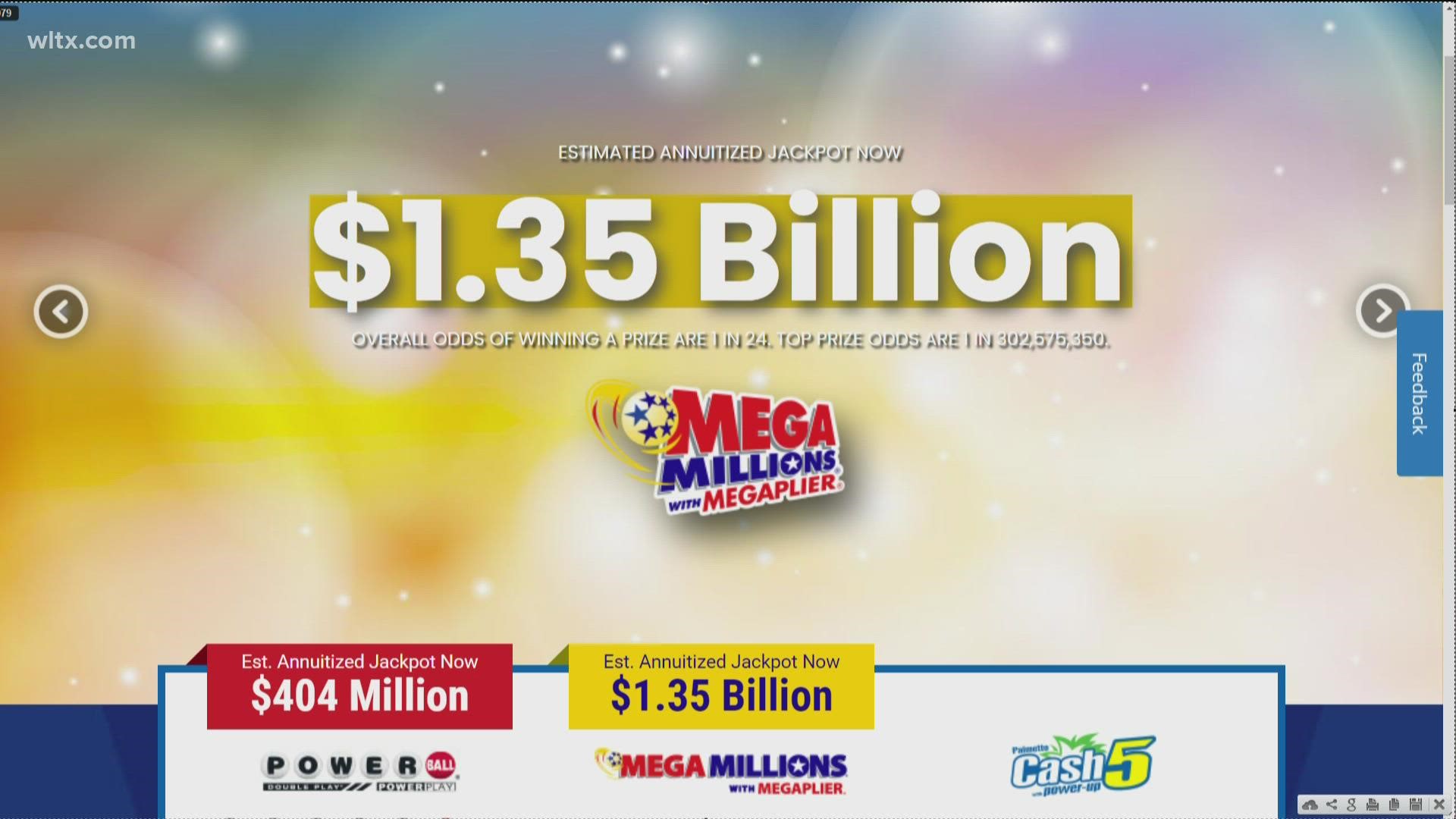
Humans are notoriously poor at conceptualizing very large numbers. The odds of winning the Powerball are approximately 1 in 292 million. To put this in a financial perspective, you are statistically more likely to become a billionaire through traditional entrepreneurship or to be struck by lightning twice than you are to hit the jackpot. Despite this, the visibility of winners creates an “availability heuristic,” where people overestimate the likelihood of an event because examples of it are easily recalled.
Strategic Alternatives to the Lottery for Wealth Building
While the allure of the lottery is the “overnight” transformation of wealth, sustainable financial security is built on the principles of consistency and compounding. If an individual were to redirect the capital typically spent on lottery tickets toward more traditional financial vehicles, the results over a 20-to-30-year horizon are often staggering.
The Power of Compound Interest
Consider an individual who spends $20 a week on lottery tickets—roughly $80 a month. If that same $80 were invested in a low-cost S&P 500 index fund with an average annual return of 7% to 10%, the outcome is predictable and mathematically sound. Over 30 years, that modest monthly contribution could grow to over $150,000. While $150,000 is not a $500 million jackpot, it is a guaranteed asset that provides a safety net and retirement security, unlike the 99.99% probability of losing money in the lottery.
Low-Yield vs. High-Risk Investment Vehicles
For those who enjoy the thrill of the lottery but want a more productive financial outcome, “prize-linked savings accounts” (PLSAs) have emerged as a compelling alternative. These accounts offer the chance to win prizes based on the amount of money saved, rather than money spent. The principal remains intact, allowing the saver to participate in the “lottery” experience without the risk of losing their initial capital.
Automating Savings for Long-Term Security
The key to wealth in personal finance is often the “set it and forget it” mentality. By automating a transfer to a high-yield savings account or an IRA at the same time one would normally buy a ticket, an individual shifts their mindset from speculative gambling to systematic wealth accumulation. This discipline builds the “financial muscles” necessary to manage larger sums of money effectively.
Financial Management After the Draw
In the rare event that the numbers on the screen match the numbers on the ticket, the transition from “hopeful player” to “high-net-worth individual” happens in seconds. This sudden influx of liquidity requires a sophisticated financial strategy to ensure that the wealth is preserved rather than squandered.
The Importance of a Professional Advisory Team
The first step for any major winner is not to cash the ticket immediately, but to assemble a team of professionals. This includes a tax attorney, a certified financial planner (CFP), and a CPA. This team acts as a buffer between the winner and the overwhelming complexities of estate planning, tax mitigation, and predatory solicitations. In many jurisdictions, winners have several months to a year to claim their prize, providing ample time to set up trusts and legal entities that can help maintain anonymity.
Managing “Sudden Wealth Syndrome”
Sudden Wealth Syndrome is a recognized psychological condition where individuals who receive a windfall experience anxiety, guilt, and a lack of control. From a financial management perspective, the greatest risk is “lifestyle creep”—the tendency to rapidly increase spending to match the new net worth. A structured financial plan, which includes a fixed “allowance” and long-term investment goals, is essential to prevent the winner from becoming part of the statistics regarding lottery winners who go bankrupt within five years.
Asset Allocation for Multi-Generational Wealth
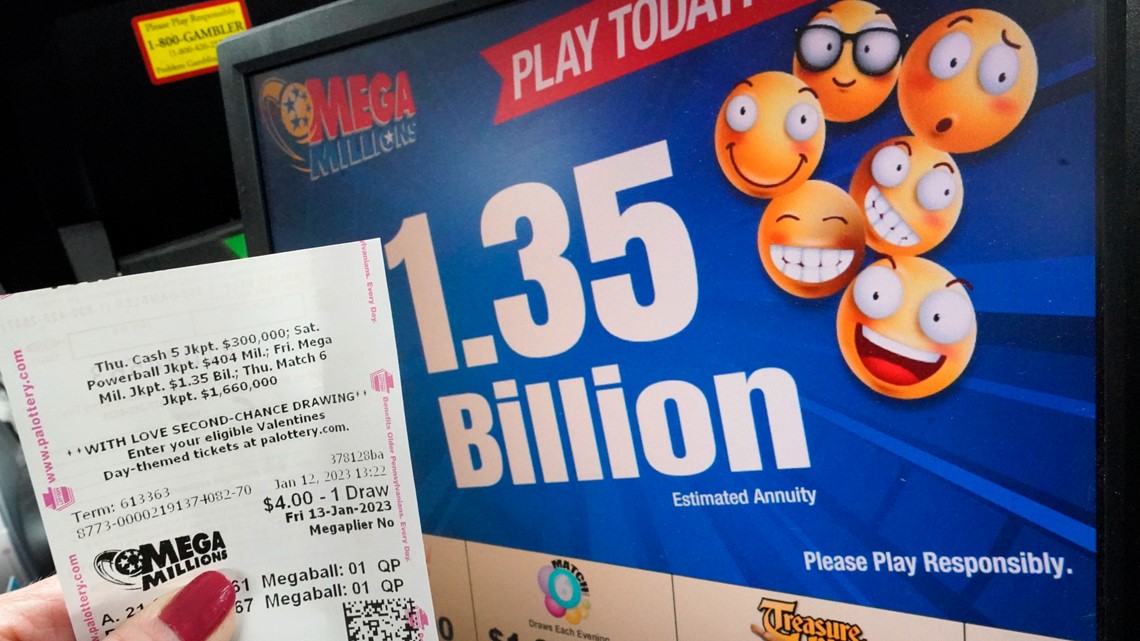
For a jackpot winner, the goal shifts from wealth accumulation to wealth preservation. This involves diversifying assets across various classes, including equities, municipal bonds, real estate, and perhaps private equity. By focusing on a “total return” strategy, a winner can live off the interest and dividends generated by the principal, ensuring that the wealth lasts for several generations. The choice between a “lump sum” and an “annuity” is the first major decision here. While the lump sum provides immediate capital for investment, the annuity offers a guaranteed income stream that protects the winner from their own potential mismanagement of a massive, one-time payment.
Checking the time of the lottery draw is a ritual for millions, representing a momentary escape from financial reality. However, by understanding the mechanics of the game—from the draw schedule to the tax implications and the opportunity costs—one can transform a game of chance into a broader conversation about financial literacy, disciplined saving, and the true nature of wealth in the modern economy.
aViewFromTheCave is a participant in the Amazon Services LLC Associates Program, an affiliate advertising program designed to provide a means for sites to earn advertising fees by advertising and linking to Amazon.com. Amazon, the Amazon logo, AmazonSupply, and the AmazonSupply logo are trademarks of Amazon.com, Inc. or its affiliates. As an Amazon Associate we earn affiliate commissions from qualifying purchases.