
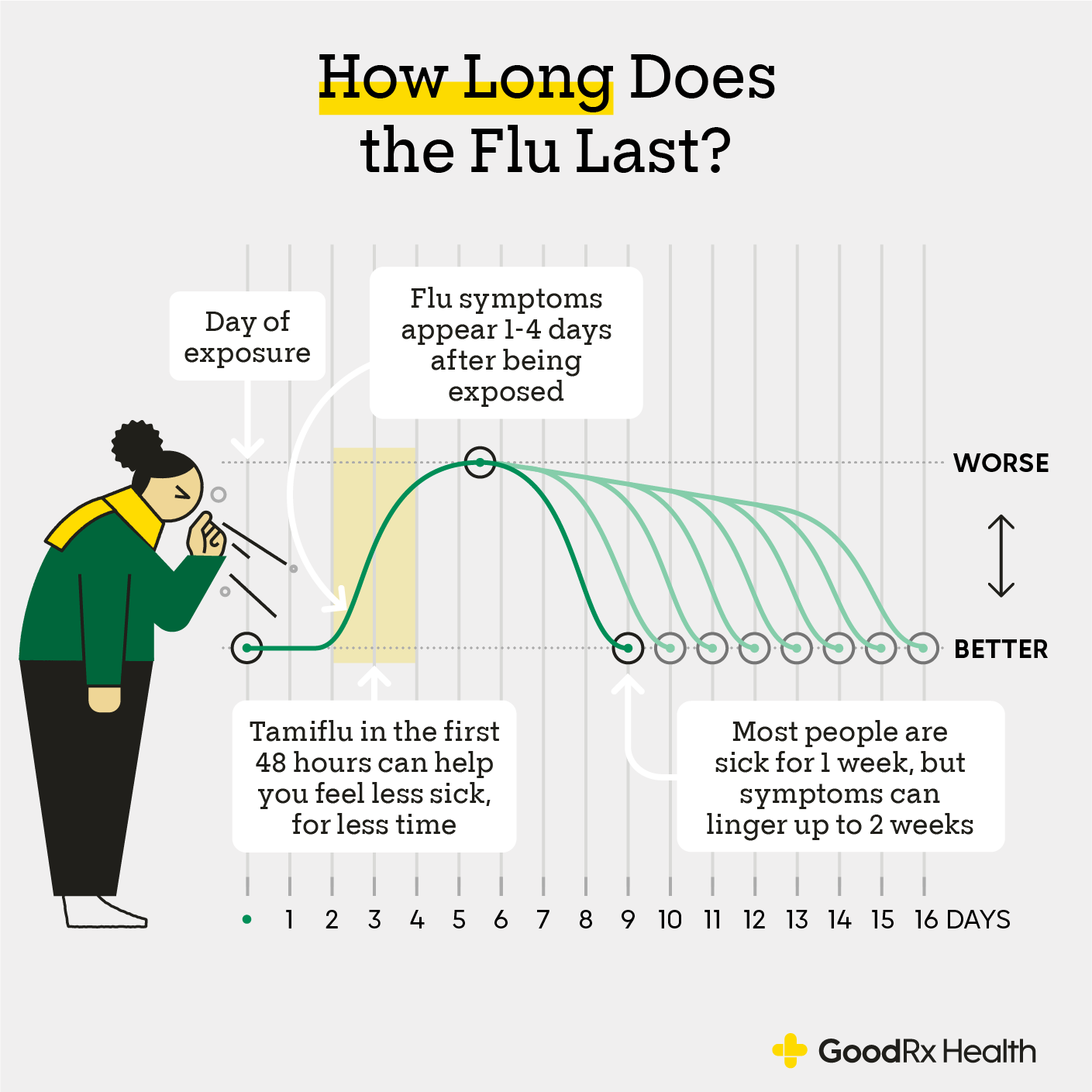
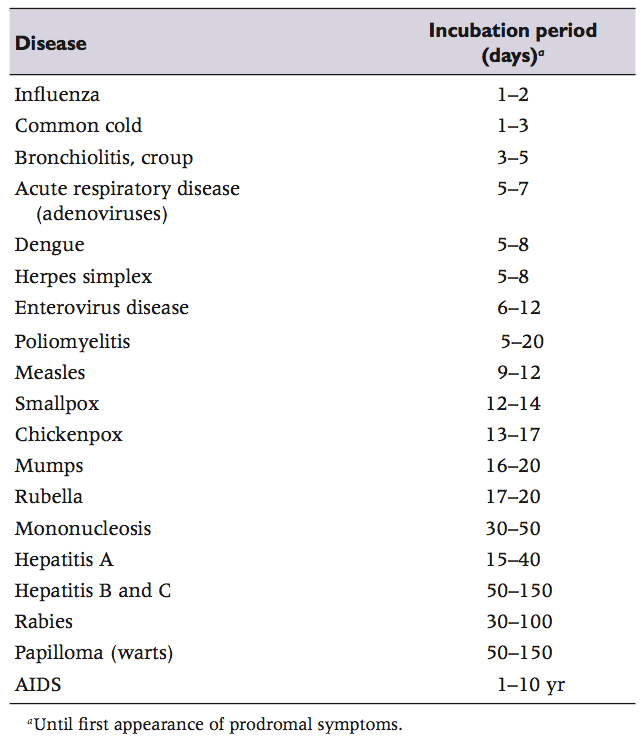
The influenza incubation period—the critical window between exposure to the virus and the manifestation of physical symptoms—has long been a cornerstone of epidemiological study. Traditionally defined as lasting between one and four days, with an average of two days, this “silent phase” represents a significant challenge for public health officials and a unique opportunity for the technology sector. In an era defined by rapid digital transformation, understanding the influenza incubation period is no longer just a biological inquiry; it is a data science imperative.
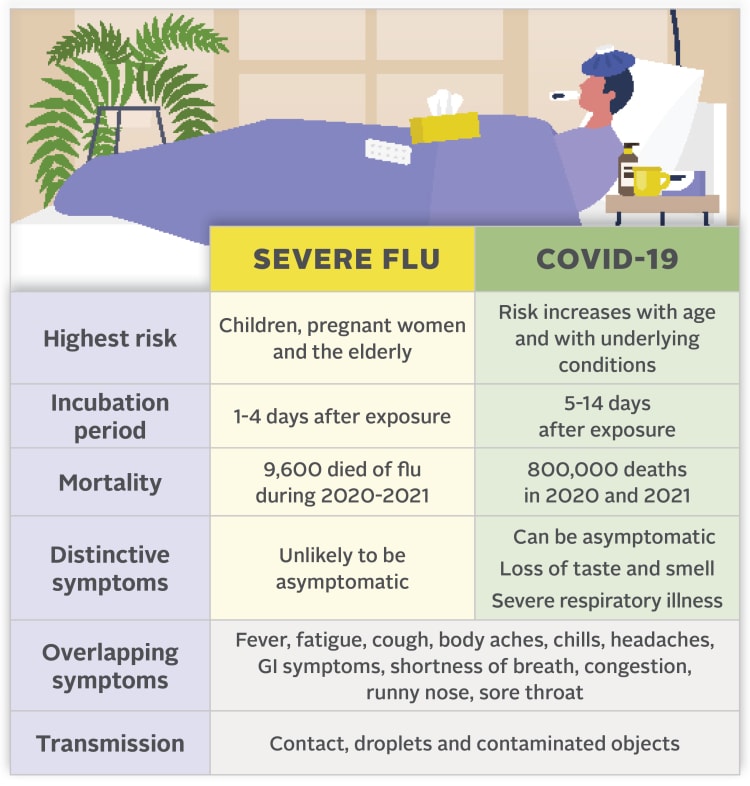
As we move deeper into the decade, the convergence of biotechnology, artificial intelligence, and wearable sensors is redefining how we identify, monitor, and mitigate the risks associated with this viral window. By leveraging high-velocity data streams, software engineers and bioinformaticians are turning the invisible incubation period into a predictable, actionable data set.
Decoding the “Silent Phase”: The Science and Digital Modeling of Incubation
From a biological standpoint, the incubation period is the time required for the influenza virus to replicate within the host’s respiratory epithelial cells to a threshold high enough to trigger the body’s innate immune response. While the biological mechanics are well-documented, the technological modeling of these mechanics is where the most significant modern breakthroughs are occurring.
Computational Biology and Viral Mapping
In the past, the incubation period was estimated through observational studies and patient interviews—methods prone to human error and recall bias. Today, computational biology utilizes sophisticated algorithms to simulate the viral lifecycle at a molecular level. Researchers use “bio-digital twins”—virtual models of human respiratory systems—to run thousands of simulations on how different strains of influenza, such as H1N1 or H3N2, interact with cellular structures during the incubation phase. These models allow developers to predict how variations in viral load might shorten or extend the incubation window, providing critical data for the development of antiviral software and diagnostic tools.
Algorithmic Precision vs. Statistical Averages
Traditional healthcare relies on the “two-day average” for influenza incubation. However, technology-driven medicine recognizes that this average is an oversimplification. Machine learning (ML) models now analyze variables such as age, prior immunity, and genetic markers to provide a personalized incubation profile. By processing massive datasets from previous flu seasons, these AI tools can identify patterns that suggest a specific demographic may have a 72-hour incubation period versus a 24-hour window for another. This level of precision is vital for creating digital “early warning systems” in corporate and clinical environments.
IoT and Wearables: Detecting the Pre-Symptomatic Window
Perhaps the most exciting frontier in managing the influenza incubation period is the rise of the Internet of Things (IoT) and wearable technology. Devices such as smartwatches, fitness trackers, and continuous health monitors are now capable of detecting physiological changes that occur during the incubation period, long before the user feels “sick.”
Heart Rate Variability (HRV) as a Digital Biomarker
During the influenza incubation period, the autonomic nervous system often reacts to the burgeoning viral load before systemic symptoms like fever or cough emerge. One of the most reliable indicators is a drop in Heart Rate Variability (HRV) and a slight elevation in resting heart rate.
Advanced algorithms integrated into consumer wearables are now trained to recognize these subtle shifts. By establishing a “digital baseline” for an individual user, the software can flag deviations that correlate with the early stages of viral replication. This transforms the wearable from a fitness tracker into a sophisticated diagnostic tool that can alert a user that they are in the incubation phase, allowing them to self-isolate and seek treatment before they become a vector for transmission.
Thermal Sensors and Respiratory Rate Monitoring
Newer iterations of wearable tech have incorporated clinical-grade skin temperature sensors and plethysmography-based respiratory rate tracking. While a full-blown fever marks the end of the incubation period, “micro-trends” in body temperature—fluctuations of a fraction of a degree—can be detected by high-precision sensors during the 48 hours following exposure. When combined with an increased respiratory rate, these data points provide a high-probability digital signature of influenza. For tech developers, the challenge lies in filtering out “noise” (such as stress or exercise) to ensure the accuracy of these pre-symptomatic alerts.
AI-Driven Epidemic Forecasting: Scaling Incubation Data
Beyond individual health, the technology used to track the influenza incubation period is being scaled to protect entire populations. Digital epidemiology uses “Big Data” to map the spread of the virus in real-time, using the known parameters of the incubation period to forecast where an outbreak will hit next.
Machine Learning in Seasonal Flu Monitoring
Public health platforms now integrate data from various digital sources: search engine trends, social media sentiment, and anonymized data from health apps. By applying neural networks to this data, analysts can track the “wave” of the virus. Because the incubation period is a fixed biological constraint, AI models can calculate the velocity of an outbreak. If a cluster of symptoms is reported in one geographic area, the software can predict the radius of potential exposure based on the 1-to-4-day incubation lag, allowing for proactive resource allocation in hospitals and pharmacies.
Synthetic Populations and Simulation-Based Strategies
To better understand how the incubation period affects urban environments, data scientists create “synthetic populations”—digital replicas of cities where “agents” move, work, and interact. By programming these agents with the biological rules of influenza (including the specific incubation window and shedding rates), researchers can test the effectiveness of different technological interventions. For instance, they can simulate how a 24-hour improvement in diagnostic speed (catching the virus mid-incubation) could flatten the curve of a seasonal epidemic. These simulations are essential for government agencies and tech firms collaborating on smart-city health infrastructure.
The Digital Security and Ethics of Viral Tracking
As we develop more advanced tech to monitor the influenza incubation period, the conversation inevitably turns to digital security and data privacy. Tracking a biological process that occurs “inside” an individual before they even know they are ill requires a high degree of data intimacy.
Balancing Privacy with Public Health
The collection of biometric data—heart rate, temperature, and sleep patterns—falls under the umbrella of sensitive personal information. Technology providers must navigate the complex landscape of HIPAA in the United States and GDPR in Europe. The challenge is to create systems that can provide early warnings for influenza during the incubation phase without compromising the user’s digital identity. Many tech firms are turning to “edge computing,” where the analysis of the incubation data happens locally on the device rather than in a centralized cloud, ensuring that raw health data never leaves the user’s possession.
Blockchain and Decentralized Health Records
To further secure health data during viral monitoring, blockchain technology is being explored as a solution for decentralized health records. By using a distributed ledger, a patient could grant temporary access to their pre-symptomatic data to a healthcare provider or an employer’s wellness app without relinquishing permanent control. This ensures that the tracking of an influenza incubation period is a transparent, opt-in process that prioritizes the security of the individual’s digital footprint.
Future Outlook: From Reactive Treatment to Proactive Prevention
The integration of technology into the study of the influenza incubation period is moving the needle from reactive medicine to proactive prevention. We are entering an era where “software as a medical device” (SaMD) will play as large a role in flu season as the annual vaccine.
In the near future, we can expect to see integrated “Health Clouds” that combine genomic data with real-time sensor data to provide an even more accurate picture of the incubation phase. Imagine a scenario where your smart home environment adjusts its humidity and air filtration levels because your wearable detected a dip in HRV consistent with an influenza incubation signature.
The goal of the tech industry is to narrow the gap between exposure and detection. By mastering the data of the influenza incubation period, we can effectively “buy back” time. Those two to four days of silent viral replication are no longer a period of helpless waiting; they are a window for digital intervention, early treatment, and the containment of spread. As our tools become more sensitive and our algorithms more predictive, the “silent phase” of the flu will become one of the most well-understood and managed aspects of modern digital health.
aViewFromTheCave is a participant in the Amazon Services LLC Associates Program, an affiliate advertising program designed to provide a means for sites to earn advertising fees by advertising and linking to Amazon.com. Amazon, the Amazon logo, AmazonSupply, and the AmazonSupply logo are trademarks of Amazon.com, Inc. or its affiliates. As an Amazon Associate we earn affiliate commissions from qualifying purchases.