
When a consumer asks, “What time is Academy Sports open?” they are typically looking for a window of opportunity to purchase gear. However, from a financial and business perspective, those operational hours represent a complex intersection of labor costs, inventory turnover, and market demand. Academy Sports + Outdoors (NASDAQ: ASO) has evolved from a family-owned surplus store into a powerhouse in the sporting goods sector. Understanding its “opening times” is, in essence, understanding the rhythmic heartbeat of a multi-billion dollar retail engine that has mastered the art of the regional value proposition.

The Revenue Dynamics of Operational Hours: Why Store Accessibility Matters to Investors
The literal answer to what time Academy Sports is open—generally 9:00 AM to 9:00 PM across most locations—is a calculated decision rooted in retail analytics. For investors and financial analysts, these hours are not arbitrary; they are the result of rigorous data modeling designed to maximize the Return on Investment (ROI) of physical floor space.
Accessibility and the Retail Footprint
Academy Sports + Outdoors operates over 280 stores across the United States, with a heavy concentration in the Southeast and Midwest. The financial significance of their opening times lies in the “cost of readiness.” Every hour the doors are open, the company incurs variable costs, including electricity, security, and staff wages.
The brand’s strategy focuses on “omni-channel” accessibility. By maintaining consistent and predictable store hours, Academy ensures that it captures the “immediate need” market—the parent buying a baseball mitt before a Saturday game or the angler picking up bait at sunrise. This physical accessibility complements their digital storefront, creating a seamless financial ecosystem where the physical store acts as both a showroom and a micro-fulfillment center.
Optimizing Store Hours for Maximum ROI
In the post-pandemic retail landscape, Academy has refined its operational schedule to align with consumer behavior shifts. Financial reports indicate that retail efficiency is measured by “sales per square foot.” By aligning store hours with peak traffic periods, Academy minimizes “dead time” where labor costs might outweigh hourly revenue.
Unlike 24-hour retailers, Academy’s 9-to-9 or 9-to-10 schedule protects profit margins. This discipline in operational management is a key reason why the company has maintained a healthy EBITDA (Earnings Before Interest, Taxes, Depreciation, and Amortization) margin compared to smaller, less organized competitors.
Market Positioning and Competitive Advantage in the Sporting Goods Sector
To understand the financial viability of Academy Sports, one must look at where it sits in the broader market. The “Money” story of Academy is one of strategic positioning. It occupies the “Value” tier, sitting comfortably between the premium pricing of Dick’s Sporting Goods and the generalist approach of big-box retailers like Walmart or Target.
Academy vs. Dick’s Sporting Goods: A Financial Comparison
When analyzing the sporting goods industry, Dick’s Sporting Goods (DKS) is the primary benchmark. While Dick’s has moved toward a “House of Sport” concept—premium, high-experience, and high-price—Academy has doubled down on the “Everyday Value” model.
From an investment standpoint, Academy’s lower price point and focus on “Value” brands (including their private label, Magellan Outdoors) provide a defensive moat during economic downturns. When inflation rises and discretionary income shrinks, consumers often trade down from premium retailers to value retailers. This makes Academy’s revenue streams remarkably resilient. Their balance sheet reflects this stability, characterized by high inventory turnover rates and a loyal customer base that views Academy as the most cost-effective destination for outdoor and athletic needs.
The Value Proposition and Consumer Loyalty
The brand’s financial success is heavily tied to its “power categories”: hunting, fishing, and team sports. These are not just hobbies; they are lifestyles with recurring revenue models. A hunter needs new ammunition; a baseball player needs more grip tape. By keeping their doors open during the times most convenient for these hobbyists, Academy captures “wallet share” that might otherwise go to online-only retailers. The physical presence allows for a “basket size” increase—a customer coming in for a specific item often leaves with impulse purchases, a metric that significantly boosts the company’s bottom line.
Financial Performance and the Scalability of the Business Model
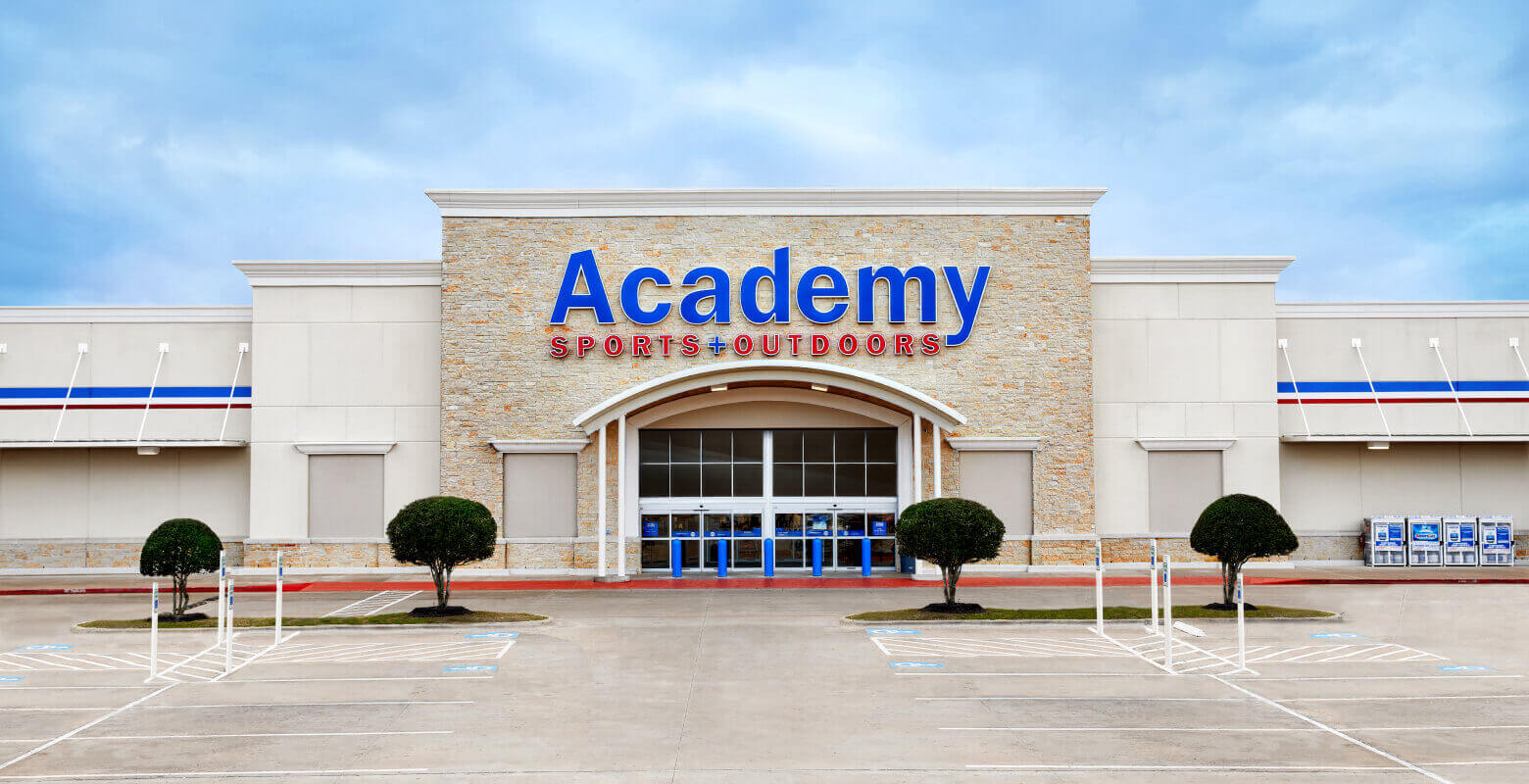
Academy Sports + Outdoors went public in late 2020, and its performance since then has been a masterclass in retail scaling. To understand the “Money” behind the brand, one must look at how they manage their capital and where they see the highest margins.
Analyzing E-commerce vs. Brick-and-Mortar Revenue
While the query “what time is Academy Sports open” implies a physical visit, the financial reality is that Academy’s digital growth is a major contributor to its valuation. However, unlike many “e-commerce first” brands, Academy uses its stores to fuel its digital sales.
Approximately 75% of their online orders are fulfilled through their stores, either via Buy Online, Pick Up In-Store (BOPIS) or ship-from-store. This is a massive financial advantage. It reduces shipping costs and leverages existing inventory, effectively turning every “open” store into a regional warehouse. This hybrid model protects margins against the rising costs of third-party logistics, a common pitfall for traditional retailers.
Debt Management and Capital Allocation
A critical aspect of Academy’s financial health is its aggressive debt reduction. Since its IPO, the company has focused on strengthening its balance sheet. This fiscal conservatism has allowed them to initiate dividend payments and share buyback programs—two signals of a mature, cash-flow-positive business.
For the person asking about store hours, this financial stability means the store they visit today will likely be there ten years from now. For the investor, it means the company is generating “free cash flow” that can be reinvested into store modernizations, improving the very experience the customer seeks when they walk through the doors at 9:00 AM.
Future Outlook: Growth Drivers and Market Risks
As we look toward the future of Academy Sports, the question of “opening times” expands into new geographies. The company is currently in an aggressive expansion phase, targeting new markets in the West and North.
Expansion into New Markets
Academy has identified a massive “white space” opportunity. By moving into territories where they currently have no footprint, they can replicate their successful “Value + Outdoors” model. Each new store opening is a capital expenditure (CAPEX) project that the company expects to pay for itself within a few years.
The financial logic is simple: if the model works in Texas and Georgia, it can work in Ohio and Indiana. The “opening time” of a new store in a new state represents a new stream of revenue and an increase in the company’s total addressable market (TAM).
Macroeconomic Factors and Consumer Spending Trends
Despite its strengths, Academy is not immune to macroeconomic headwinds. Rising interest rates and fluctuating consumer confidence can impact high-ticket items like kayaks, treadmills, and expensive grills.
However, the “Money” perspective suggests that Academy is better positioned than most. Their diversified product mix—ranging from $5 socks to $1,000 gun safes—allows them to weather different economic climates. When people stop buying expensive gym equipment, they often spend more on accessible outdoor activities like camping or fishing, both of which are Academy’s bread and butter.

Conclusion: The Value of the Open Door
When someone asks, “What time is Academy Sports open?” they are participating in a retail cycle that is a cornerstone of the American economy. From the perspective of business finance, those twelve hours of operation are the culmination of sophisticated logistics, strategic branding, and disciplined financial management.
Academy Sports + Outdoors has proven that a traditional brick-and-mortar retailer can thrive in a digital age by focusing on value, regional expertise, and operational efficiency. Their ability to manage labor costs during their open hours, leverage their physical locations for e-commerce fulfillment, and maintain a “Value” position in the market has made them a darling of the retail investment world.
In the final analysis, Academy is more than just a place to buy a jersey or a tent; it is a finely tuned financial instrument. Whether you are a customer waiting for the doors to swing open at 9:00 AM or an investor analyzing the quarterly earnings report, the conclusion is the same: Academy Sports has mastered the clock, the shelf, and the balance sheet. Their “open” sign is a signal of a business that understands exactly where it fits in the consumer’s life—and more importantly, exactly how to turn that presence into sustainable, long-term profit.
aViewFromTheCave is a participant in the Amazon Services LLC Associates Program, an affiliate advertising program designed to provide a means for sites to earn advertising fees by advertising and linking to Amazon.com. Amazon, the Amazon logo, AmazonSupply, and the AmazonSupply logo are trademarks of Amazon.com, Inc. or its affiliates. As an Amazon Associate we earn affiliate commissions from qualifying purchases.