
For investors and traders navigating the complexities of the financial landscape, time is as critical a resource as capital. Understanding exactly when the U.S. stock market opens and closes is not merely a matter of checking a clock; it is a fundamental component of a successful investment strategy. The U.S. equity markets, primarily led by the New York Stock Exchange (NYSE) and the Nasdaq, operate on a standardized schedule that dictates the flow of global liquidity.
The standard closing time for the U.S. stock market is 4:00 PM Eastern Time (ET). While this might seem straightforward, the transition from active trading to the finality of the “closing bell” involves sophisticated mechanisms, extended sessions, and specific rules that can significantly impact a portfolio’s value.
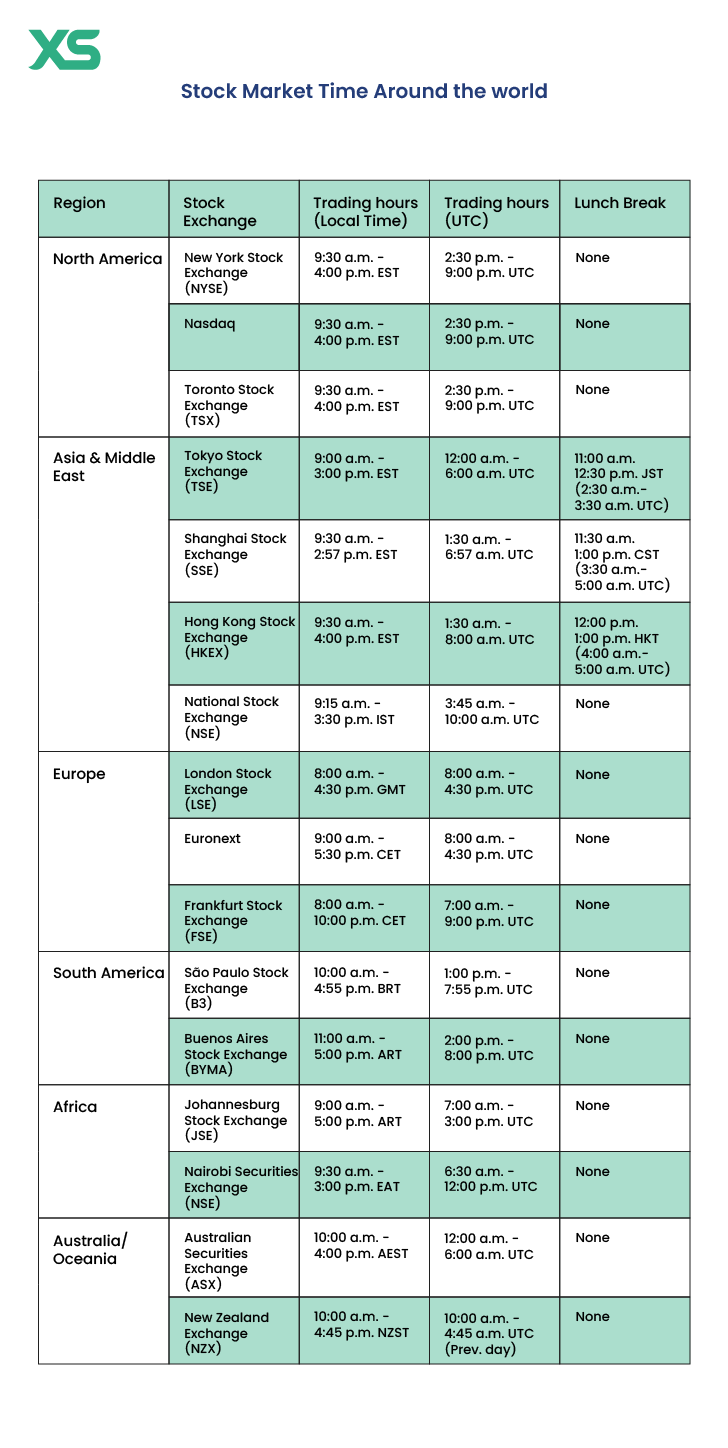
Understanding Regular Trading Hours and the Closing Bell
The standard trading session in the United States is the primary window where the highest volume of trading occurs. This period is characterized by the most narrow “bid-ask spreads” and the highest level of liquidity, making it the preferred time for retail and institutional investors to execute their trades.
The Standard Schedule: NYSE and NASDAQ
The regular trading day for both the New York Stock Exchange and the Nasdaq begins at 9:30 AM ET and concludes at 4:00 PM ET. This six-and-a-half-hour window is when the vast majority of price discovery happens. Unlike some international markets that observe a “siesta” or mid-day lunch break, the U.S. markets trade continuously throughout this duration.
The consistency of these hours allows global participants—ranging from a day trader in London to a pension fund manager in Tokyo—to synchronize their activities with the American financial engine. Because the U.S. dollar serves as the world’s reserve currency and the U.S. stock market is the largest globally by market capitalization, the 4:00 PM ET close serves as a daily benchmark for global finance.
The Significance of the Closing Bell
The closing bell is more than a ceremonial tradition. In the moments leading up to 4:00 PM ET, the exchanges conduct what is known as a “closing auction.” This is a highly regulated process designed to determine the official closing price of every listed security.
During the final minutes of the day, traders submit “market-on-close” (MOC) and “limit-on-close” (LOC) orders. The exchange’s computers aggregate these orders to find the price point where the maximum number of shares can be traded. This official closing price is crucial because it is used to calculate the daily net asset value (NAV) of mutual funds and exchange-traded funds (ETFs), and it serves as the reference point for many derivative contracts.
Beyond the Bell: Extended Hours Trading
In our hyper-connected digital age, the financial world does not stop moving just because the physical floor of the NYSE has emptied. Extended-hours trading allows investors to react to news that breaks outside of the standard 9:30 AM to 4:00 PM window, such as quarterly earnings reports or geopolitical shifts.
After-Hours Trading: Risks and Rewards
The after-hours session begins immediately at 4:00 PM ET and can run as late as 8:00 PM ET. This session is facilitated by Electronic Communication Networks (ECNs) that match buyers and sellers automatically.
For the savvy investor, after-hours trading provides the opportunity to trade on “fresh” news. For instance, most major corporations release their earnings data at 4:05 PM or 4:15 PM ET. If an investor waits until the next morning to trade, they may miss the initial price movement. However, after-hours trading comes with significant risks:
-
Lower Liquidity: Far fewer participants trade after 4:00 PM, meaning it can be harder to enter or exit a position.
-
Wider Spreads: Due to fewer participants, the difference between the buying price and the selling price often widens, potentially leading to less favorable execution.
-
Price Volatility: With less volume, a single large trade can cause a disproportionate swing in a stock’s price.
Pre-Market Trading Mechanics
Similarly, the pre-market session begins as early as 4:00 AM ET, although most active trading occurs between 8:00 AM and 9:30 AM ET. This period is often used by traders to digest news that occurred overnight in European markets or macro-economic data releases, such as the Monthly Jobs Report or Consumer Price Index (CPI) updates, which are typically released at 8:30 AM ET.
Market Holidays and Early Closures
The U.S. market does not operate 365 days a year. Investors must be aware of the federal holiday schedule and specific days where the market closes its doors early to avoid the frustration of “dead” trading days or unexpected illiquidity.
Scheduled Federal Holidays
The NYSE and Nasdaq observe nine major holidays per year, during which the markets are completely closed:
-
New Year’s Day
-
Martin Luther King, Jr. Day
-
Presidents’ Day
-
Good Friday
-
Memorial Day
-
Juneteenth National Independence Day
-
Independence Day (July 4th)
-
Labor Day
-
Thanksgiving Day
-
Christmas Day
When these holidays fall on a weekend, the market typically closes on the preceding Friday or the following Monday. For example, if Christmas falls on a Sunday, the market is usually closed on Monday, December 26th.
Early Close Days: Black Friday and Christmas Eve
On certain occasions, the market observes shortened trading hours. Typically, on the day after Thanksgiving (Black Friday) and sometimes on Christmas Eve (depending on the day of the week), the market closes at 1:00 PM ET. The after-hours session on these days is also truncated, usually ending at 5:00 PM ET. These “half-days” are often characterized by very low volume, as many institutional traders take the time off, leading to erratic price movements.
Global Timezones and the Impact on Strategy
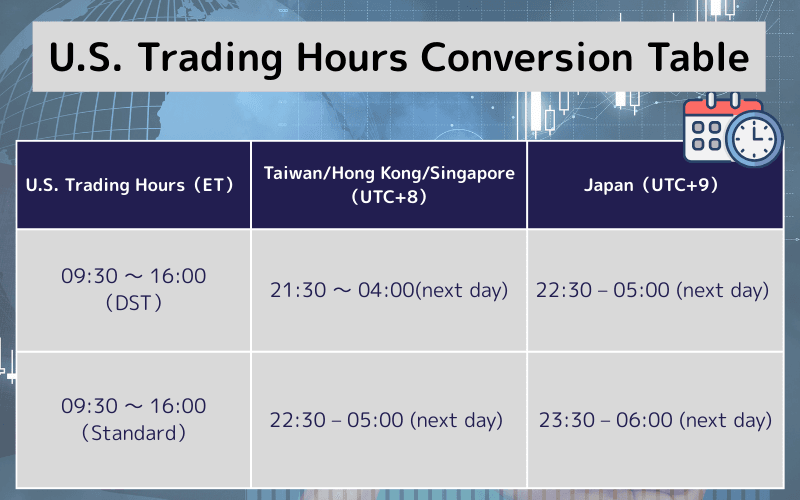
For investors living outside the Eastern Time Zone, keeping track of the market close requires constant mental math. The U.S. observes Daylight Saving Time, which can create temporary shifts in the time difference between New York and international hubs like London, Hong Kong, or Sydney.
Converting EST to Global Trading Hubs
Understanding the 4:00 PM ET close in a global context is vital for those managing international portfolios.
-
Pacific Time (PT): The market closes at 1:00 PM PT. This often means West Coast investors are finishing their lunch just as the trading day ends.
-
Greenwich Mean Time (GMT/UTC): Depending on the time of year, the U.S. market closes at either 8:00 PM or 9:00 PM GMT.
-
Central European Time (CET): The close typically occurs at 10:00 PM CET, making the U.S. close the “nightcap” for European traders.
The “Power Hour” Phenomenon
The final hour of trading, from 3:00 PM to 4:00 PM ET, is colloquially known as “Power Hour.” This is often the most volatile and high-volume period of the day. Day traders often look to close out their positions before the 4:00 PM bell to avoid the risks associated with holding stocks overnight. Conversely, institutional managers often wait until this hour to execute large block trades to ensure they get a price close to the official daily benchmark. Understanding the dynamics of this final hour is essential for anyone looking to optimize their entry and exit points.
Navigating Volatility at the Market Close
The closing minutes of the market are not just a countdown; they are a battleground of supply and demand. For the individual investor, navigating this volatility requires discipline and the right tools.
Institutional Balancing and Liquidity
Large mutual funds and pension funds often rebalance their portfolios at the end of the month or quarter. Because they need to move millions of shares, they rely on the deep liquidity available at the 4:00 PM ET close. This can lead to “window dressing,” where fund managers buy high-performing stocks or sell losers just before the close to make their quarterly reports look more attractive to shareholders.

Tools for Timing Your Trades
To manage the risks of the market close, investors should utilize specific order types. Using a “limit order” instead of a “market order” near the close ensures that you do not get caught in a sudden price spike and end up paying more than intended. Additionally, tracking the “Real-Time Quote” and the “Order Book” can provide insights into how much selling or buying pressure is building up as the clock ticks toward 4:00 PM.
In conclusion, while the answer to “what time does the U.S. market close” is 4:00 PM ET, the implications of that time permeate every aspect of financial planning. From the mechanics of the closing auction to the strategic nuances of the Power Hour and the risks of after-hours trading, timing is an inseparable element of market mastery. By aligning your trading activities with these established schedules, you position yourself to capitalize on liquidity while protecting your capital from the volatility of the unknown.
aViewFromTheCave is a participant in the Amazon Services LLC Associates Program, an affiliate advertising program designed to provide a means for sites to earn advertising fees by advertising and linking to Amazon.com. Amazon, the Amazon logo, AmazonSupply, and the AmazonSupply logo are trademarks of Amazon.com, Inc. or its affiliates. As an Amazon Associate we earn affiliate commissions from qualifying purchases.