
The concept of a “livable wage” is far more nuanced and complex than a simple hourly rate. It represents the income an individual or household needs to afford basic necessities, maintain a decent standard of living, and participate in community life, free from the constant stress of financial insecurity. Unlike the minimum wage, which is often set by law at a level that may not cover basic costs, a livable wage aims to provide enough to cover essential expenses such such as housing, food, healthcare, transportation, and childcare, with a small margin for savings and discretionary spending. Understanding what constitutes a livable wage is critical not only for individual financial planning but also for broader economic policy discussions, impacting everything from local economies to national poverty rates.

Defining the Elusive ‘Livable Wage’
At its core, a livable wage is about dignity and sustainability. It’s the point at which an individual or family can meet their basic needs without resorting to public assistance or working excessive hours. This definition immediately highlights its subjective and dynamic nature, as “basic needs” and “decent standard of living” can vary significantly based on numerous factors.
Beyond the Minimum: What Minimum Wage Misses
For decades, the minimum wage has been the baseline for entry-level compensation in many countries, intended to protect workers from exploitation and ensure a basic income floor. However, in many economies, the statutory minimum wage has failed to keep pace with the rising cost of living, particularly for essential goods and services. The federal minimum wage in the United States, for instance, has remained stagnant for over a decade, while costs for housing, healthcare, and education have soared.
This disparity creates a scenario where full-time workers earning minimum wage often find themselves struggling to make ends meet, relying on food banks, public housing, or multiple jobs to survive. The minimum wage, by its very design, often serves as a bare minimum, not a sufficient one. It typically doesn’t account for the actual local cost of living, household size, or specific regional economic conditions. Consequently, a minimum wage might offer a legal floor, but it rarely provides the economic stability necessary for a truly livable existence in today’s society. The gap between minimum wage and a livable wage underscores a fundamental challenge in economic justice and worker welfare.
Factors Influencing Livability: A Dynamic Calculation
Calculating a livable wage is far from a one-size-fits-all equation. It’s a dynamic calculation influenced by a multitude of interconnected factors that fluctuate based on geography, demography, and economic conditions.
Firstly, geographic location is arguably the most significant determinant. The cost of housing, transportation, and even groceries can vary dramatically between urban centers, suburban areas, and rural communities, and across different states or countries. What is sufficient in a small town in the Midwest might be woefully inadequate in a major coastal city.
Secondly, household composition plays a crucial role. A single individual living alone has different financial requirements than a single parent with two children, or a two-income household supporting elderly parents. The number of dependents, their ages, and their specific needs (e.g., childcare, healthcare for specific conditions) heavily influence the total income required.
Thirdly, access to and cost of essential services like healthcare, childcare, and public transportation are critical. In countries with universal healthcare, a significant financial burden is lifted from individuals. Conversely, in systems where healthcare is largely privatized and employer-dependent, the cost of insurance premiums, co-pays, and deductibles can be astronomical. Similarly, the availability and affordability of quality childcare can make or break a family’s budget.
Finally, local tax structures, economic development, and inflation rates also contribute to the fluidity of the livable wage calculation. A region with high property taxes or sales taxes will require a higher gross income to achieve the same net purchasing power. The constant creep of inflation means that what was a livable wage a decade ago may no longer be adequate today. These intertwined factors make the livable wage a moving target, necessitating regular re-evaluation and adaptation.
The Components of a Livable Life: Breaking Down Essential Costs
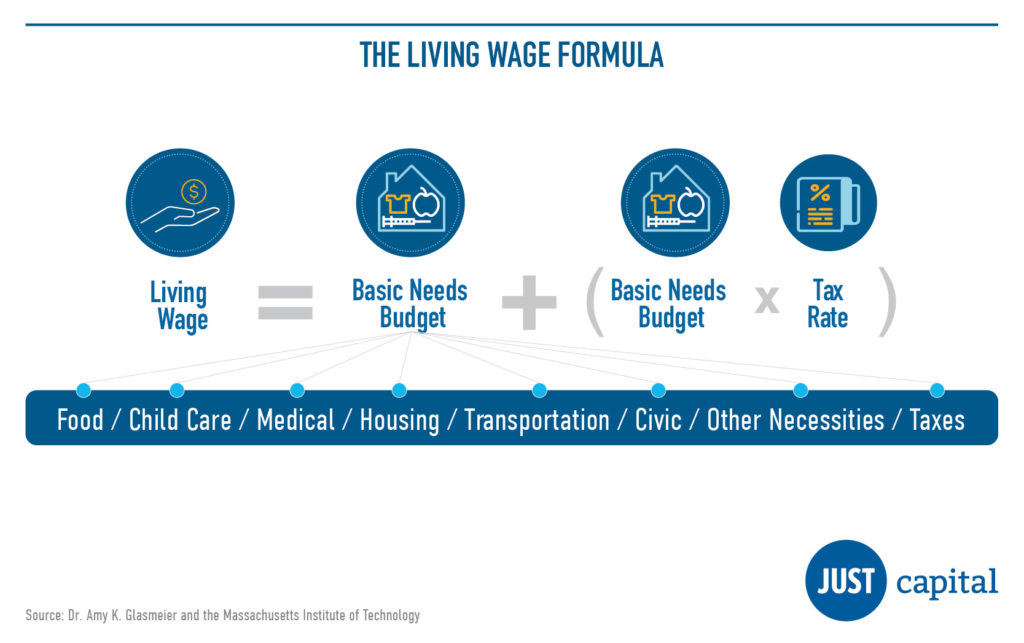
To understand a livable wage, it’s essential to dissect the various expenditure categories that make up an individual or family’s budget. These are the non-negotiable costs that must be covered for basic survival and well-being.
Housing: The Foundation of Stability
Housing is almost universally the largest single expenditure for most households. A livable wage must account for the cost of safe, decent, and adequate shelter. This includes not just rent or mortgage payments, but also essential utilities like electricity, heating/cooling, water, and internet access. The general rule of thumb suggests that housing costs should not exceed 30% of one’s income, but in many high-cost-of-living areas, this percentage is often exceeded, pushing households into financial precariousness. The affordability crisis in housing markets globally makes this component a significant driver of the overall livable wage calculation. Without stable housing, all other aspects of life become profoundly more challenging.
Food & Nutrition: A Non-Negotiable Expense
Access to sufficient, nutritious food is a fundamental human right and a cornerstone of health and productivity. A livable wage must allow for the purchase of healthy groceries, enabling individuals and families to prepare balanced meals. This goes beyond mere sustenance; it’s about providing enough for a varied diet that supports physical and mental well-being, rather than just cheap, processed foods that may lead to long-term health issues. The cost of food varies significantly by region and dietary preferences, but a realistic budget must account for regular grocery shopping, with some allowance for occasional, modest dining out as part of social participation.
Healthcare & Wellness: Unpredictable but Crucial
Healthcare costs represent one of the most unpredictable yet absolutely crucial components of a livable budget. This includes health insurance premiums, co-payments for doctor visits, prescription medications, and dental and vision care. For individuals without employer-sponsored insurance or those in countries without universal healthcare, these costs can be prohibitive. A livable wage must factor in these expenses to prevent a single illness or accident from plunging a household into medical debt or forcing them to forgo necessary treatment. Furthermore, it should ideally allow for preventative care, which can avert more serious and expensive health problems down the line.
Transportation: Getting to Work and Beyond
The ability to get to work, access services, and participate in community life requires reliable transportation. For many, this means owning and maintaining a car, which entails costs for vehicle payments, insurance, fuel, maintenance, and repairs. For others, it involves public transportation fares (buses, trains, subways). In areas with limited public transport, car ownership becomes a necessity, adding a substantial financial burden. A livable wage must adequately cover these costs, ensuring that individuals are not isolated or prevented from accessing employment and essential services due to a lack of affordable mobility.
Childcare & Education: Investing in the Future
For households with children, childcare is often one of the most astronomical expenses, frequently rivaling or even exceeding housing costs. Quality childcare is essential for parents to work and for children to develop. A livable wage calculation for families must include the cost of daycare, preschool, or after-school programs. Beyond childcare, there are also educational expenses such as school supplies, fees, and perhaps even savings for higher education. These investments in a child’s future are not luxuries but necessities for their development and the family’s long-term stability.
Other Necessities: Clothing, Personal Care, and Communication
Beyond the major categories, a livable wage must also cover a range of other essential items that contribute to a decent quality of life. This includes basic clothing appropriate for work and daily life, personal hygiene products (soap, shampoo, toothpaste), and communication services like a mobile phone and internet connection, which are increasingly vital for job searching, remote work, and staying connected. There should also be a small allowance for personal enrichment, such as modest entertainment or savings, recognizing that a truly livable wage isn’t just about survival but also about the ability to participate in society and plan for the future.
The Regional Disparity: Why Location Matters Immensely
The national discussion around a livable wage often struggles with the reality that economic conditions and costs of living vary dramatically across different regions. What is considered a livable income in one part of a country can be insufficient in another, highlighting the profound impact of geography on financial well-being.
Urban vs. Rural: Cost of Living Contrast
The most evident regional disparity exists between urban centers and rural areas. Major metropolitan cities, with their dense populations and thriving job markets, typically come with a significantly higher cost of living. Housing in cities like New York, San Francisco, or London can be several times more expensive than in a smaller town, pushing up the required livable wage proportionally. Transportation costs might be lower if robust public transport systems are available, but other expenses, from groceries to entertainment, tend to be inflated in urban environments.
Conversely, rural areas generally offer lower housing costs and sometimes lower prices for goods and services. However, rural residents might face higher transportation costs due to longer commutes and a greater reliance on personal vehicles. Access to certain services, including healthcare and specialized employment opportunities, can also be more limited. These stark contrasts mean that a national “livable wage” figure is often meaningless without geographical adjustment.
State-by-State Variations: A Patchwork of Affordability
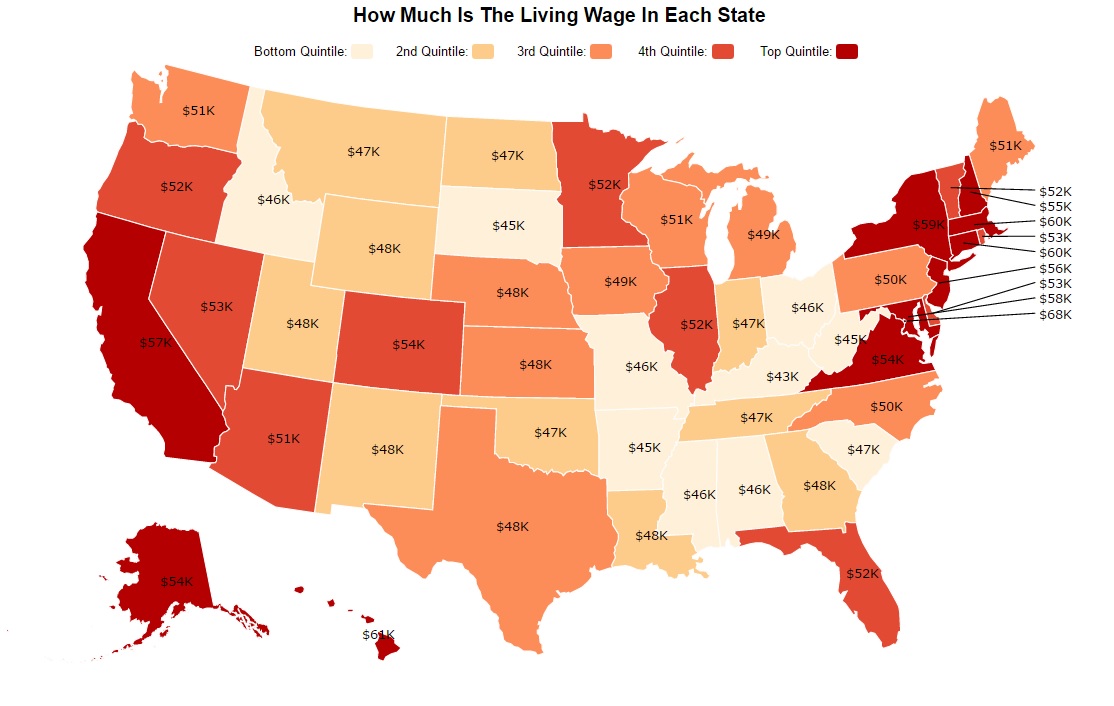
Within a single country, there can be a vast “patchwork of affordability” from state to state or province to province. States with strong economies, desirable climates, or popular tourist destinations often have higher costs of living compared to those with less economic dynamism or lower demand. Factors such as state income taxes, property taxes, and sales taxes also contribute to these variations, directly affecting disposable income.
For example, the livable wage for a single adult with no children in Mississippi might be significantly lower than in Massachusetts, primarily due to differences in housing, healthcare, and state-specific economic conditions. These disparities highlight the challenge for national policymakers trying to address income adequacy, often leading to calls for state-specific or even city-specific livable wage standards.
The Impact of Local Policies and Economic Drivers
Beyond broad regional trends, local policies and specific economic drivers play a crucial role in determining the true cost of living and, by extension, the livable wage. Cities with stringent zoning laws, for instance, might restrict housing supply, driving up rental and purchase prices. Local taxes on goods and services or specific industries can also influence overall costs.
Furthermore, the local job market’s characteristics – whether it’s dominated by high-paying tech jobs or lower-wage service industries – can affect the average income and the general economic landscape. A city that actively invests in public infrastructure, affordable housing initiatives, or robust public transportation can lower the overall cost burden on its residents, effectively reducing the income needed to achieve a livable standard. Conversely, a lack of such investments can exacerbate the challenge. Understanding these localized impacts is essential for crafting effective solutions that genuinely address income adequacy.
Calculating Your Personal Livable Wage: A Practical Approach
Given the highly variable nature of a livable wage, calculating your personal threshold requires a thoughtful and detailed approach. It’s not just about earning enough to survive, but to thrive within your specific circumstances.
Budgeting Basics: Tracking Income and Expenses
The foundational step to understanding your personal livable wage is to master budgeting. This involves meticulously tracking your income and, more importantly, all your expenses. Start by listing all your fixed monthly costs: rent/mortgage, loan payments, insurance premiums, and subscriptions. Then, track your variable expenses over a few months: groceries, dining out, utilities, transportation, personal care, and entertainment. Many banking apps and budgeting software tools can automate this process, categorizing your spending for you.
Once you have a clear picture of where your money is going, you can identify your true minimum needs and areas where you might be overspending or underspending. This exercise reveals the baseline income required to cover your current essential lifestyle. A livable wage isn’t about luxury; it’s about meeting genuine needs and having a small buffer. This personal audit is the most accurate way to determine what “livable” means for you.
Utilizing Online Tools and Calculators
While personal budgeting provides invaluable insight, several reputable online tools and calculators offer broader, research-backed estimates for a livable wage. The Massachusetts Institute of Technology (MIT) Living Wage Calculator, for example, is a widely cited resource that estimates the income needed for various family compositions in every county across the United States. Other organizations like the Economic Policy Institute (EPI) also provide similar tools and data.
These calculators typically factor in local housing costs, food prices, transportation, healthcare, childcare, and taxes, providing a robust estimate tailored to specific geographic locations and household sizes. While they offer general estimates rather than precise individual figures, they are excellent starting points for understanding the financial benchmark in your area and for advocating for fair compensation. They provide context and highlight the significant discrepancies between minimum wages and actual living costs.
Accounting for Unexpected Costs and Future Planning
A truly livable wage goes beyond merely covering present-day expenses; it also incorporates a crucial element of future planning and resilience against unexpected events. This means building an emergency fund, ideally amounting to three to six months’ worth of essential living expenses, to cover unforeseen circumstances like job loss, medical emergencies, or significant home/car repairs.
Furthermore, a livable wage should allow for some level of savings for long-term goals such as retirement, education, or a down payment on a home. Without the ability to save, individuals and families remain vulnerable to economic shocks and are unable to build wealth or secure their future. Financial planning for these “future costs” is a non-negotiable part of genuine financial stability. It transforms a bare-bones existence into one where individuals can plan, invest, and ultimately thrive, rather than just survive, making it an integral component of a comprehensive understanding of a livable wage.
The Broader Economic and Societal Implications
The debate surrounding a livable wage extends far beyond individual financial planning; it encompasses significant economic and societal implications that affect entire communities and nations. Implementing policies that support a livable wage can have cascading effects, both positive and, as critics argue, potentially negative.
Boosting Local Economies and Reducing Poverty
One of the most compelling arguments for a livable wage is its potential to stimulate local economies and significantly reduce poverty. When workers earn enough to meet their basic needs, they have more disposable income. This increased purchasing power translates into more spending at local businesses, from grocery stores to restaurants and retail shops, creating a positive feedback loop that supports local economic growth. Businesses experience higher demand, potentially leading to job creation and expansion.
Moreover, a livable wage can lift working families out of poverty and reduce their reliance on public assistance programs. This can lead to a decrease in government expenditures on welfare, food stamps, and Medicaid, freeing up public funds for other critical services. By empowering individuals to achieve financial independence, a livable wage contributes to greater social equity and a stronger, more resilient local economy.
Enhancing Employee Morale and Productivity
For businesses, paying a livable wage can be a strategic investment that yields substantial returns. Employees who are not constantly stressed about meeting their basic needs are generally happier, healthier, and more engaged in their work. This leads to higher morale, reduced absenteeism, and increased productivity. When workers feel valued and adequately compensated, their loyalty to their employer often increases, leading to lower employee turnover.
Reduced turnover saves businesses significant costs associated with recruitment, hiring, and training new staff. Furthermore, a livable wage can attract a higher caliber of applicants, as companies offering better compensation become more desirable employers. By fostering a more stable and motivated workforce, businesses can enhance their reputation, improve customer service, and ultimately achieve greater long-term success. It’s a recognition that investing in human capital pays dividends.
The Ongoing Debate: Challenges and Criticisms
Despite the clear benefits, the concept of a livable wage is not without its critics and challenges. The primary concerns often revolve around potential negative impacts on businesses and the broader economy. One common argument is that mandating a higher wage could force businesses, particularly small businesses, to raise prices, leading to inflation. This “wage-price spiral” could erode the purchasing power gained by higher wages, negating the intended benefits.
Another significant criticism is the fear of job losses. Opponents argue that if labor costs increase substantially, businesses might respond by reducing their workforce, slowing hiring, or even relocating to areas with lower labor costs. This could disproportionately affect entry-level workers or those with fewer skills, who are often the target beneficiaries of livable wage policies. Some also argue that higher wages could accelerate automation, as companies seek to replace human labor with machines to cut costs.
The debate also touches on the practical challenges of implementation, such as determining the “correct” livable wage for every diverse region and regularly updating it. Critics also question the extent of government intervention in market forces and whether such policies distort the natural equilibrium of supply and demand for labor. These complex considerations highlight the need for careful economic modeling and thoughtful policy design when considering livable wage legislation.
In conclusion, the question “how much is a livable wage” unveils a multifaceted challenge that transcends a simple dollar amount. It is a dynamic measure, deeply personal and profoundly regional, reflecting the true cost of human dignity and participation in society. While the calculation involves numerous variables, from housing costs to childcare, its broader implications touch upon poverty reduction, economic growth, and the fundamental well-being of a workforce. As societies grapple with increasing income inequality and rising costs of living, the pursuit of a livable wage remains a crucial endeavor, requiring ongoing dialogue, rigorous data analysis, and a commitment to fostering financial stability for all.
aViewFromTheCave is a participant in the Amazon Services LLC Associates Program, an affiliate advertising program designed to provide a means for sites to earn advertising fees by advertising and linking to Amazon.com. Amazon, the Amazon logo, AmazonSupply, and the AmazonSupply logo are trademarks of Amazon.com, Inc. or its affiliates. As an Amazon Associate we earn affiliate commissions from qualifying purchases.