
For the modern investor, the question “What time does the stock market open?” is rarely a simple inquiry about a clock. While the short answer for most U.S. investors is 9:30 AM Eastern Time, the reality of global finance is far more complex. Understanding market hours is not just about knowing when you can hit the “buy” button; it is about understanding liquidity, volatility, and the rhythmic pulse of global capital. In the world of personal finance and professional investing, timing is often just as critical as the underlying value of the assets being traded.
This guide explores the standard operating hours of major exchanges, the intricacies of extended-hours trading, and the strategic implications of time zones on your investment portfolio.
The Mechanics of the US Stock Market Schedule
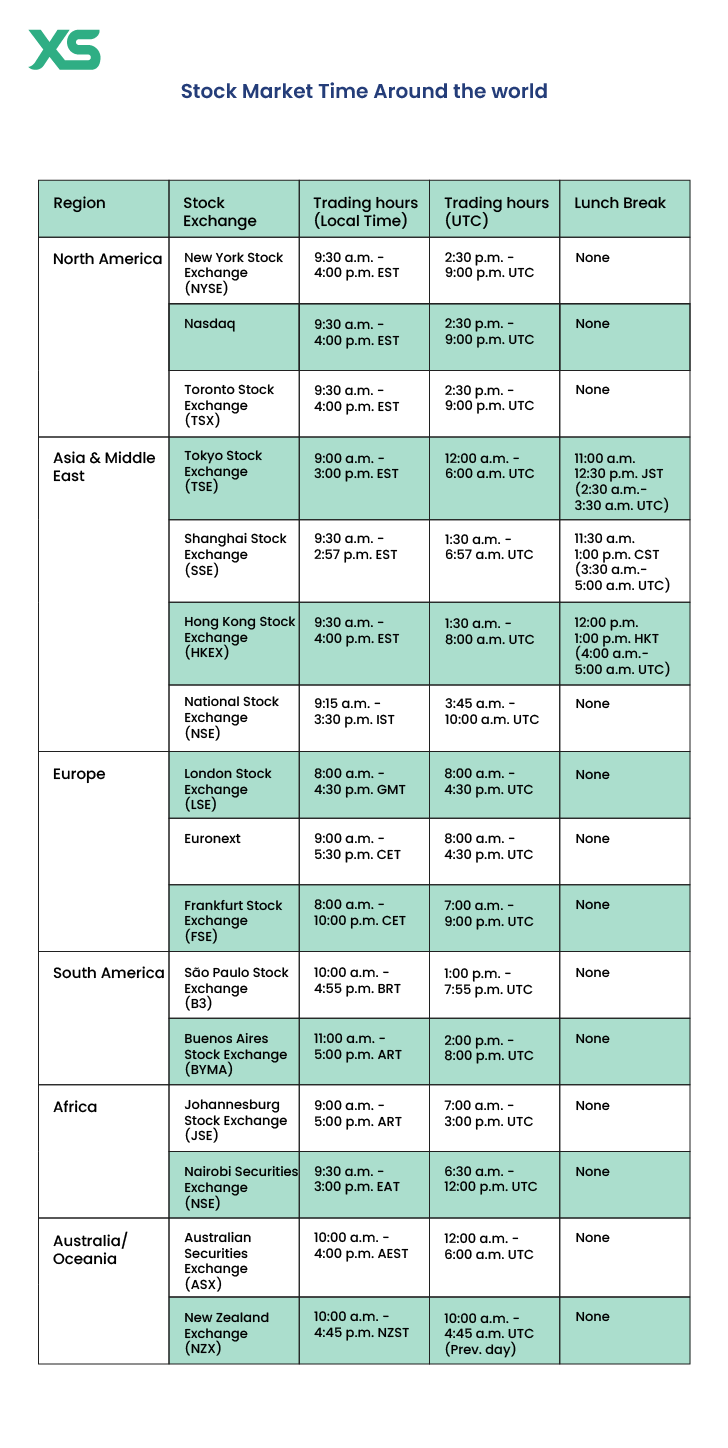
The two largest stock exchanges in the world, the New York Stock Exchange (NYSE) and the NASDAQ, operate on a synchronized schedule. For most participants, the trading day begins at 9:30 AM ET and concludes at 4:00 PM ET, Monday through Friday. However, these seven and a half hours represent only a fraction of the activity that dictates your portfolio’s value.
The Significance of the 9:30 AM Opening Bell
The opening bell is more than a ceremonial tradition; it marks the commencement of the “Core Trading Session.” At exactly 9:30 AM, the exchanges conduct an opening auction. This is a highly sophisticated process where buy and sell orders that have accumulated overnight are matched to determine the opening price of a security. This “opening cross” ensures that the market begins with as much liquidity as possible, stabilizing prices after the news-heavy hours of the night and early morning.
Understanding the 4:00 PM Closing Session
Just as the opening bell sets the tone, the 4:00 PM ET close provides the definitive benchmark for the day. The closing price is used by mutual funds to calculate Net Asset Value (NAV) and by analysts to determine the daily performance of indices like the S&P 500. The “Closing Auction” is often the most liquid period of the day, as institutional investors and index funds rebalance their positions to match the closing price, often leading to a massive spike in volume in the final minutes of trading.
Why Weekends and Evenings are “Dark”
New investors often wonder why the market isn’t open 24/7, much like the cryptocurrency market. The primary reason is human and institutional stability. Standardized hours allow for concentrated liquidity, meaning there are enough buyers and sellers in the “room” at the same time to ensure fair pricing. Furthermore, the “dark” hours allow companies to release material news—such as earnings reports or merger announcements—while the market is closed, giving investors time to digest the information before the next opening bell.
Beyond the Bell: Extended-Hours Trading
While the core session is where the bulk of retail activity happens, the financial markets technically never truly sleep. Through Electronic Communication Networks (ECNs), investors can trade outside of the 9:30 AM to 4:00 PM window.
Pre-Market Trading (4:00 AM to 9:30 AM ET)
Pre-market trading allows early birds and institutional players to react to news that broke overnight or in the early morning. While some brokers allow retail access as early as 4:00 AM, most individual investors gain access at 8:00 AM ET. Pre-market trading is characterized by lower volume and higher “spreads” (the difference between the bid and ask price). Because fewer people are trading, a single large order can move a stock’s price significantly, creating a volatile environment that is often treacherous for the inexperienced.
After-Hours Trading (4:00 PM to 8:00 PM ET)
The after-hours session is perhaps the most dramatic period for individual stocks. This is when the majority of public companies release their quarterly earnings reports. Within seconds of a press release hitting the wires at 4:01 PM, a stock can jump or dive by 10% or more. Trading during this time requires a “limit order,” as the lack of liquidity makes “market orders” dangerously unpredictable. Professional traders use this time to capitalize on immediate reactions, while long-term investors often use it to gauge how the market will open the following morning.
The Risks and Rewards of Extended Hours
The primary advantage of extended-hours trading is the ability to act quickly on news. However, the risks are substantial. The “bid-ask spread” is often much wider, meaning you might pay significantly more than the last “recorded” price. Additionally, the price movements seen in pre-market or after-hours sessions don’t always hold when the regular market opens and the full weight of global liquidity arrives.
Navigating the Global Financial Clock
Investing is no longer a localized endeavor. To be a successful investor in the “Money” niche, one must understand how the sun moving across the globe triggers a chain reaction in financial markets.
The “Follow the Sun” Strategy
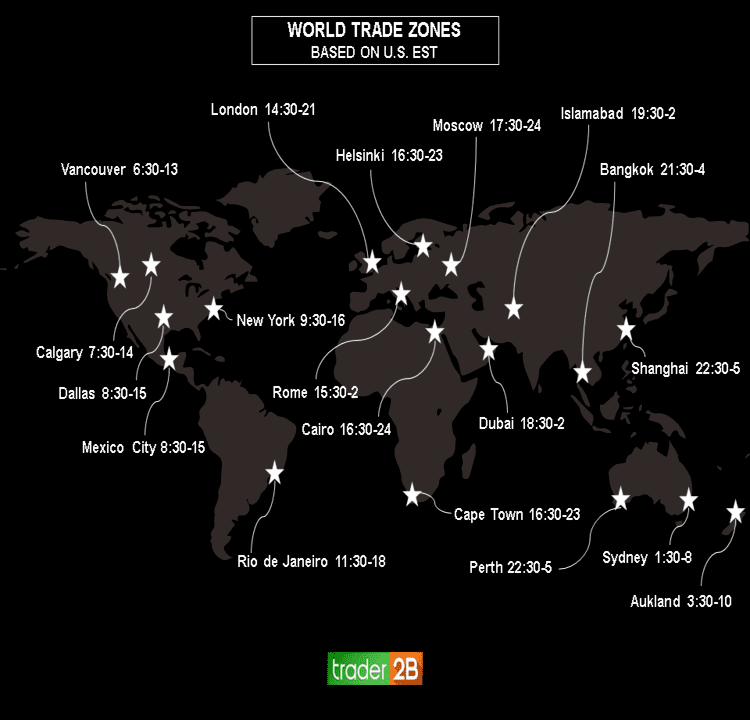
The global trading day begins in East Asia. The Tokyo Stock Exchange (JPX) and the Hong Kong Stock Exchange (HKEX) set the initial mood for the day. As they wind down, the European markets, led by the London Stock Exchange (LSE) and the Euronext, begin their sessions. By the time the NYSE opens at 9:30 AM ET, the European markets are already mid-way through their day. This overlap (usually between 9:30 AM and 11:30 AM ET) is often the most volatile and liquid time for global assets, as traders in both London and New York are active simultaneously.
The Impact of Time Zone Differences
For investors living outside the Eastern Time zone, the “market open” requires a lifestyle adjustment. A trader in Los Angeles must be at their desk by 6:30 AM PT to catch the opening bell, while an investor in London sees the U.S. market open in the mid-afternoon. Understanding these shifts is crucial for managing “stop-loss” orders and ensuring you aren’t caught off guard by major price swings while you are asleep.
Emerging Markets and Different Work Weeks
It is also worth noting that not all markets follow the Monday-Friday tradition. For example, some Middle Eastern exchanges, such as the Saudi Exchange (Tadawul), historically operated on a Sunday-Thursday schedule to align with local work weeks, though many are shifting to align more closely with global standards. Keeping track of these outliers is essential for those with diversified international portfolios.
Market Holidays and Scheduled Closures
The stock market does not operate on all federal holidays, and knowing the “holiday calendar” is a fundamental part of financial planning.
Standard U.S. Market Holidays
The NYSE and NASDAQ close for major holidays, including New Year’s Day, Martin Luther King Jr. Day, Presidents’ Day, Good Friday, Memorial Day, Juneteenth, Independence Day, Labor Day, Thanksgiving, and Christmas. If a holiday falls on a Saturday, the market usually closes on the preceding Friday. If it falls on a Sunday, the market closes on the following Monday.
Early Closures and “Half-Days”
The day before or after certain holidays (like the day after Thanksgiving or Christmas Eve) often features an “early close” at 1:00 PM ET. These half-days are notorious for low trading volume. In the world of finance, low volume often leads to “choppy” price action, where small trades can have an outsized impact on the market. Many professional traders choose to stay on the sidelines during these sessions.
The Psychology of Holiday Trading
Market closures create a “weekend effect” or “holiday effect.” Investors often de-risk (sell positions) before a long weekend to avoid being exposed to negative news while the markets are closed and they cannot trade. Conversely, the “Santa Claus Rally”—a tendency for stock prices to increase during the last week of December—is a well-documented phenomenon driven by holiday optimism, tax-loss harvesting, and institutional window dressing.
Developing a Time-Based Investment Strategy
Knowing what time the stock market opens is the first step; knowing how to trade those hours is the second.
The Dangers of the “First 30 Minutes”
For the average retail investor, the first 30 minutes of the trading day (9:30 AM to 10:00 AM ET) are often the most dangerous. This period is characterized by “amateur hour,” where retail orders placed overnight are executed and the market reacts emotionally to the morning’s news. Prices can swing wildly before finding a direction. Most seasoned professionals wait for the “initial balance” to be set before making significant moves.
The “Power Hour”
The final hour of trading (3:00 PM to 4:00 PM ET) is known as the “Power Hour.” This is when institutional investors, pension funds, and large hedge funds execute their major moves for the day. If you are looking for a clear trend, the direction of the Power Hour often signals the market’s true sentiment. For those focused on long-term wealth building rather than day trading, the closing price is generally more significant than the opening price.
Tools for Tracking Market Hours
To stay ahead, investors should utilize financial tools that offer global clocks and economic calendars. Apps like Bloomberg, CNBC, or specialized trading platforms like Thinkorswim provide real-time countdowns to various market opens. Setting alerts for the “London Open” or “New York Close” can help you manage your portfolio without needing to stare at a screen all day.
In conclusion, the question of when the market opens is an invitation to understand the global flow of money. Whether you are a casual investor or a dedicated trader, respecting the clock allows you to harness liquidity, avoid unnecessary volatility, and make more informed decisions about your financial future. The market bell doesn’t just start the day; it begins a global conversation about value, risk, and opportunity.
aViewFromTheCave is a participant in the Amazon Services LLC Associates Program, an affiliate advertising program designed to provide a means for sites to earn advertising fees by advertising and linking to Amazon.com. Amazon, the Amazon logo, AmazonSupply, and the AmazonSupply logo are trademarks of Amazon.com, Inc. or its affiliates. As an Amazon Associate we earn affiliate commissions from qualifying purchases.