
For investors and traders operating within the Central Time Zone, understanding the precise operating hours of the U.S. stock market is not merely a matter of convenience; it is a critical component of successful financial strategy. The intricate dance of market opening bells and closing gongs dictates liquidity, volatility, and the optimal windows for executing trades, analyzing data, and responding to news. Misinterpreting these times can lead to missed opportunities or, worse, poorly timed decisions that erode capital. This comprehensive guide will demystify the stock market’s schedule, particularly as it pertains to Central Time, and explore why these hours hold such profound significance for anyone engaged in the financial markets.
Demystifying U.S. Stock Market Trading Hours
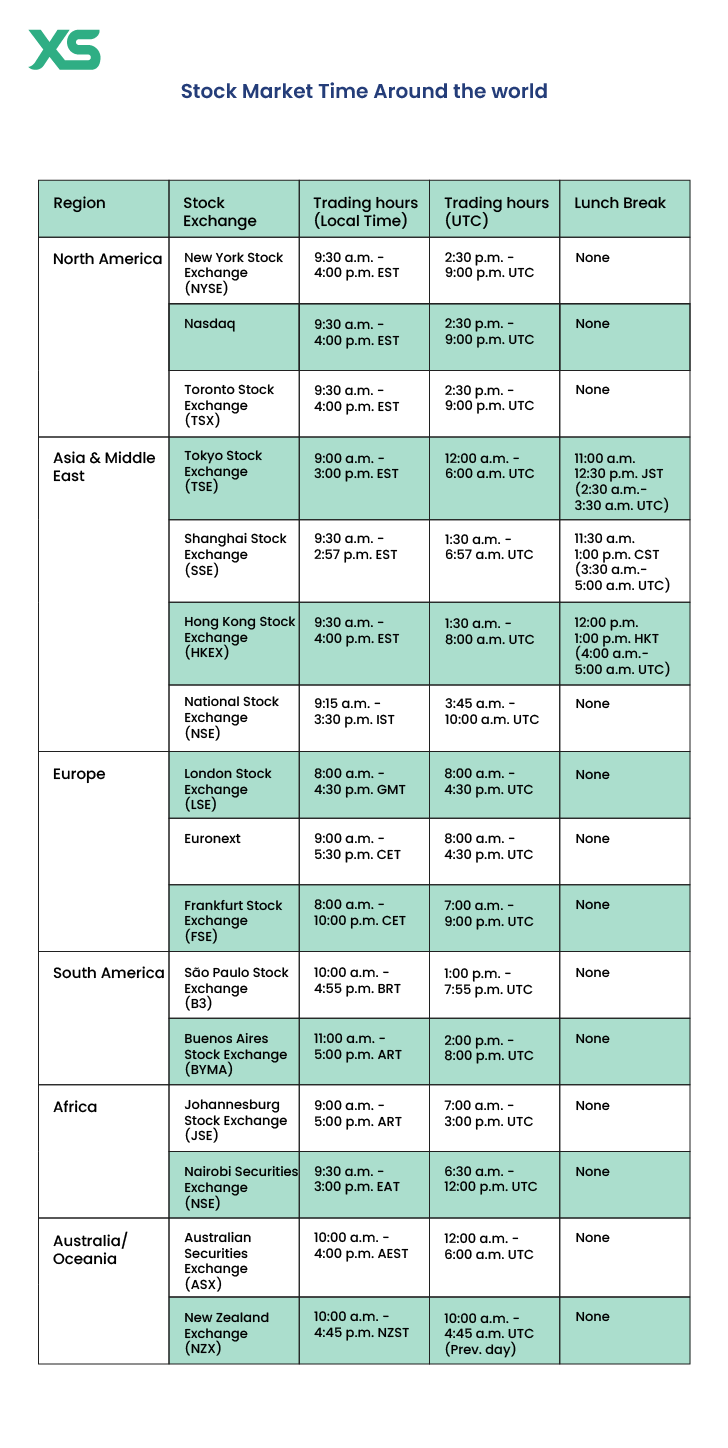
The primary stock exchanges in the United States, notably the New York Stock Exchange (NYSE) and the Nasdaq Stock Market (NASDAQ), adhere to a standardized set of operating hours. While these hours are fixed, their translation across different time zones, especially Central Time, requires careful attention.
The Core Trading Window: NYSE and NASDAQ
The backbone of U.S. equity trading, both the NYSE and Nasdaq, operates on Eastern Time (ET). The regular trading session, often referred to as “market hours” or “cash hours,” runs from 9:30 AM ET to 4:00 PM ET on weekdays. This is the period of highest liquidity and typically where the vast majority of trading volume occurs. During these hours, all listed securities are available for continuous trading, and market participants have real-time access to prices, order books, and news flows.
These core hours are sacrosanct for a multitude of reasons. They represent the period when institutional investors, individual traders, and market makers are most active, ensuring deep liquidity for most stocks. This liquidity is vital for efficient price discovery, allowing buyers and sellers to find each other easily without significantly impacting prices due to large orders. Furthermore, most company news, economic data releases, and analyst reports are strategically timed to coincide with either pre-market hours, to be digested before the open, or after the close, allowing markets to process the information without immediate, erratic reactions.
Converting to Central Time (CT): The Crucial Adjustment
For those in the Central Time Zone, the market’s standard operating hours shift by one hour earlier. This means that when the market opens at 9:30 AM ET, it is 8:30 AM CT. Similarly, when the market closes at 4:00 PM ET, it is 3:00 PM CT.
This one-hour difference might seem trivial, but it has significant implications for how individuals and firms in the Central Time Zone structure their day. An investor in Dallas, for example, needs to be prepared to actively monitor the markets an hour earlier than their counterpart in New York. This impacts everything from morning routines, pre-market analysis, and the scheduling of meetings or other commitments that might interfere with crucial trading windows. Many financial professionals in the CT zone adjust their workdays to start earlier, ensuring they are at their desks well before the 8:30 AM CT opening bell.
| Event | Eastern Time (ET) | Central Time (CT) |
|---|---|---|
| Market Open | 9:30 AM ET | 8:30 AM CT |
| Market Close | 4:00 PM ET | 3:00 PM CT |
Observing Market Holidays and Early Closures
While the 8:30 AM CT to 3:00 PM CT schedule is generally consistent, it is not absolute. The U.S. stock markets observe a number of holidays throughout the year, during which they are entirely closed. These typically include New Year’s Day, Martin Luther King, Jr. Day, Washington’s Birthday (Presidents’ Day), Good Friday, Memorial Day, Juneteenth National Independence Day, Independence Day, Labor Day, Thanksgiving Day, and Christmas Day. It is crucial for investors to consult the official holiday schedules published by the NYSE and Nasdaq each year, as exact dates can vary and some holidays, like Independence Day or Christmas, might be observed on a different weekday if they fall on a weekend.
Additionally, the market sometimes has early closures, often in conjunction with major holidays. For instance, on the day before Thanksgiving or Christmas Eve, the market might close early, usually at 1:00 PM ET (12:00 PM CT). These early closures significantly shorten the trading day, impacting liquidity and requiring investors to adjust their strategies accordingly. Being unaware of these exceptions can lead to missed opportunities or unintended exposure, especially for active traders.
Beyond Standard Hours: Pre-Market and After-Hours Trading
The 8:30 AM CT to 3:00 PM CT window represents the core trading session, but it is not the only time when securities can be traded. Extended-hours trading, encompassing pre-market and after-hours sessions, provides additional opportunities for investors, albeit with different characteristics and risks.
Navigating Pre-Market Sessions
Pre-market trading typically begins as early as 4:00 AM ET (3:00 AM CT) and runs until the market open at 9:30 AM ET (8:30 AM CT). This session allows investors to react to news released overnight or early in the morning, such as earnings reports, economic data, or breaking geopolitical events, before the main market opens. Many brokerage platforms offer access to pre-market trading, though the specific hours can vary slightly by broker.
The key characteristic of pre-market trading is its significantly lower liquidity compared to regular hours. Fewer participants mean that bid-ask spreads—the difference between the highest price a buyer is willing to pay and the lowest price a seller is willing to accept—can be wider. This makes it more challenging to execute large orders without impacting the price, and can result in higher volatility and less predictable price movements. While pre-market activity can offer a glimpse into the potential direction of a stock at the open, it’s essential for CT investors to remember that these early moves are often influenced by limited trading volume and can be quickly reversed once the full market is engaged.
Understanding After-Hours Trading
After-hours trading commences immediately following the regular market close at 4:00 PM ET (3:00 PM CT) and can extend as late as 8:00 PM ET (7:00 PM CT), depending on the brokerage. Similar to pre-market, this session provides a window for investors to react to news released after the market close, such as late-breaking earnings announcements or corporate developments. It’s also used by investors who may not have been able to execute trades during standard hours.
Like pre-market, after-hours trading is characterized by reduced liquidity and wider spreads. The reduced volume can lead to greater price fluctuations and make it difficult to get desired prices for larger orders. News released after hours can cause significant price gaps, which may or may not hold once regular trading resumes the next day. For CT investors, participating in after-hours trading means extending their active market monitoring until 7:00 PM CT, requiring further adjustment to their personal and professional schedules.
Risks and Opportunities in Extended Trading
Extended-hours trading offers both opportunities and significant risks:

Opportunities:
- Rapid Reaction to News: Allows investors to capitalize on breaking news before or after the regular session.
- Convenience: Provides flexibility for investors with schedule conflicts during core hours.
- Price Discovery: Early or late moves can signal sentiment for the upcoming or past trading day.
Risks:
- Lower Liquidity: Fewer participants lead to wider bid-ask spreads and difficulty executing large orders.
- Higher Volatility: Limited volume can amplify price swings based on relatively small trades.
- Less Transparent Pricing: Prices may not accurately reflect true market value due to low volume.
- Professional Disadvantage: Institutional investors with advanced trading systems often dominate these sessions.
For investors in the Central Time Zone, the extended hours mean that while the “market day” officially ends at 3:00 PM CT, the potential for market-moving activity continues for several hours thereafter, necessitating vigilance and a clear understanding of the unique dynamics of these sessions.
The Strategic Importance of Market Opening and Closing
The moments surrounding the stock market’s opening and closing bells are often the most dynamic and crucial periods of the trading day. These times are characterized by concentrated activity, significant price movements, and strategic positioning by market participants. For investors in the Central Time Zone, being attuned to these specific moments (8:30 AM CT and 3:00 PM CT) is paramount for effective decision-making.
Volatility and Liquidity at the Open and Close
The market open (8:30 AM CT) is typically marked by a surge in volatility and liquidity. This is when all the news and events that occurred overnight, during pre-market, or from global markets converge. Overnight orders (buy or sell orders placed when the market was closed) are executed, and traders react to the latest information, leading to rapid price discovery and often dramatic swings. High liquidity during this period facilitates large order execution, but the accompanying volatility demands quick analysis and decisive action. Many professional traders make a significant portion of their daily gains (or losses) within the first 30-60 minutes of the market open.
Similarly, the market close (3:00 PM CT) is another period of heightened activity. Traders often close out positions, institutions rebalance portfolios, and end-of-day news can trigger last-minute reactions. This can lead to increased volatility, though typically less extreme than the open, and a final burst of volume. The closing price is a critical metric for many financial instruments and performance evaluations, making the final minutes of trading strategically important. Understanding these dynamics allows Central Time investors to anticipate market behavior and plan their entry and exit points more effectively.
Impact of News Releases and Economic Data
News and economic data releases are meticulously timed by regulatory bodies, corporations, and government agencies to coincide with specific market hours to manage their impact. Major economic reports (e.g., CPI, jobs report, Fed announcements) are often released at 8:30 AM ET (7:30 AM CT), precisely 30 minutes before the market opens. This allows institutional investors and high-frequency trading firms time to digest the information and formulate strategies, leading to potentially explosive moves right at the opening bell.
Corporate earnings reports are commonly released either before the market open (usually between 7:00 AM and 9:00 AM ET, or 6:00 AM to 8:00 AM CT) or after the market close (typically between 4:00 PM and 6:00 PM ET, or 3:00 PM to 5:00 PM CT). Releasing news outside of regular trading hours aims to prevent immediate, chaotic reactions and allows for more measured investor response, often playing out in pre-market or after-hours sessions, or at the subsequent market open. For Central Time investors, this means being prepared to react to critical information either an hour earlier than Eastern Time counterparts or extending their monitoring beyond the traditional 3:00 PM CT close.
Crafting Your Investment Strategy Around Market Timings
Aligning your investment strategy with market timings is essential for maximizing returns and managing risk.
- Active Traders: Those engaged in day trading or swing trading must be highly attuned to the 8:30 AM CT open and 3:00 PM CT close. They often focus on the initial and final hours of the trading day due to increased volatility and liquidity. This requires a dedicated schedule and active monitoring.
- Long-Term Investors: While less concerned with intraday fluctuations, long-term investors still benefit from understanding market hours. They might place orders during less volatile periods to ensure better execution prices or set limit orders to buy/sell at specific price points, mitigating the impact of opening/closing surges. They also need to be aware of news releases, even if they aren’t trading on them immediately, to understand potential long-term impacts on their portfolio.
- Risk Management: Trading during volatile periods (like the open) without proper risk management can be perilous. Utilizing stop-loss orders and understanding position sizing become even more critical during these times. For Central Time investors, being aware of these heightened risk periods helps in setting appropriate parameters for their trades.
Ultimately, the market’s specific hours are not arbitrary. They are a carefully designed structure that influences market behavior, information dissemination, and the strategic decisions of every participant. For those in the Central Time Zone, a keen awareness of the 8:30 AM CT open and 3:00 PM CT close, along with extended hours and holiday exceptions, is a fundamental prerequisite for informed and successful investing.
Practical Considerations for Central Time Investors
Navigating the U.S. stock market from the Central Time Zone requires more than just a simple time conversion. It demands a proactive approach to managing your schedule, leveraging technology, and adapting your personal habits to align with the market’s rhythm. For a Central Time investor, being prepared is half the battle won.
Setting Up Alerts and Notifications
One of the most effective strategies for CT investors is to utilize technology to stay informed without being glued to a screen all day. Most modern brokerage platforms and financial news websites offer customizable alerts and notifications.
- Market Open/Close Alerts: Set up alerts to ping you precisely at 8:30 AM CT and 3:00 PM CT. This can be a gentle reminder to check market activity or to prepare for the end of the trading day.
- Price Alerts: For specific stocks in your watchlist or portfolio, set price alerts. If a stock hits a certain threshold, you’ll be notified, allowing you to react even if you’re not actively watching the market.
- News Alerts: Subscribe to financial news services that push breaking news, especially for companies you hold or are interested in. Many platforms allow you to filter news by company, sector, or type of event (e.g., earnings, analyst upgrades/downgrades). Given that crucial news is often released before 8:30 AM CT or after 3:00 PM CT, these alerts are invaluable.
- Economic Calendar Reminders: Integrate a financial economic calendar into your digital routine. Set reminders for key economic data releases (e.g., unemployment figures, inflation reports) that are often released at 7:30 AM CT, providing a critical heads-up before the market opens.
These tools allow CT investors to maintain a finger on the pulse of the market without needing to physically wake up at 3:00 AM CT for pre-market or stay up until 7:00 PM CT for extended hours unless they specifically choose to trade during those periods.
Leveraging Technology for Market Monitoring
Beyond alerts, a suite of technological tools can significantly enhance a Central Time investor’s ability to monitor the market effectively:
- Mobile Trading Apps: Modern brokerage apps provide full trading capabilities, real-time quotes, charting tools, and news feeds directly to your smartphone or tablet. This means you can keep an eye on your portfolio and react to market movements even when you’re away from your primary workstation.
- Customizable Dashboards: Many advanced trading platforms allow you to create personalized dashboards. CT investors can configure these to show relevant indices, their portfolio performance, specific stock charts, and news feeds, all updated in real-time and often with time zone adjustments built-in.
- Automated Trading/Order Types: For investors who cannot be actively present during specific volatile periods, utilizing advanced order types like limit orders, stop-loss orders, and take-profit orders can be crucial. These allow you to pre-set conditions for trades to execute automatically when certain price thresholds are met, protecting your capital or securing profits without constant manual intervention. Some platforms even offer advanced algorithmic trading tools, though these are typically for experienced traders.
- Virtual Private Networks (VPNs) and Remote Desktops: For those who travel or work remotely, ensuring secure and reliable access to their trading environment is vital. A stable internet connection and, if necessary, a secure VPN or remote desktop solution can ensure you are always connected, regardless of your physical location within the CT zone or beyond.

Adapting Your Schedule for Optimal Engagement
Ultimately, successful investing from the Central Time Zone requires a conscious effort to adapt one’s personal and professional schedule to the market’s demands.
- Early Mornings: For active traders, this might mean starting the day an hour earlier than usual to perform pre-market analysis and be ready for the 8:30 AM CT open. This could involve waking up around 6:00 AM or 7:00 AM CT to review news, economic calendars, and trading plans.
- Mid-Day Breaks: If your work or other commitments fall during the core market hours (8:30 AM CT – 3:00 PM CT), consider scheduling short breaks to quickly check market movements, especially around the mid-day lull or if you’re expecting news.
- Post-Market Review: The period after the 3:00 PM CT close is ideal for reviewing the day’s performance, analyzing trades, and planning for the next day. This allows you to digest information without the pressure of live market action. If you’re involved in after-hours trading, then your “active” day extends until 7:00 PM CT, requiring even more dedication.
- Work-Life Balance: While adapting is necessary, it’s also crucial to maintain a healthy work-life balance. Over-engagement can lead to burnout and poor decision-making. Leverage technology to manage your time efficiently and avoid the trap of constant monitoring.
By combining technological tools with thoughtful schedule adjustments, Central Time investors can effectively monitor and participate in the U.S. stock market, ensuring they are always in tune with the crucial opening and closing bells and all the significant events in between. Understanding “what time does the stock market open central time” is merely the first step; strategically integrating that knowledge into your daily financial rhythm is where true success lies.
aViewFromTheCave is a participant in the Amazon Services LLC Associates Program, an affiliate advertising program designed to provide a means for sites to earn advertising fees by advertising and linking to Amazon.com. Amazon, the Amazon logo, AmazonSupply, and the AmazonSupply logo are trademarks of Amazon.com, Inc. or its affiliates. As an Amazon Associate we earn affiliate commissions from qualifying purchases.