
In the world of high-stakes investing, time is more than just a measurement; it is a critical variable that dictates liquidity, volatility, and opportunity. For the modern investor, understanding when the market “breathes”—when it opens, when it closes, and how it behaves in between—is fundamental to building a robust personal finance strategy. While digital platforms allow us to check stock prices 24/7, the actual execution of trades within the primary exchanges follows a disciplined schedule that has governed Wall Street for decades.
Navigating the stock market requires more than just picking the right tickers; it requires a deep understanding of the global financial clock. This guide explores the standard operating hours of the major U.S. exchanges, the nuances of extended-hours trading, and the strategic implications of market timing for your investment portfolio.
The Core Trading Session: The Pulse of Wall Street
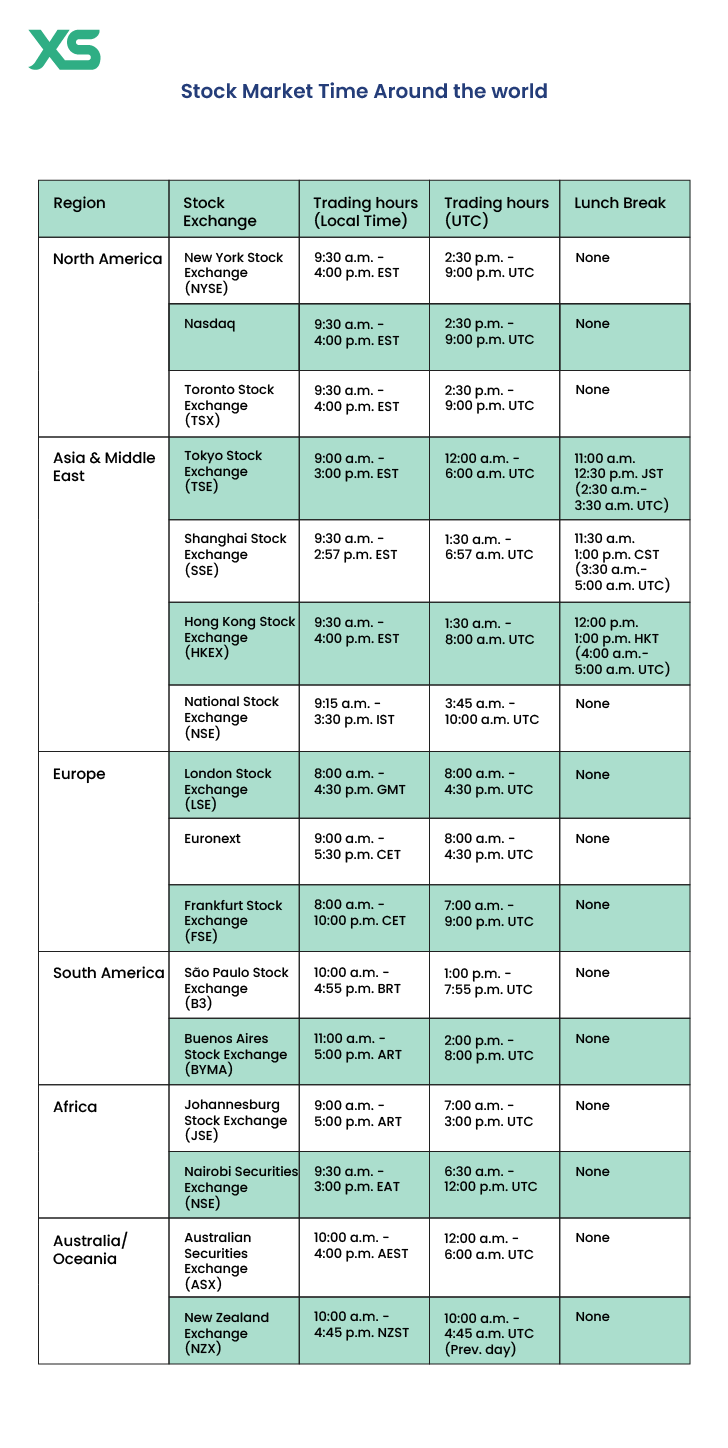
The heartbeat of the American financial system is defined by the regular trading session of the two largest exchanges in the world: the New York Stock Exchange (NYSE) and the NASDAQ. For the vast majority of retail investors, these hours represent the window of maximum liquidity and the most stable pricing.
The Standard 9:30 AM to 4:00 PM Window
The standard U.S. stock market hours are Monday through Friday, from 9:30 AM to 4:00 PM Eastern Time (ET). This six-and-a-half-hour window is when the “lit” markets are fully operational, meaning that buy and sell orders are being matched at a rapid pace across all public exchanges. During these hours, price discovery is at its most efficient because the highest volume of participants—from individual retail traders to massive institutional hedge funds—is active.
The Significance of the Opening and Closing Bells
The “Opening Bell” at 9:30 AM is not just a ceremonial tradition; it marks the transition from overnight price speculation to active trading. The first 30 minutes of the session are often characterized by high volatility as the market absorbs news that occurred after the previous day’s close. Conversely, the “Closing Bell” at 4:00 PM marks the final “print” of a stock’s price for the day. The closing price is used by mutual funds to calculate Net Asset Value (NAV) and by analysts to track long-term performance trends.
Market Holidays and Early Closures
It is important for investors to realize that the market does not follow a standard corporate holiday calendar. The NYSE and NASDAQ observe specific holidays, such as Martin Luther King Jr. Day, Presidents’ Day, Memorial Day, Juneteenth, Independence Day, Labor Day, Thanksgiving, and Christmas. Additionally, the market often has “early close” days—typically the day after Thanksgiving and Christmas Eve—where trading ends at 1:00 PM ET. Keeping a calendar of these dates is essential for managing cash flow and avoiding the frustration of trying to execute a trade on a closed exchange.
Beyond the Bell: The Mechanics of Extended-Hours Trading
In our hyper-connected digital age, the financial markets never truly sleep. While the main exchanges have set hours, electronic communication networks (ECNs) allow for trading outside of the standard 9:30 AM to 4:00 PM window. This is known as extended-hours trading, divided into pre-market and after-hours sessions.
Understanding Pre-Market Sessions
Pre-market trading typically begins as early as 4:00 AM ET and runs until the official open at 9:30 AM. However, the bulk of pre-market activity usually occurs between 8:00 AM and 9:30 AM. Investors use this time to react to early-morning economic data (like jobs reports or CPI data) or overnight earnings releases from international companies. While it offers a head start, pre-market trading is notoriously thin, meaning there are fewer buyers and sellers, which can lead to erratic price movements.
Navigating the After-Hours Market
After-hours trading begins immediately at 4:00 PM ET and can last until 8:00 PM ET. This period is particularly significant during “earnings season.” Most major corporations release their quarterly financial results shortly after the 4:00 PM bell to ensure the news is disseminated when the broader market is not in a state of flux. This leads to massive price swings in the after-hours session as investors digest the reports.
Risks of Trading Outside Regular Hours
While the ability to trade 24/7 sounds appealing, it comes with significant risks that any personal finance enthusiast must consider. The primary risk is “lack of liquidity.” Because there are fewer participants, the bid-ask spread—the difference between what a buyer is willing to pay and what a seller is willing to accept—widens significantly. This means you might end up paying a much higher price or selling at a much lower price than you would during regular hours. Additionally, many brokers only allow “limit orders” during these times to protect investors from extreme price slippage.

Strategic Timing: When is the Best Time to Trade?
Experienced investors know that not all hours of the trading day are created equal. Depending on your investment goals—whether you are a long-term “buy and hold” investor or a more active tactical trader—the time of day you choose to execute your trades can impact your bottom line.
The Morning Rush and Volatility
The first 30 to 90 minutes of the trading day (9:30 AM – 11:00 AM) are often the most volatile. This is when the market reacts to everything that happened overnight, including international market performance and macro-economic news. For the average investor, this is often the most dangerous time to trade because prices can swing wildly. However, for those looking for high volume and quick entries/exits, this “morning rush” provides the most opportunity.
The Midday Lull
Between 12:00 PM and 2:00 PM ET, the market often experiences a “lunchtime lull.” Volume tends to drop as many institutional traders in New York take breaks, and the initial morning excitement wears off. Prices during this period are often more stable, but they can also be deceptive; low volume can lead to “drift,” where a stock moves in a direction without a clear fundamental reason. For long-term investors looking to build a position with minimal drama, the midday period can be an ideal time to execute trades.
The “Power Hour”
The final hour of trading, from 3:00 PM to 4:00 PM, is affectionately known as the “Power Hour.” This is when institutional investors, pension funds, and mutual funds rebalance their portfolios for the day. Activity spikes, and large blocks of shares move through the system. This hour often sets the tone for the following morning. If a stock closes strong on high volume, it is often seen as a bullish indicator for the next session.
The Global Financial Clock: Impact on Your Portfolio
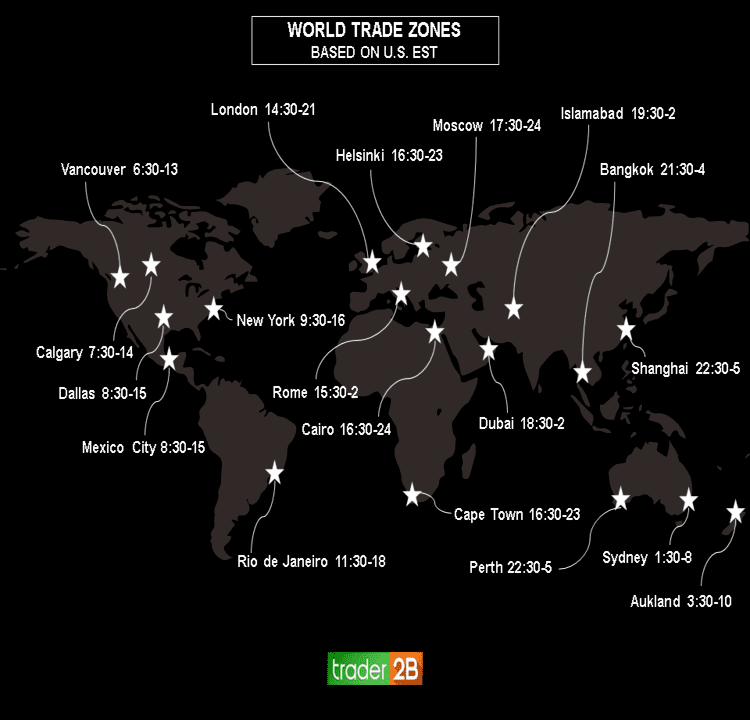
Investing is no longer a localized endeavor. Even if you only trade U.S.-listed stocks, your portfolio is influenced by the opening and closing times of international markets. The global flow of capital means that when the sun sets on Wall Street, it is rising on the exchanges in Tokyo, Hong Kong, and London.
The European Overlap
One of the most important times of the day for U.S. investors is the 9:30 AM to 11:30 AM ET window. This is when the U.S. markets overlap with the final hours of the European markets (such as the London Stock Exchange). This overlap often results in the highest global liquidity of the day, as traders on both sides of the Atlantic are active simultaneously. Significant shifts in the Euro or British Pound during this window can directly impact U.S. multinational corporations.
The Asian Session and Futures
While American investors are asleep, the Asian markets (Nikkei in Japan, Hang Seng in Hong Kong) are active. Their performance often dictates the movement of “U.S. Futures”—contracts that track the predicted opening price of the S&P 500 or Nasdaq 100. If the Asian markets sell off sharply overnight, you can expect the U.S. market to open lower at 9:30 AM. Monitoring these global cycles is a hallmark of sophisticated personal finance management.
Managing a Global Diversification Strategy
For investors who hold international ETFs or ADRs (American Depositary Receipts), market hours are even more complex. If you are trading a Japanese company via an ADR on the NYSE, the “real” price discovery happened hours earlier in Tokyo. Understanding these time zone gaps prevents you from being surprised by “gaps” in price—where a stock opens at a significantly different price than it closed the day before.
Conclusion: Integrating Market Timing into Your Financial Plan
Understanding what time the stock market opens and closes is more than a logistical necessity; it is a tactical advantage. For the disciplined investor, the standard 9:30 AM to 4:00 PM window provides the safety of liquidity and the clarity of efficient pricing. While the allure of 24-hour trading via pre-market and after-hours sessions exists, it remains a territory fraught with volatility and risk, best navigated with caution and limit orders.
By aligning your trading activity with the natural rhythm of the market—respecting the volatility of the open, utilizing the stability of the midday lull, and noting the institutional weight of the power hour—you can execute your financial strategy with greater precision. In the pursuit of long-term wealth, the clock is just as important as the spreadsheet. Mastering the timing of the market ensures that you are not just a participant in the financial world, but a strategic architect of your own financial future.
aViewFromTheCave is a participant in the Amazon Services LLC Associates Program, an affiliate advertising program designed to provide a means for sites to earn advertising fees by advertising and linking to Amazon.com. Amazon, the Amazon logo, AmazonSupply, and the AmazonSupply logo are trademarks of Amazon.com, Inc. or its affiliates. As an Amazon Associate we earn affiliate commissions from qualifying purchases.