
In the contemporary landscape of digital commerce, the ability to move capital quickly, securely, and internationally is no longer a luxury—it is a financial necessity. Whether you are an aspiring freelancer, a seasoned investor, or someone simply looking to streamline their personal budget, PayPal remains the gold standard of digital wallets. Since its inception, it has evolved from a simple payment processor into a robust financial ecosystem that bridges the gap between traditional banking and the fast-paced world of online income.
Setting up a PayPal account is more than just a technical exercise; it is the first step toward achieving financial fluidity. By centralizing your transactions, you gain a clearer oversight of your cash flow, enhance your purchasing power, and open doors to global side hustles that were once inaccessible. This guide explores the strategic setup of a PayPal account through the lens of personal finance and business management.
1. Choosing Your Path: Personal vs. Business Financial Structures
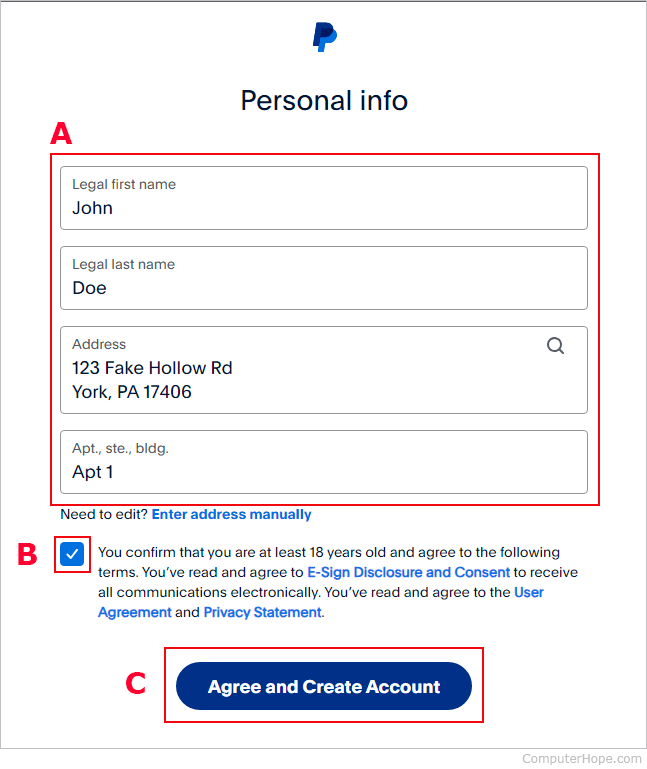
Before you enter your email address, you must make a critical decision regarding your financial architecture. PayPal offers two distinct account types, each tailored to specific economic activities. Choosing the wrong one can lead to unnecessary fees or a lack of necessary financial tools down the line.
Personal Accounts: For the Individual Consumer
The Personal account is designed for the everyday user whose primary goal is to send money to friends, pay for online retail purchases, or receive small, infrequent payments. From a personal finance perspective, this account is ideal for tracking discretionary spending. It allows you to link multiple debit and credit cards, providing a layer of abstraction between your sensitive bank details and online vendors. This “financial firewall” is a cornerstone of modern digital asset protection.
Business Accounts: The Entrepreneur’s Toolkit
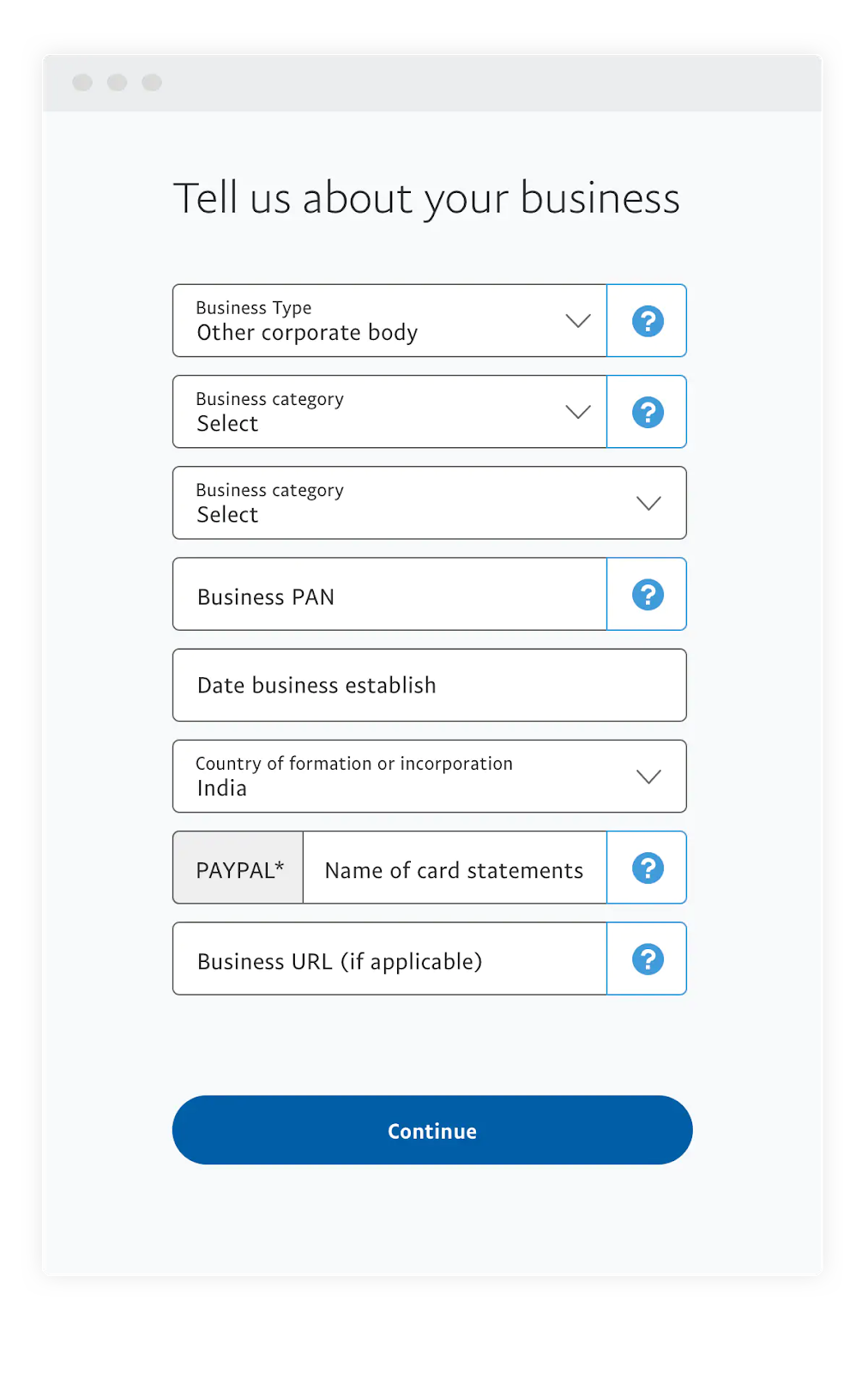
If your objective is to generate online income, build a side hustle, or manage a corporate entity, the Business account is the only logical choice. This tier allows you to operate under a company name, providing professional anonymity and legal separation from your personal finances. More importantly, it unlocks advanced financial reporting, the ability to send professional invoices, and the capacity to accept payments via credit cards from non-PayPal users. For the growth-minded individual, the Business account acts as a foundational piece of their professional financial infrastructure.
Understanding the Fee Schedule
A key aspect of money management is minimizing transactional friction. While PayPal is free for standard consumer purchases, receiving “Goods and Services” payments incurs a percentage-based fee plus a fixed transaction cost. Understanding these margins is vital for anyone using the platform for income. By factoring these costs into your pricing model or personal budget, you ensure that your net profit remains sustainable.
2. The Verification Process: Securing Your Financial Identity
Setting up the account is only the beginning. To truly utilize PayPal as a financial tool, you must navigate the verification process. This isn’t just a bureaucratic hurdle; it is a vital security measure that increases your transaction limits and establishes your credibility within the global financial network.
Linking Your Bank Account and Debit Cards
To move money in and out of the PayPal ecosystem, you must link it to a traditional financial institution. When you add a bank account, PayPal typically performs a “micro-deposit” verification. This involves sending two tiny amounts (pennies) to your bank, which you then confirm on the PayPal platform. This process confirms you are the legal owner of the funds, satisfying “Know Your Customer” (KYC) regulations that govern international finance.
Completing the KYC (Know Your Customer) Requirements
In an era of increased financial regulation, PayPal is required to verify the identity of its users. This often involves providing a Taxpayer Identification Number (TIN) or Social Security Number (SSN). While some are hesitant to share this data, it is a prerequisite for high-volume transactions and is necessary for PayPal to issue 1099-K forms for tax reporting. Properly documenting your identity ensures that your account is not flagged for suspicious activity, which could lead to a freeze on your liquid assets.
Establishing a “Confirmed” Status
A confirmed account carries more weight in the marketplace. For sellers and freelancers, having a confirmed address and a verified identity reduces the likelihood of payment holds. From a money-management perspective, a verified account is a more reliable tool for large transfers, ensuring that your capital is never “locked” during critical investment opportunities or bill payment windows.
3. Optimizing PayPal for Online Income and Side Hustles

For many, PayPal is the primary engine for a side hustle. To maximize your financial returns, you must go beyond the basic setup and utilize the platform’s professional features to streamline your accounts receivable.
Professional Invoicing and Cash Flow Management
One of the most powerful tools in the PayPal arsenal is the Invoicing suite. Instead of relying on informal “Send Money” requests, professional invoices allow you to itemize services, set due dates, and offer partial payment options. This level of organization is essential for tracking gross income and managing receivables. It also provides a paper trail that is invaluable during tax season, allowing you to easily reconcile your PayPal earnings with your bank deposits.
Handling Multiple Currencies and International Remittance
In a globalized economy, you may find yourself earning in USD, EUR, or GBP. PayPal allows you to hold balances in multiple currencies simultaneously. A savvy financial move is to monitor exchange rates and decide when to convert these funds into your local currency. By strategically timing your conversions, you can minimize the impact of currency fluctuations on your total net worth. Furthermore, PayPal’s international reach makes it a premier tool for cross-border remittance, allowing you to tap into global markets that traditional local banks may struggle to service.
Leveraging the PayPal Business Debit Mastercard
For those with Business accounts, the PayPal Business Debit Mastercard offers a way to bridge the gap between digital balance and physical liquidity. This card allows you to spend your PayPal balance directly at point-of-sale locations or withdraw cash from ATMs. For a business owner, this means instant access to capital without waiting for the standard 1–3 day bank transfer period. Additionally, these cards often offer cashback rewards, turning your business expenses into a minor source of passive income.
4. Financial Security: Protecting Your Digital Assets
In the world of personal finance, security is as important as growth. A compromised PayPal account can lead to significant financial loss. Therefore, your setup process must include a rigorous security audit.
Implementing Multi-Factor Authentication (MFA)
Passwords are no longer sufficient to protect a financial hub. Enabling Multi-Factor Authentication—preferably via an authenticator app rather than SMS—adds a vital layer of defense. This ensures that even if your credentials are leaked, your capital remains inaccessible to unauthorized parties. Treat your PayPal login with the same reverence as your primary bank’s vault.
Understanding Buyer and Seller Protections
PayPal’s financial ecosystem is built on trust, facilitated by its Purchase Protection and Seller Protection programs. For consumers, Purchase Protection ensures that if a product is never received or is significantly not as described, their money is refunded. For side-hustlers, Seller Protection guards against fraudulent “unauthorized transaction” claims. Understanding the criteria for these protections—such as keeping valid tracking numbers and shipping to “confirmed” addresses—is essential for mitigating financial risk.
Recognizing Phishing and Social Engineering
As you integrate PayPal into your financial life, you will likely become a target for phishing attempts. Scammers often send emails that look like official PayPal communications to harvest your login data. A professional approach to financial security involves never clicking links in emails. Instead, always navigate directly to the official PayPal website or use the mobile app. Protecting your account is the most basic form of wealth preservation.
5. Integrating PayPal into a Broader Wealth Strategy
Once your account is set up and secured, it can serve as a component of your broader long-term financial strategy. PayPal has expanded its services to include features that mimic traditional investment and savings vehicles.
PayPal Savings and High-Yield Opportunities
In certain regions, PayPal offers a “Savings” account in partnership with established banks. These accounts often provide competitive Interest rates (APY) compared to traditional “big-box” banks. For those looking to park their side-hustle earnings, this is a convenient way to earn passive interest on stagnant capital without transferring it back to a primary checking account.
Entering the Cryptocurrency Market
PayPal has integrated the ability to buy, sell, and hold various cryptocurrencies, such as Bitcoin and Ethereum. While high-risk, many users utilize their PayPal “found money” (cashback or small side payments) to build a small crypto portfolio. This allows for exposure to the digital asset market within a familiar interface, though it should be handled with the same caution as any speculative investment.
Automated Transfers and Budgeting
To maintain a healthy financial life, automation is key. You can set up your PayPal account to automatically sweep your balance into your primary bank account at regular intervals. Alternatively, you can use PayPal as a “sinking fund” for specific purposes—such as holiday shopping or a vacation fund—by letting small payments accumulate over time. This separation of funds is a classic personal finance tactic that prevents lifestyle creep and ensures your primary accounts are reserved for essential bills and long-term investments.
By following this strategic approach to setting up a PayPal account, you transition from being a passive user to an active manager of your digital finances. Whether you are protecting your identity, launching a global business, or simply looking for a more efficient way to save, PayPal offers the tools necessary to thrive in the modern monetary landscape. Proceed with a focus on security and an eye on growth, and your digital wallet will become one of your most valuable financial assets.
aViewFromTheCave is a participant in the Amazon Services LLC Associates Program, an affiliate advertising program designed to provide a means for sites to earn advertising fees by advertising and linking to Amazon.com. Amazon, the Amazon logo, AmazonSupply, and the AmazonSupply logo are trademarks of Amazon.com, Inc. or its affiliates. As an Amazon Associate we earn affiliate commissions from qualifying purchases.